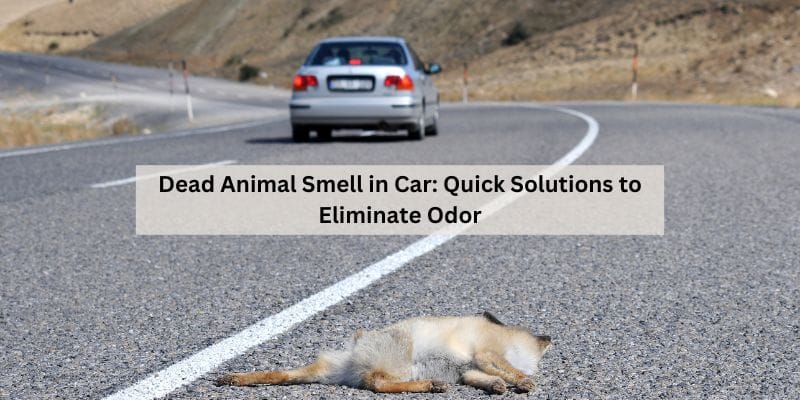
Rat Smell in Car? How to Find and Remove a Dead Animal Odor
A rat smell in your car almost always means a rat, mouse, or other rodent has died somewhere inside — commonly in the air ducts, under the seats, or near the engine bay. The smell can be stronger and last longer than a dead mouse because rats are larger, but the removal steps are the same.
Finding a dead animal smell in your car can be alarming. This unpleasant odor often suggests that a rat, mouse, or other small animal has found its way inside. Not only is the smell unpleasant, but it can also pose real health risks — rodent droppings and nesting material can carry hantavirus, so how you clean matters as much as what you clean.
Identifying the source quickly is crucial to avoid further complications. Addressing the issue promptly can save you from a lengthy and costly cleanup. This guide will help you understand how to locate the odor, remove the source safely, and eliminate the lingering smell effectively. Taking action now ensures a fresh and safe driving environment.
Quick Answer
A rat smell in your car means a rodent has died somewhere inside — check under the seats, in the trunk, the engine bay, and the air ducts. If you see droppings or nesting material, wear gloves and wet it down with disinfectant before wiping it up (never vacuum it dry — dried droppings can carry hantavirus). Remove the carcass, treat the area with baking soda or an enzyme cleaner, and run the AC on high with the windows open to clear residual odor.
Identifying The Source Of The Odor
Finding the source of a dead animal smell in your car can be tough. Start by checking both the interior and exterior of the vehicle. Look under the seats, in the trunk, and around the engine area. Small animals may hide in hard-to-reach spots.
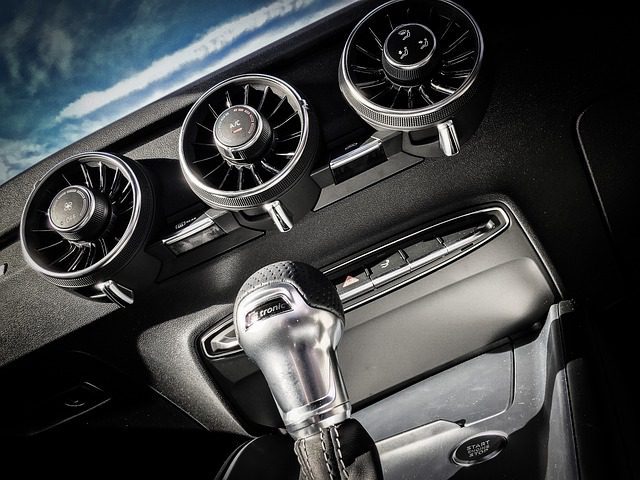
Next, inspect the ventilation system. Sometimes, dead animals can be trapped in the air ducts. This can cause a strong odor to fill your car. Don’t forget to examine the wheel wells and undercarriage as well.
Use your nose to help locate the smell. A foul odor usually indicates a dead animal nearby. If the smell persists, consider seeking professional help for proper removal.
Why Rat and Rodent Droppings Need Careful Cleanup (Hantavirus Risk)
Dead rodents and their droppings, urine, and nesting material can carry hantavirus, a serious respiratory illness, along with other bacteria like leptospirosis and salmonella. According to the CDC and King County Public Health, the danger isn’t just touching the material — dried droppings can release infectious particles into the air that you inhale, including through a car’s cabin air filter, ductwork, and vents.
To clean safely: wear rubber or nitrile gloves, avoid stirring up dust with a dry vacuum or broom, and thoroughly wet any droppings or nesting material with an EPA-registered disinfectant before wiping it away. If the smell is coming from the vents or ductwork rather than somewhere you can reach directly, that’s a sign to bring the car to a professional rather than trying to access the ducts yourself.
Immediate Actions To Take
Start by opening all windows. This helps air flow and freshens the space. Use fans to push the smell out. If possible, park in a well-ventilated area.
Next, check for any debris or trash. Remove all items from the car. Look under seats and in the trunk. Any leftover food can attract animals.
Before you vacuum: if you can see rodent droppings, nesting material, or urine stains, do not vacuum or sweep them dry — that scatters particles into the air you then breathe. Put on rubber or nitrile gloves, spray the area with a disinfectant until it’s thoroughly wet, let it sit a few minutes, then wipe it up with a paper towel. Once the visible waste is gone, a vacuum is fine for the remaining dust and debris in carpets, seats, and cracks.
Consider using baking soda. Sprinkle it on surfaces to absorb odors. Leave it for several hours, then vacuum it up.
Recommended to Remove a Rat Smell Safely

Ozium Odor Eliminating Gel (Our Pick)
- Best for: neutralizing lingering odor after the carcass and droppings are removed
- Why we picked it: breaks down odor molecules instead of just masking them
- Main drawback: won’t fix a smell if the source is still inside the car
 Chlorine Dioxide Fogger Kit Best for: severe, weeks-old decay odor Why: fills the whole cabin, reaching odor trapped in fabric Drawback: car must sit sealed and unoccupied while it works Check on Amazon → |
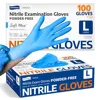 Disposable Nitrile Gloves Best for: safely handling droppings, nesting material, or the carcass Why: a barrier against hantavirus and other rodent-borne bacteria Drawback: single-use, buy a full box Check on Amazon → |
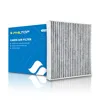 HEPA Cabin Air Filter Best for: odor coming from the vents or AC system Why: a filter clogged with dander/debris is a common lingering-smell cause Drawback: won’t help if the carcass is deeper in the ductwork Check on Amazon → |
Diy Cleaning Methods
Baking soda is a great way to absorb bad smells. Sprinkle a generous amount on the affected area. Let it sit for at least 24 hours. Vacuum the area to remove the baking soda. This method is simple and effective.
A vinegar and water mixture can also help eliminate odors. Mix equal parts of white vinegar and water in a spray bottle. Spray the mixture on the spots where the smell lingers. Wipe it clean with a cloth. The vinegar will neutralize the odor quickly.
Professional Odor Removal Services
Professional odor removal services can help eliminate the dead animal smell in your car. These experts use specialized techniques to remove unpleasant odors effectively.
Seeking professional detailing ensures that every corner of your vehicle is treated. They have tools and products that are safe and highly effective.
Ozone treatment is one of the most powerful methods. It targets and breaks down odor molecules. This process leaves your car smelling fresh and clean.
Choosing a professional service guarantees thorough results. Enjoy a comfortable driving experience without any lingering smells.
Preventive Measures
Establish a regular cleaning routine for your car. Clean the interior weekly. Use a vacuum to remove dirt and debris. Pay attention to hidden areas where smells can hide. Wipe surfaces with a damp cloth to remove stains. To stop rats and mice from getting in and dying inside your car in the first place, see our guides on how to prevent rodents in your car and how to deter rodents from your engine bay.
Using air fresheners can help mask unpleasant odors. Choose natural options like essential oils. These are safer and can improve air quality. Spray or hang them in your car. Avoid strong synthetic fragrances, as they can cause headaches.
Keep windows cracked when parked. This allows fresh air to circulate. Proper ventilation helps reduce odors. A clean car is a more pleasant space to drive.
Dealing With Lingering Smells
Dealing with a dead animal smell in your car can be tough. One effective method involves using activated charcoal. This natural deodorizer absorbs odors effectively. Place small bags of activated charcoal in your car. Leave them for a few days to see results.
Interior detailing is another solution. Cleaning the car thoroughly can help remove the smell. Focus on areas like the seats, carpets, and under the mats. Use a mixture of water and vinegar for cleaning. This can neutralize odors and leave a fresh scent.
Vacuuming regularly also helps. It removes debris that can cause bad smells. A clean car interior promotes a pleasant driving experience.
Consulting A Mechanic Or Auto Detailer
Consulting a mechanic or auto detailer can help locate the source of the smell. A professional assessment is crucial to understand the problem. They can check for hidden issues in your car.
Common underlying mechanical issues may include:
- Rodent infestations
- Leaks from the engine or fluids
- Blocked air filters
- Dirty or damaged upholstery
Addressing these issues quickly can prevent further damage. Timely intervention can keep your vehicle safe and pleasant.
Final Tips And Recommendations
Regular maintenance helps keep your car fresh. Check your car often for bad smells. Look under seats and in the trunk for hidden items. Clean the interior regularly to avoid odors.
Being mindful of food and trash is crucial. Always throw away any trash after a trip. Avoid leaving food in the car, as it attracts pests. Clean spills immediately to prevent lingering smells.
Consider using air fresheners to mask any unwanted odors. Choose natural options for a healthier choice. Keep windows slightly open when parked to allow fresh air in.
Frequently Asked Questions
Why Does My Car Have A Dead Animal Smell?
A dead animal smell in your car often indicates a rodent or animal has gotten trapped. Check under seats and in the engine bay. Spoiled food or spilled liquids can also cause unpleasant odors. Clean thoroughly and consider professional help if the smell persists.
How Long Does It Take For Dead Mouse Smell To Go Away In A Car?
The smell of a dead mouse in a car can linger for several days to weeks. Factors like temperature, ventilation, and cleaning efforts affect the duration. Thorough cleaning and odor neutralizers can help speed up the process. Identifying and removing the source is crucial for complete odor elimination.
Why Does It Smell Like Something Died In My Car Vents?
A dead animal or debris trapped in your car vents can cause a foul smell. Mold or mildew buildup may also contribute to the odor. Regular maintenance and cleaning can help prevent these issues and keep your car smelling fresh.
How Do I Get The Dead Animal Smell Out Of My Car Ac?
To eliminate the dead animal smell from your car AC, start by cleaning the air filter. Use an odor-neutralizing spray in the vents. Run the AC on high with the windows open for 10-15 minutes. Consider professional cleaning if the odor persists.
Regular maintenance prevents future issues.
Does a Dead Rat Smell Different or Worse Than a Dead Mouse in a Car?
A dead rat typically produces a stronger, longer-lasting odor than a dead mouse simply because it has more body mass to decompose. The removal process is identical — locate the carcass, remove it, and clean the area — but a rat’s smell may take a few extra days to fully clear even after the source is gone.
Conclusion
A dead animal smell in your car can be distressing. Identifying the source quickly is crucial for effective removal. Regular cleaning and inspection can help prevent such issues. Don’t hesitate to seek professional help if needed. A fresh, odor-free car enhances your driving experience and keeps passengers comfortable.
Products related to this article
Sponsored / affiliate links. As an Amazon Associate I earn from qualifying purchases. I may earn additional commission from eligible campaigns.