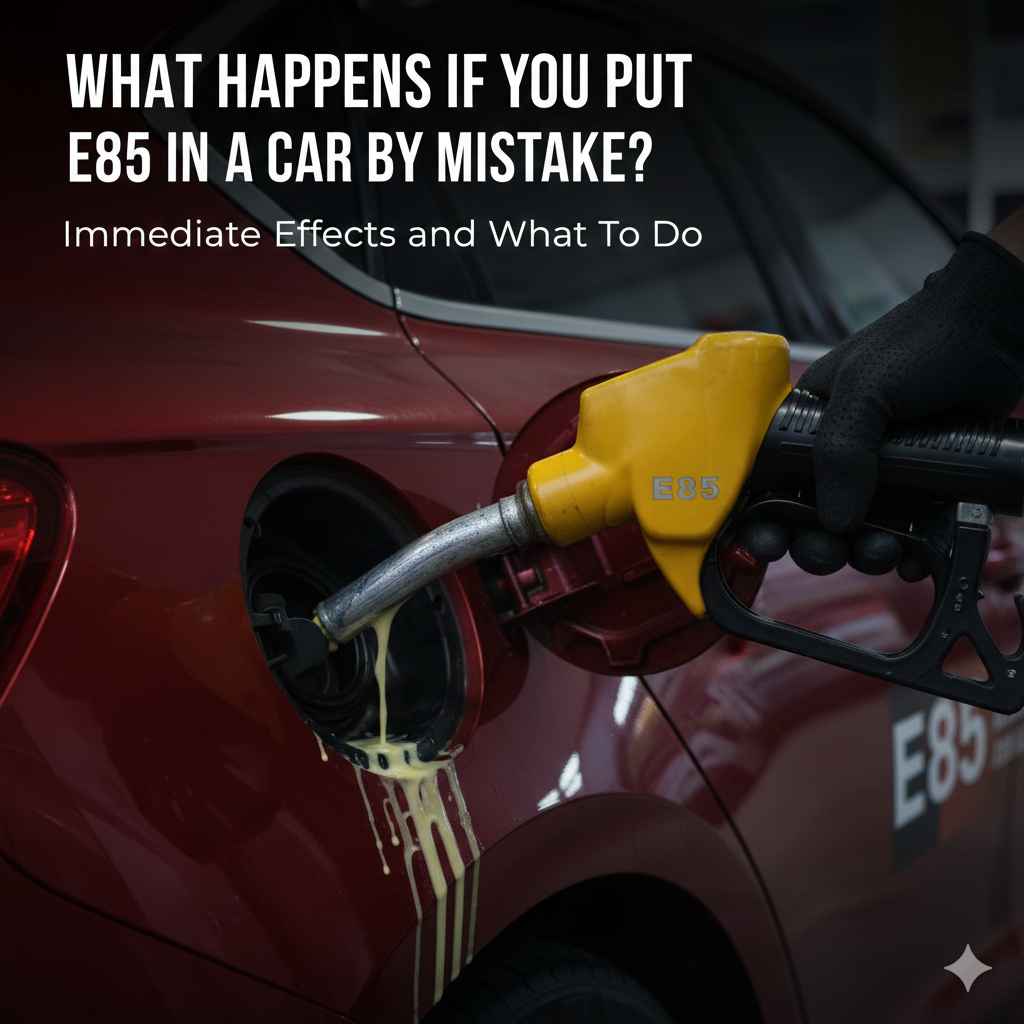
What Happens If You Put E85 in a Car by Mistake?
Putting the wrong fuel in your car can be a real worry. Let’s face it, gas stations can be confusing, and it’s easy to make a mistake! The most common fuel mix-up is with E85, a biofuel that looks a lot like regular gasoline. If you’ve ever wondered what happens if you put E85 in a car by mistake, you’re not alone. This guide will help you sort things out. We’ll explore the potential problems and show you a simple step-by-step approach to fix the issue. Keep reading for a clear path forward.
What Exactly Is E85 Fuel?
Before we explore the impact of a fuel mix-up, it’s important to know what E85 is. E85 is a type of fuel that’s made mostly from ethanol, a type of alcohol. It’s mixed with gasoline, typically around 15% gasoline and 85% ethanol. This differs significantly from regular gasoline, which usually contains a smaller percentage of ethanol, often around 10% or less. The ethanol in E85 comes from crops like corn. It’s designed for use in vehicles that are specifically built to handle it, often called “Flex Fuel Vehicles” or FFVs.
The main reason for using E85 is that it can reduce greenhouse gas emissions, making it an environmentally friendly option. However, regular cars aren’t built to work with the high ethanol content, which can lead to problems if it’s accidentally put in your fuel tank. Because ethanol burns differently than gasoline, a standard car engine isn’t equipped to handle it efficiently.
Composition and Properties of E85
E85’s primary component, ethanol, has several distinct properties. Ethanol is a renewable fuel source, produced from plant materials like corn. This contrasts with gasoline, which comes from crude oil. Ethanol’s high-octane rating (typically 100-105) allows for more efficient combustion in FFVs, which can lead to increased power output compared to using regular gasoline. However, the energy density of ethanol is lower than that of gasoline; this means that a gallon of E85 contains less energy than a gallon of gasoline. This often results in lower fuel economy for vehicles using E85.
Ethanol’s High Octane: The high octane rating of ethanol allows for more compression in the engine, which can boost performance in Flex Fuel vehicles.
Corrosive Nature: Ethanol can be corrosive and dissolve rubber and plastic components in older fuel systems not designed to handle it.
Water Absorption: Ethanol absorbs water, which can lead to phase separation in fuel tanks. This can result in engine misfires and fuel system damage.
E85 vs. Regular Gasoline: Key Differences
The differences between E85 and regular gasoline are significant. Regular gasoline contains a mix of hydrocarbons with a small percentage of ethanol. It’s designed to work with engines that are common in most cars. Regular gasoline has a higher energy density than E85, so a car using it will generally get better fuel economy. However, it may have lower octane ratings. E85, on the other hand, is specifically formulated for Flex Fuel Vehicles.
E85’s high ethanol content means it burns differently, leading to potential issues in engines not designed for it. The ethanol also has a lower energy density, so cars using it usually get fewer miles per gallon compared to using regular gasoline. This can lead to increased fuel consumption. The components and materials used in the fuel systems of Flex Fuel Vehicles are designed to withstand the corrosive effects of ethanol, unlike those in many standard vehicles.
| Feature | E85 | Regular Gasoline |
|---|---|---|
| Ethanol Content | Around 85% | Usually 0-10% |
| Energy Density | Lower | Higher |
| Octane Rating | Higher (typically 100-105) | Lower (typically 87-93) |
| Vehicle Compatibility | Flex Fuel Vehicles (FFVs) only | Most vehicles |
The Immediate Effects of E85 in a Regular Car
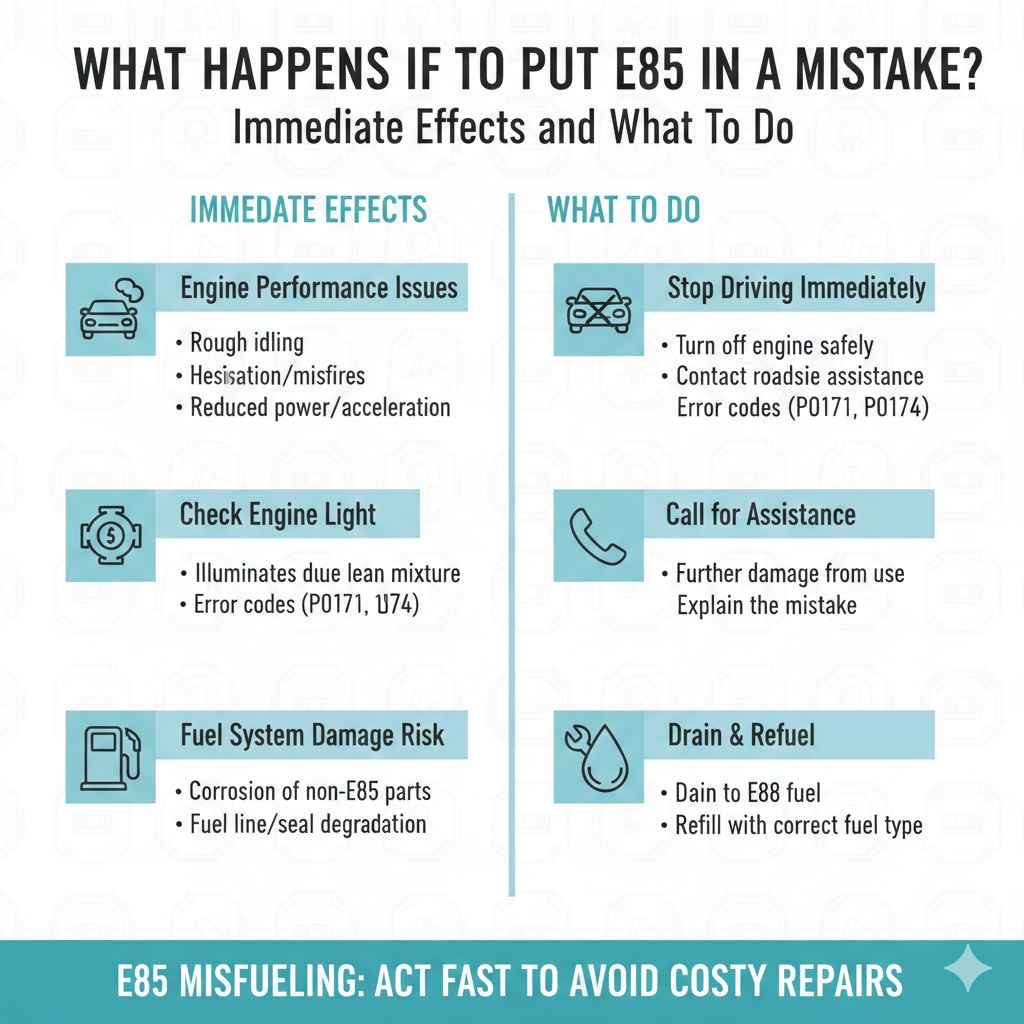
When E85 gets into a car that isn’t built for it, the engine might not run the way it should. Initially, you might notice some issues as the fuel is burned. The effects can vary depending on how much E85 is in the tank and the type of engine in your car. It’s important to recognize the early signs to prevent serious issues from developing. The engine control unit (ECU) of a standard car isn’t designed to handle the high ethanol concentration.
Ethanol can cause problems with the fuel system, including damage to rubber components and plastic parts. The oxygen sensors, which monitor the exhaust, might also become inaccurate, which can mess up the engine’s performance. The engine might run rough, stall, or have trouble starting. If a significant amount of E85 is used, the fuel pump can be stressed, and the catalytic converter could be damaged. The engine might lose power, and your car may not run correctly. Immediate action to address the issue is always needed.
Initial Symptoms You Might Notice
The first signs of trouble can appear quickly after putting E85 into a car not designed for it. You might experience the following symptoms, but the severity will depend on the amount of E85 used and the car’s engine design.
Difficulty Starting: The car might take longer to start or struggle to start at all.
Rough Idling: The engine might run unevenly when idle. The RPMs might fluctuate.
Reduced Power: The car might feel sluggish when accelerating.
Check Engine Light: The “check engine” light on the dashboard might come on. This is usually due to the oxygen sensors detecting the incorrect fuel mix.
Engine Stalling: The engine might stall while driving or at idle.
Short-Term vs. Long-Term Damage
The effects of E85 on a regular car can be split into two periods: short-term and long-term. In the short term, the engine might run poorly. Over time, the effects can become more serious. If you catch the mistake quickly and take action right away, the damage can be minimized.
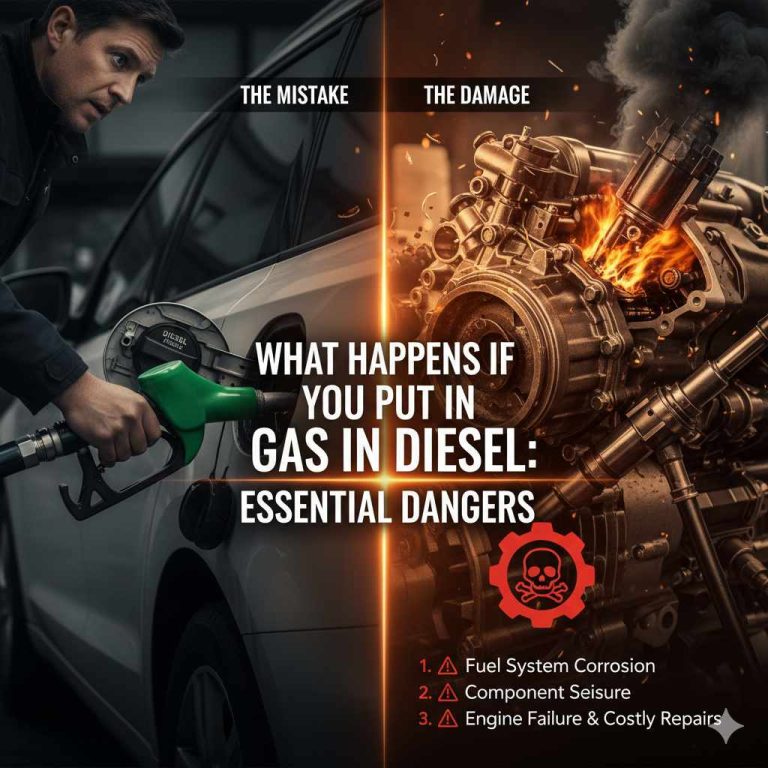
Short-term damage involves immediate symptoms. These can include a loss of power, reduced fuel economy, and perhaps the engine running rough or stalling. Long-term damage can involve serious issues, such as fuel system corrosion, damage to the catalytic converter, and problems with the fuel injectors. If the fuel system components are not designed to handle ethanol, these problems can develop quickly. Regular gasoline cars’ rubber fuel lines and plastic parts are not designed to handle the corrosive properties of ethanol.
Short-Term Effects: The car experiences reduced performance, rough idling, and potentially stalling.
Long-Term Effects: Can include fuel system component failure, engine damage, and significant repair costs.
What To Do If You Put E85 in a Car by Mistake
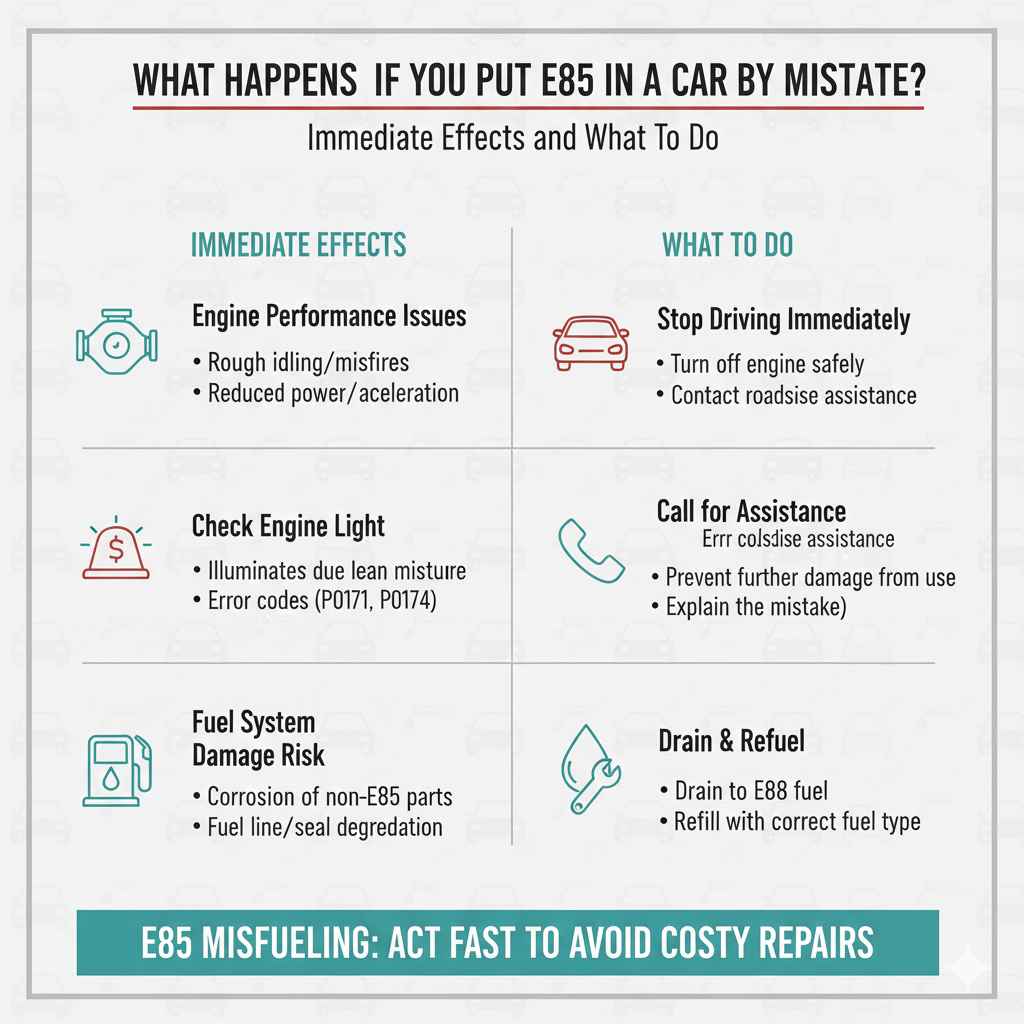
If you’ve realized you’ve filled your car with E85 by mistake, the most important thing is to take action. The steps you take will determine the severity of the damage. Don’t panic; follow these steps to limit the harm to your car. Quickly addressing the situation can save you money and headaches. The sooner you act, the better.
The first thing to do is determine how much E85 is in the tank. If you filled up the entire tank with E85, the issues can be more significant. If you only added a small amount, you might be able to get away with just topping off with regular gasoline. The next step is to avoid starting your engine if possible, especially if you have just added a large quantity. Starting the engine forces the E85 through the fuel system, which can cause damage. Then, you’ll want to take steps to remove the E85 or dilute it with regular gasoline.
Step-by-Step Recovery Guide
Here’s a clear plan to follow if you’ve put E85 in your car by mistake:
Do Not Start the Engine: If you realize your mistake before starting the engine, leave it off. This prevents E85 from circulating through the fuel system.
Assess the Situation: Figure out how much E85 is in the tank. Did you fill the entire tank, or just add a few gallons?
Dilute the Fuel: If only a small amount of E85 was added, fill the remaining tank with regular gasoline to dilute the mixture.
Fuel Removal: If you filled up with E85, you’ll need to remove it. You can do this by either siphoning the fuel, or taking the car to a professional to have the fuel tank drained.
Check the Fuel System: After fuel removal, you might need a professional to inspect the fuel filter and fuel lines for damage.
Add Fuel System Cleaner: After the tank is filled with the correct fuel, consider using a fuel system cleaner designed to remove deposits.
Monitor Your Car: Start the car and monitor how it runs. Watch for any unusual behavior, such as rough idling or reduced power.
When to Seek Professional Help
While you can handle some situations, other times, professional help is required. If you’ve filled your tank completely with E85, it’s a good idea to seek assistance. If you’re not comfortable removing the fuel yourself, a professional is the best option. Professionals have the tools and expertise to drain the fuel safely without causing damage. If your car is showing signs of problems, such as rough running or the “check engine” light is on, don’t delay.
A mechanic can inspect the fuel system components for damage, such as corrosion or leaks. They can also diagnose any potential engine problems that may have resulted from the E85. Regular mechanics may not have experience with the specific repair needs of E85 damage, so it is often better to find a specialist. If the car has been running for a period on E85, a professional inspection can prevent problems from worsening. Remember, a professional diagnosis is a good option when in doubt.
Preventing Fueling Errors at the Gas Station
Avoiding fuel mix-ups at the gas station is best. These errors are often due to the visual similarity between E85 and regular gasoline nozzles and labels. Paying attention when refueling can save you from a lot of trouble. Making sure you know what type of fuel your vehicle requires is important before you start fueling. Checking the gas cap or the owner’s manual will ensure you get the right fuel.
If you’re unsure about the fuel type, always ask a gas station employee. Take the time to read the labels on the fuel pumps carefully, as they provide critical information about the fuel’s composition and intended use. Make sure you match the fuel type with what your vehicle needs. Be careful of distractions at the gas station, as it is easy to make a mistake when you are in a rush.
Tips for Identifying the Correct Fuel
Here are some straightforward tips to prevent putting E85 in a car by mistake at the pump:
Know Your Car’s Fuel Requirements: Check your gas cap or the owner’s manual for the correct fuel type.
Read the Pump Labels: Always read the labels on the fuel pumps before filling up. Pay close attention to any mention of ethanol or “Flex Fuel.”
Pay Attention to Nozzle Colors: Some gas stations use different colored nozzles for different fuel types. For example, E85 might have a yellow or blue nozzle.
Double-Check Before You Pump: Before you squeeze the nozzle, take a second to make sure you have the right fuel type.
Ask for Assistance if Needed: If you’re unsure about the fuel type, ask a gas station attendant.
Gas Station Etiquette and Awareness
Being mindful and aware at the gas station can also reduce errors. Pay attention to the surrounding environment and the other vehicles at the pumps. If you see a Flex Fuel Vehicle, note that it will likely be using E85. If you are distracted, you are more prone to error. Check that you are at the correct pump before even removing the gas cap. In addition to knowing what fuel type your car needs, it’s also important to be aware of the different types of gasoline available.
There are different octane ratings, and your car may require premium gasoline. If you’re unsure, consulting the owner’s manual is a good practice. Furthermore, make sure you properly secure the fuel cap after refueling. Always keep the nozzle in contact with the car’s fill pipe to prevent spills. Practicing gas station etiquette will help make the fueling process smooth and safe for everyone.
Frequently Asked Questions
Question: Can I drive my car if I accidentally put E85 in it?
Answer: It’s best to avoid driving if you can. If you only added a small amount, you might be able to drive carefully, but it is better to drain the tank if possible.
Question: Will using a small amount of E85 ruin my engine?
Answer: A small amount might not immediately cause major damage, but it’s best to remove the E85 or dilute it with regular gasoline as soon as possible.
Question: How can I tell if my car is a Flex Fuel Vehicle?
Answer: Flex Fuel Vehicles usually have a yellow gas cap or a badge on the rear of the vehicle, and the owner’s manual will state it.
Question: What’s the cost of repairing damage from E85?
Answer: Repair costs vary. It can range from a few hundred dollars to several thousand, depending on the damage done to the fuel system and engine.
Question: Is there an additive I can use to fix the problem?
Answer: Additives can help, but they cannot replace removing the E85. They may help clean the fuel system after the tank has been drained or diluted.
Final Thoughts
In a nutshell, what happens if you put E85 in a car by mistake is not ideal. It can lead to problems if you’re not driving a Flex Fuel Vehicle. The key is to act fast. If you discover the error, the best solution is to get the fuel out of the tank or dilute it with regular gasoline. Keep an eye out for any signs that your car is running strangely. Prevention is the best medicine when it comes to fuel mix-ups. Always pay attention at the gas station and know what kind of fuel your car requires. With a little care and these helpful tips, you can steer clear of any fuel-related troubles.