What Is A Roll Cage In A Car? Purpose & Benefits Explained
A roll cage is a strong metal frame built inside a vehicle. Its main job is to protect the people inside if the car flips over or crashes. It creates a strong protective shell.
The Heart of the Matter: What a Roll Cage Is
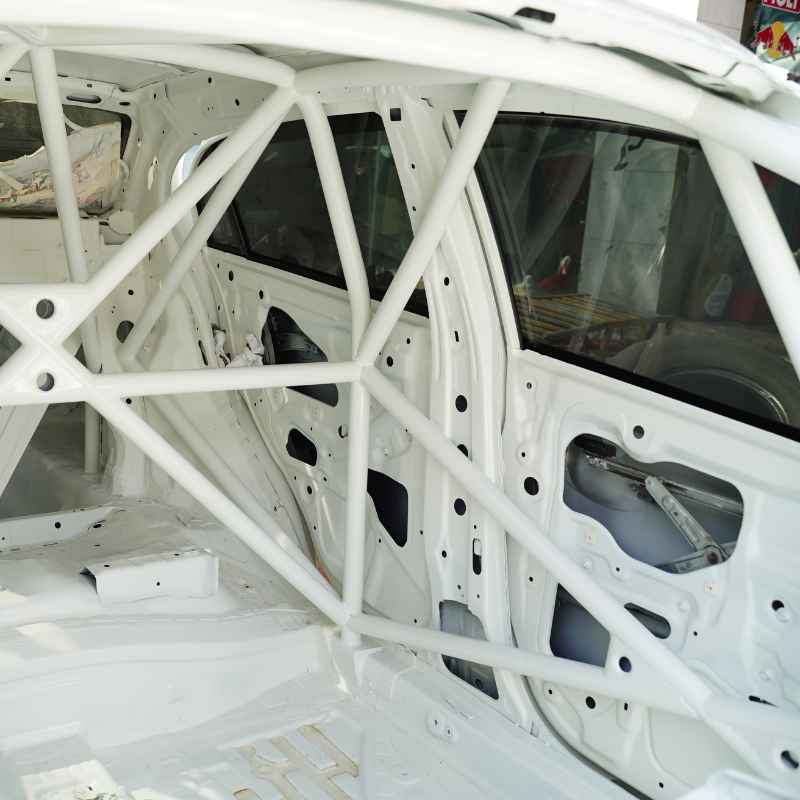
At its core, a roll cage is a protective skeleton for a car’s cabin. Think of it as a reinforcing structure. It’s usually made from strong steel tubing. These tubes are welded together to form a strong, interconnected framework. This framework surrounds the occupants of the vehicle.
The primary goal of a roll cage is to provide a safe space. This space is created when a car experiences a rollover accident. In such a crash, the car’s roof can collapse. Without a roll cage, this collapse can crush the occupants. The roll cage’s strong structure resists this collapse. It helps maintain the integrity of the passenger compartment. This is often called the “survival space.”
Roll cages are not just simple frames. They are carefully designed and engineered. The placement and angle of each tube are important. They are designed to absorb and distribute the forces of an impact. This makes them effective in protecting people. They are vital for safety in many types of vehicles, especially those used in high-speed or off-road situations.
Why Does a Car Need a Roll Cage? The Driving Forces
The need for a roll cage comes down to physics and risk. Cars, especially those built for speed or rugged terrain, can be subjected to extreme forces. When a vehicle rolls, gravity pulls it down hard. The impact can be massive. The metal of the car’s body alone might not be strong enough to withstand this.
In many normal passenger cars, safety relies on crumple zones. These zones are designed to deform and absorb energy in a crash. They protect occupants in frontal or side impacts. But a rollover is different. The forces are applied in a way that can overwhelm the standard roof structure.
A roll cage steps in where the car’s body might fail. It adds immense structural strength. This strength is key to preventing the roof from caving in. It also helps brace the car’s frame. This can prevent further damage. It makes the car more stable during and after a rollover event.
Consider the speeds involved in motorsports. A small mistake can lead to a violent flip. Or think about off-roading. A vehicle can lose traction on a steep incline and tumble down. In both cases, the risk of a severe rollover is high. This is where a roll cage becomes not just a good idea, but a necessity for safety. It’s about anticipating the worst-case scenario and building a defense against it.
The Science Behind the Strength: How It Works
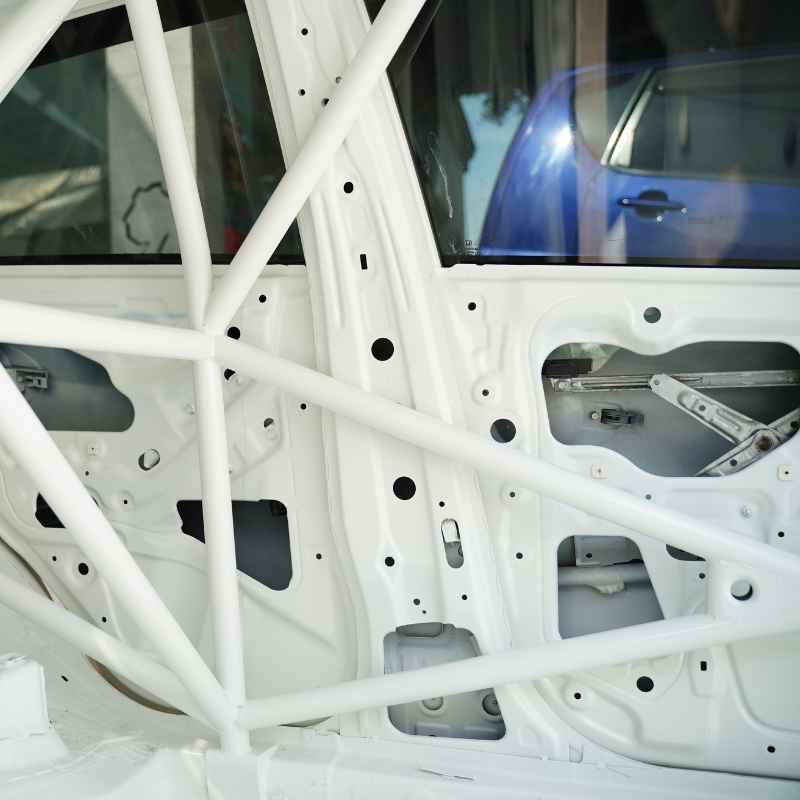
The strength of a roll cage comes from its design. It uses strong, usually seamless, steel tubing. This tubing is often referred to as DOM (drawn over mandrel) tubing. This type of tubing is very strong and consistent. It has no internal welds that could create weak spots.
The tubes are bent and welded together in a specific pattern. This pattern is not random. It’s calculated to distribute impact forces. When a car rolls, forces are applied to different parts of the cage. These forces travel through the tubes. The cage then transfers these forces to other parts of the car’s structure.
For example, if the roof hits the ground, the force is spread across many tubes. It doesn’t just concentrate on one point. This prevents the cage from bending or breaking. The interconnectedness of the tubes is crucial. Each tube supports the others. This creates a rigid safety cell.
The way the cage is attached to the car’s chassis is also very important. It must be anchored securely. Strong mounting points are used. These points transfer the load of the cage to the car’s main frame. This makes the entire structure act as one unit. This is how a roll cage can keep the passenger compartment intact even under immense pressure. It’s a testament to good engineering and material science.
My Own Scare: A Close Call That Changed My View
I remember it vividly. It was a few years back. I was helping a friend prep his Jeep for a challenging off-road trail. He had installed a basic internal roll bar. We were testing its clearance over some rocks. He hit a patch of loose gravel on a side slope. The Jeep started to slide.
Suddenly, the rear end kicked out. We were tilted at a scary angle. My stomach dropped. I braced myself, expecting the worst. The Jeep continued to slide sideways, then tipped. It felt like slow motion. I saw the ground coming up.
Then, a heavy thud. We were on our side. For a moment, there was silence. My heart was pounding. I could hear the engine sputtering. I checked on my friend. He was shaken but okay. I looked up. The roof was firmly against the dirt. It hadn’t budged.
That was the moment I truly understood the value of that metal structure. It was just a simple roll bar, not a full cage, but it had done its job. It had created enough space for us to be safe. Before that day, I saw it as an accessory. After that day, I saw it as a lifesaver. It was a stark reminder that gravity doesn’t play favorites.
Roll Cage vs. Roll Bar: What’s the Difference?
It’s easy to mix these up. A roll bar is often a single hoop. It goes behind the driver’s or passenger’s seats.
It primarily protects against rollovers. A roll cage is a much more complete structure. It often involves multiple hoops and bars.
It connects to many points on the car. It protects the entire cabin area. A full roll cage is far more robust than a simple roll bar.
Real-World Scenarios Where Roll Cages Shine
Roll cages are not just for professional race cars. They are common in many activities where cars face risks. Think about rally racing. Cars speed on dirt, gravel, and tarmac. They can easily go airborne or hit obstacles. A roll cage is essential.
Off-roading is another big one. Rock crawling, mud bogging, and desert racing all involve high risks of rollovers. Jeeps, Broncos, and other off-road vehicles often have aftermarket roll cages installed. This is for the safety of drivers and passengers tackling tough terrain.
Another area is demolition derby or tractor pulling. These sports involve extreme impacts. A roll cage helps maintain the vehicle’s structure. This protects the driver from the harsh forces involved. Even some high-performance street cars come with factory-installed roll bars or cages. They offer an extra layer of safety.
The environment plays a role too. Driving in mountainous areas with steep drop-offs increases rollover risk. Driving on icy or wet roads can make a car slide unpredictably. In these situations, any car could potentially flip. While not all cars have them, the presence of a roll cage significantly improves safety in these scenarios.
Quick Scan: Common Roll Cage Applications
| Activity | Why It’s Needed |
|---|---|
| Motorsports (Rally, Drifting, Circuit Racing) | High speeds, potential for flips, impacts with track barriers. |
| Off-Roading (Jeeping, Rock Crawling) | Uneven terrain, steep slopes, potential for rolling down hills. |
| Demolition Derby | Extreme impacts, deliberate collisions, vehicle structural integrity is key. |
| Tractor Pulling | Intense forces, potential for rollovers due to uneven weight distribution. |
Materials and Construction: Building a Fortress
The materials used for roll cages are critical. Steel is the most common. It’s chosen for its strength, durability, and relatively low cost. Common types include chromoly steel (chromium-molybdenum steel) and mild steel.
Chromoly steel is lighter and stronger than mild steel. This makes it a favorite for racing applications where weight is a concern. It offers a better strength-to-weight ratio. However, it can be more expensive and harder to weld properly. It requires specialized techniques.
Mild steel is more common for non-professional applications. It is easier to work with and more affordable. While not as strong as chromoly, it still provides significant protection when designed and installed correctly.
The construction involves precise bending of the steel tubes. This is often done using hydraulic or mechanical benders. The bends must be smooth. They should not kink or weaken the tube. Then, the tubes are welded together. Welding requires skill. The welds must be strong and penetrate fully. Poor welds are a major failure point.
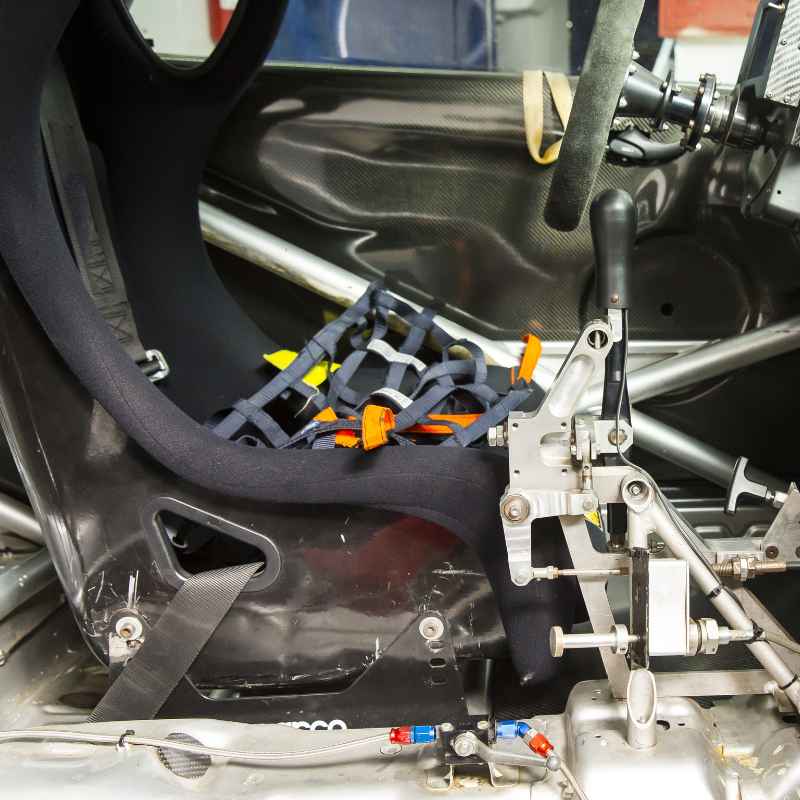
The number of bars and hoops varies. A basic roll bar might be a single hoop behind the seats. A full roll cage has multiple hoops. It includes diagonal bracing bars. These bars connect different points of the cage. They add rigidity. Some cages also include roof support bars and door bars. Door bars protect the occupants’ arms and torsos in a side impact or rollover.
Design Standards and Regulations: Safety First
For many applications, roll cages must meet specific safety standards. These standards are set by racing organizations. Examples include NASCAR, NHRA (National Hot Rod Association), SCCA (Sports Car Club of America), and FIA (Fédération Internationale de l’Automobile).
These organizations have detailed rulebooks. They specify the type of material allowed. They dictate the diameter and wall thickness of the tubing. They also define the required number and placement of bars. For example, a cage might need a main hoop behind the driver, a halo bar over the windshield, and specific door bars.
The way the cage is mounted to the car’s chassis is also regulated. There are requirements for the strength of the mounting plates and fasteners. These regulations exist to ensure a minimum level of safety. They aim to protect drivers and passengers in the event of a crash.
For street-driven vehicles, there aren’t as many strict regulations. However, if a vehicle is modified for off-road use or racing, it will likely need to comply with specific governing body rules. Following these standards is crucial. It ensures the cage will perform as intended when needed most. Ignoring them can lead to a false sense of security.
Beyond Rollovers: Other Protective Benefits
While preventing roof crush in a rollover is the main job, roll cages offer other safety benefits. They can help reinforce the entire vehicle structure. This is especially true for vehicles with body-on-frame construction, like many SUVs and trucks.
In a severe side impact, a well-designed roll cage can help maintain the integrity of the passenger compartment. It can prevent doors from being forced open. It can also offer some protection against intrusion from other vehicles or debris.
Some cage designs include specialized bars. These are designed to protect occupants’ heads and limbs from impact with the cage itself. This requires careful placement and padding in some areas.
Furthermore, a reinforced structure can make the car more predictable in a crash. It helps the vehicle maintain its shape. This can lead to more controlled energy dissipation. It’s a comprehensive safety upgrade. It goes beyond just one type of accident.
Infographic: Key Roll Cage Components
Main Hoop
The primary hoop behind the seats. Crucial for roof support.
A-Pillar Bars
Bars running from the dash area up to the roof. Reinforce the front.
Door Bars
Bars running across the door opening. Protect occupants’ sides.
Roof Bars
Bars supporting the roof panel. Add structural integrity.
Rear Down Bars
Bars connecting the main hoop to the rear of the chassis.
Diagonal Braces
Bars added for extra rigidity, often in the rear or side.
Roll Cages vs. Factory Safety Features
It’s important to understand that a roll cage is usually an aftermarket addition. It’s designed for vehicles not originally equipped with one. Standard passenger cars have safety features like airbags and reinforced A-pillars. These are designed to meet federal safety standards for everyday driving.
However, these standard features might not be enough for extreme situations. A roll cage adds a level of protection that factory setups typically don’t offer. It’s a significant upgrade for vehicles used in high-risk activities.
For example, a sports car might have a strong chassis and airbags. But if it’s used for track days or autocross, a roll bar or cage becomes a valuable addition. It provides protection against rollovers that could occur at higher speeds.
Think of it this way: factory safety is like a good umbrella for a light shower. A roll cage is like a heavy-duty tent for a hurricane. Both offer protection, but for different levels of risk. You wouldn’t use a tent for a sprinkle, and you might wish you had a tent in a hurricane.
When Is a Roll Cage Necessary? Assessing the Risk
The decision to install a roll cage depends heavily on how the vehicle is used. If your car is primarily for commuting or grocery runs, a roll cage is likely overkill. Your factory safety features are designed for those scenarios.
However, if you plan to:
Participate in motorsports (even amateur events).
Do serious off-roading on challenging trails.
Drive in areas with high rollover risks.
Modify your vehicle for extreme performance driving.
Then, a roll cage becomes a strong consideration. It’s about matching your safety equipment to the risks you’re exposing yourself to. Many off-road clubs and racing organizations actually require them for certain events. This is a good indicator of when they are truly necessary.
Installation: A Job for Professionals
Installing a roll cage is not a DIY project for most people. It requires specialized knowledge and tools. The welding must be done by experienced professionals. The mounting points need to be securely integrated into the car’s chassis.
A poorly installed roll cage can actually be dangerous. It might not provide adequate protection. In fact, it could fail at a critical moment. It might even create new hazards for the occupants. Always choose a reputable shop with experience in roll cage fabrication and installation. They will ensure it’s done to safety standards.
Professionals will also help you choose the right type of cage. They can advise on materials and design based on your vehicle and intended use. They understand the regulations for various types of motorsport or off-road activities. This expertise is invaluable.
Maintenance and Inspection: Keeping It Strong
Once a roll cage is installed, it’s not a “set it and forget it” component. Like any safety equipment, it needs periodic checks. This is especially true if the vehicle is used frequently in demanding conditions.
Inspect the cage for any signs of damage. Look for cracks in the welds. Check for any dents or deformation in the tubing. Ensure that all mounting points are still secure. Loose bolts or fasteners can compromise the cage’s effectiveness.
If the vehicle has been in a minor accident or rollover, the cage should be inspected by a professional. Even if it looks fine, there might be internal stresses. These could weaken it for future impacts. A thorough inspection is crucial to ensure continued safety.
The Future of Vehicle Safety and Roll Cages
As vehicle technology advances, safety continues to evolve. We see more advanced driver-assistance systems and passive safety features. However, for performance and off-road vehicles, the roll cage remains a cornerstone of occupant protection.
Manufacturers are also exploring integrated safety structures. Some high-performance cars are now built with very strong internal structures from the factory. These can sometimes resemble full roll cages. This shows a growing recognition of the benefits of such designs.
For the enthusiast driver or off-roader, the roll cage will likely remain a vital safety upgrade. It provides a level of protection that standard car designs cannot match for extreme conditions. It’s an investment in safety that can pay off immensely.
Common Questions About Roll Cages
What is the primary purpose of a roll cage?
The main purpose of a roll cage is to protect the occupants of a vehicle in the event of a rollover accident. It creates a strong metal structure that helps prevent the roof from collapsing and crushing people inside.
Are roll cages only for race cars?
No, roll cages are not only for race cars. They are also common in off-road vehicles, rock crawlers, demolition derby cars, and even some performance street cars that owners want to make safer for spirited driving or track use.
What materials are roll cages typically made from?
Roll cages are most often made from strong steel tubing, such as chromoly steel or mild steel. Chromoly is lighter and stronger but more expensive. Mild steel is more common and easier to work with.
Can I install a roll cage myself?
It is generally recommended to have a roll cage installed by experienced professionals. Proper welding, bending, and mounting require specialized tools and expertise to ensure the cage is safe and effective.
How do I know if my car needs a roll cage?
You should consider a roll cage if you plan to use your vehicle for motorsports, extreme off-roading, or in situations where rollover risk is high. For regular street driving, factory safety features are usually sufficient.
How often should I inspect my roll cage?
It’s a good idea to inspect your roll cage periodically, especially after any significant impact or if the vehicle is used in demanding conditions. Look for cracks, dents, or loose mounting points. Professional checks are recommended annually or after any incident.
Final Thoughts on Roll Cage Safety
So, what is a roll cage? It’s a powerful safety tool. It’s a carefully engineered structure. It’s designed to create a protective shell. This shell keeps you safe when the unthinkable happens. From professional racing circuits to rugged off-road trails, it plays a vital role. It transforms a potentially devastating accident into a survivable event. Understanding its purpose and importance is key for anyone looking to enhance vehicle safety.
Products related to this article
Sponsored / affiliate links. As an Amazon Associate I earn from qualifying purchases. I may earn additional commission from eligible campaigns.