What is Bottoming Out Car: Causes, Risks, and Prevention Tips
Have you ever felt a sudden jolt or heard a loud bang when your car hits a bump or a pothole? That rough, uncomfortable feeling is often caused by something called “bottoming out.”
But what exactly is bottoming out your car, and why should you care? Understanding this can save you from costly repairs and keep your ride smooth and safe. You’ll discover what bottoming out means, why it happens, and how it affects your car.
Keep reading to protect your vehicle and enjoy a more comfortable drive.
What Bottoming Out Means
Bottoming out in a car means the vehicle’s suspension hits its limit. This causes the car’s body to touch the road or bumps. It often happens on rough roads or with heavy loads.
Understanding Bottoming Out In Cars
Bottoming out happens when a car’s suspension compresses fully. The car’s frame or body hits the ground or road surface. This causes a hard, jolting impact for passengers and the vehicle itself.
It usually occurs on rough roads or over large bumps. The suspension cannot absorb the shock anymore. This leads to a harsh ride and potential damage.
Signs Your Car Is Bottoming Out
You might hear loud bangs or thuds under the car. The ride feels unusually stiff and uncomfortable. Sometimes, you may see visible scrapes on the car’s underside.
Bottoming out can also cause uneven tire wear. It may affect steering and handling, making driving unsafe.
Why Bottoming Out Is A Problem
Hitting the ground damages suspension parts and the car’s body. It can lead to costly repairs and unsafe driving conditions. The car may lose control or respond poorly on the road.
Repeated bottoming out shortens your car’s lifespan. It also reduces comfort for passengers during drives.
Common Causes
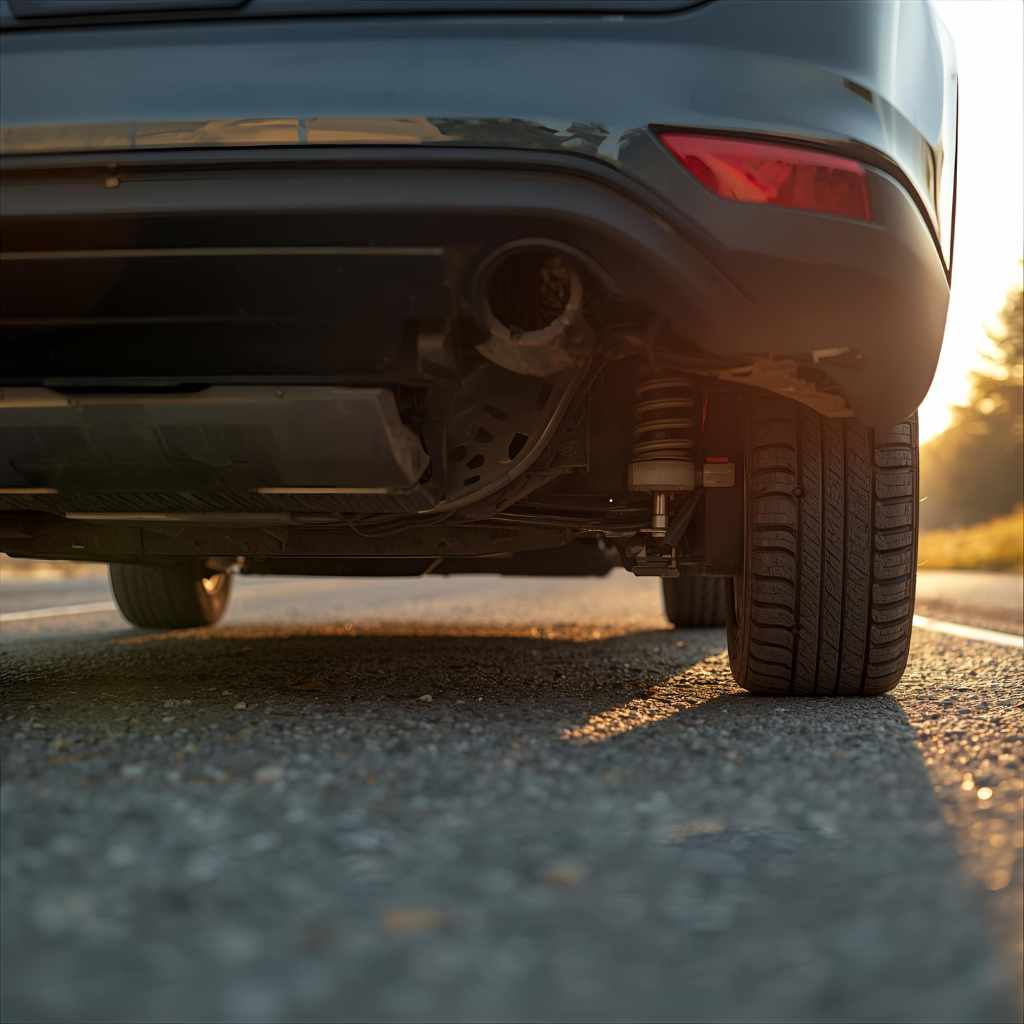
Bottoming out a car happens when the vehicle’s underside hits the road or a surface below. This can cause damage and a rough ride. Many factors cause this issue. Knowing these causes helps you spot problems early.
Worn Suspension Components
Suspension parts like shocks and springs absorb bumps. Over time, they wear out or break. Worn suspension lowers the car’s height. This makes it easier for the car to hit the ground.
Overloaded Vehicle
Cars have a weight limit. Carrying too much weight pushes the car down. The suspension can’t hold up heavy loads well. This causes the car to bottom out more often.
Rough Road Conditions
Driving on bumpy roads or potholes jars the car. Sudden drops or sharp bumps make the underside hit the ground. Rough roads increase the risk of bottoming out.
Improper Tire Pressure
Low tire pressure lowers the car’s height. Tires lose their cushioning effect. This causes the car to sit closer to the road. Bottoming out becomes more likely with bad tire pressure.
Risks Of Bottoming Out
Bottoming out a car happens when the vehicle’s underside hits the ground. This can cause several problems that harm your car’s performance and safety. Understanding the risks helps protect your vehicle and yourself on the road.
Damage To Suspension
Suspension parts absorb shocks and keep the ride smooth. Bottoming out can bend or break these parts. This damage reduces comfort and makes driving unsafe. Repairs can be costly and take time.
Tire And Wheel Damage
The impact from bottoming out can crack wheels or damage tires. This weakens their strength and increases the chance of a blowout. Tires may wear unevenly, leading to early replacement.
Reduced Vehicle Control
When your car bottoms out, control becomes harder. Steering may feel loose or unresponsive. This makes it difficult to drive safely, especially on rough roads or at high speeds.
Safety Hazards
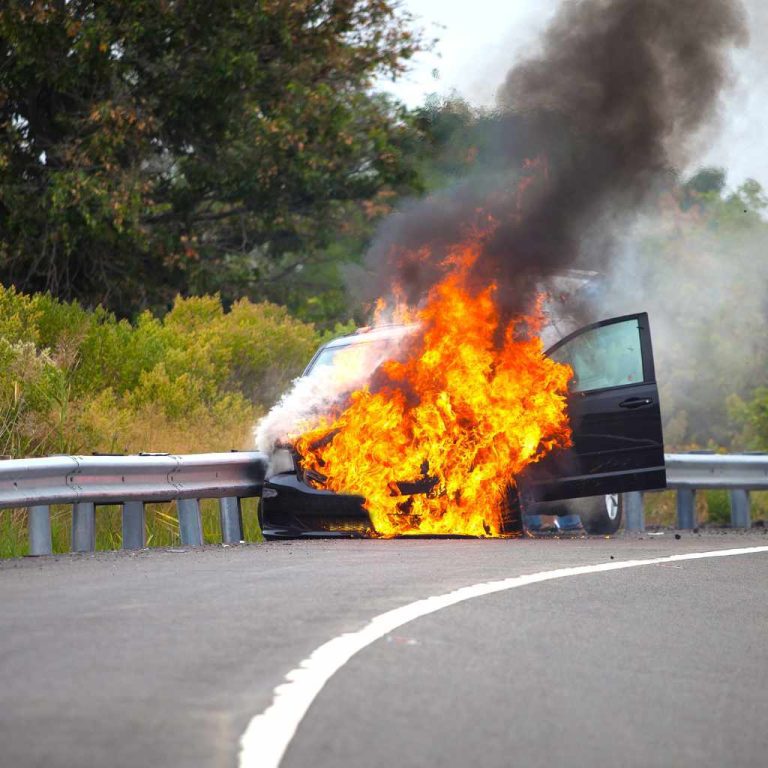
Bottoming out can cause sudden jolts that distract the driver. It may also damage brake lines or fuel tanks, creating fire risks. These hazards threaten everyone inside and nearby.
How To Spot Bottoming Out
Knowing how to spot bottoming out helps protect your car’s suspension and ride comfort. It happens when your car’s suspension hits its limit and can’t absorb bumps well. This can damage parts and make driving unsafe. Watch for signs that show your car is bottoming out.
Unusual Noises
Listen for loud bangs or clunks when driving over bumps. These noises often mean the suspension is hitting the frame or other parts. Regular sounds from your car should be smooth, not sharp or heavy. Strange noises are a clear warning.
Visible Vehicle Sagging
Look at your car’s body. If it sits lower than normal, this could mean worn-out springs or shocks. Sagging is easy to see near the wheels or the car’s sides. Check your car on flat ground to notice any uneven height.
Handling Problems
Feel how your car drives. If it bounces a lot or feels unstable on turns, bottoming out may be the cause. Your car might dip suddenly after bumps or potholes. These handling issues reduce control and comfort during driving.
Prevention Tips
Bottoming out your car causes damage and discomfort. It happens when the car’s suspension hits the ground hard. Preventing this problem keeps your car safe and smooth on the road. Follow these simple tips to avoid bottoming out.
Regular Suspension Maintenance
Check your car’s suspension often. Worn shocks and springs cause poor support. Replace any broken or weak parts quickly. A well-maintained suspension absorbs bumps better. This prevents the car from hitting the road’s surface hard.
Avoid Overloading
Do not carry too much weight in your car. Extra load presses the suspension down. This lowers the car and raises the chance of bottoming out. Keep your car within the recommended weight limits. Remove unnecessary items to reduce load.
Adjust Tire Pressure
Check your tire pressure regularly. Low pressure makes the car sit lower. It also affects how the car handles bumps. Inflate tires to the correct level shown in the manual. Proper tire pressure helps keep the car’s height stable.
Drive Carefully On Rough Roads
Slow down on bumpy or uneven roads. Fast speeds increase the risk of bottoming out. Avoid potholes and large rocks when possible. Steady driving gives the suspension time to absorb shocks. This reduces impact on the car’s bottom.
Upgrades To Avoid Bottoming Out
Bottoming out happens when your car’s suspension hits its limit. This can cause damage and make driving uncomfortable. Upgrading parts can help prevent this problem. These upgrades improve how your suspension handles bumps and heavy loads. They keep your ride smooth and protect your car.
Performance Suspension Kits
Performance suspension kits include parts designed to handle tough roads. These kits often come with stronger components. They help your car absorb shocks better. This reduces the chance of bottoming out. Installing a kit changes how your car rides. It keeps the car stable and safe.
Better Shock Absorbers
Shock absorbers control the bounce of your car. Better shock absorbers work well on rough surfaces. They slow down the suspension movement. This prevents the car from hitting the frame hard. Upgrading shocks can make your ride smoother. It also protects your car’s undercarriage.
Reinforced Springs
Reinforced springs are stronger than standard ones. They support heavier weight and tough conditions. These springs keep your car from sagging too low. That helps avoid bottoming out on bumps or dips. Reinforced springs improve ride height and stability. They are a simple upgrade with big benefits.

Frequently Asked Questions
What Does Bottoming Out A Car Mean?
Bottoming out a car means the vehicle’s suspension fully compresses. This causes the car’s chassis to hit the road or obstacles. It often results in a harsh jolt and possible damage to the undercarriage or suspension components.
What Causes A Car To Bottom Out?
A car bottoms out due to rough roads, heavy loads, or worn suspension parts. Low ground clearance and aggressive driving over bumps also contribute. Poorly maintained shocks and struts increase the risk of bottoming out.
How Can I Prevent My Car From Bottoming Out?
To prevent bottoming out, maintain your suspension system regularly. Avoid heavy loads and drive cautiously over speed bumps and potholes. Installing better shock absorbers or raising ground clearance can also help reduce bottoming out incidents.
What Are The Symptoms Of A Car Bottoming Out?
Symptoms include a loud thud or banging noise when driving over bumps. You may feel a sudden jolt or vibration inside the car. Visible damage under the car or uneven tire wear can also indicate bottoming out.
Conclusion
Bottoming out a car means the suspension hits its limit. This can cause damage and make driving uncomfortable. Knowing the signs helps you protect your vehicle. Fixing issues early saves money and avoids bigger problems. Keep your car’s suspension in good shape for a smooth ride.
Stay aware and drive safely to prevent bottoming out.