What Is Carrera? Uncovering the Meaning and History
Carrera is Spanish for “race” or “racing,” and Porsche uses it as a 911 badge tied to its competition history. If you miss that, you miss why the name signals more than trim level. This guide explains the word’s meaning, Porsche’s first use of Carrera, and how it became a mainstream 911 label.
What does Carrera mean?
Carrera is a Spanish word that means “race,” and it also connects to “career” in the sense of a path or run. For English readers, that is why the badge feels fast even before you know the Porsche story. It points to competition, motion, and a public performance image.
The overlap matters because Porsche did not borrow a random name. It chose a word already tied to speed and progress, then attached it to cars built around motorsport credibility. That is the difference between a badge that sounds sporty and one that comes from racing history.
Why did Porsche choose Carrera?
Porsche chose Carrera because the Carrera Panamericana gave the company a race name with instant motorsport weight. The event ran in Mexico in the early 1950s, was a nine-stage, five-day, 3,300km event, and gained a dangerous reputation. That made the name memorable and useful for performance cars.
The timing also mattered. The original Carrera Panamericana ended in 1954, and Porsche adopted the Carrera name for a new four-cylinder engine used in the 356 a year after the last race. The link was direct, public, and easy to understand: a race name for a car built to feel race-bred.
| year | model/brand | how Carrera was used | why it mattered |
|---|---|---|---|
| early 1950s | Carrera Panamericana | Race name and source of Porsche’s badge inspiration | Created the motorsport reference Porsche later borrowed |
| 1954 | Porsche 356 Carrera | First Porsche production use of Carrera | Started the badge on road cars, with a four-cam engine |
| 1973 | 911 Carrera RS 2.7 | First 911 to wear Carrera | Made Carrera a 911 name, not only a 356-era label |
| 1976-1977 | Carrera 3.0 | Upgraded 911-era model designation | Marked the last model where Carrera meant an upgraded model |
| 1995 onward | Modern base 911 | Base 911 designation | Shifted Carrera into the standard starting point for the 911 line |
How the 356 Carreras started
Porsche first used the Carrera name on the four-cylinder 356 in 1954. The 356 A was the first generation to carry the Carrera name, and it did so with a four-cam engine that used twin overhead camshafts for both cylinder banks. That was not a styling exercise. It was a technical signal.
Ernst Fuhrmann’s four-cam engine mattered because it tied the badge to genuine performance hardware. Porsche used Carrera to identify a racing-derived setup, not a decorative package. The 1.5L and 1.6L variants gave buyers a clear cue that these 356s sat above ordinary versions in both engineering and intent.
That early use set the pattern for years. Carrera meant the car had a stronger motorsport link and, in practice, a more serious mechanical specification. The badge still sounded glamorous, but it also pointed to a specific type of engine and a more focused model.
What the first 356 Carreras signaled
- A racing connection, not a comfort package.
- A four-cam engine layout tied to performance.
- A place above standard 356 models in Porsche’s range.
- A direct link to the publicity value of the Carrera Panamericana.
Suppose you are comparing two old 356s at a show: one wears plain 356 badging, and the other says Carrera. That second car is telling you something specific about the engine and its performance positioning, not just that it has a fancier nameplate.
When did Carrera reach the 911?
The first official Porsche 911 Carrera was the 911 Carrera RS 2.7 in 1973. It was a homologation special, which means Porsche built it to meet racing requirements while also making it road legal. That made Carrera even more closely tied to competition than it had been on the 356.
The RS 2.7 mattered because it gave the 911 a new naming bridge. Carrera was no longer only a 356-era performance tag. It had entered the 911 line through a car designed around race eligibility, lightweight thinking, and clear mechanical purpose.
Carrera 3.0 followed in 1976-1977 and is identified as a later 911-era model in the lineage. It is also described as the last model where Carrera meant an upgraded model. After that point, Porsche’s use of the name shifted toward broader model naming rather than a rare special badge.
Why homologation changed the badge’s meaning
Homologation made the badge feel earned. Porsche was not using Carrera to dress up a standard 911. It was attaching the name to a car that needed a racing case for its existence. That helped the badge move from a special engine reference into wider 911 recognition.
A common first-timer mistake is to assume every Carrera badge means the same thing across decades. It does not. On early cars, it pointed to a specific high-performance version. On later 911s, it becomes part of the model name itself.
What does Carrera mean on modern Porsches?
Today Porsche uses the Carrera name for its base 911 models. Beginning in 1995, Carrera referred to the base 911 line, which changed the badge from an upgrade marker into the normal starting point for the 911 range. That is the clearest answer to what happened over time.
On a current Porsche badge, Carrera means the standard 911 model family rather than a special race engine or a rare homologation car. It still carries the race-linked history, but it now functions as the entry point to the 911 lineup.
That shift explains why a modern Carrera can feel both familiar and confusing. The word still sounds like a performance label because it always has. But in today’s Porsche catalog, it usually means the base 911 rather than a niche track-focused derivative.
Is Carrera a model, trim, or engine name?
It has been all three at different times. On the 356, Carrera identified a special engine and model variant. On the 911, it first marked an upgraded or homologation-driven model, then later became part of the base 911 name. Context decides the meaning.
That is why you should read the badge with the model year next to it. A 356 Carrera, a 911 Carrera RS 2.7, and a modern 911 Carrera are not using the word in the same way, even though they share the same source.
- Check the era first.
- Then identify the model line.
- See whether Carrera marks a special engine, a special model, or the base 911.
- Use that context before assuming the badge means the same thing everywhere.
Carrera vs Carrera S
On current Porsches, Carrera is the base 911, while Carrera S sits above it in the lineup. The “S” usually points to a more powerful or better-equipped version within the same model family. So Carrera is the starting point, and Carrera S is the step up.
That simple distinction helps prevent badge confusion. If you see Carrera on a modern 911, think standard model. If you see Carrera S, think a higher-spec version built from the same core car. The naming now works as a trim hierarchy, not a race-history label alone.
Picture a buyer cross-shopping two new 911s at a dealership. One badge says Carrera and the other says Carrera S. The name tells you they belong to the same family, but the S car sits higher in Porsche’s lineup and usually brings more performance equipment.
What happened to the Carrera name over time?
The short version is this: Carrera began as a race-linked word, moved onto special Porsche 356 performance cars, reached the 911 through a homologation special, and then became the normal base 911 designation. That is the full arc, and it is the key to understanding current badges.
It changed because Porsche’s use changed. At first, Carrera marked a distinct technical or competition-based upgrade. Later, it became the broad identity for the entry 911. The name did not lose its heritage; it lost its narrowness.
That is why “what happened to Carrera?” has a clean answer. It did not disappear. It spread from special models into the mainstream 911 lineup, while keeping its motorsport origin visible in the badge.
Frequently asked questions
What is a Carrera?
Carrera is a Spanish word tied to racing, and Porsche uses it as a badge with motorsport meaning. On older cars, it identified special performance versions. On modern 911s, it usually means the base model. The word and the car badge overlap, but they do not mean exactly the same thing in every era.
What does Carrera mean in English?
In English, Carrera translates to “race” or “racing,” and it can also connect to “career” in the sense of a path or run. For Porsche, that makes it a natural performance word. The badge carries speed, competition, and public racing history without needing a long explanation.
What is Carrera in Spanish?
In Spanish, Carrera means “race” and also “career.” That double meaning helps explain why the word fits Porsche so well. It sounds competitive, forward-moving, and linked to effort and progress, which is exactly the image a performance badge is supposed to carry.
Why is Porsche called Carrera?
Porsche commonly uses Carrera as a model name and trim designation rather than as a brand. Porsche uses Carrera as a model name and trim designation. The company adopted it after the Carrera Panamericana, the Mexican open-road race that gave the name its motorsport force. Porsche then attached it to 356 and 911 performance models.
How did the Carrera Panamericana influence Porsche?
The Carrera Panamericana gave Porsche a race name with instant credibility. It ran in Mexico in the early 1950s, was dangerous, and became legendary. Porsche used that image to frame its four-cam 356 cars as serious performance machines, then carried the badge into the 911 era.
What is the difference between Carrera and Carrera S?
On a modern 911, Carrera is the base model and Carrera S is the step above it. Both sit in the same family, but the S version is the higher-spec car. If you are reading the badge, Carrera means standard 911, while Carrera S means a more powerful or better-equipped version.
Products related to this article
Sponsored / affiliate links. As an Amazon Associate I earn from qualifying purchases. I may earn additional commission from eligible campaigns.
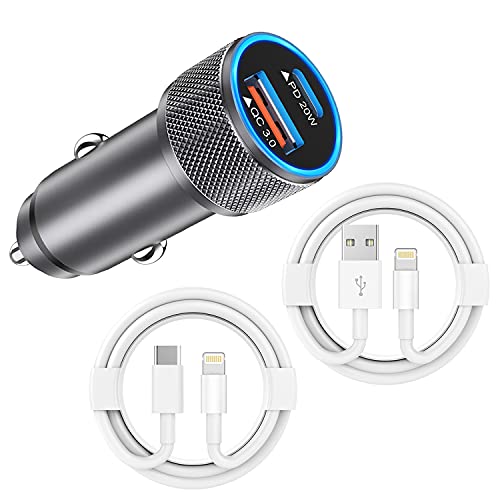 iPhone Car Charger,USB C Fast Car Charger[Apple MFi Certified] Apple Car Charging 38W Dual Port CarCharger Cigarette Lighter Adapter 2x3ft PD&QC 3.0 Lightning Cable for iPhone 14/13/12 Pro/11/Airpods
 JMI BASIC Pre-Taped Masking Film for Car Painting – 94" x 65' Painters Plastic Sheeting with Automotive Tape and Drape, Paint Plastic Covering Cars, Appliance, Windows and Furniture Protection (1)