Are Chinese Made Cars Sold In The USA? Here’S The Truth
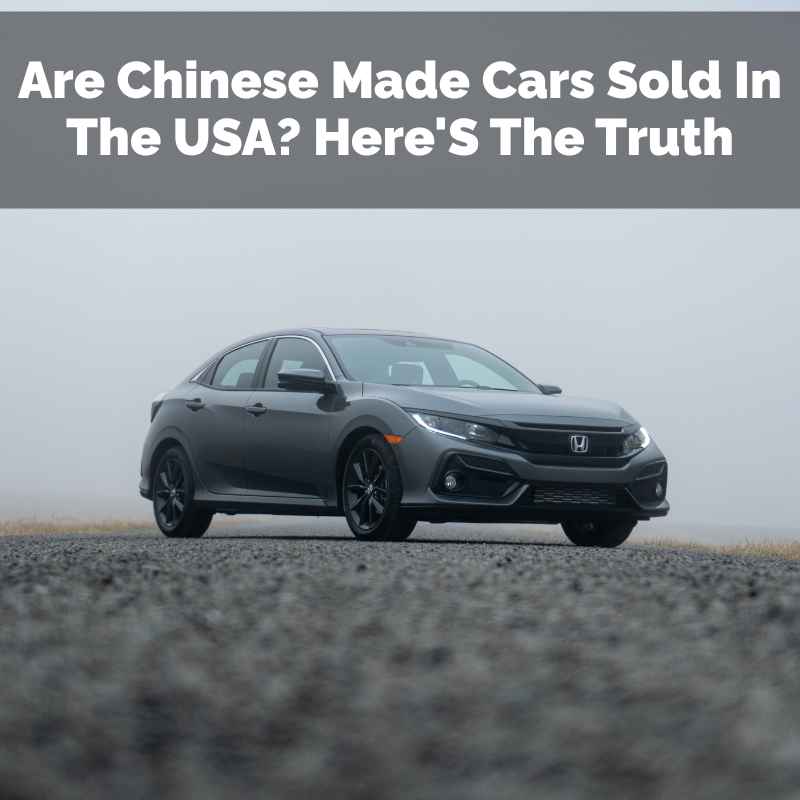
Currently, there are no new Chinese-made cars sold under their original Chinese brands directly in the U.S. market. However, many cars sold in the U.S. contain parts made in China. Also, some European and American brands that sell cars in the U.S. manufacture them in China for sale in other global markets.
Understanding the Global Car Market
The car industry is a huge global network. Factories and parts suppliers are all over the world. A car sold in America might have parts from many different countries. It’s not unusual for a car made by a U.S. company to have components from China. This is part of how companies keep costs down. It also helps them use specialized factories.
China has become a massive player in car manufacturing. They make a lot of cars for their own huge market. They also make cars for other countries. Some of these are under Chinese brands. Others are made for well-known foreign brands. This is a complex situation. It’s important to look at it closely.
Chinese Car Brands and the U.S. Market
For a long time, you haven’t been able to walk into a dealership in the U.S. and buy a brand-new car made by a Chinese brand. Think about brands like BYD, Geely, or Nio. These companies are huge in China. They make a lot of electric cars. But they haven’t directly sold their own car models here.
There are reasons for this. The U.S. market has strict rules. Safety standards are very high. Emission rules are also tough. Companies need to meet these. Building a brand from scratch in a new country takes a lot of time and money. It also needs a lot of trust from buyers.
Why the Slow Entry?
It’s not just about rules. It’s also about perception. For many years, “Made in China” often meant cheaper goods. While that’s changed a lot, some of that thinking can linger. Car buyers want reliability. They want safety. They want good service and parts. Building this reputation takes time.
When Chinese Parts Meet American Roads
Even if you don’t see a Chinese car brand on the lot, parts from China are likely in your car. This is very common. The automotive supply chain is global. Many car makers, including American ones, have factories in China. They use these factories to build cars for the Chinese market. They also use them to make parts.
These parts can be anything. They could be small electronic components. They could be pieces of the interior. They might even be larger engine parts. The parts are made to the specifications of the car maker. So, they should meet the same quality standards.
This is a smart way for car companies to work. It helps them manage costs. It also means they can tap into specialized manufacturing expertise in China. For consumers, it usually means a car that is still safe and reliable. The car brand is still responsible for the final product.
Parts From China in U.S. Cars
Key Takeaway: Many cars sold in the U.S., regardless of their brand, contain components manufactured in China.
- Electronics: Think about infotainment systems, sensors, and control modules.
- Interior Parts: Seat components, dashboard elements, and trim pieces can originate from China.
- Manufacturing Standards: Reputable car brands ensure parts meet their quality and safety requirements.
The Evolution of Chinese Automakers
Let’s talk about how things are changing. Chinese car companies have grown a lot. They are now making some of the most advanced electric vehicles (EVs) in the world. Companies like BYD are huge. They are the largest EV maker globally. They make batteries too.
These companies are starting to look at other markets. They want to sell cars outside of China. Europe is one place they are entering. Some brands are appearing on European roads. Volvo is owned by Geely. Polestar is also part of this group. These cars are designed for Western tastes and standards.
What About the USA Next?
The U.S. market is a big prize. It’s likely that Chinese brands will try to enter the U.S. market eventually. It’s not a matter of if, but when. They are learning from their experiences in other countries. They are improving their cars. They are building up their global brands.
When they do arrive, they might start with specific types of cars. EVs are a good bet. Many new Chinese brands focus on electric technology. This is a growing area in the U.S. too. They might also bring unique designs or features.
My Own Experience with Global Parts
I remember helping a friend pick out a new sedan a few years ago. We looked at a popular model from a well-known American brand. It was a great car. We were impressed by the tech inside. When we looked up the specs later, we noticed a lot of the electronic components were listed as made in China. At first, I thought, “Hmm, is that good or bad?”
But then I thought about it more. My own car, which I’d had for ages, was from a European brand. I knew some of its parts came from all over. The key thing for me, and for my friend, was the overall quality. The car drove well. It felt safe. The brand stood behind it with a good warranty. The origin of a single part didn’t seem to matter as much as how the whole thing was put together. It made me realize that the global nature of car making is just how things are now.
Potential for Chinese Brands in the U.S.
When we think about Chinese car brands entering the U.S., it’s easy to have questions. Will they be affordable? Will they be reliable? What about service and repairs? These are all fair concerns.
Some Chinese brands are already making moves. Polestar, which is linked to Volvo and Geely, is sold in the U.S. However, Polestar is positioned as a premium EV brand. It’s not a mass-market entry.
Other brands might come in differently. They might partner with existing companies. Or they might build their own networks. The U.S. has a lot of space. It has a large car-buying population. It’s a very attractive market for any car maker.
What to Expect from Future Entrants
If and when Chinese brands start selling their own car models directly here, they will likely focus on value. This could mean competitive pricing. It could also mean offering a lot of features for the money. Electric vehicles are a key area. Many Chinese companies are leaders in EV battery technology. This gives them an edge.
The challenge for them will be building trust. They will need to show that their cars meet U.S. safety standards. They will need to prove they can provide good customer service. Finding mechanics who can work on their cars will also be important.
Chinese Automakers: A Look Ahead
Potential U.S. Market Entry Factors:
- EV Focus: Many Chinese brands lead in electric vehicle technology.
- Pricing Strategy: Expect competitive pricing and feature-rich models.
- Brand Building: Establishing trust and service networks will be crucial.
- Partnerships: Collaboration with existing players might smooth the entry.
Navigating the Information Landscape
It’s easy to get confused about where cars are made. The way car companies market themselves can be tricky. They often talk about their heritage. They talk about where they are headquartered. But the actual manufacturing can be spread out.
For example, a car might be designed in Germany. It might have a name from an American company. But a specific model could be built in Mexico or China. This is all part of the modern car business.
When you’re looking for a new car, it’s good to do your homework. Look beyond just the brand name. Check where the specific model you are interested in is made. You can often find this information on the car’s window sticker. You can also find it on the manufacturer’s website.
My Own Curiosity About Car Origins
I remember a few years back, I saw a very stylish crossover SUV on the road. It had a unique look. I didn’t recognize the badge right away. I assumed it was a new model from a European luxury brand. I later looked it up and found out it was made by a Chinese company, but it was being sold in Europe under a different name.
This got me thinking about how brands and origins are presented. The car itself looked great. It seemed well-built. The fact that it was made by a Chinese company didn’t seem to affect its appeal. It made me realize that my own assumptions were perhaps a little dated. The quality of the car, and what it offered, was far more important than where its parent company was based. This experience really opened my eyes to the global nature of the industry.
What This Means for You as a Buyer
So, what does all of this mean for you if you’re looking to buy a car?
First, don’t rule out cars based on where parts are made. As we’ve seen, many cars have parts from China. The overall safety and quality of the car are managed by the brand selling it.
Second, be aware that Chinese brands might enter the U.S. market more directly in the future. Keep an open mind. Research any new brands that appear. Look at reviews. See how they perform in tests. Check out their safety ratings.
Third, consider the entire package. Think about the price. Think about the features. Think about the warranty. Think about the availability of service and parts in your area. These are all important factors for any car purchase.
When It’s Normal
It is completely normal for cars sold in the U.S. to contain parts made in China. It’s also normal for many major car brands to have manufacturing plants or partnerships in China. This is how the global auto industry works today. It allows for cost efficiencies and access to specialized production.
When to Maybe Look Closer
You might want to look closer if you are considering buying a car from a brand that is brand new to the U.S. market. Do your research thoroughly. Check independent reviews. Look for information on their service network. While many new brands are great, it’s wise to be informed.
Quick Tips for Car Shopping
Here are some simple steps to keep in mind when you’re looking for your next car:
Research the Brand: Know who makes the car. Understand their history and reputation.
Check the Model’s Origin: See where the specific car model is manufactured. This is usually on the window sticker.
Read Reviews: Look for reviews from trusted automotive sources. Pay attention to reliability and safety.
Test Drive Thoroughly: How the car feels and performs is most important.
Understand the Warranty: A good warranty offers peace of mind.
Check Service Availability: Make sure you can get your car serviced easily in your area.
Quick Scan: Your Car Shopping Checklist
| Factor | What to Consider |
| Brand Reputation | Established or New? What’s their history? |
| Manufacturing Location | Where is the model you like built? |
| Independent Reviews | Safety ratings, reliability scores, owner feedback. |
| Warranty & Service | Coverage details, dealer/service center availability. |

Frequently Asked Questions
Are any Chinese car brands currently sold in the USA?
As of now, no new cars from purely Chinese brands are being sold directly to consumers in the U.S. showrooms under their original Chinese brand names. However, this landscape is evolving.
Do U.S. car brands use parts made in China?
Yes, absolutely. It is very common for cars sold in the U.S., including those from American brands, to contain various components manufactured in China. This is part of globalized automotive manufacturing.
Are Chinese electric cars coming to the U.S. market?
Many experts believe it’s only a matter of time before major Chinese electric vehicle brands enter the U.S. market. They are already making significant strides in Europe and other regions.
What are the safety standards for cars sold in the U.S.?
The U.S. has very strict safety standards set by agencies like the National Highway Traffic Safety Administration (NHTSA). Any car sold here must meet these rigorous requirements.
How can I find out where my car’s parts come from?
While it can be difficult to trace every single part, the vehicle’s window sticker (Monroney label) often lists the percentage of parts from North America and the final assembly location. Manufacturers’ websites may also provide some details.
Is a car with Chinese parts less safe?
No, not necessarily. Car manufacturers are responsible for the overall safety of their vehicles. They set the standards for all parts, regardless of where they are made.
Safety testing is extensive for any car sold in the U.S.
Final Thoughts on Global Cars
The world of cars is always changing. What seemed unusual years ago is common now. Chinese car companies have become major global players. They are making advanced and desirable vehicles. While you can’t buy a new car from a Chinese brand directly in the U.S. yet, parts from China are in many cars you see on the road. Keep an eye on the market. Future options might surprise you, and they could offer great value and technology.
Products related to this article
Sponsored / affiliate links. As an Amazon Associate I earn from qualifying purchases. I may earn additional commission from eligible campaigns.