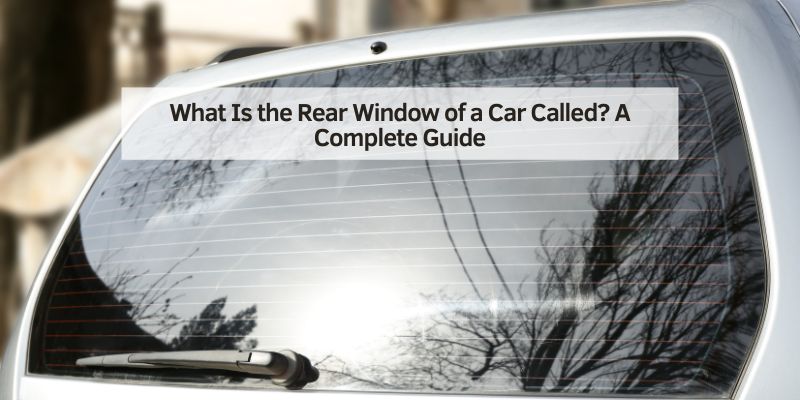
What Is the Rear Window of a Car Called? A Complete Guide
Hey there! I’m thrilled you’re curious about something that seems so everyday but sparks so many questions: What is the rear window of a car called? A while back, I was chatting with a friend about fixing my old pickup truck, and we got hung up on what to call that back glass. Was it a windshield? A back window? I dove into car manuals, talked to mechanics, and even poked around at an auto shop to figure it out.
Let me tell you, it’s a fun topic with some cool car lingo to learn! Let’s sit down together, and I’ll walk you through everything I’ve discovered about the rear window of a car, its names, and why it matters. I’ll keep it simple and friendly, like we’re swapping stories over a soda. By the end, you’ll know all about this part of your car and maybe even impress your gearhead friends. Ready? Let’s roll!
What’s the Rear Window of a Car?
So, what do we call that window at the back of a car? When I first looked into this, I found it has a few names depending on the vehicle. For most cars, it’s called the rear window. That’s what I call the flat glass at the back of my sedan. It’s the one you look through when you’re backing up or checking your rearview mirror.
But here’s where it gets interesting. In some cars, like hatchbacks or SUVs, it’s often called a rear windshield or backlite. My friend’s SUV has a rear windshield that lifts with the hatch. For pickup trucks like mine, it’s sometimes just a back window or rear glass. The name depends on the car’s design and what the manufacturer calls it. I checked my truck’s manual, and it said “rear window,” so that’s what I use. No matter the name, it’s the glass that gives you a view behind you.
Why Does the Rear Window Have Different Names?
I was curious why the same part has so many names. It turns out it’s all about car design and history. When I talked to a mechanic, he explained that carmakers use terms based on the vehicle’s body style. Sedans, with their fixed rear windows, usually stick with “rear window.” I noticed my sedan’s window is flat and doesn’t open, so the term fits.
Hatchbacks, SUVs, and minivans often have a “rear windshield” because it’s part of a movable hatch, like a windshield that lifts. My friend’s SUV has a wiper on its rear windshield, which made me think of it as more like the front one. “Backlite” is a fancy term used in the auto industry, especially for modern glass with built-in features like defrosters. I saw “backlit” in a repair manual, and it sounded high-tech. The different names reflect how the window functions and where it’s placed in the car.
What’s the Purpose of the Rear Window?
I never thought much about why the rear window is there until I started digging. It’s not just for looks—it’s a key safety feature. The rear window lets me see what’s behind me when I back up. I rely on it in parking lots to spot cars or carts. It also works with my rearview mirror to keep an eye on traffic.
In SUVs and hatchbacks, the rear windshield is even more useful because it’s part of the cargo door. I helped my friend load furniture into her SUV, and the lifting rear windshield made it easy. The window also lets light into the car, making the back seat feel less cramped. I noticed my sedan feels brighter with a big rear window. Plus, it keeps weather out—rain, snow, dust—while protecting the inside of the car. It’s a hardworking part I took for granted!
How Is the Rear Window Made?
I’m a bit of a nerd about how car parts are made, so I looked into rear windows. They’re not just regular glass—they’re built for safety. My mechanic showed me a cracked rear window on a car at his shop. It was made of tempered glass, which is super strong and breaks into small, dull pieces instead of sharp shards. That’s why my truck’s rear window didn’t cut anyone when it got a chip.
Some cars, especially luxury ones, use laminated glass for the rear window. It’s two layers with a plastic film in between, like a front windshield. I saw this on a fancy SUV, and it’s tougher to break. Rear windows are curved to fit the car’s shape and often have tint to block UV rays. My sedan’s rear window is tinted, which keeps it cooler inside. The glass is also sealed with rubber or urethane to stay water-tight. Knowing this made me appreciate how much engineering goes into that one piece of glass.
Features of the Rear Window
Rear windows aren’t just plain glass—they’ve got some cool features. When I got my truck, I noticed the rear window had extras that made driving easier. Here’s what I found:
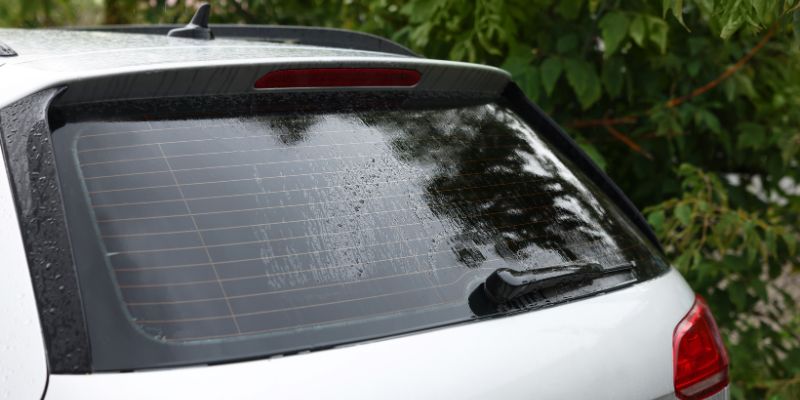
- Defroster: My rear window has thin wires embedded in it to melt ice or clear fog. I use it all the time in Ohio winters.
- Wiper: SUVs and hatchbacks often have a rear wiper to clear rain or snow. My friend’s SUV wiper saved us in a storm.
- Tint: Most rear windows are tinted for privacy and heat reduction. My sedan’s tint hides my groceries from prying eyes.
- Antenna: Some cars have radio or GPS antennas printed on the rear window. I spotted this on a minivan at the shop.
- Sliding Window: My truck has a sliding rear window for ventilation. I open it on nice days to let air flow through.
These features make the rear window more than just a view—it’s a practical part of the car.
Types of Rear Windows by Vehicle
I noticed not all rear windows are the same across cars. The design changes with the vehicle’s style. Here’s what I learned about different types:
- Sedan Rear Window: Fixed, flat, or slightly curved. My sedans is simple and doesn’t open.
- Hatchback/SUV Rear Windshield: Larger, often part of a liftgate. My friend’s SUV has a big one that lifts up.
- Pickup Truck Back Window: Can be fixed or sliding. My truck’s sliding window is great for fresh air.
- Minivan Rear Glass: Wide and tinted, usually with a wiper. I saw one on a family van at the grocery store.
- Convertible Rear Window: Often plastic or small glass in the soft top. My neighbor’s convertible has a clear plastic one.
Each type suits the car’s purpose, like cargo access for SUVs or ventilation for trucks. It’s cool how the rear window adapts to the vehicle.
How Are Rear Windows Installed?
I got curious about how rear windows get put in cars. When my truck’s rear window got chipped, I watched the repair guy replace it. He said rear windows are glued in with strong adhesive, like urethane, to keep them secure. The glass is carefully aligned to fit the car’s frame, and rubber seals prevent leaks.
For SUVs, the rear windshield is part of the hatch, so it’s bolted or hinged. I saw this on my friend’s SUV—the whole hatch lifts, window and all. Installation takes a pro because the glass is heavy and needs to be perfect to avoid cracks. My replacement cost $400, including labor, but it was worth it for safety. If you ever need one replaced, go to a trusted auto glass shop.
Common Problems with Rear Windows
Rear windows are tough, but they’re not perfect. I ran into a few issues with mine, and here’s what I learned:
- Cracks or Chips: Rocks or accidents can damage the glass. My truck’s chip spread into a crack, so I had to replace it.
- Defroster Failure: The wires can break, leaving foggy spots. I fixed mine with a $15 repair kit.
- Leaking Seals: Worn seals let water in. I noticed a drip in my trunk and resealed it with silicone.
- Wiper Issues: Rear wipers can jam or wear out. My friend’s SUV’s wiper motor died, costing $200 to fix.
- Tint Peeling: Cheap tint can bubble or fade. My sedan’s tint is holding up, but I’ve seen peeling on older cars.
Regular checks can catch these early. I inspect my rear window monthly to avoid big repairs.
Table: Rear Window Features by Vehicle Type
Here’s a table I made to compare rear windows across vehicles:
| Vehicle Type | Window Name | Features | Common Issues |
|---|---|---|---|
| Sedan | Rear Window | Tint, defroster | Cracks, defroster failure |
| SUV/Hatchback | Rear Windshield | Wiper, liftgate, tint | Wiper issues, seal leaks |
| Pickup Truck | Back Window | Sliding option, defroster | Chips, sliding mechanism jam |
| Minivan | Rear Glass | Wiper, tint, antenna | Wiper motor, tint peeling |
| Convertible | Rear Window | Plastic or glass, small size | Tears in plastic, fading |
This helped me understand why my truck’s window is different from my friend’s SUV.
How to Maintain Your Rear Window
I learned that keeping the rear window in good shape is easy with a little care. Here’s what I do:
- Clean Regularly: I wash my rear window with glass cleaner weekly to remove dirt. It keeps the view clear.
- Check Defroster: I test the defroster every fall to make sure it works for winter.
- Inspect Seals: I look for worn rubber seals and apply silicone if needed. It prevents leaks.
- Fix Chips Fast: Small chips can spread, so I get them repaired right away. My chip fix was $50.
- Replace Wiper Blades: If your car has a rear wiper, swap the blade yearly. I spent $10 on a new one.
These steps keep my rear window functional and looking sharp.
Rear Window vs. Front Windshield
I wondered how the rear window compares to the front windshield. They’re similar but have key differences. Front windshields are always laminated for safety, while rear windows are usually tempered. My sedan’s front windshield is thicker to handle impacts. Rear windows often have tint and defrosters, while front windshields avoid heavy tint for visibility.
The front windshield is bigger and more curved, making it pricier to replace—$600 for my sedan versus $400 for the rear. Both are critical for safety, but the rear window is more about convenience and cargo access in some cars. Knowing this helped me appreciate both parts.

Aftermarket Rear Windows and Modifications
I’ve seen cars with custom rear windows, so I looked into modifications. Aftermarket rear windows can replace damaged ones or add style. I found a tinted rear window for my truck that was darker than stock. It cost $300 and looked sleek, but it stayed legal.
Some folks add louvers—slatted covers—for a retro look. I saw a Mustang with louvers, and it was cool, but blocked some view. Others install power sliding windows in trucks for ventilation. Modifications are fun, but check local tint laws to avoid tickets. I stuck with a stock replacement to keep things simple.
Safety and Legal Considerations
Rear windows play a big role in safety, so there are rules to follow. In the U.S., rear windows must be made of safety glass—tempered or laminated—to prevent injury. My truck’s tempered glass broke safely when replaced. Tint is regulated, too. In Ohio, rear windows can be dark, but I checked the VLT (Visible Light Transmission) to stay legal.
If your car has no side mirrors, the rear window must be clear for visibility. I always keep my rear window clean to avoid tickets. Defrosters are required in some states for winter driving. I learned these laws after a cop warned me about a foggy rear window. Safety first keeps you on the road.
Why the Rear Window Matters
The rear window isn’t just a piece of glass—it’s a key part of driving. It keeps me safe when I back up, lets light in, and protects my cargo. I love the sliding window in my truck for fresh air on road trips. After learning about its features and care, I respect it more. It’s a small part with a big job, and I’m glad I figured it out.
Wrapping It Up
So, what is the rear window of a car called? It’s a rear window, rear windshield, or backlite, depending on your car’s style. I went from clueless about my truck’s back glass to fascinated by its design and purpose. Whether it’s the defroster on my sedan, the wiper on an SUV, or the sliding window in my truck, the rear window does more than you’d think. Keep it clean, fix chips fast, and check those laws to stay safe and legal. Your car’s rear window is a little hero, making every drive safer and comfier. So, grab some glass cleaner, give it a shine, and enjoy the view behind you. Thanks for diving into this with me—here’s to clear roads and clear windows!
FAQs
What’s the difference between a rear window and a rear windshield?
A rear window is usually fixed, like in sedans. A rear windshield is part of a liftgate, like in SUVs. My sedan has a rear window, but my friend’s SUV has a rear windshield.
Can I replace my rear window myself?
It’s tough and risky. I watched a pro replace my truck’s rear window with special tools. It’s safer to hire an auto glass shop for $300-$500.
Why does my rear window have wires in it?
Those are defroster wires to melt ice or clear fog. I use mine in Ohio winters, and it’s a lifesaver for visibility.
Is it legal to tint my rear window?
Yes, but it depends on your state. In Ohio, rear windows can be dark if you have side mirrors. I checked local laws to avoid a ticket.
What should I do if my rear window cracks?
Get it fixed fast to avoid spreading. I paid $50 for a chip repair, but my crack needed a $400 replacement. Call a pro right away.