What Is Vapor Lock on a Car?
Hey there, car enthusiasts! If you’ve ever been cruising down the road on a scorching summer day, only to have your car sputter or stall out of nowhere, you might have encountered a sneaky issue called vapor lock. It’s one of those frustrating problems that can leave you scratching your head, especially if you’re not sure what’s going on under the hood. I’ve spent plenty of time tinkering with cars and researching this topic, and I’m excited to share everything I’ve learned about vapor lock with you. Whether you’re a gearhead or just someone who wants to keep their car running smoothly, this article will break down what vapor lock is, why it happens, and how you can deal with it. Let’s dive in and get to the bottom of this pesky problem!
Understanding Vapor Lock
So, what exactly is vapor lock? Picture this: your car’s engine is running, and everything seems fine until the fuel in your system decides to throw a tantrum. Vapor lock happens when the liquid fuel in your car’s fuel system turns into a gas (or vapor) before it reaches the engine. Normally, fuel needs to stay in liquid form to flow properly through the fuel lines and into the combustion chamber. When it vaporizes too early, it creates air bubbles or pockets of gas that block the flow of liquid fuel. This starves the engine of the fuel it needs to run, causing it to misfire, hesitate, or even stall completely.
I first heard about vapor lock years ago when my old pickup truck started acting up during a road trip in the middle of a heatwave. The engine would sputter, lose power, and sometimes just quit. After some digging, I learned that the extreme heat was turning the fuel in the lines into vapor, messing with the engine’s ability to get fuel. It’s like trying to drink a milkshake through a straw with air bubbles clogging it up—no matter how hard you suck, you’re not getting much!
Vapor lock is more common in older cars, especially those with carburetors, but it can still happen in modern vehicles under certain conditions. It’s not something you’ll deal with every day, but when it strikes, it can be a real headache.
What Causes Vapor Lock?
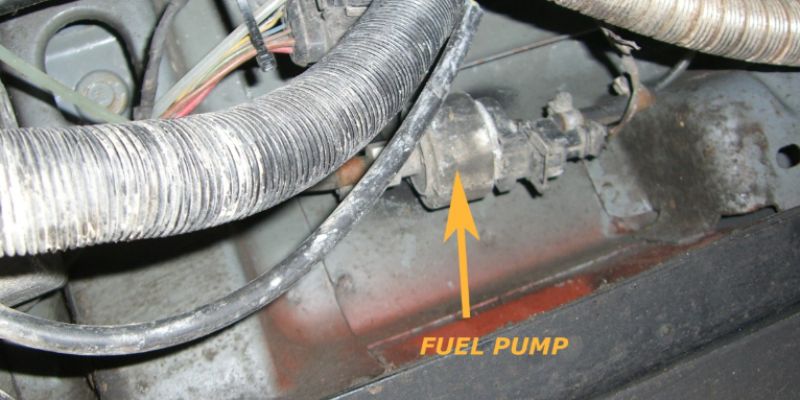
Now that we know what vapor lock is, let’s talk about why it happens. The main culprit is heat—lots of it. When the temperature under the hood gets too high, it can cause the fuel in the lines or fuel pump to heat up past its boiling point. This is more likely to happen in hot weather, especially if you’re stuck in traffic or driving in a place like Arizona or Texas where summer temps can soar.
Here’s a quick rundown of the factors that can lead to vapor lock:
- High Temperatures: Hot weather or a scorching engine compartment can heat the fuel lines, especially if they’re close to the engine or exhaust system.
- Low Fuel Pressure: Older fuel systems, like those in carbureted engines, often have lower fuel pressure, which makes it easier for fuel to vaporize.
- Poor Insulation: If the fuel lines aren’t properly insulated or routed away from hot engine parts, the fuel inside can heat up quickly.
- Fuel Type: Some fuels, like gasoline with a low boiling point or high ethanol content, are more prone to vaporizing in hot conditions.
- Heavy Engine Load: Driving uphill, towing a trailer, or pushing your car hard can make the engine hotter, increasing the risk of vapor lock.
I remember one summer when I was towing a small trailer with my old Chevy. The engine was working hard, and the outside temperature was pushing 100°F. Sure enough, the truck started stuttering halfway up a hill. That’s when I realized the heat was cooking the fuel in the lines, causing a classic case of vapor lock.
Symptoms of Vapor Lock
How do you know if vapor lock is the problem? The symptoms can be tricky because they’re similar to other car issues, like a clogged fuel filter or a failing fuel pump. But there are some telltale signs to watch for. Here’s what I’ve noticed when vapor lock strikes:
- Engine Hesitation or Stumbling: The engine might feel like it’s choking or struggling to keep running, especially when you press the gas.
- Hard Starting: After your car stalls, it might be tough to get it going again until things cool down.
- Complete Stalling: In severe cases, the engine just quits, leaving you stranded until the fuel system cools off.
- Sputtering Under Load: If you’re accelerating or climbing a hill, the engine might sputter or lose power.
- Fuel Pump Noise: Sometimes, you’ll hear a strange whining or ticking from the fuel pump as it struggles to move vapor instead of liquid fuel.
One time, I was stuck in traffic on a hot day, and my car started acting like it was running out of gas, even though the tank was half full. It would sputter, then pick up again, only to stall a few minutes later. After pulling over and letting the engine cool for a bit, it started right up. That’s when I knew vapor lock was the likely culprit.
How Vapor Lock Affects Your Car’s Performance
When vapor lock happens, it’s like your engine is trying to run on fumes—literally. The air bubbles in the fuel lines stop the steady flow of liquid fuel, which your engine needs to burn efficiently. This can lead to a chain reaction of problems. The engine might misfire because it’s not getting enough fuel, which can cause rough idling or a loss of power. In some cases, the lack of fuel can even make the engine overheat, as it’s working harder to compensate for the poor fuel delivery.
I’ve seen vapor lock turn a smooth-running car into a jerky, unreliable mess. It’s not just annoying—it can be dangerous if your car stalls in the middle of a busy road. Plus, if you keep trying to restart the engine while it’s struggling with vapor lock, you could put extra strain on the fuel pump or other components.
How to Diagnose Vapor Lock
Diagnosing vapor lock can be a bit like playing detective. Since the symptoms mimic other issues, you need to rule out a few things first. Here’s how I approach it when I suspect vapor lock:
- Check the Conditions: Is it a hot day? Have you been driving in stop-and-go traffic or pushing the engine hard? Vapor lock is more likely in these scenarios.
- Inspect the Fuel System: Look at the fuel lines and pump. Are they close to hot engine parts? Feel the lines (carefully!) to see if they’re unusually hot.
- Test After Cooling: If the car stalls but starts up fine after sitting for 20-30 minutes, that’s a strong clue it’s vapor lock. The cooling time allows the fuel to return to liquid form.
- Listen for Fuel Pump Issues: A struggling fuel pump might make odd noises if it’s trying to push vapor instead of liquid.
- Rule Out Other Problems: Make sure it’s not a bad fuel pump, clogged filter, or ignition issue before settling on vapor lock.
I once had a buddy who thought his fuel pump was shot because his car kept stalling. After some troubleshooting, we realized it only happened on hot days when he was stuck in traffic. A quick check of the fuel lines showed they were running too close to the exhaust manifold. Yep, vapor lock was the problem!
Preventing Vapor Lock
The good news? You can take steps to prevent vapor lock from ruining your drive. Over the years, I’ve picked up a few tricks that work well, especially for older cars that are more prone to this issue. Here’s what you can do:
- Insulate Fuel Lines: Wrap your fuel lines with heat-resistant insulation sleeves to keep them cooler. This is a cheap and effective fix.
- Reroute Fuel Lines: If possible, move the fuel lines away from hot spots like the exhaust system or engine block.
- Use a Fuel Pump with Higher Pressure: Modern electric fuel pumps with higher pressure can help keep fuel in liquid form.
- Choose the Right Fuel: In hot climates, use fuel with a higher boiling point or lower ethanol content to reduce the chance of vaporization.
- Keep Your Tank Full: A fuller fuel tank means less air in the system, which can help prevent vapor lock.
- Add a Heat Shield: Installing a heat shield between the fuel lines and hot engine parts can make a big difference.
I started using insulated fuel lines on my old Mustang after dealing with vapor lock one too many times. It wasn’t a huge project, but it made a world of difference during those blistering summer drives.
Fixing Vapor Lock When It Happens
If vapor lock strikes while you’re on the road, don’t panic. There are a few things you can do to get moving again. Here’s what I’ve done in the past when my car started acting up:
- Pull Over Safely: If your car stalls or sputters, find a safe spot to pull over and let the engine cool down for 20-30 minutes.
- Cool the Fuel Lines: If you’re in a pinch, you can carefully pour cool water over the fuel lines or pump to lower their temperature. Just be cautious not to get water on hot engine parts.
- Open the Hood: Popping the hood can help release some of the heat trapped in the engine compartment.
- Check Fuel Levels: Make sure your tank isn’t running low, as this can make vapor lock worse.
One time, I was stuck on a rural road with vapor lock, and I didn’t have any water to cool the fuel lines. I opened the hood, grabbed a soda from my cooler, and used that to cool things down. It wasn’t ideal, but it got me back on the road!
Vapor Lock in Modern Cars
You might be wondering if vapor lock is still a problem with today’s cars. Modern vehicles with fuel injection systems are much less likely to suffer from vapor lock than older carbureted cars. Fuel injection systems operate at higher pressures, which makes it harder for fuel to vaporize. Plus, modern fuel pumps are often submerged in the fuel tank, keeping them cooler.
That said, vapor lock can still happen in newer cars under extreme conditions, like towing heavy loads in hot weather or using low-quality fuel. I’ve heard of a few cases where modified cars with aftermarket fuel systems ran into vapor lock because the lines weren’t properly insulated. So, while it’s rare, it’s not impossible.
Comparing Vapor Lock to Other Fuel System Issues
To help you understand how vapor lock stacks up against other common fuel system problems, here’s a quick comparison table I put together based on my experience:
| Issue | Symptoms | Common Causes | Fix |
|---|---|---|---|
| Vapor Lock | Sputtering, stalling, hard starting | High heat, low fuel pressure | Cool fuel lines, insulate lines |
| Clogged Fuel Filter | Loss of power, rough idling | Dirt or debris in filter | Replace fuel filter |
| Failing Fuel Pump | Whining noise, no start | Worn pump, electrical issues | Replace fuel pump |
| Bad Fuel Injector | Misfiring, poor acceleration | Clogged or faulty injector | Clean or replace injector |
This table can help you narrow down the issue if your car starts acting up. When in doubt, a good mechanic can run diagnostics to confirm the problem.
My Personal Experience with Vapor Lock
I’ll never forget the first time I dealt with vapor lock. It was a sweltering July day, and I was driving my 1980s pickup across the state. The truck started losing power, and I thought I’d run out of gas, even though the gauge showed plenty. After pulling over and letting it sit for a while, it fired right back up. That’s when a mechanic friend explained vapor lock to me. Since then, I’ve made it a point to keep my fuel lines insulated and avoid low fuel levels on hot days. It’s saved me from a lot of headaches!
Conclusion
Vapor lock might sound like a relic from the past, but it’s still a real issue that can catch you off guard, especially if you drive an older car or live in a hot climate. Understanding what causes it, how to spot it, and what you can do to prevent or fix it can make all the difference. From insulating fuel lines to choosing the right fuel, a little preparation goes a long way. I’ve learned through trial and error that keeping an eye on your car’s fuel system and staying proactive can keep vapor lock at bay. So, next time you’re planning a summer road trip, take a moment to check your fuel lines and keep your tank topped off. Your car will thank you, and you’ll enjoy a smoother, worry-free ride!
FAQs
What is vapor lock in simple terms?
Vapor lock is when the fuel in your car’s fuel lines turns into a gas because of heat, creating bubbles that block the flow of liquid fuel to the engine. This can make your car sputter or stall.
Can vapor lock damage my engine?
Vapor lock itself won’t directly damage your engine, but it can cause stalling or misfiring, which might strain components like the fuel pump if you keep trying to restart the car.
How can I tell if it’s vapor lock or a bad fuel pump?
Vapor lock usually happens in hot weather and goes away after the car cools down. A bad fuel pump often causes consistent issues, like whining noises or no-start conditions, regardless of temperature.
Is vapor lock common in modern cars?
It’s rare in modern cars with fuel injection systems, but it can still happen in extreme heat or with modified fuel systems that aren’t properly insulated.
Can I drive my car if it has vapor lock?
It’s best to pull over and let the engine cool if you suspect vapor lock. Driving while the engine is struggling can make the problem worse or leave you stranded.
What type of fuel is best to avoid vapor lock?
Fuels with a higher boiling point or lower ethanol content are less likely to vaporize in hot conditions. Check with your local gas station for options suited to hot climates.