Where Are Lotus Cars Made? Hethel, England & Geely’s China Plant
Lotus cars are made in Hethel, Norfolk, England — the brand’s home since 1966, where petrol and hybrid sports cars like the Emira are built. Lotus is majority-owned by Chinese automaker Geely, which bought a 51% stake in 2017, and Geely also operates a second Lotus factory in Wuhan, China, producing the electric Eletre SUV and Emeya sedan.
Quick Answer: Lotus cars are made in two places: Hethel, England (sports cars like the Emira, Elise, Exige, Evora) and Wuhan, China (electric models like the Eletre and Emeya). Lotus is owned by Chinese automaker Geely, which took a 51% controlling stake in 2017.
Who Makes Lotus Cars? (Ownership Explained)
Lotus Cars was founded in the UK in 1952 by Colin Chapman, but the company itself is now majority-owned by Geely, the Chinese automotive group that also owns Volvo and Polestar. Geely purchased a 51% controlling stake in Lotus in 2017 from Malaysian carmaker Proton, and has since invested billions of dollars into new electric platforms and the Wuhan factory. Lotus still designs and engineers its cars in England, but Geely’s ownership and capital are what funded the brand’s recent expansion into electric SUVs and sedans.
For a deeper breakdown of exactly how manufacturing is split between the UK and China, see our full guide: Where Are Lotus Cars Manufactured? The Full Story.
History of Lotus Cars
Lotus Cars was founded in 1952 by Colin Chapman, starting as a small workshop focused on lightweight, agile sports cars. The first model, the Lotus Mark I, set the tone for everything that followed. In the 1960s, the Lotus 25 dominated Formula 1 racing, and the 1970s brought the iconic Lotus Esprit. Despite challenges in the 1980s, Lotus kept innovating, and the 1990s introduced the Elise — one of the best-selling models in the company’s history. Today, Lotus continues building sports cars while also entering the electric vehicle market.
Original Manufacturing Locations
Lotus didn’t start in Hethel. The company’s first workshop was in Hornsey, North London, where the earliest Lotus cars were hand-built. As demand grew, production moved to a larger site in Cheshunt before finally settling in Hethel, Norfolk, in 1966 — a former WWII airfield that remains the company’s spiritual home and main UK factory to this day. Legends like the Lotus Elise and Exige were built here.
Modern Production: Hethel, England vs. Wuhan, China
| Factory | What’s Built There | Powertrain |
|---|---|---|
| Hethel, Norfolk, England | Emira (and previously Elise, Exige, Evora) | Petrol / hybrid |
| Wuhan, China | Eletre (SUV), Emeya (sedan) | Fully electric |
The Wuhan plant, funded by Geely, has a production capacity of roughly 150,000 vehicles a year and builds Lotus’s newest electric models for global export, including to the US and Europe. Hethel remains dedicated to Lotus’s traditional lightweight sports cars.
2026 Update: Is Lotus Closing Hethel?
As of 2026, Geely has ordered a strategic review of the Hethel factory as part of a push to get Lotus to break even. The review is examining ways to boost sales of the current lineup, whether a hybrid or fully electric model should eventually replace the Emira, and — in a worst-case scenario reported by UK outlets — whether the historic Hethel site could ultimately close. No final decision had been announced as of this writing, but the review underscores how central Geely’s ownership now is to Lotus’s manufacturing future.
Key Models and Where They’re Made
- Lotus Elan & Lotus Esprit — classic models built in Hethel, England (1960s-1970s)
- Lotus Elise, Exige, Evora — built in Hethel, England
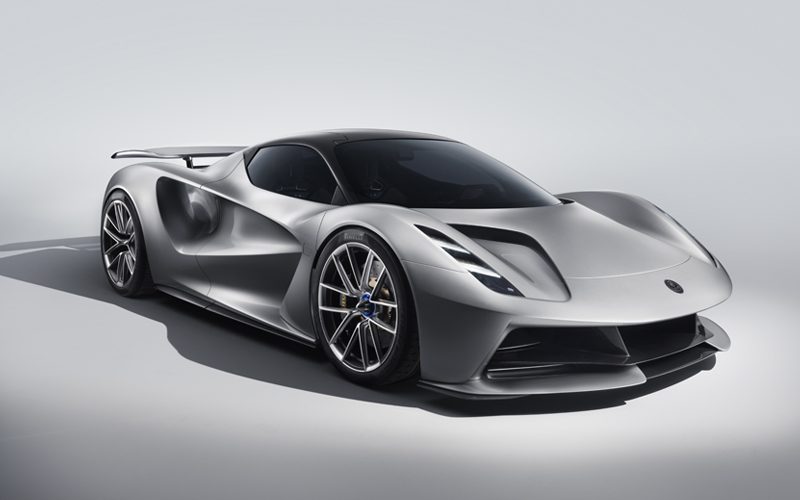
- Lotus Emira — Lotus’s current sports car, built in Hethel, England
- Lotus Eletre (electric SUV) & Emeya (electric sedan) — built in Wuhan, China
Engineering and Sustainability
Lotus’s engineering philosophy, summed up by Colin Chapman’s famous mantra “simplify, then add lightness,” still guides how cars are built at Hethel: lightweight materials, aerodynamic focus, and high-performance engines tuned for control rather than raw power alone. On the sustainability side, Geely’s investment has pushed Lotus toward electrification (the Eletre and Emeya) and more energy-efficient manufacturing processes across both factories.
Lotus in Motorsports
Lotus has a storied Formula 1 history, with multiple constructors’ and drivers’ championships won using lightweight, innovative chassis designs. That racing DNA directly shaped the road cars: every production Lotus, from the Elise to the Emira, is built around the same lightweight-first philosophy that made its race cars competitive.
Bring Home a Piece of Lotus History
Not ready for a real Lotus? These officially-licensed diecast models let any car enthusiast own a piece of the brand.
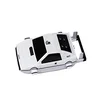
- Best for: collectors and Lotus/James Bond fans
- Why we picked it: a faithful replica of Lotus’s most famous movie car, officially licensed
- Main drawback: display piece only, not designed for kids’ play
 Hot Wheels Lotus Emira The current-generation Hethel-built sports car Check on Amazon |
 KiNSMART Lotus Exige S A classic Hethel-built lightweight sports car Check on Amazon |
 Matchbox Lotus Evora Lotus’s grand tourer, built in Hethel Check on Amazon |
Frequently Asked Questions
Where are Lotus cars manufactured?
Lotus cars are manufactured in Hethel, England (sports cars, the main factory since 1966) and Wuhan, China (electric models, opened under Geely’s ownership).
Are Lotus cars made in the UK?
Yes. Lotus’s traditional petrol and hybrid sports cars, including the current Emira, are built in Hethel, Norfolk, England. Only the newer electric Eletre and Emeya are built in China.
Who owns Lotus Cars?
Lotus is majority-owned by Geely, the Chinese automotive group, which purchased a 51% controlling stake in 2017. Geely also owns Volvo and Polestar.
Is Hethel the only Lotus factory?
No. While Hethel has been the primary and historic site since 1966, Lotus now also manufactures electric vehicles at a Geely-funded factory in Wuhan, China, with a capacity of about 150,000 vehicles a year.
Lotus cars are still built with the same lightweight, driver-focused philosophy Colin Chapman established in 1952 — but the company itself has changed. Geely’s ownership since 2017 funded a second factory in Wuhan, China, and a 2026 strategic review is now deciding what comes next for the historic Hethel plant.
Products related to this article
Sponsored / affiliate links. As an Amazon Associate I earn from qualifying purchases. I may earn additional commission from eligible campaigns.