What Psi Is Safe For Washing Cars Without Damage?
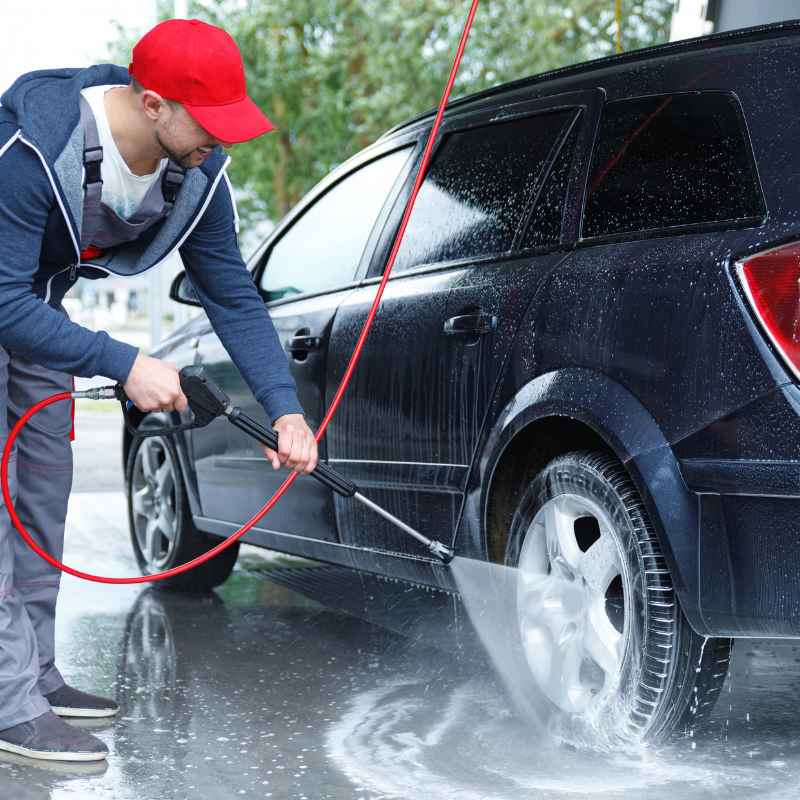
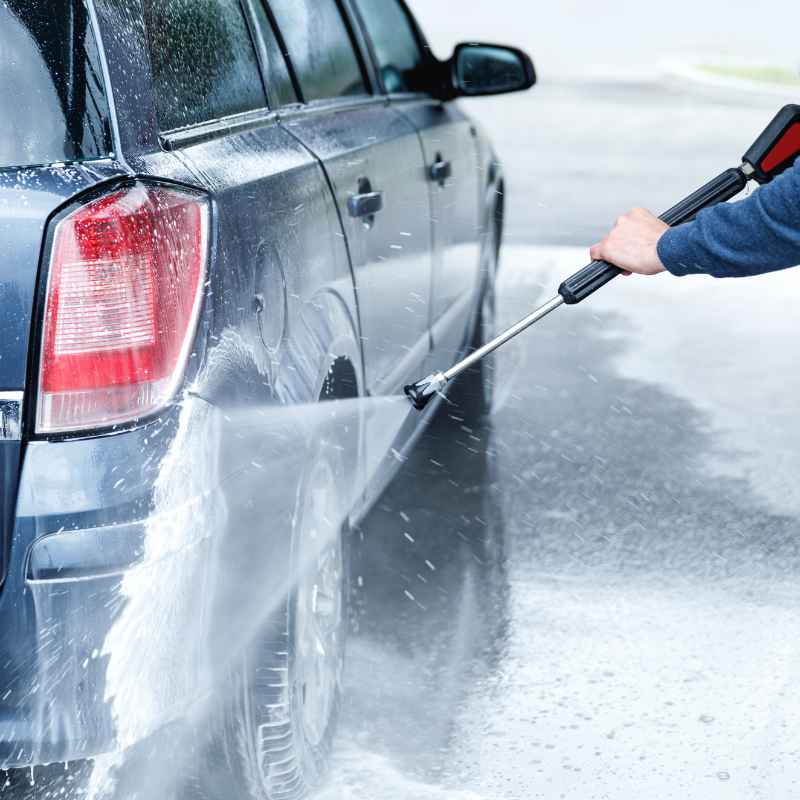
The safe PSI for washing cars is typically between 1200 and 1900 PSI. It’s best to use a wider spray nozzle, like 40 degrees or more. Keep the nozzle at least 12 inches away from the car’s surface.
Always test on a less visible area first.
Understanding PSI and Your Car’s Paint
PSI stands for pounds per square inch. It’s a measure of pressure. Think of it like how hard the water is pushing.
A pressure washer blasts water out with great force. This force can be useful. It can blast away tough dirt, mud, and grime.
But it can also be too much for your car.
Your car’s paint is tough, but it has limits. The clear coat on top is strong. It protects the color underneath.
But very high pressure can lift or chip this coat. It can also damage seals around windows and doors. Small stones or grit stuck in the paint can also be forced into the surface at high pressure.
This can cause scratches.
Why People Use Pressure Washers for Cars
Many folks turn to pressure washers for car cleaning. They’ve seen the results. They want that deep clean.
Dirt builds up. It’s not just on the surface. It gets into nooks and crannies.
Think wheel wells. Think undercarriage. A regular hose might not reach these spots well.
A pressure washer can send water into these tight areas.
It’s also about speed. Washing a car by hand takes time. Using a pressure washer can cut down that time.
You might think, “If it cleans so well and so fast, why not use the highest setting?” That’s where the risk comes in. It’s a balancing act. You want power, but you don’t want harm.
The Sweet Spot: Safe PSI Ranges
So, what’s the magic number for PSI? For most cars, you want to stay within a specific range. Experts and car care professionals often suggest 1200 to 1900 PSI.
This is a good general guideline.
Some might even say 1500 to 2000 PSI is okay. But it’s smart to be a bit cautious. Starting lower is always better.
You can always increase it slightly if needed. But you can’t undo paint damage.
Consider the type of pressure washer you have. Electric ones often have lower PSI ratings. Gas-powered ones can go much higher.
You need to know your machine. It’s usually listed on the unit itself. Or check its manual.
Don’t just guess.
Pressure Washer Nozzle Types
The nozzle matters just as much as the PSI.
- Red (0-degree): Too intense. Never use on cars.
- Yellow (15-degree): Still too focused. Can cause damage.
- Green (25-degree): Better, but still risky.
- White (40-degree): This is your friend. It spreads the water wide.
- Black (65-degree/Soap): Used for applying soap.
Always use a 40-degree nozzle or wider for car washing. This spreads the force out.
Distance Matters: How Close is Too Close?
It’s not just about the PSI number. How close you hold the spray nozzle to your car is critical. Think about it.
If you hold a fire hose too close to something soft, it can cut through it. The same idea applies here.
You should keep the spray nozzle at least 12 inches away from the car’s surface. Some recommend 18 inches. For very delicate areas or if you’re unsure, start even further away.
You can slowly move closer, but always with caution.
Imagine you’re rinsing soap off. You want to sweep the water over the surface. You don’t want to blast one spot for too long.
Keep the nozzle moving. This helps distribute the pressure evenly. It prevents one area from taking too much force.
My Own Close Call with a Pressure Washer
I remember the first time I decided to “really” clean my car with a pressure washer. I had just bought a new electric one. It felt so powerful!
I was excited. I started with the wheels, which seemed fine. Then I moved to the body.
I guess I was a bit too eager.
I was holding the nozzle maybe 8 inches away. I pointed it at the lower part of a door. Suddenly, I heard a weird ripping sound.
I stopped immediately. My heart sank. I looked closely.
There was a tiny, almost invisible nick in the paint. It wasn’t there before. It was a small scratch, but I knew I had done it.
I felt so dumb and frustrated. That mistake taught me a huge lesson about distance and respect for the car’s finish. It was a cheap lesson in the end, thankfully.
But it could have been worse.
Quick Scan: Safe Pressure Washer Use
Key Things to Remember:
| PSI Range: | 1200 – 1900 PSI |
| Nozzle Type: | 40-degree (White) or Wider |
| Distance: | At least 12 inches away |
| Movement: | Keep nozzle moving constantly |
| Test Area: | Always test on an inconspicuous spot first |
Pre-Rinsing: A Crucial First Step
Before you even think about soap or scrubbing, you need to rinse the car. This is where the pressure washer can really shine. You want to get rid of loose dirt, dust, and debris.
This prevents them from becoming abrasive when you wash.
Imagine washing a sandy beach towel. If you don’t shake off the sand first, you’ll just rub the sand into the fabric when you wash it. Your car’s paint is similar.
A good pre-rinse with the pressure washer, used correctly, knocks off the big stuff.
Start from the top of the car and work your way down. This way, the dirt you dislodge flows down and off the car, rather than washing over already clean sections. This helps make the whole washing process more effective and less risky.
The Two-Bucket Method and Pressure Washers
Even when using a pressure washer, the two-bucket method is still a great idea. One bucket has your car soap and water. The other has plain rinse water.
After you wash a section of the car, you rinse your wash mitt in the plain water bucket. This gets the dirt off the mitt.
Then, you dip your clean mitt back into the soap bucket. This ensures you aren’t putting dirt back onto the paint. While the pressure washer helps rinse, using a wash mitt or sponge is still often needed for tougher grime.
The pressure washer is a tool to help, not replace, all washing steps.
Myth vs. Reality: Pressure Washing Cars
Myth: Higher PSI always means a cleaner car, faster.
Reality: Too high PSI can damage paint, trim, and seals. Finding the right balance of PSI, nozzle, and distance is key to safe and effective cleaning.
Myth: You can hold the nozzle as close as you want if the PSI is low.
Reality: Even low PSI can be too much if the water stream is too focused and held too close. Always maintain a safe distance.
Myth: Pressure washers are only for tough jobs like driveways.
Reality: With the correct settings and technique, pressure washers are excellent tools for gentle car cleaning, removing dirt from all parts of the vehicle.
Special Considerations for Different Car Parts
Not all parts of your car are made the same. Some areas are more delicate than others. You need to adjust your approach.
Paint and Clear Coat
This is the main concern. Stick to the safe PSI range and distance. Always use a wide-angle nozzle.
Keep the wand moving. Never dwell on one spot.
Plastic Trim and Bumpers
These areas are usually more forgiving. However, very high pressure can still dull or damage some plastics. It can also force water into seams, which might not be good long-term.
Rubber Seals and Gaskets
These are important for keeping water out of your car. High-pressure spray directed at seals can force them out of place or damage their integrity. This can lead to leaks later on.
Be gentle around windows, doors, and sunroofs.
Wheels and Tires
Wheels can often handle more pressure. They get exposed to brake dust, which can be tough to remove. Tires are also quite robust.
However, be careful with fancy or delicate alloy wheels. Some coatings might be sensitive. If you have aftermarket wheels, check with the manufacturer about cleaning methods.
Headlights and Taillights
The plastic covers on these can become cloudy over time. Extreme pressure might not directly damage them, but it’s still good practice to use moderate settings. You don’t want to force water into the housing.
What Happens if the PSI is Too High?
Let’s look at what can go wrong if you get this wrong. It’s good to know the risks.
Signs of Trouble: What to Watch For
During Washing:
- Paint Rippling: If you see the paint seem to lift or wave under the spray, back off immediately.
- Strange Sounds: A hissing or peeling sound means the pressure is too much.
- Water Pooling: If water is being forced into areas it shouldn’t be, like under trim.
After Washing:
- Paint Chips or Scratches: Obvious signs of damage.
- Dull or Etched Areas: High pressure can wear away the clear coat.
- Leaking Seals: Water found inside the car after washing.
The most common issue is damage to the clear coat. This is the protective layer on top of your car’s paint. Too much pressure can strip it away.
This leaves the colored paint layer vulnerable. It can also cause tiny hairline scratches that are hard to see at first.
You might also damage rubber or plastic parts. Seals around windows and doors can be pushed out of place. This can cause leaks.
Some older cars have delicate trim pieces that can be easily broken or dislodged.
If you’re unsure about your car’s paint condition, it’s always best to err on the side of caution. Start with the lowest safe PSI and the widest nozzle. Work from a distance.
If you see any signs of distress, stop and reassess.
Testing Your Setup: A Smart Move
Before you go all-in on your car, take a moment to test. Find an area that isn’t very visible. The lower part of a door or a section of the rocker panel is often good.
Or even a floor mat if you’re really worried.
Start with your chosen safe PSI. Use your 40-degree nozzle. Hold it at the recommended distance.
Spray a small section. Then, get closer, maybe to 8 inches, and spray another small section. See how the water behaves.
Look for any signs of damage or unusual effects.
This small test can save you a lot of headache and money. It helps you get a feel for your pressure washer’s power and how it interacts with your car’s surfaces. It’s like a doctor doing a patch test before giving you a new medication.
When to Avoid Pressure Washers Entirely
While pressure washers are useful, they aren’t always the best choice. There are times when it’s better to stick to a garden hose and wash mitt.
Older Cars: Very old cars might have paint that is already brittle or worn. The original clear coat might be compromised. High pressure could easily cause irreversible damage.
Antique or Classic Cars: These vehicles are often investments and require the most gentle care. Unless you are an expert with a pressure washer and have specific experience with such vehicles, it’s safer to avoid them.
Cars with Existing Paint Damage: If your car already has chips, deep scratches, or peeling paint, a pressure washer can make these problems much worse. It can lift more paint around the damaged area.
Cars with Damaged Seals: If you notice any seals around windows or doors are cracked or peeling, avoid directing high-pressure water at them. You don’t want to push water into the cabin.
Cars with Delicate Aftermarket Parts: Some custom paint jobs or aftermarket parts might have special finishes that are sensitive to high pressure. Always check manufacturer recommendations.
Alternative Cleaning Methods
If you’re still hesitant about pressure washing, don’t worry! There are other excellent ways to get your car clean.
- Garden Hose and Wash Mitt: The classic method. Use a good quality car wash soap. A soft wash mitt and a gentle scrubbing motion will remove most dirt. Rinse thoroughly with the garden hose.
- Waterless Car Wash Sprays: These sprays are great for light dirt and dust. You spray them on and wipe them off with a microfiber towel. They encapsulate the dirt, lifting it away from the paint.
- Rinseless Wash Products: These require only a small amount of water. You mix the product in a bucket with water. Then you use a wash mitt or special towels to clean the car. You don’t need to rinse with a hose afterward.
These methods might take a bit longer for heavy soiling. But they are very safe for your car’s finish. They are perfect for regular maintenance washes.
Pressure Washer Settings: A Recap
Ideal PSI: 1200-1900 PSI
Nozzle: 40° (White) or wider
Distance: Minimum 12 inches
Technique: Keep the wand moving constantly.
Pre-rinse is key: Remove loose dirt first.
Maintaining Your Pressure Washer
To ensure your pressure washer works safely and effectively, regular maintenance is important. A well-maintained machine is a safer machine.
Check the Filters: Most pressure washers have inlet water filters. Clean these regularly to prevent debris from entering the pump.
Inspect Hoses and Connections: Look for any leaks or damage in the high-pressure hose and spray gun. Ensure all connections are tight.
Winter Storage: If you live in a cold climate, properly winterize your pressure washer to prevent freezing damage. Use pump saver fluids.
Read the Manual: Always refer to your pressure washer’s manual for specific maintenance instructions. Different models have different needs.
Expert Tips for Safe Car Washing
Here are some tips from people who wash cars all the time.
- Wash in the Shade: Direct sunlight can dry soap and water too quickly. This can leave water spots. It can also make the car’s surface too hot, which isn’t ideal for washing.
- Use pH-Neutral Soap: Choose a car wash soap specifically designed for vehicles. Avoid harsh detergents that can strip wax or damage the finish.
- Microfiber is Your Friend: Use high-quality microfiber towels for drying. They are soft and absorbent, minimizing the risk of scratches.
- Work Top-Down: Always start washing from the roof and move downwards. This ensures that dirt rinsed off higher parts doesn’t re-contaminate lower, cleaner sections.
- Don’t Scrub Too Hard: Let the soap and water do most of the work. Excessive force can scratch the paint.
The Environmental Aspect
Using a pressure washer can actually be more eco-friendly in some ways. Because it uses less water overall than a continuous stream from a garden hose, you can save water. However, you need to use car-specific soaps.
These break down more easily in the environment.
Also, consider where the runoff water goes. If you’re washing on a driveway, the water and dirt will flow into storm drains. These often lead directly to rivers and lakes.
In some areas, there are regulations about where you can wash your car. Check local rules.
Some people use a portable wash bay or a water reclamation system. This catches the dirty water. You can then dispose of it properly.
This is the most environmentally conscious approach.
When to Seek Professional Help
If you’re still not comfortable using a pressure washer on your car, or if your car has very specific needs, consider professional detailing services. They have the right tools and expertise.
A professional detailer understands the nuances of different car finishes. They know how to handle delicate paintwork safely. They can achieve a deep clean without risking damage.
It might cost more upfront, but it can save you from expensive repairs later.
What This Means for Your Car
Knowing the right PSI for washing your car means you can clean effectively without causing harm. It’s about using the tool correctly. A pressure washer, used with care, can be a valuable asset in keeping your car looking its best.
Understanding the risks allows you to make informed decisions. You can avoid common mistakes that lead to costly paint correction or repairs. It empowers you to take care of your vehicle with confidence.
When It’s Normal and When to Worry
It’s normal for a car to get dirty! That’s why we wash them. It’s normal to use cleaning tools.
What’s not normal is seeing paint lift or peel under a spray of water. It’s not normal to find water inside your car after a wash.
If you notice any of the damage signs we discussed, it’s time to worry. This means your pressure washer settings, nozzle choice, or distance was likely too aggressive. Or perhaps your car’s paint or seals were already in a compromised state.
Simple Checks:
- Run your finger gently along paint edges. Do you feel any roughness or lifting?
- Check rubber seals around windows and doors. Are they intact and firmly in place?
- Listen to the sound of the spray. Is it a smooth rush of water, or is there a harsh, cutting sound?
Quick Fixes and Tips
While this article focuses on preventing damage, sometimes minor issues arise.
- Light Scratches: If you notice very light scratches from washing, a good quality car wax or sealant can help fill them in and make them less visible.
- Water Spots: These can often be removed with a detail spray and a microfiber towel. For tougher spots, a clay bar might be needed before waxing.
- Dull Trim: Many products can restore the shine to faded plastic trim.
Remember, these are for minor issues. If you have significant paint damage, it’s best to consult a professional body shop.
Frequently Asked Questions
What is the best PSI for washing a car with a pressure washer?
The best PSI for washing a car is typically between 1200 and 1900 PSI. It’s crucial to use this range with a wide nozzle and proper distance to avoid damaging the paint.
Can a pressure washer damage my car’s paint?
Yes, a pressure washer can damage your car’s paint if used incorrectly. Too high of a PSI, a narrow nozzle, or holding the wand too close can strip the clear coat, cause scratches, or chip the paint.
What kind of nozzle should I use for car washing?
For washing cars, you should use a wide-angle nozzle, such as a 40-degree (white) nozzle. This spreads the water pressure over a larger area, making it safer for your car’s finish.
How far away should I hold the pressure washer nozzle from my car?
You should hold the pressure washer nozzle at least 12 inches away from your car’s surface. For more sensitive areas or if you are unsure, starting at 18 inches or further is recommended.
Is it safe to pressure wash the underside of my car?
Yes, it is generally safe to pressure wash the underside of your car to remove mud and road salt, as this area is typically less sensitive than the body paint. However, still use a moderate PSI and wide nozzle, and be cautious around rubber components.
Should I use a pressure washer on antique or classic cars?
It is generally not recommended to use a pressure washer on antique or classic cars unless you are a seasoned professional with specific experience. Their older paint and seals can be very delicate and prone to damage.
Final Thoughts
Washing your car with a pressure washer can be a quick and effective way to achieve a deep clean. The key is understanding and respecting the power of the machine. By sticking to safe PSI ranges, using the right nozzles, maintaining proper distance, and always testing first, you can enjoy the benefits without the worry of causing damage.
Your car will thank you for it!
Products related to this article
Sponsored / affiliate links. As an Amazon Associate I earn from qualifying purchases. I may earn additional commission from eligible campaigns.