What Should Oil Temperature Be in a Car: Essential Guide
Have you ever wondered what the oil temperature in your car should be? This might seem like a minor detail, but it’s crucial for the health of your vehicle.
Understanding oil temperature can extend the life of your engine, improve performance, and save you from costly repairs. Imagine cruising smoothly down the highway, confident that your engine is running at its best. You deserve that peace of mind. This article will reveal the ideal oil temperature for your car, why it matters, and how you can keep it in check.
Dive in to unlock secrets that could transform your driving experience and keep your car running like new.
Optimal Oil Temperature Range
The ideal oil temperaturein a car is crucial for engine health. It usually ranges between 180 to 220 degrees Fahrenheit. This range ensures the oil is fluid enough to lubricate engine parts. If the oil is too cold, it may be thick and not flow well. This can lead to increased wear and tear. Hotter oil can lose its ability to protect the engine. It may cause parts to grind against each other. Keeping oil within the optimal range prevents damageand maintains engine efficiency.

Credit: www.team-bhp.com
Factors Affecting Oil Temperature
Traffic jams can make oil hotter. High speeds can raise oil temperature too. Stop-and-go driving affects oil heat. Long highway trips can do the same. Stay alert to changes while driving.
Heavy loads make engines work harder. This can cause oil to heat up. Towing a trailer can increase oil temperature. Carrying many passengers can also do this. Watch engine load to control oil heat.
Hot weather affects oil temperature. Cold days can make oil cooler. Extreme heat can be tough on oil. Keep an eye on the weather. Adjust your driving in different climates.
Consequences Of Incorrect Oil Temperature
Incorrect oil temperature can cause engine wear and tear. The engine parts rub more. This makes them wear out faster. It’s important to keep the oil at the right temperature. This helps the engine last longer.
High oil temperature leads to oil breakdown. The oil loses its ability to lubricate. This makes the engine parts get hot. Then, they start to wear down. Keeping oil cool helps it work better.
Wrong oil temperature can lower fuel efficiency. The engine uses more fuel to work. This means you spend more money on gas. Keeping oil at the right temperature saves fuel. It helps your car run better.
Credit: mogulsautomotiveandtowing.com
Monitoring Oil Temperature
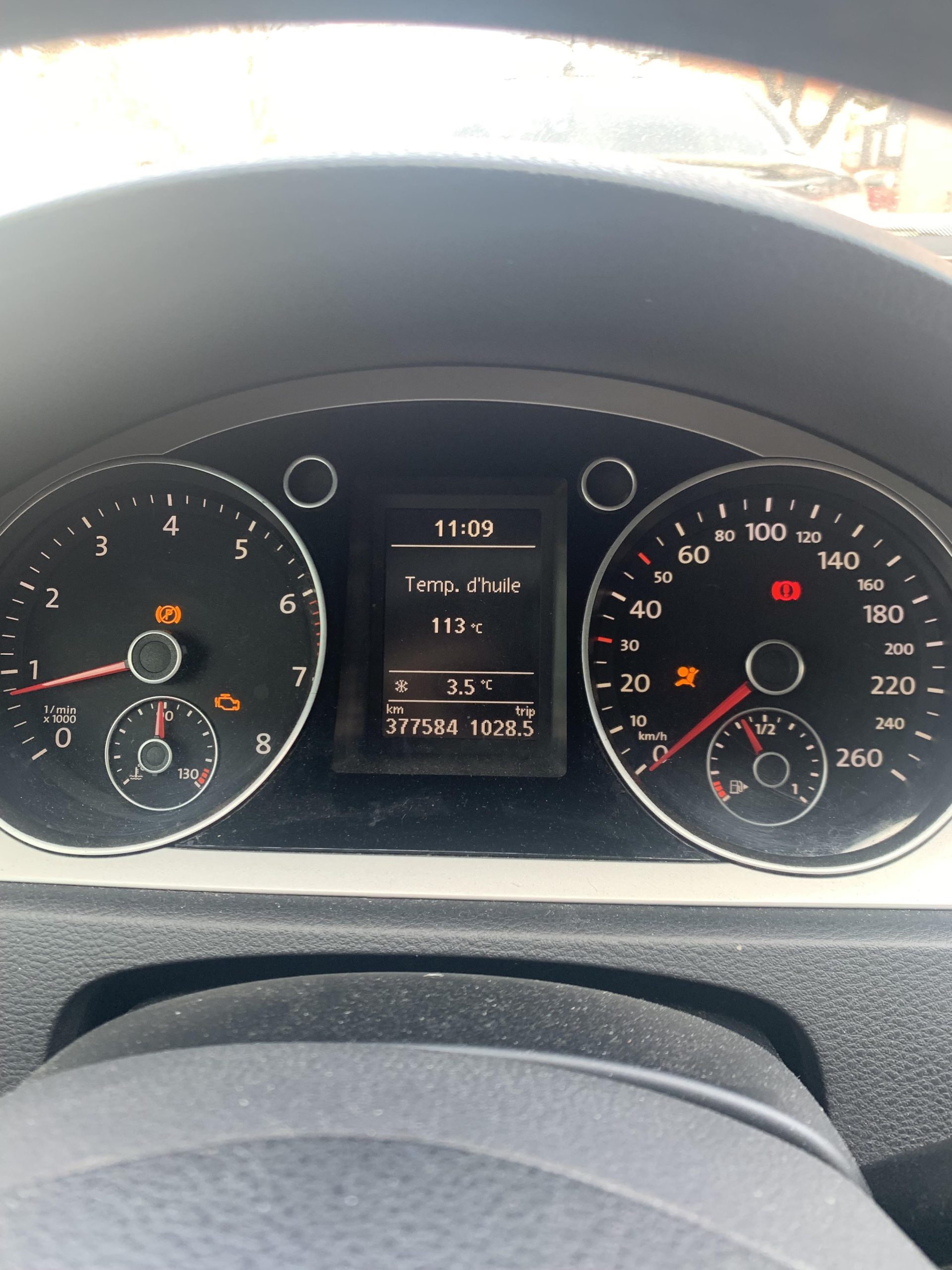
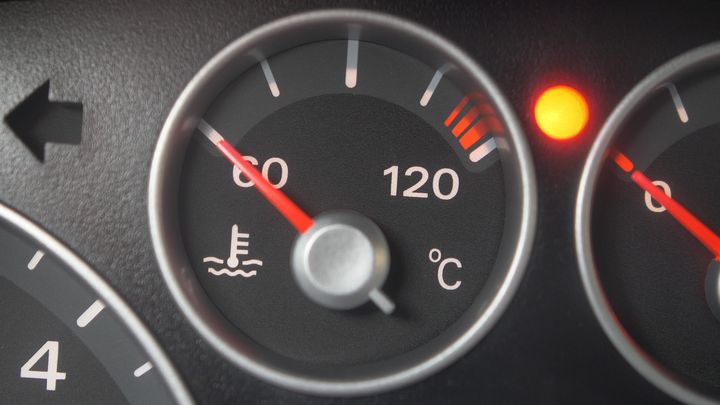
Car dashboards have lights and gauges. They show important information. Oil temperature is one of them. The oil light warns you. It blinks if oil gets too hot. This means trouble. Engine parts can be damaged. Watch the light carefully. Always check it when driving. A steady light means normal temperature. A flashing light means high heat. You should stop the car. Let it cool for a while.
Some people use aftermarket gauges. These show detailed oil temperature. They give more data than dashboard lights. You can see exact numbers. It helps in knowing the real temperature. Easy to install in most cars. They are reliable. They help in maintaining engine health. You will know the oil’s condition quickly. Keep your engine safe and sound.
Maintaining Proper Oil Temperature
Maintaining the right oil temperature is vital for engine health. Typically, oil should be between 195°F and 220°F. This range ensures proper lubrication, reducing engine wear and tear.
Regular Oil Changes
Regular oil changes are key. Clean oil keeps your engine happy. Old oil can get dirty. Dirty oil makes engines work harder. Engines don’t like that. They want to run smoothly. Fresh oil is like a treat for your car. It helps the engine stay cool. Cooler engines last longer. Remember, clean oil is your car’s best friend.
Cooling System Maintenance
The cooling system is vital. It keeps your engine from getting too hot. Check it often. Look at the radiator and hoses. Are there leaks? Fix them quickly. The coolant should be fresh. It helps the engine stay cool. A well-maintained cooling system works best. Your car’s temperature should stay steady. That means your oil stays the right temperature.
Using The Right Oil Grade
Oil comes in different grades. Each car has a preferred grade. Using the right oil grade is important. Check your car’s manual. It tells you which grade to use. The right oil keeps the engine safe. It helps with temperature control. The engine runs better with the correct oil. Your car will thank you.

Credit: addinol.de
Advanced Solutions For Oil Temperature Control
Oil coolers help keep the car’s oil cool. They use fins to take away heat. This keeps the engine safe. Cool oil lasts longer. It also makes the engine work better. Oil coolers are like small radiators. They fit in the car’s engine area. They are easy to install and can be used in many cars.
Thermostatic oil control keeps oil at the right temperature. It uses a thermostat to check the oil’s heat. If oil gets too hot, it opens a valve. This sends oil through a cooler. If oil is too cold, it stays in the engine. This keeps the engine running well. It also stops oil from getting too thick or thin.
Frequently Asked Questions
What Is The Ideal Oil Temperature For A Car?
The ideal oil temperature for most cars is between 195°F and 220°F. This range ensures optimal engine performance and efficiency. Maintaining this temperature helps prevent engine wear and guarantees proper lubrication. Regularly checking and monitoring oil temperature can improve your car’s longevity and performance.
How Can I Check My Car’s Oil Temperature?
To check your car’s oil temperature, use a digital gauge or the car’s onboard diagnostics system. Many modern vehicles have built-in sensors that display oil temperature on the dashboard. Regular monitoring helps ensure the engine runs efficiently, preventing overheating and maintaining optimal performance.
Why Is Oil Temperature Important In A Car?
Oil temperature is crucial because it impacts engine efficiency and longevity. Correct temperature ensures proper lubrication, reducing wear and tear. It prevents overheating, which can damage engine components. Monitoring oil temperature helps maintain optimal performance and fuel efficiency, ensuring your car runs smoothly.
What Happens If Oil Temperature Is Too High?
If oil temperature is too high, it can lead to reduced lubrication and increased engine wear. Overheating can cause oil breakdown, leading to sludge formation. This may result in engine damage, reduced efficiency, and costly repairs. Regularly monitoring temperature helps prevent these issues.
Conclusion
Maintaining the right oil temperature is crucial for your car’s engine health. It ensures optimal performance and prevents overheating. Regularly check the oil temperature gauge. Keep it within the recommended range. This simple habit can extend your engine’s life and save on repairs.
Remember, a well-maintained engine runs smoothly and efficiently. Your car will thank you for it. Regular checks lead to better performance and reliability. Drive with confidence knowing your engine is cared for. Always prioritize your vehicle’s health for a safer drive.
It’s worth the effort.