What to Do If You Bought a Stolen Car
Buying a car is exciting, but imagine the shock if you find out it was stolen. It’s a stressful situation that many people don’t expect. If you’re wondering What to Do If You Bought a Stolen Car, you might feel lost.
This guide breaks it down simply. We’ll help you understand the steps to take so you can sort things out. Let’s get started on finding your way forward.
Understanding the Situation
It’s a difficult feeling to discover the car you purchased might be stolen property. This can happen through no fault of your own, especially if you bought the vehicle from a seller who wasn’t upfront or honest about its history. The process of buying and selling used cars can sometimes involve shady dealings, and as a buyer, you can end up in a tricky spot.
Knowing exactly what to do can save you a lot of trouble and potential heartache. We will walk you through the steps, making it clear and easy to follow.
Why This Happens
Cars can be stolen for many reasons. Sometimes, they are stolen and then resold quickly to get rid of the evidence. Other times, a car might be stolen, have its identification numbers (VIN) changed, and then be sold.
This is called VIN cloning. Unfortunately, some sellers might not know their car is stolen, or they might be actively trying to hide it. This makes it hard for buyers to know if they are getting a legitimate vehicle.
The Legal Ramifications
If you unknowingly bought a stolen car, you are generally not considered guilty of a crime if you had no idea it was stolen. The car is still considered stolen property, however. This means the rightful owner, usually the insurance company that paid out on the theft claim or the original owner, has a legal right to reclaim the vehicle.
Your primary goal will be to work with the authorities and the legal system to resolve the situation without losing your money or facing legal trouble.
Immediate Steps When You Suspect or Know
The first thing you should do if you suspect or find out you’ve bought a stolen car is to remain calm. Reacting without thinking can sometimes make things worse. The key is to be proactive and follow the proper channels.
Contacting the Authorities
Your very first official step should be to contact your local police department. Report your findings to them. They will want to investigate the vehicle’s history and verify if it is indeed stolen.
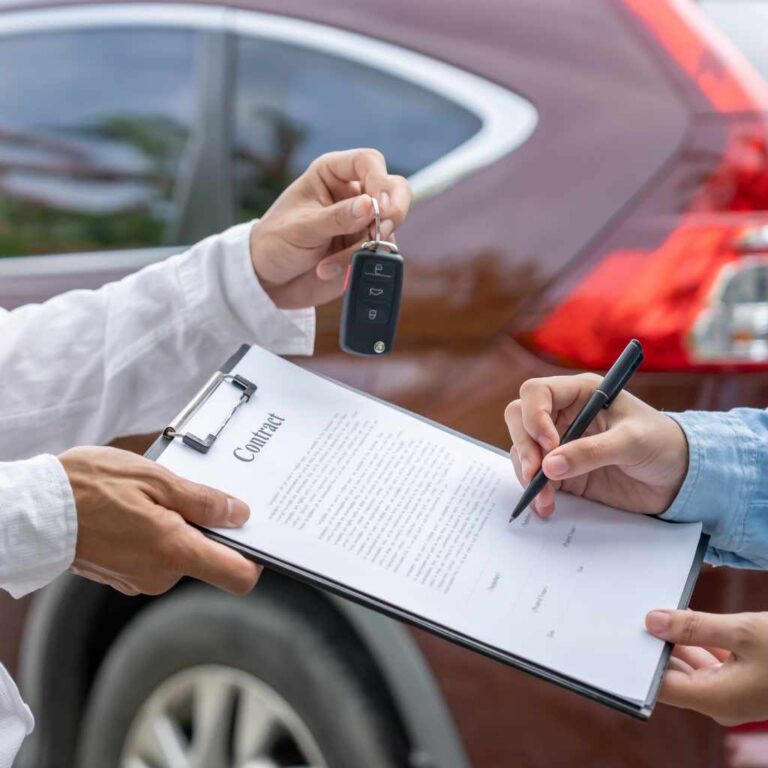
You will likely need to provide them with all the documentation you have related to the car purchase, including the bill of sale, registration, and any communication you had with the seller.
- Provide the VIN of the vehicle.
- Explain how and when you acquired the car.
- Hand over all purchase-related documents.
The police will then begin their investigation. They might impound the vehicle for further examination. This is a normal part of the process to confirm its status.
Gathering All Documentation
It’s vital to keep every single piece of paper related to the car purchase. This includes:
- The bill of sale or purchase agreement.
- The title or registration documents you received.
- Any advertisements or online listings for the car.
- Receipts for any repairs or maintenance you’ve done.
- Communication records with the seller (emails, texts, call logs).
This documentation will be your proof of purchase and will help authorities and potentially legal counsel understand the transaction. It shows you acted in good faith.

Working With Law Enforcement and Legal Processes
Once the police confirm the car is stolen, you will need to cooperate fully with their investigation. They will work to identify the rightful owner and the circumstances of the theft.
Cooperating With Police Investigations
The police will treat you as a victim in this situation, assuming you had no prior knowledge of the car being stolen. They will likely ask you questions about the seller and how you found the car. Be honest and provide all the information you have.
This cooperation is essential for them to recover the stolen property and potentially catch the individuals involved in the theft ring.
The Vehicle’s Status
When a car is confirmed stolen, it will be flagged in national databases. Law enforcement will likely impound the vehicle. This is done to secure the evidence and await instructions from the rightful owner or their insurance company.
Reclaiming Your Money and Rights
This is often the most challenging part. If the car is legally reclaimed by its original owner or insurance company, you will likely lose possession of the vehicle. The legal principle is that the original owner’s title to the property is superior to yours, even if you paid for it.
However, this does not mean you are without recourse to recover your financial loss.
Steps to Recover Your Financial Loss
Your next steps should focus on recouping the money you spent on the car. Here’s how you can approach this:
- Demand Letter to the Seller: If you can locate the seller, send them a formal demand letter for a full refund. State that you discovered the car was stolen and you expect your money back. It’s often helpful to have a lawyer draft or review this letter.
- Legal Action Against the Seller: If the seller is unresponsive or you cannot locate them, you may need to file a civil lawsuit against them to recover your purchase price. This can be complicated if the seller cannot be found or has no assets.
- Using Your Purchase Protection: If you paid for the car using a credit card, you might be able to dispute the charge with your credit card company. Many credit cards offer purchase protection that could help you get your money back in situations like this.
- Filing a Claim with Your Insurance: While your auto insurance typically covers damage to your vehicle, some policies might offer limited coverage for fraud. It’s worth checking with your insurance provider, though this is less common.
- Consumer Protection Agencies: You can also report the fraudulent seller to consumer protection agencies like the Better Business Bureau (BBB) or your state’s Attorney General’s office. While they might not recover your money directly, they can investigate and potentially take action against fraudulent sellers.
The Role of VIN Checks
Before purchasing any used car, a Vehicle Identification Number (VIN) check is a critical step. Services like CarFax or AutoCheck can reveal a vehicle’s history, including any reports of theft, salvage titles, or odometer discrepancies. While these services are not foolproof, they can uncover many red flags and save you from buying a stolen vehicle.
Why VIN Checks Aren’t Always Enough
Stolen car rings can be sophisticated. They may alter VIN plates or use cloned VINs from legitimate vehicles. This means even a VIN check might not catch a stolen car if the alterations are very well done.
This is why a pre-purchase inspection by a trusted mechanic is also recommended.
Preventative Measures for Future Purchases
The best way to deal with buying a stolen car is to avoid it altogether. Taking proactive steps can significantly reduce your risk.
Thoroughly Vetting Sellers
Always try to buy from reputable sources. If buying from a private seller, take the time to get to know them. Ask questions about why they are selling the car.
Meet in a public place. Look for any signs of nervousness or evasiveness. A legitimate seller will typically be open and cooperative.
Inspecting the Vehicle
Always inspect the car yourself, and if possible, bring a knowledgeable friend or mechanic. Check for signs of tampering with the VIN plate, which is usually located on the dashboard near the windshield and on the driver’s side doorjamb. Any scratches, mismatched rivets, or signs of the plate being removed and reattached are serious red flags.
Using Official Records
When you are ready to buy, ensure the seller has the correct title and registration documents. Compare the VIN on these documents with the VIN on the car. If they don’t match, do not proceed with the purchase.
When You’ve Bought a Stolen Car What to Do Next
If you find yourself in this unfortunate situation, remember that taking prompt and correct action is key. Your goal is to navigate the legal requirements, cooperate with authorities, and seek to recover your financial investment. The process might be frustrating, but by following these steps, you can work towards a resolution.
The car you purchased will likely be taken from you, as the rightful owner or their insurer has a superior claim. However, your focus should shift to recovering the money you paid. Documenting everything, contacting the police immediately, and exploring legal avenues to sue the seller are your most powerful tools.
While it may seem overwhelming, taking these actions systematically can lead to a clearer path forward. Don’t hesitate to seek legal advice if you are unsure about any part of the process. Your proactive approach and thoroughness are your best allies.

Frequently Asked Questions
Question: What happens to the car if I bought it unknowingly and it’s stolen?
Answer: If you unknowingly bought a stolen car, law enforcement will likely impound it. The vehicle will be returned to its rightful owner or their insurance company, as their claim is superior to yours.
Question: Can I get my money back if I bought a stolen car?
Answer: Yes, you can pursue legal action against the seller to recover your money. If you paid by credit card, you may also be able to dispute the charge with your credit card company.
Question: Should I report it to the police even if I suspect it?
Answer: Absolutely. Reporting your suspicions to the police is the first official step. They will investigate and verify the car’s status.
Question: What if I can’t find the seller?
Answer: If you cannot find the seller, you may still be able to pursue legal action if you can serve them notice. You can also report the fraud to consumer protection agencies.
Question: How can I avoid buying a stolen car in the future?
Answer: Always get a VIN check, thoroughly inspect the vehicle for tampering, ensure all paperwork is legitimate, and buy from reputable sources when possible.
Final Thoughts
Discovering you’ve purchased a stolen car is a distressing event. The immediate priority is to contact the authorities and cooperate fully with their investigation. While you will likely lose possession of the vehicle, your focus should then shift to recovering the funds you spent.
This involves gathering all purchase documents, attempting to contact the seller to demand a refund, and preparing to take legal action if necessary. Explore all payment protection options, such as credit card disputes, and consider filing complaints with consumer protection agencies. For future purchases, always conduct thorough VIN checks, carefully inspect the car for any signs of tampering, and verify all paperwork meticulously.
Buying from trusted sellers or dealerships can also significantly reduce your risk. Staying vigilant and informed is your best defense against becoming a victim of car theft fraud.