When to Switch to a Forward-Facing Car Seat: A Comprehensive Guide for Parents
Hey there! If you’re a parent like me, you’ve probably spent countless hours researching how to keep your little one safe in the car. One question that pops up a lot is, “When should I switch my child to a forward-facing car seat?” It’s a big decision, and trust me, I’ve been there—reading manuals, scrolling through parenting forums, and double-checking safety guidelines. The good news? I’ve done the legwork, and I’m here to share everything I’ve learned in a way that’s easy to understand.
Whether you’re a first-time parent or a seasoned pro, this guide will walk you through when to make the switch, why it matters, and how to do it safely. Let’s dive in and make sure your kiddo is riding securely!
Why Car Seat Safety Matters to Me
As a parent, nothing is more important than keeping my child safe. Car crashes are one of the leading causes of injury for kids in the United States. I remember the first time I buckled my newborn into her car seat—it felt like a huge responsibility. Choosing the right car seat and using it correctly can make all the difference. Rear-facing car seats are the gold standard for babies and toddlers because they offer the best protection for their fragile heads, necks, and spines. But as kids grow, the question of when to switch to a forward-facing car seat comes up.
It’s not just about size or age—it’s about safety, development, and following the best practices. I’ve learned that making this switch too early can put your child at risk, so let’s break down what you need to know.
Understanding Rear-Facing vs. Forward-Facing Car Seats
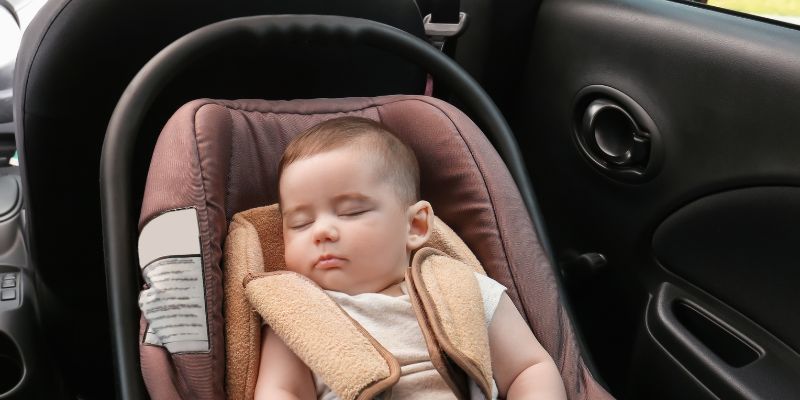
Before we talk about when to switch, let’s get clear on what rear-facing and forward-facing car seats do. Rear-facing car seats are designed to cradle your child’s body during a crash. They spread the force of a collision across the entire back, head, and neck, which is critical for young kids whose spines are still developing. I was amazed to learn that a baby’s spinal cord doesn’t fully turn from cartilage to bone until around age three or four. That’s why rear-facing is so important—it supports their delicate bodies better than anything else.
Forward-facing car seats, on the other hand, face the front of the vehicle. They use a five-point harness to secure your child, distributing crash forces across their stronger bones, like the shoulders and hips. But here’s the catch: kids need to be big enough and strong enough for this setup. Switching too soon can increase the risk of injury, especially to their neck and spine. I remember worrying about my daughter’s long legs in her rear-facing seat, but I learned that cramped legs are far safer than a premature switch.
When Should You Switch to a Forward-Facing Car Seat?
So, when is the right time to make the switch? The answer depends on a few key factors: your child’s age, weight, height, and the specific car seat you’re using. Let’s break it down.
Age Guidelines
The American Academy of Pediatrics (AAP) recommends keeping kids rear-facing for as long as possible, ideally until at least age two, but preferably longer. I followed this advice with my kids, and it gave me peace of mind knowing I was doing the safest thing. Most experts agree that rear-facing until age four is ideal if your car seat allows it. Why? Because kids’ bodies are still growing, and their necks are especially vulnerable in a crash. The longer you can keep them rear-facing, the better protected they are.
Weight and Height Limits
Every car seat has specific weight and height limits for rear-facing use. These are listed in the car seat manual (yes, I know, reading manuals isn’t fun, but it’s worth it!). Most convertible car seats allow rear-facing up to 40 or 50 pounds, which can accommodate kids until they’re about four years old. Height is another factor—your child’s head should be at least one inch below the top of the car seat shell when rear-facing. I always checked my daughter’s height by measuring how close her head was to the top of the seat. If she was getting close, I knew it was time to start thinking about the next step.
Car Seat Type
Not all car seats are the same. Infant car seats are rear-facing only and usually have lower weight limits (around 22 to 35 pounds). Convertible car seats, which I used for both my kids, can switch from rear-facing to forward-facing, giving you more flexibility. All-in-one car seats can even transition to booster seats later on. Check your car seat’s manual to see its rear-facing limits. I learned the hard way that not all seats are created equal—some have higher weight limits, which let my son stay rear-facing longer.
State Laws vs. Best Practices
Here’s where things get tricky. Every state in the U.S. has its own car seat laws, and some only require rear-facing until age one or two. But don’t let that fool you—state laws are the minimum requirement, not the gold standard. I live in California, where the law says kids must be rear-facing until age two, but I kept my kids rear-facing longer because the safety benefits were clear. Always aim for the AAP’s recommendations over state minimums. If you’re curious about your state’s laws, a quick Google search for “[your state] car seat laws” will give you the details.
| Factor | Rear-Facing Guidelines | Forward-Facing Guidelines |
|---|---|---|
| Age | At least 2 years, ideally 4 | 2–7 years, depending on size |
| Weight | Up to 40–50 lbs (check manual) | 20–65 lbs (check manual) |
| Height | למ� |
| Car Seat Type | Infant, convertible, or all-in-one | Convertible or all-in-one |
| State Laws | Vary by state, often age 1–2 | Vary by state, often age 2+ |

Signs Your Child Is Ready for a Forward-Facing Car Seat
How do you know when your child is truly ready to switch? Here are some signs I looked for with my kids:
- They’ve outgrown the rear-facing limits: If your child has reached the maximum weight or height for the rear-facing position, it’s time to switch. For my son, this happened around age four when he hit 45 pounds.
- Their legs are cramped: This isn’t a safety issue, but it’s something I noticed with my daughter. Her legs were scrunched up, but I learned that’s okay—safety trumps comfort.
- They’re developmentally ready: Kids need strong neck and torso muscles to handle the forces of a forward-facing seat in a crash. Most kids develop this strength by age three or four.
I always double-checked with the car seat manual and consulted a certified Child Passenger Safety Technician (CPST) to be sure. You can find a CPST at a local fire station or hospital for a free car seat check.
Risks of Switching Too Early
I can’t stress this enough: switching to a forward-facing car seat too soon can be dangerous. In a frontal crash (the most common type), a forward-facing child’s head and neck can be thrown forward, putting stress on their still-developing spine. Rear-facing seats reduce this risk by supporting the entire body. I read a study that showed rear-facing kids are up to five times safer in a crash than forward-facing ones. That statistic stuck with me and made me determined to keep my kids rear-facing as long as possible.
Another risk is that forward-facing seats rely on the harness to distribute crash forces. If a child’s bones and muscles aren’t strong enough, the harness can cause injury instead of protecting them. I remember feeling tempted to switch my daughter earlier because she seemed “big enough,” but I’m so glad I waited. The data is clear: longer rear-facing equals better safety.
How to Transition Safely to a Forward-Facing Car Seat
When the time comes to switch, you want to do it right. Here’s what I did to make sure my kids were safe in their forward-facing seats:
Choose the Right Car Seat
Make sure your car seat is rated for forward-facing use. I stuck with a convertible car seat that had high forward-facing weight limits (up to 65 pounds). Check reviews and safety ratings on sites like the National Highway Traffic Safety Administration (NHTSA) website. I also looked for seats with side-impact protection and adjustable harnesses for extra safety.
Install It Correctly
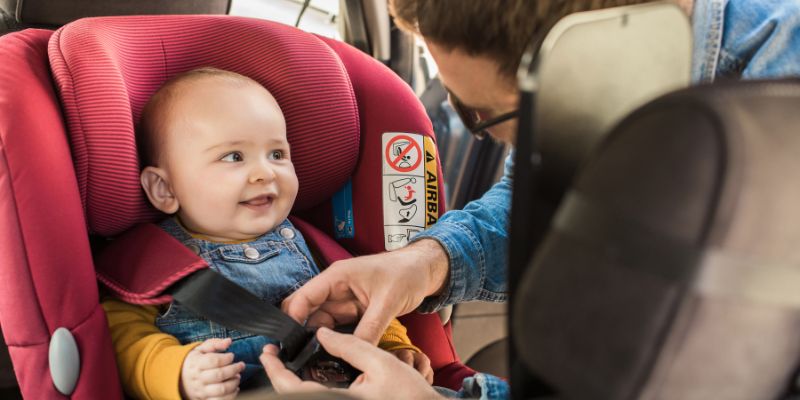
This is huge. I messed up the installation the first time and had to get it checked by a CPST. Use the LATCH system or seat belt (never both!), and make sure the seat doesn’t move more than an inch side-to-side. The harness should be snug, with the chest clip at armpit level. I practiced buckling my kids in a few times to get the fit just right.
Keep Using a Five-Point Harness
Even in a forward-facing seat, a five-point harness is safer than a booster seat for younger kids. I kept my daughter in a harness until she was nearly six because it distributes crash forces better. Booster seats are better for older kids (around 5–7 years) who can sit properly with a regular seat belt.
Double-Check Everything
Before every trip, I made it a habit to check the harness fit and seat installation. It takes a minute but ensures your child is as safe as possible. I also kept the car seat manual in my glovebox for quick reference.
Common Myths About Forward-Facing Car Seats
Parenting forums are full of myths, and I’ve heard them all. Let’s clear up a few:
- Myth: Long legs mean it’s time to switch. Nope! Criss-crossed legs or feet touching the back seat are fine. My son’s legs were super cramped, but he was still safer rear-facing.
- Myth: Kids are uncomfortable rear-facing. They might look squished, but kids are flexible and adapt. Safety outweighs a little discomfort.
- Myth: Forward-facing is just as safe. Not true for younger kids. Rear-facing offers way more protection for their developing bodies.
I learned to tune out the noise and stick to expert advice from the AAP and NHTSA. It’s worth it for peace of mind.
Tips for Making the Transition Smooth
Switching to a forward-facing seat can be an adjustment for both you and your child. Here’s what helped me:
- Explain the change: I told my daughter she was “graduating” to a big-kid seat. She was excited about the new view!
- Practice buckling up: Kids might wiggle more in a forward-facing seat. I practiced with my son to make sure he stayed still.
- Keep rear-facing as long as possible: I know I sound like a broken record, but delaying the switch is the safest choice. I waited until my kids maxed out their seat’s rear-facing limits.
- Check for recalls: Before installing, I checked SaferCar.gov to ensure my car seat wasn’t recalled.
Why I’m Passionate About This Topic
As a parent who’s spent hours researching car seat safety, I know how overwhelming it can be. But getting this right can save your child’s life. I’ve seen the difference it makes—my friend’s toddler walked away from a scary crash because he was in a properly installed rear-facing seat. Stories like that remind me why I take this so seriously. By keeping your child rear-facing as long as possible and making a careful, informed switch to forward-facing, you’re giving them the best shot at staying safe.
Conclusion: Keep Safety First
Deciding when to switch to a forward-facing car seat is a big step, but it doesn’t have to be stressful. By following the AAP’s guidelines, checking your car seat’s limits, and making sure everything is installed correctly, you can keep your child safe and secure. I’ve been through this with my own kids, and I know how much peace of mind comes from knowing you’ve made the safest choice. Take your time, do your research, and don’t be afraid to ask a CPST for help. Your little one is worth it, and every safe car ride is a victory. Here’s to keeping our kids protected on every journey!
Frequently Asked Questions
How long should my child stay rear-facing?
Keep your child rear-facing as long as possible, ideally until age four or until they reach the car seat’s maximum rear-facing weight or height limit. This is the safest position for their developing spine and neck.
Is it okay if my child’s legs are cramped in a rear-facing seat?
Yes, it’s perfectly safe. Kids are flexible, and cramped legs don’t pose a safety risk. Rear-facing is still the best way to protect their head, neck, and spine.
When is it legally required to switch to a forward-facing car seat?
Laws vary by state, but most require rear-facing until at least age one or two. Always follow the AAP’s recommendation to rear-face longer for maximum safety, even if state laws allow switching earlier.
How do I know if my car seat is installed correctly?
Check that the seat doesn’t move more than an inch side-to-side when pulled at the belt path禁止
Can I use a booster seat instead of a forward-facing car seat?
For younger kids (under 5–7 years), a forward-facing car seat with a five-point harness is safer than a booster seat. Boosters are better for older kids who can sit properly with a regular seat belt.
Where can I get help with car seat installation?
Visit a local fire station, hospital, or child safety event to have a certified Child Passenger Safety Technician (CPST) check your car seat for free. You can find one through Safe Kids Worldwide or NHTSA.