Where To Stay In Denver Without A Car Is Essential
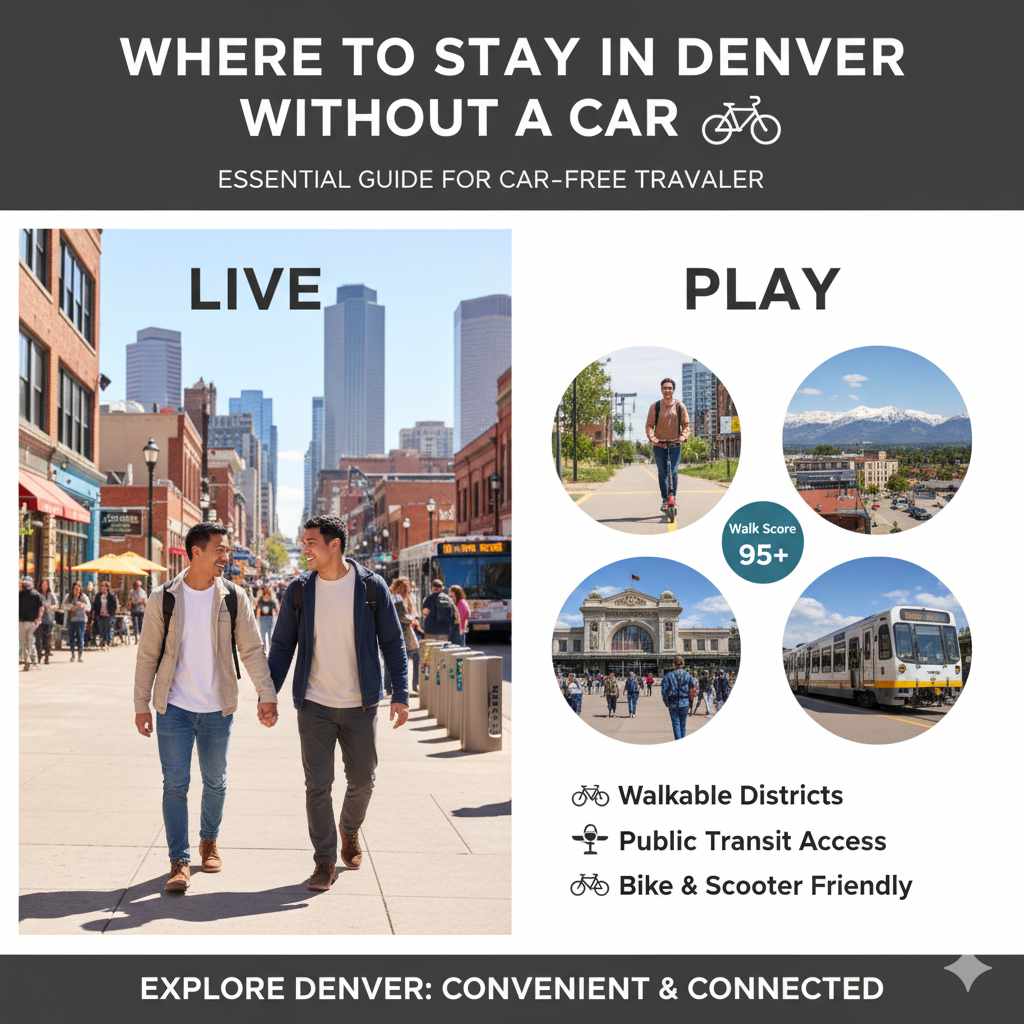
Denver without a car? Absolutely! You can explore the best of the Mile High City by staying in walkable neighborhoods and using its excellent public transit. This guide makes choosing your car-free base simple and stress-free.
Visiting Denver is exciting, but the thought of navigating a new city without your own vehicle can feel a bit daunting. Maybe you’re wondering if it’s even possible to enjoy all Denver has to offer – its vibrant culture, delicious food, and stunning views – without the hassle of a rental car or the expense of constant rideshares. The good news is, it’s not just possible, it’s often the best way to experience the heart of the city! Many travelers find that staying in the right Denver neighborhood unlocks easy access to attractions, making a car completely unnecessary. We’re here to show you exactly how to pick your perfect Denver base camp for a fantastic, car-free adventure.
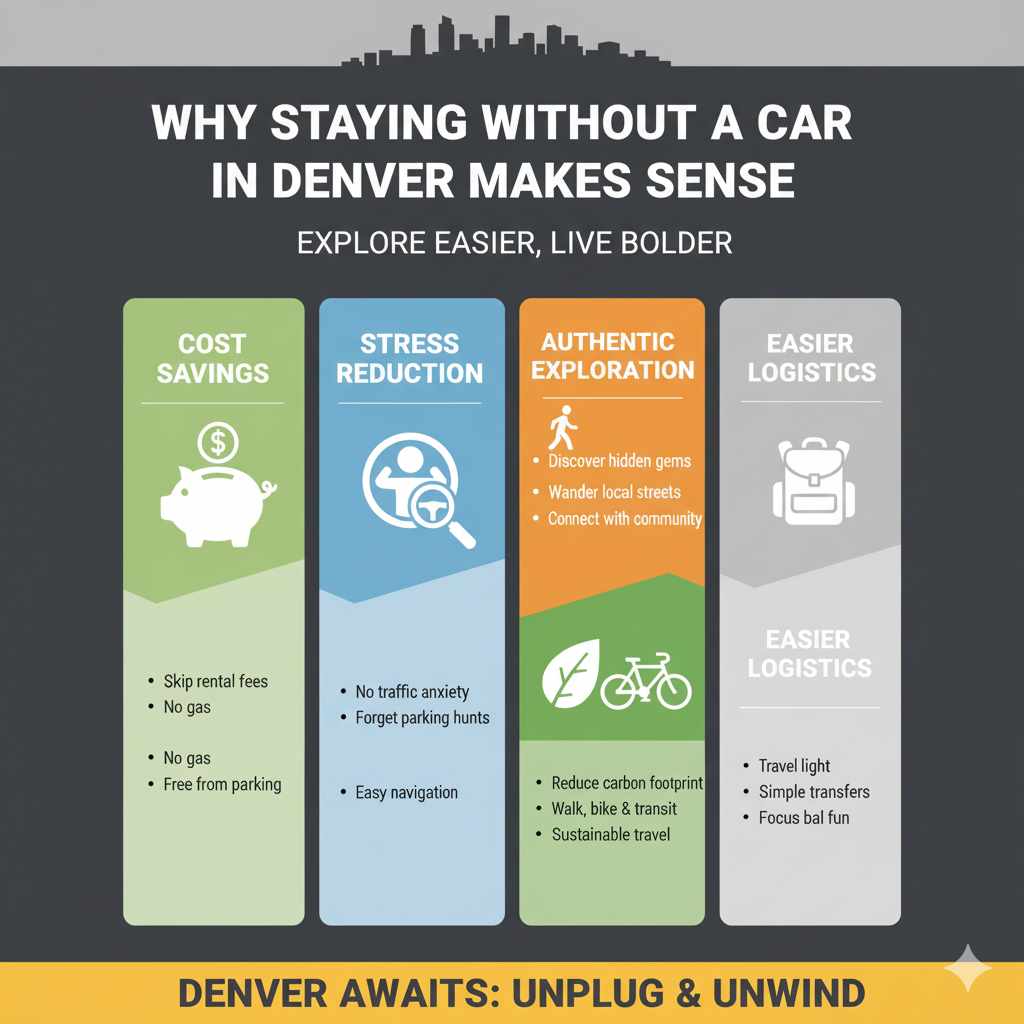
Why Staying Without a Car in Denver Makes Sense
Denver has been steadily improving its public transportation system and fostering some incredibly walkable, lively neighborhoods. For visitors who want to immerse themselves in the city’s atmosphere, explore local hotspots, and avoid parking nightmares and rental fees, choosing a car-free stay is a smart move. It often leads to a more authentic experience, allowing you to stumble upon hidden gems and mingle with locals.
The Perks of a Car-Free Denver Stay
- Cost Savings: Skip rental car fees, gas, and expensive parking charges.
- Stress Reduction: No need to worry about traffic, finding parking spots, or navigating unfamiliar roads.
- Authentic Exploration: Wander through neighborhoods on foot, discovering local shops, cafes, and parks you might miss from a car.
- Environmental Friendliness: Reduce your carbon footprint by relying on public transit and walking.
- Easier Logistics: Traveling light becomes much more manageable without a car to manage.
Denver’s Top Neighborhoods for Car-Free Travelers
Denver’s diverse neighborhoods each offer a unique flavor and varying degrees of walkability and transit access. For a car-free experience, focus on areas with a high concentration of attractions, restaurants, and good connections to Denver’s public transit network, primarily the RTD (Regional Transportation District) buses and light rail.
1. LoDo (Lower Downtown)
LoDo is Denver’s historic heart, brimming with Victorian architecture, lively bars, restaurants, and sports venues. It’s incredibly walkable and a hub for entertainment.
What to Do in LoDo
- Ball Arena: Catch a Nuggets (NBA) or Avalanche (NHL) game, or a concert.
- Coors Field: Cheer on the Colorado Rockies (MLB) during baseball season.
- 16th Street Mall: Take the free MallRide shuttle to access shops, restaurants, and connect to other transit lines.
- Larimer Square: Explore unique boutiques, art galleries, and enjoy charming al fresco dining.
- Union Station: A beautifully restored historic train station now serving as a transportation hub and home to restaurants, bars, and shops. It’s also a great place to people-watch.
Getting Around from LoDo
LoDo is exceptionally well-connected. Union Station is a major transit hub, offering access to the A Line to Denver International Airport (DIA), as well as numerous bus routes and the free MallRide shuttle. Many attractions are within walking distance.
Where to Stay in LoDo
You’ll find a range of hotels here, from luxury to boutique, often located within historical buildings, offering a unique Denver experience.
2. RiNo (River North Art District)
Known for its vibrant street art, craft breweries, and trendy eateries, RiNo is a hip, up-and-coming district that’s perfect for exploring on foot or by bike share.
What to Do in RiNo
- Street Art Tours: Wander through alleys and streets to admire incredible murals from local and international artists. Many tours are available.
- Craft Breweries: RiNo boasts dozens of breweries, each with its own personality and unique brews.
- Art Galleries: Discover contemporary art in numerous galleries scattered throughout the district.
- Food Scene: From food trucks to upscale dining, RiNo offers diverse culinary options.
- Denver Central Market/Avanti Food & Beverage: Popular food halls offering a variety of local vendors.
Getting Around from RiNo
The free 30th & Downing Station on the A Line can get you from the airport to within walking distance of much of RiNo. The neighborhood itself is very walkable. RTD buses also serve the area, and B-cycle bike shares are abundant, making it easy to hop between breweries and galleries.
Where to Stay in RiNo
RiNo has many newer hotels and apartment-style accommodations, catering to a younger, trend-conscious traveler.
3. Uptown
Uptown is a more upscale and residential neighborhood that borders downtown, offering a slightly quieter atmosphere but still packed with fantastic restaurants, bars, and easy access to cultural attractions.
What to Do in Uptown
-
Restaurant Row: A stretch of 17th Avenue famous for its diverse and
high-quality dining options. - Denver Museum of Nature & Science: Accessible via a short bus ride or a longer walk.
- City Park: Denver’s largest urban park, home to the museum, a zoo, and beautiful green spaces for relaxing.
- Thrive Art Studio: Explore local art and potentially take a class.
Getting Around from Uptown
Uptown is very walkable, especially along 17th Avenue. RTD buses are frequent and offer easy connections to downtown and other parts of the city. It’s also a pleasant bike ride to many downtown attractions.
Where to Stay in Uptown
Expect a mix of boutique hotels and well-appointed apartment rentals in this sophisticated neighborhood.
4. Capitol Hill
Denver’s most populous neighborhood, Capitol Hill, is known for its historic mansions, cultural institutions, eclectic shops, and lively nightlife. It offers a genuine slice of Denver living.
What to Do in Capitol Hill
- Colorado State Capitol Building: Tour the iconic gold-domed building and take a photo at the “Mile High” marker on the 15th step.
- Denver Art Museum: Explore extensive collections of art.
- Clyfford Still Museum: Dedicated to the work of the famous abstract expressionist painter.
- Civic Center Park: A beautiful urban park surrounded by the Capitol, City Hall, and cultural institutions.
- History Colorado Center: Delve into the state’s fascinating past.
- Botanical Gardens: A peaceful oasis with diverse plant collections (a bit further out but accessible by transit).
Getting Around from Capitol Hill
Capitol Hill is highly walkable, especially around the core areas. Several RTD bus routes run through the neighborhood, connecting you efficiently to downtown and beyond. The light rail is a short bus or longer walk away depending on your exact location.
Where to Stay in Capitol Hill
Accommodation options include historic inns, boutique hotels, and a good selection of apartment rentals.
5. Cherry Creek
For those who love high-end shopping and dining, Cherry Creek offers a more luxurious experience. It’s a bit more spread out than the downtown core but still manageable without a car for those who prioritize its amenities.
What to Do in Cherry Creek
- Cherry Creek Shopping Center: Home to luxury brands and department stores.
- Cherry Creek North: A charming area with boutiques, art galleries, and upscale restaurants.
- Cherry Creek Trail: A popular paved trail perfect for walking or biking, connecting to other trail systems.
- Art Galleries: Cherry Creek North is known for its vibrant gallery scene.
Getting Around from Cherry Creek
While Cherry Creek is less dense than downtown, it is quite walkable within the North and Shopping Center areas. RTD buses are available for connections to other parts of the city. The Cherry Creek Trail is a fantastic asset for car-free transit within the neighborhood and for reaching other areas.
Where to Stay in Cherry Creek
This area features upscale hotels and resorts.
Navigating Denver Without a Car: Your Transit Guide
Denver’s public transportation system, operated by the Regional Transportation District (RTD), is your key to getting around car-free. It includes buses and light rail trains.
Understanding RTD
- Fares: RTD offers various fare options, including single rides, day passes, and multi-day passes. You can purchase fares via the RTD Mobile Tickets app or at ticket vending machines located at light rail stations.
- RTD Mobile Tickets App: This app is highly recommended for buying tickets, checking schedules, and planning your trips. You can download it from your app store.
- MyDenverCard: For residents and frequent visitors, the MyDenverCard can offer discounted fares.
- Planning Your Trip: Use the RTD Trip Planner on their website or app. Enter your starting point and destination, and it will provide you with the best routes, times, and transfer information.
Key Transit Lines for Tourists
- A Line (Airport Rail): This is crucial! It runs directly from Denver International Airport (DIA) to Union Station in downtown Denver, taking about 37 minutes. Many hotels are easily accessible from Union Station.
- MallRide (Free): A dedicated bus line running along the 16th Street Mall in downtown Denver. It’s free and runs frequently, making it easy to hop between destinations along the mall.
- C-Line, E-Line, W-Line (Light Rail): These lines serve various parts of the city and connect to suburbs. They are useful for reaching attractions south and west of downtown. The D-Line connects further north.
- Buses: Denver has an extensive bus network that reaches virtually every corner of the city, including many attractions not directly on a light rail line.
Rideshares and Bike Shares
While RTD is excellent, you might also consider:
- Rideshare Services (Uber/Lyft): Widely available throughout Denver for when you need a door-to-door service or have late-night travel needs.
- Bike Share (B-cycle): Denver B-cycle offers a convenient way to explore neighborhoods like RiNo or LoDo at your own pace. You can rent bikes from stations located throughout the city. Check out their official website for station maps and pricing.
Sample Itinerary: 3 Days Car-Free in Denver
This sample itinerary assumes you’re staying in the LoDo or Downtown area, offering great transit access.
Day 1: Arrival & Downtown Exploration
- Morning/Afternoon: Arrive at Denver International Airport (DIA). Take the A Line directly to Union Station. Check into your hotel.
- Afternoon: Explore Union Station, then take the free MallRide to stroll down the 16th Street Mall.
- Late Afternoon: Visit Larimer Square for its unique boutiques and historic charm.
- Evening: Enjoy dinner in LoDo or near the 16th Street Mall.
Day 2: Arts, Culture & RiNo
- Morning: Take a bus or light rail to Civic Center Park. Visit the Denver Art Museum or the Clyfford Still Museum.
- Lunch: Grab lunch in the Capitol Hill area.
- Afternoon: Head to the RiNo Art District. Spend time admiring the street art and visit a few craft breweries.
- Evening: Have dinner in RiNo or head back downtown for more options.
Day 3: Parks, Views & Departure
- Morning: Take a bus to City Park. Visit the Denver Museum of Nature & Science or the Denver Zoo.
- Late Morning: Enjoy a peaceful walk through City Park.
- Lunch: Have a picnic lunch in City Park or find a cafe nearby.
- Afternoon: Depending on your flight time, revisit a favorite spot or do some last-minute souvenir shopping. Head back to Union Station via bus or MallRide and take the A Line back to DIA.
Accommodation Tips for Car-Free Travelers
When booking your stay, prioritize locations based on the following:
- Proximity to RTD Stations: Look for hotels within a 5-10 minute walk of a light rail station or a major bus route.
- Walkability Score: Many booking sites offer a “walkability score” for neighborhoods. Aim for scores of 80 or higher.
- Neighborhood Focus: As outlined above, LoDo, RiNo, Uptown, and Capitol Hill generally offer the best car-free experiences. Cherry Creek is good for shoppers but might require more transit reliance for wider exploration.
- Reviews: Read recent traveler reviews, specifically looking for comments on ease of getting around without a car.
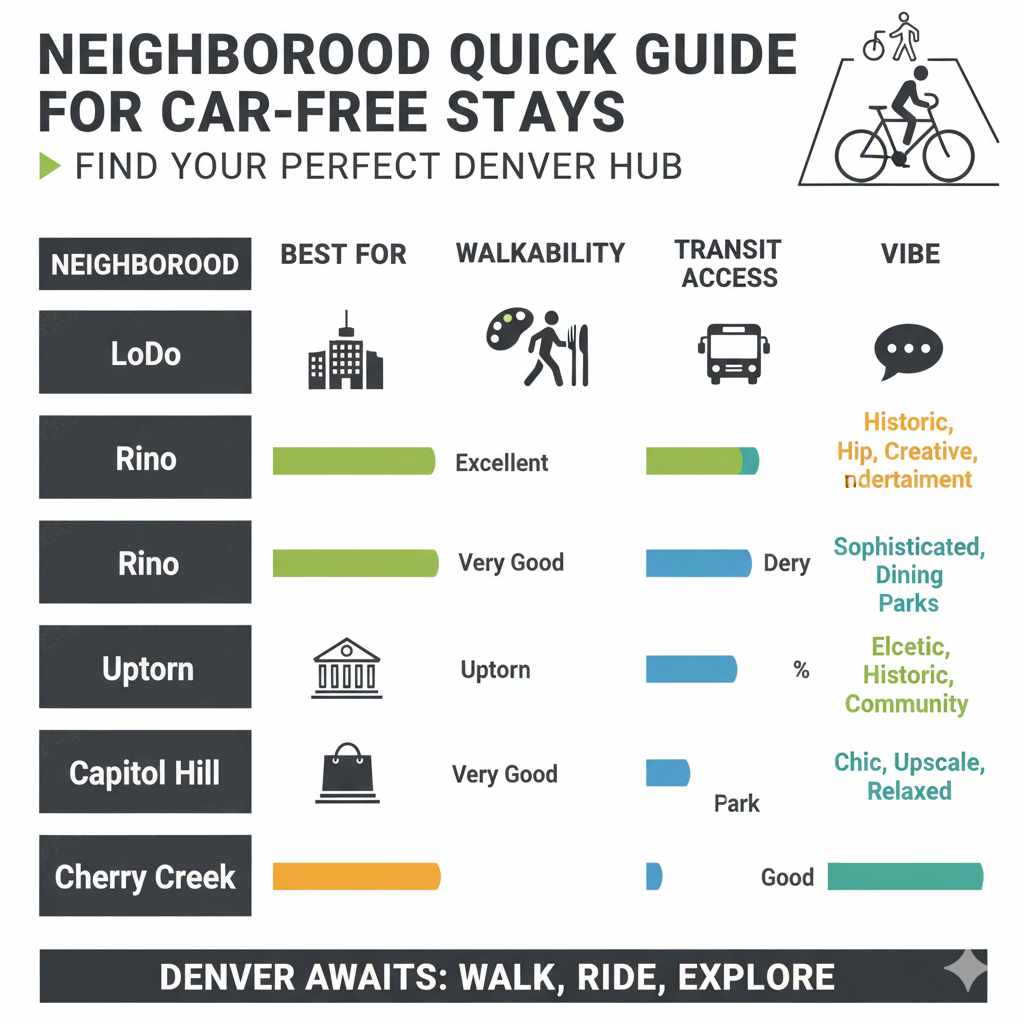
Table: Neighborhood Quick Guide for Car-Free Stays
Here’s a quick comparison to help you choose:
| Neighborhood | Best For | Walkability | Transit Access | Vibe |
|---|---|---|---|---|
| LoDo | Historic charm, nightlife, sports, convenient downtown access | Excellent | Union Station hub (A Line, buses, MallRide), city-wide | Historic, bustling, entertainment-focused |
| RiNo | Art, craft breweries, trendy food, vibrant street culture | Very Good | A Line at 30th & Downing, excellent bus routes, bike share | Hip, industrial-chic, creative |
| Uptown | Fine dining, upscale atmosphere, proximity to parks | Very Good | Frequent buses (especially on 17th Ave), bikeable to downtown | Sophisticated, lively dining scene |
| Capitol Hill | Museums, historic architecture, diverse community, nightlife | Excellent | Numerous bus routes, walkable to downtown core | Eclectic, historic, residential feel |
| Cherry Creek | Luxury shopping, boutique browsing, upscale relaxation | Good (within North/Mall) | Good bus access, Cherry Creek Trail | Chic, affluent, relaxed |
Frequently Asked Questions (FAQs)
Q1: Is Denver easy to get around without a car?
Yes, Denver is increasingly becoming easier to navigate without a car. Its core downtown area and popular tourist neighborhoods like LoDo and RiNo are very walkable. The RTD bus and light rail system connects these areas and reaches many key attractions, including the airport.
Q2: How much does public transportation cost in Denver?
RTD offers various fare options. A single local ride costs around $3.00. Day passes are available for approximately $6.00, which is a great value if you plan on multiple trips. You can also purchase monthly or annual passes. Exact fares and prices can be found on the RTD Fares & Passes page.
Q3: Can I get from Denver International Airport (DIA) to downtown without a car?
Absolutely! The A Line light rail train runs directly from the airport’s transit center to Union Station in downtown Denver. It’s efficient, affordable, and runs frequently.
Q4: What are considered “walkable neighborhoods” in Denver?
Walkable neighborhoods in Denver include LoDo, RiNo, Uptown, Capitol Hill, and parts of Downtown Denver. These areas have a high concentration of restaurants, shops, attractions, and good public transit access, allowing you to explore without needing a vehicle.
Q5: Is it safe to walk around Denver at night?
Like any major city, it’s important to be aware of your surroundings. Stick to well-lit, populated streets, especially in entertainment districts like LoDo at night. Utilizing rideshare services for late-night travel is always a good safety option if you feel uncomfortable walking.