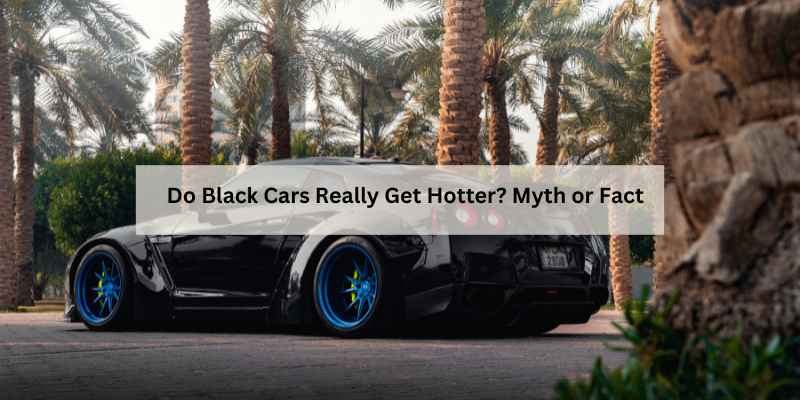
Do Black Cars Really Get Hotter? 45°F Surface Temp Data
Yes, black cars really do get hotter — but mostly on the surface. Lawrence Berkeley National Laboratory testing found black car roofs run up to 45°F (25°C) hotter than white ones in direct sun, while cabin air temperature differs by a smaller 9-11°F (5-6°C). Window tint and parking location often affect interior comfort more than paint color alone. Below: the real study numbers, the myth-vs-fact verdict, and how to keep any car cooler.
Why Black Cars Absorb More Heat
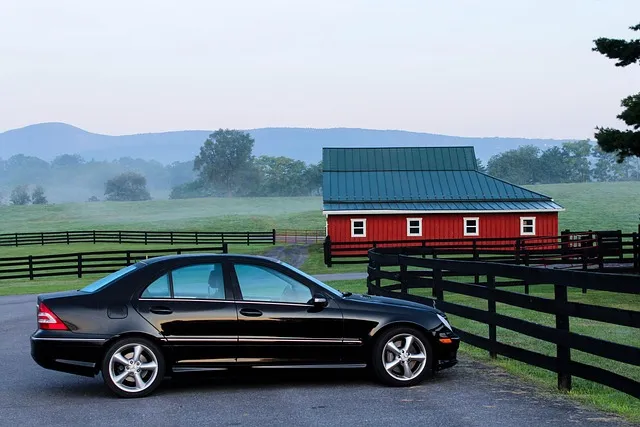
Every surface either reflects or absorbs sunlight, and color determines the split. Light-colored paint reflects a large share of the visible spectrum back into the air, while dark paint absorbs most of it and converts it into heat at the surface. Black paint has very low solar reflectance — it soaks up nearly all the light that hits it — which is the entire reason black cars run hotter to the touch than white or silver ones parked next to them.
This isn’t limited to the visible color you see, either. Sunlight also carries near-infrared radiation, which you can’t see but which carries roughly half of the sun’s energy. “Cool-colored” paints and coatings are designed to reflect more of that invisible near-infrared energy without changing how the color looks — which is why some automakers now offer specialty coatings that stay cooler despite looking dark.
| Car Shell Color | Solar Reflectance | Source |
|---|---|---|
| Black | ~5% | Levinson et al., Applied Energy (2011) |
| Silver | ~57-60% | Levinson et al., Applied Energy (2011) |
| White | ~75-85% | Matias et al., City and Environment Interactions (2025) |
In plain terms: a black shell absorbs roughly 95% of the sunlight that hits it, while a white shell reflects most of that same light straight back off the surface.
Surface Temperature vs. Cabin Temperature: What Real Studies Found
Most online claims about black cars use one vague number for everything, but the research actually measures two different things: how hot the exterior shell gets, and how hot the air inside the cabin gets. Those aren’t the same effect, and they don’t move by the same amount.
| What Was Measured | Black Car | Comparison Car | Difference | Source |
|---|---|---|---|---|
| Roof surface temperature (peak, after 1 hr in sun) | Low-reflectance shell | Silver shell | Up to 45°F (25°C) hotter | Lawrence Berkeley National Laboratory (Levinson et al., 2011) |
| Cabin air temperature (after 1 hr parked in sun) | Black Honda Civic | Silver Honda Civic | 9-11°F (5-6°C) hotter | Lawrence Berkeley National Laboratory (Levinson et al., 2011) |
| Surrounding outdoor air temperature near the vehicle | Black car | White car | About 3.5°F (2°C) higher | University of Lisbon (Matias et al., 2025) |
The Berkeley Lab team parked an all-black Honda Civic and an identical silver Civic side by side in Sacramento, California, and instrumented both cars to track roof, dashboard, seat, and cabin air temperatures over repeated one-hour sun exposures. The roof of the black car ran as much as 45°F hotter at its peak — a difference big enough to cause a real burn on bare skin. But the air inside the cabin, which is what actually affects comfort, was only 9-11°F hotter in the black car. That’s still significant, but it’s a fraction of the “40 degrees hotter inside” figure that circulates online, which usually confuses surface heat with cabin air heat.
A more recent 2025 study from the University of Lisbon, published in City and Environment Interactions, measured the air immediately around parked black and white cars on a hot day and found the black car raised the surrounding air temperature by about 2°C (3.5°F) more than the white car — a reminder that this effect isn’t just about the driver’s comfort, it also adds measurable heat to the streets around a parked car.
The reason cabin air doesn’t rise nearly as much as the roof does comes down to the windows. Sunlight passes through glass, hits the dashboard and seats, and gets trapped as longer-wavelength heat that can’t easily escape back through the glass — the same greenhouse effect that heats a parked car of any color to dangerous levels within minutes. Paint color changes how hot the shell gets; the glass is what mostly decides how hot the air inside gets.
How to Keep Any Car Cooler (Tint, Shades & More)
Since the cabin heats up mostly through the windows rather than the paint, the most effective fixes target the glass, not the exterior color.
- Windshield sunshade: A reflective foldable shade blocks sunlight before it ever reaches the dashboard or seats, which is the single biggest source of cabin heat buildup.
- Ceramic or ceramic-based window tint: Unlike dyed tint, ceramic film is built to reject infrared heat specifically, not just darken the glass — so it cuts cabin heat without necessarily making the car look darker.
- Park in shade or a garage: Removing direct sun exposure has a bigger effect on cabin temperature than any paint color ever will.
- Reflective car cover: For cars that must sit outside for long stretches, a reflective cover keeps both the shell and the glass out of direct sun.
One common myth worth correcting here: cracking a window doesn’t meaningfully cool a parked car. Research from meteorologist Jan Null at San Jose State University found that leaving windows cracked reduces interior temperature by only about 2-3°F — nowhere near enough to make a hot car safe. His data also shows how fast the danger builds regardless of paint color: on an 80°F day, a parked car’s interior can reach 99°F in just 10 minutes and 114°F within 20 minutes. Never leave a child, pet, or anyone else in a parked car, cracked windows or not, whatever color the car is.
STOPS HEAT BEFORE IT BUILDS UP
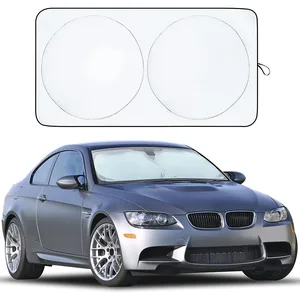
EcoNour Reflective Windshield Sunshade
A foldable reflective shade that blocks sunlight before it hits the dashboard — the cheapest, fastest way to cut cabin heat buildup on any car, any color.
- Best for: daily street or driveway parking in direct sun
- Why we picked it: blocks radiant heat at the glass, where most cabin heat actually enters
- Main drawback: must be removed and stored before driving
Compare more heat-blocking options
|
Option 1 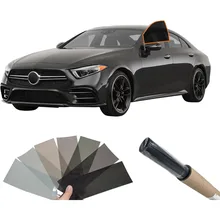 MotoShield Pro Nano Ceramic Tint Kit
|
Option 2 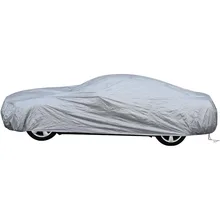 OxGord Solar-Tech Reflective Motorcycle Cover – 100% Sun-Proof – Ready-Fit / Semi Custom – Fits up t
|
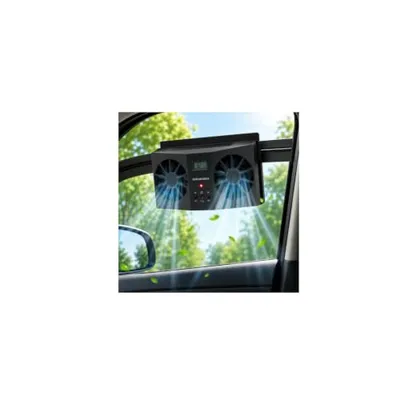
Option 3 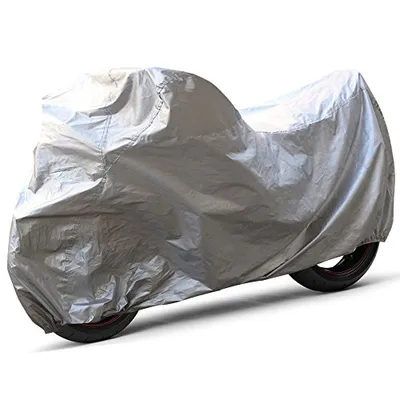 Solar Car Exhaust Fan,Auto Window Fan with 2 Head Cooling Ventilator Cars Air Vent Cooler Ventilatio
|
As an Amazon Associate we earn from qualifying purchases.
For a deeper look at whether shades specifically pay off, see our breakdown of whether car window shades actually work, and our explainer on whether UV rays pass through car windows for the UV-damage side of this equation.
Is This a Myth? What the Evidence Actually Says
It’s not a myth — black cars genuinely do run hotter, and two independently published studies back that up. But a lot of the specific numbers repeated online (often “10 to 20 degrees” or worse, with no source attached) overstate the cabin effect by conflating it with the much larger surface-temperature difference. The peer-reviewed cabin air difference is closer to 9-11°F, not 20-plus degrees, and it depends heavily on how long the car has been sitting in the sun, whether the windows are tinted, and whether it’s parked in shade.
Where the color effect is unambiguous and larger is the exterior shell itself: a black hood, roof, or door panel really can run 30-45°F hotter than a white one at peak sun exposure, which is enough to matter for accelerated paint fading, plastic trim degradation, and simply being too hot to touch comfortably.
Does Interior Material Matter Too?
Paint color isn’t the only variable. Once heat gets into the cabin through the glass, what it’s absorbed by matters. Leather seats tend to run hotter to the touch than cloth because leather absorbs and holds radiant heat more readily, and dark leather absorbs even more than light leather for the same reason black paint does. Fabric seats generally feel cooler faster because cloth doesn’t retain heat the same way.
Insulation and ventilation also change how quickly a cabin cools back down once the car is moving. Better door and roof insulation slows how fast outside heat transfers in, and good airflow (fresh-air vents, not just recirculated cabin air) helps clear built-up heat faster once the engine and A/C are running.
| Factor | Effect on Cabin Heat |
|---|---|
| Exterior paint color | Changes shell surface temperature significantly; cabin air temperature by a smaller amount |
| Window glass / tint | Largest single factor in how fast cabin air actually heats up |
| Seat material (leather vs. fabric) | Leather absorbs and holds more heat, especially in dark colors |
| Insulation | Slows heat transfer from a hot shell into the cabin |
| Ventilation | Speeds up how fast built-up heat clears once the car is running |
Other Factors That Affect How Hot a Car Gets
Geography and season still outweigh paint color in most real-world situations. A white car parked in direct desert sun in July will get far hotter than a black car parked in a shaded lot in a mild climate. Higher solar intensity, closer proximity to the equator, and low humidity (which allows more direct solar radiation to reach the surface) all push interior and surface temperatures higher regardless of color. In winter, the same car’s interior stays far cooler simply because there’s less direct, high-angle sunlight to absorb in the first place.
The Bottom Line
Black cars do get hotter than lighter-colored ones — that part isn’t a myth. Berkeley Lab testing puts the real difference at up to 45°F hotter on the exterior shell and roughly 9-11°F hotter cabin air after an hour in the sun, and a 2025 University of Lisbon study found black cars even raise the air temperature around them more than white cars do. But paint color is only one input into how hot a parked car actually feels. Window glass, tint, parking location, and interior material affect cabin comfort at least as much as exterior color, sometimes more. If you love how a black car looks but live somewhere hot, a reflective sunshade or ceramic tint will do more for your comfort than choosing a different paint color ever would.
Frequently Asked Questions
Do black cars absorb more heat?
Yes. Black paint has very low solar reflectance, around 5%, meaning it absorbs almost all the sunlight that hits it rather than reflecting it away. That’s the core reason black cars run hotter on the exterior than lighter-colored ones, though the effect on the cabin air itself is smaller than most online claims suggest.
How much hotter are black cars than white cars, really?
Lawrence Berkeley National Laboratory testing found the roof of a black car can peak up to 45°F (25°C) hotter than an identical silver car, but cabin air temperature was only 9-11°F (5-6°C) hotter after an hour of sun exposure. The surface difference is large; the difference you actually feel inside is more modest.
Do black cars need more air conditioning?
Slightly, yes. Berkeley Lab modeling found that switching from a black shell to a white or silver one could allow a smaller, lower-capacity air conditioner and improve fuel economy by roughly 1-2%, since the A/C system doesn’t have to work as hard to bring the cabin down from a lower starting temperature.
Is it uncomfortable to drive a black car in hot weather?
It can be, mainly right after getting in, since the dashboard and seats absorb heat from the shell and glass while the car sits parked. Once the A/C has had a few minutes to run, cabin temperature evens out regardless of exterior color. A reflective sunshade used while parked makes the biggest difference in how hot that first few minutes feels.
Does window tint matter more than paint color for keeping a car cool?
For cabin comfort, generally yes. Since sunlight mostly heats a parked car’s interior through the glass rather than the paint, ceramic or infrared-rejecting window tint blocks heat at the point where most of it actually enters. Paint color mainly affects how hot the exterior shell gets, not how hot the air inside becomes.
Do black cars make cities hotter?
There’s early evidence they contribute. A 2025 University of Lisbon study measured the air around parked black and white cars on a hot day and found the black car raised the surrounding air temperature by about 2°C (3.5°F) more than the white car, suggesting that widespread dark-colored vehicles add a small but real amount of extra heat to city streets on top of pavement and buildings.
Products related to this article
Sponsored / affiliate links. As an Amazon Associate I earn from qualifying purchases. I may earn additional commission from eligible campaigns.