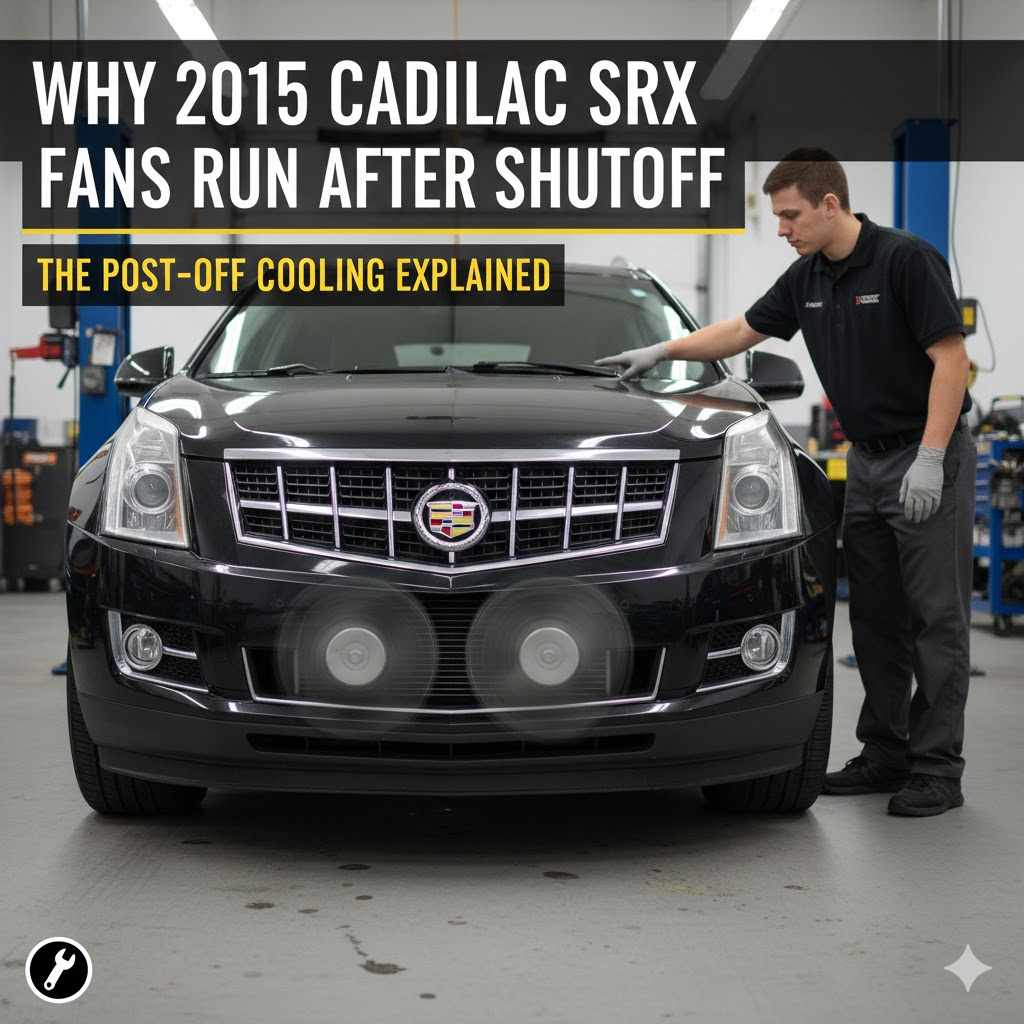
Why 2015 Cadillac SRX Fans Run After Shutoff
It can be a bit confusing when you turn off your car and the fan keeps running. Many folks who drive a 2015 Cadillac SRX might wonder about this. This common puzzle, known as Why Do 2015 Cadillac SRX Fans Keep Running After Shutoff?, can seem tricky at first.
But don’t worry! We’ll break it down into simple steps. What you’ll learn next will help you figure out exactly what’s going on with your car’s fan.
Understanding Why 2015 Cadillac SRX Fans Keep Running After Shutoff
This section will help you understand the main reasons your 2015 Cadillac SRX’s fan might keep running even after you turn the engine off. It’s a common situation, and knowing the ‘why’ behind it can save you worry and help you identify potential issues. We will explore the normal functions of these fans and the specific scenarios that cause them to operate post-shutdown.
The Cooling System’s Role
Your car’s cooling system is designed to keep the engine at the right temperature. It uses a mix of coolant and air to do this. The fan is a key part of this system.
It pulls air through the radiator when the car is not moving fast enough to get enough air naturally. This helps the coolant cool down.
When you turn off your engine, the heat doesn’t just disappear. The engine block is still very hot. This residual heat can continue to warm up the coolant.
If the coolant is still too hot, the system needs to keep working to cool it down. This is where the fan comes in.
Why the Fan Continues After Shutoff
The fan running after you shut off the engine is often a sign that the cooling system is still actively working. It’s trying to prevent the engine from overheating. This is especially true if the engine was running at a high temperature or if you were driving in hot weather.
The system is designed to protect the engine’s components from damage caused by excessive heat.
This post-shutdown fan operation is usually controlled by a sensor. This sensor tells the car’s computer if the engine temperature is still above a certain point. If it is, the computer will keep the fan running until the temperature drops to a safe level.
This is a normal and important function.
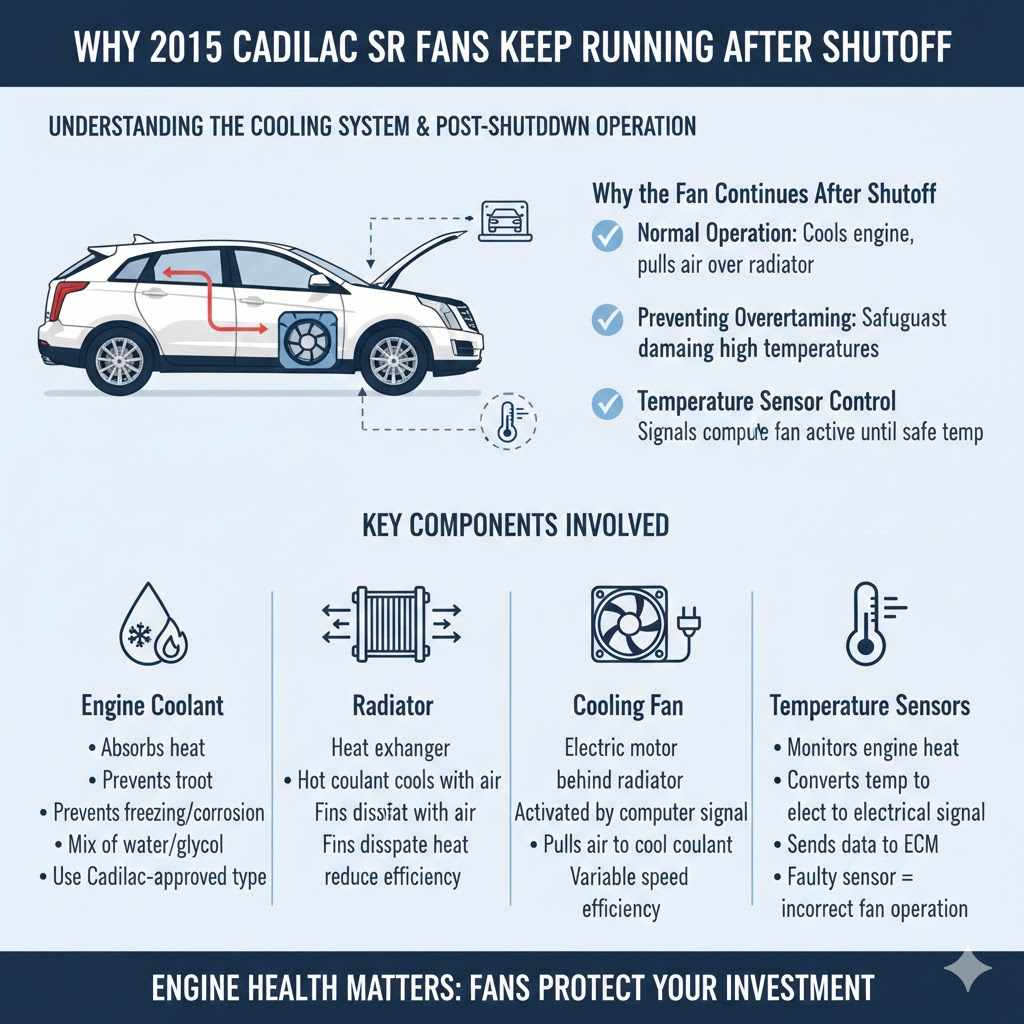
Normal Operation: The fan’s job is to cool the engine. It does this by pulling air over the radiator. This process continues even when the car is off if the engine is still hot.
Preventing Overheating: This extended fan run time is a safeguard. It prevents the engine from reaching damaging high temperatures after the ignition is off.
-
Temperature Sensor Control: A temperature sensor monitors the engine’s heat. It signals the car’s computer to keep the fan active until the engine is cool.
Components Involved
Several parts work together to make sure the fan runs correctly. The main ones are the engine coolant, the radiator, the fan itself, and the temperature sensors. The engine coolant absorbs heat from the engine.
It then carries this heat to the radiator.
The radiator has many small fins. These fins help to transfer heat from the coolant to the air. The fan blows air across these fins.
This makes the cooling process much faster, especially when the car is stopped or moving slowly. The temperature sensors tell the car’s computer when to activate the fan and when to turn it off.
Engine Coolant
Engine coolant, also known as antifreeze, is a fluid that circulates through your engine. It absorbs the heat generated by combustion. This prevents the engine from overheating.
It also contains additives to prevent freezing in cold weather and corrosion inside the cooling system.
The coolant is typically a mixture of water and ethylene glycol or propylene glycol. The type and color can vary. It’s crucial to use the correct type of coolant specified by Cadillac for your SRX.
Using the wrong type can lead to cooling system issues and damage.
Radiator
The radiator is a heat exchanger. It’s usually located at the front of the vehicle. Hot coolant from the engine flows into the radiator.
As air passes through the radiator’s fins, it cools the coolant. This cooled coolant then returns to the engine to absorb more heat.
The radiator’s effectiveness depends on its design and condition. Clogs, leaks, or bent fins can reduce its ability to dissipate heat. This can lead to higher engine temperatures and more frequent fan operation, even after shutdown.
Cooling Fan
The cooling fan is typically an electric motor attached to a fan blade. It’s mounted behind the radiator. When the engine temperature rises above a set point, the car’s computer sends a signal to the fan motor.
This causes the fan to spin, drawing air through the radiator. Many modern vehicles, like the 2015 Cadillac SRX, use electric fans because they are more efficient and can be controlled precisely.
The fan speed can often be adjusted. This depends on how much cooling is needed. A higher speed means more air is being pulled, leading to faster cooling.
This variable speed control helps optimize fuel efficiency and reduce noise.
Temperature Sensors
Temperature sensors, also called thermistors or coolant temperature sensors (CTS), are vital for monitoring engine temperature. They convert temperature into an electrical signal. This signal is sent to the engine control module (ECM) or powertrain control module (PCM).
The ECM uses this information to manage various engine functions, including fuel injection, ignition timing, and the cooling fan. If a sensor is faulty, it might give incorrect readings. This could cause the fan to run unnecessarily or not run when it should.
Troubleshooting When 2015 Cadillac SRX Fans Keep Running After Shutoff
When you notice your 2015 Cadillac SRX fans running longer than expected, it’s wise to investigate. While some continuous fan operation is normal, persistent running or unusual noises could signal a problem. This section focuses on how to troubleshoot these situations.
We will look at common issues and how to address them.
Common Causes for Extended Fan Operation
Several factors can contribute to the cooling fan continuing to run after the engine is turned off. These can range from simple environmental conditions to more complex system malfunctions.
One common cause is simply the ambient temperature. On a very hot day, the engine will retain more heat. This residual heat will naturally keep the cooling system working longer.
Driving in stop-and-go traffic also contributes, as there is less airflow through the radiator. This means the fan has to work harder.
Another reason could be a recent drive that involved strenuous activity. This might include driving uphill for a long time, towing a trailer, or aggressive driving. These conditions put extra load on the engine, generating more heat.
The cooling system will then work overtime to cool things down after you park.
-
High Ambient Temperatures: On hot days, the engine and coolant retain heat longer. The fan will continue to run until the temperature naturally decreases.
-
Heavy Engine Load: Extended periods of hard driving, such as uphill climbs or towing, generate significant heat. The cooling system compensates by keeping the fan on post-shutdown.
-
Traffic Conditions: Stop-and-go traffic limits natural airflow. This requires the electric fan to work more to cool the engine efficiently, leading to longer run times.
Checking the Coolant Level
A low coolant level is one of the most critical issues that can lead to overheating. This forces the fan to work harder and longer. First, ensure the engine is cool.
Never open a hot radiator cap, as the pressurized hot coolant can cause severe burns.
Locate the coolant reservoir. It’s usually a translucent plastic tank connected to the radiator. Check the coolant level against the ‘MIN’ and ‘MAX’ markings.
If the level is low, you’ll need to add the correct type of coolant. Refer to your owner’s manual for the specific type of coolant recommended for your 2015 Cadillac SRX.
Adding coolant is a straightforward process. You’ll typically pour it into the reservoir. If the reservoir is empty or very low, you might also need to check the radiator itself, but only when it’s completely cool.
Coolant Reservoir Check
The coolant reservoir, also known as the expansion tank, is where the excess coolant in the system is stored. As the engine heats up, the coolant expands, and the excess flows into the reservoir. When the engine cools down, the coolant contracts, and it’s drawn back into the system.
This maintains a consistent pressure and level within the cooling system.
Regularly checking this reservoir is a simple yet effective way to spot potential coolant leaks or a system that is losing coolant. A consistently dropping level in the reservoir indicates a problem that needs immediate attention.
Adding Coolant
When adding coolant, it’s essential to use the correct type and mixture. Most modern vehicles use a 50/50 mix of antifreeze and distilled water. Using tap water can lead to mineral deposits that can clog the cooling system.
Always consult your owner’s manual to confirm the specific type and ratio needed.
Pour the coolant mixture directly into the coolant reservoir until it reaches the “MAX” or “FULL” line. After adding, it’s a good idea to run the engine for a few minutes with the heater on high. This helps to circulate the new coolant and bleed any air from the system.
Inspecting the Radiator Fan
The electric cooling fan is directly responsible for airflow when the engine is off. You can visually inspect the fan blades for any damage or obstructions. Make sure nothing is physically preventing them from spinning freely.
You can also test the fan’s operation manually. With the engine off and cool, you can sometimes trigger the fan by turning the ignition to the “ON” position (without starting the engine) and then turning on the air conditioning. Many vehicles activate the cooling fan when the A/C is on.
If the fan doesn’t spin, it could indicate a problem with the fan motor, a fuse, or the relay controlling it.
Fan Motor and Blades
The fan motor converts electrical energy into mechanical energy to spin the fan blades. Over time, these motors can wear out. Signs of a failing motor might include whining noises, grinding sounds, or the fan not spinning at all.
The fan blades themselves can also become brittle and break, especially if exposed to debris or extreme temperatures.
Visually inspecting the fan blades for cracks or missing sections is important. Also, gently try to rotate the fan by hand (with the engine completely cool and off) to feel for any stiffness or binding that might indicate a motor issue.
Fuses and Relays
The cooling fan is powered by an electrical circuit that includes fuses and relays. A blown fuse or a faulty relay can prevent the fan from receiving power. Fuses are designed to protect the electrical system from overcurrent.
Relays act as electrically operated switches.
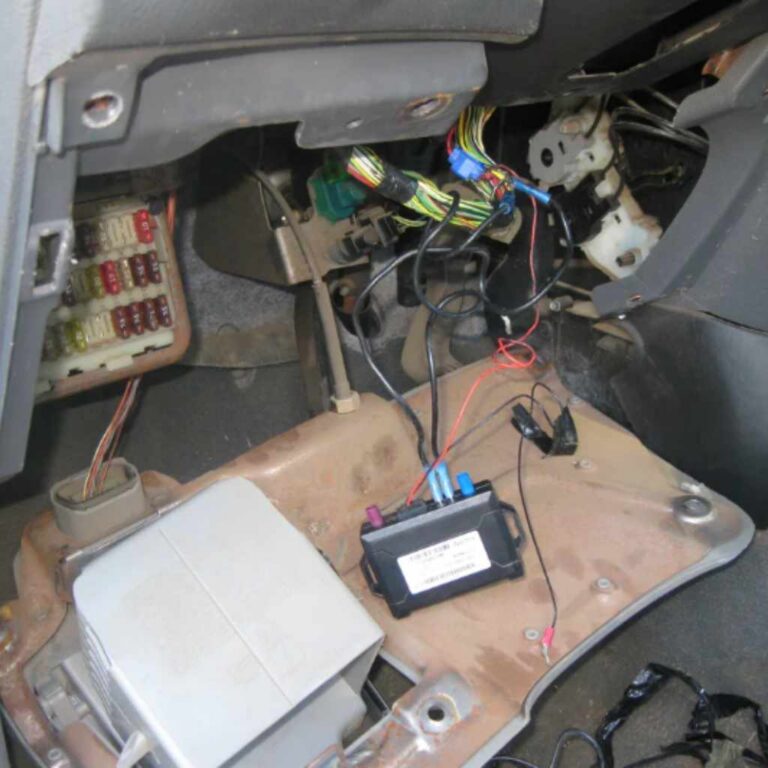
To check these, you’ll need to locate the fuse box, which is usually under the dashboard or in the engine bay. Consult your owner’s manual for the exact location and the diagram of the fuse box. You can visually inspect fuses for a broken wire inside.
Testing relays often requires a multimeter or swapping it with a known good, identical relay.
Testing Temperature Sensors and the Control Module
The temperature sensors are crucial for the fan’s operation. If a sensor is faulty, it might send incorrect signals to the car’s computer. For example, a sensor that fails to detect high temperatures might prevent the fan from turning on when needed.
Conversely, a sensor that falsely reports high temperatures could cause the fan to run constantly, even when the engine is cool.
Diagnosing these sensors often requires a diagnostic tool (scanner) that can read real-time sensor data. This tool can show you the temperature readings from the sensors. You can then compare these readings to expected values or use the scanner to command the fan on and off to test its response.
The car’s computer, the ECM or PCM, is the brain that interprets these signals and controls the fan. If the sensors are fine, the issue might lie with the module itself.
Coolant Temperature Sensor (CTS) Diagnosis
The Coolant Temperature Sensor (CTS) is a vital component that tells the vehicle’s computer the temperature of the engine coolant. This information is used for many functions, including managing the cooling fan. If the CTS is malfunctioning, it can send inaccurate temperature readings, leading to incorrect fan operation.
A common test involves using a multimeter to check the resistance of the sensor at different temperatures. The resistance typically decreases as the temperature increases. Another method is using an OBD-II scanner to read the live data from the CTS.
If the readings are erratic, jumpy, or don’t align with expected engine temperatures, the sensor is likely faulty and needs replacement.
Engine Control Module (ECM) or Powertrain Control Module (PCM)
The ECM or PCM is the central computer that manages most of your vehicle’s engine and powertrain functions. It receives data from various sensors, including the coolant temperature sensor, and uses this data to control actuators like the cooling fan. If the cooling fan is running excessively or not at all, and the sensors and fan motor are functioning correctly, the issue could stem from a problem within the ECM/PCM.
Diagnosing an ECM/PCM issue is complex and usually requires specialized diagnostic equipment. It may involve checking for error codes, testing electrical pathways to and from the module, and ensuring the module is receiving proper power and ground signals. In many cases, a faulty ECM/PCM will require professional diagnosis and potentially replacement or reprogramming by a qualified technician.
When to Seek Professional Help for Your 2015 Cadillac SRX Fan Issue
While some fan operation is normal, there are times when you should stop troubleshooting yourself and call in the experts. If you’ve gone through the basic checks and are still unsure, or if you’ve found something concerning, it’s best to let a mechanic take a look. They have the tools and knowledge to diagnose more complex problems.
Ignoring persistent or unusual fan behavior can lead to bigger, more expensive repairs down the line. It’s always better to address issues early. A professional can accurately pinpoint the cause and ensure your 2015 Cadillac SRX’s cooling system is working perfectly.
Signs of a Serious Cooling System Problem
There are several warning signs that indicate a more serious issue than just normal post-shutdown fan operation. These signs should prompt you to seek professional assistance immediately.
One of the most obvious signs is if the engine temperature gauge climbs into the red zone while driving. This means the engine is overheating, and the cooling system is not keeping up. Another indicator is steam coming from under the hood, which suggests a severe coolant leak or overheating.
Unusual noises from the engine bay, such as grinding, hissing, or knocking, can also point to internal cooling system problems. If you notice puddles of coolant under your vehicle, this is a clear sign of a leak that needs attention.
Engine Overheating Gauge: If your temperature gauge consistently reads high or enters the red zone, your engine is likely overheating, and the cooling system is failing.
-
Visible Steam or Smoke: Seeing steam or smoke emanating from under the hood is a strong indicator of a critical overheating issue or a significant coolant leak.
Strange Noises: Grinding, hissing, or loud fan noises can signal mechanical problems within the cooling fan assembly or other components like the water pump.
Coolant Leaks: Puddles of coolant under your vehicle are a direct sign of a leak that needs immediate repair to prevent further damage.
The Role of a Certified Mechanic
A certified mechanic has specialized tools and training to diagnose and repair your vehicle. They can perform comprehensive checks of the entire cooling system, including the radiator, water pump, thermostat, and hoses, not just the fan. They can also access manufacturer-specific diagnostic software to interpret complex error codes and system data.
Their expertise ensures that the problem is correctly identified and fixed. They can also advise on preventative maintenance to avoid future issues. For example, they might recommend a coolant flush or replacement of older hoses based on your vehicle’s age and mileage.
Diagnostic Tools and Equipment
Professional mechanics utilize a wide array of advanced diagnostic tools. These include OBD-II scanners that can communicate with your car’s computer to retrieve diagnostic trouble codes (DTCs) and view live data streams from various sensors. They also have specialized equipment for testing components like the cooling fan motor, pressure testing the cooling system for leaks, and inspecting internal engine components.
These tools allow them to pinpoint the exact cause of a problem much faster and more accurately than a DIY approach. This efficiency can save you time and money in the long run by ensuring the correct parts are replaced the first time.
Ensuring System Integrity
When a mechanic works on your cooling system, they are trained to look at the entire picture. They don’t just fix one part in isolation. They ensure that all components are working harmoniously and that the system as a whole is reliable.
This holistic approach helps prevent a cascade of failures that can occur if only a single symptom is addressed.
For instance, if a fan motor is replaced, a good mechanic will also check the condition of the fan relay and fuse. They will also check for any coolant leaks that might have caused the original fan issue. This comprehensive check ensures the long-term health of your vehicle’s cooling system.
Cooling System Maintenance Tips for Your Cadillac SRX
Keeping your 2015 Cadillac SRX’s cooling system in good shape is key to preventing unexpected problems like the fan running too long. Regular maintenance can save you a lot of headaches and money. It involves simple checks and scheduled services that help your car run smoothly.
Think of it like taking care of your own health. Small, regular efforts prevent bigger issues. For your car, this means checking fluids, looking for leaks, and following the recommended service schedule.
This section will guide you through easy maintenance steps.
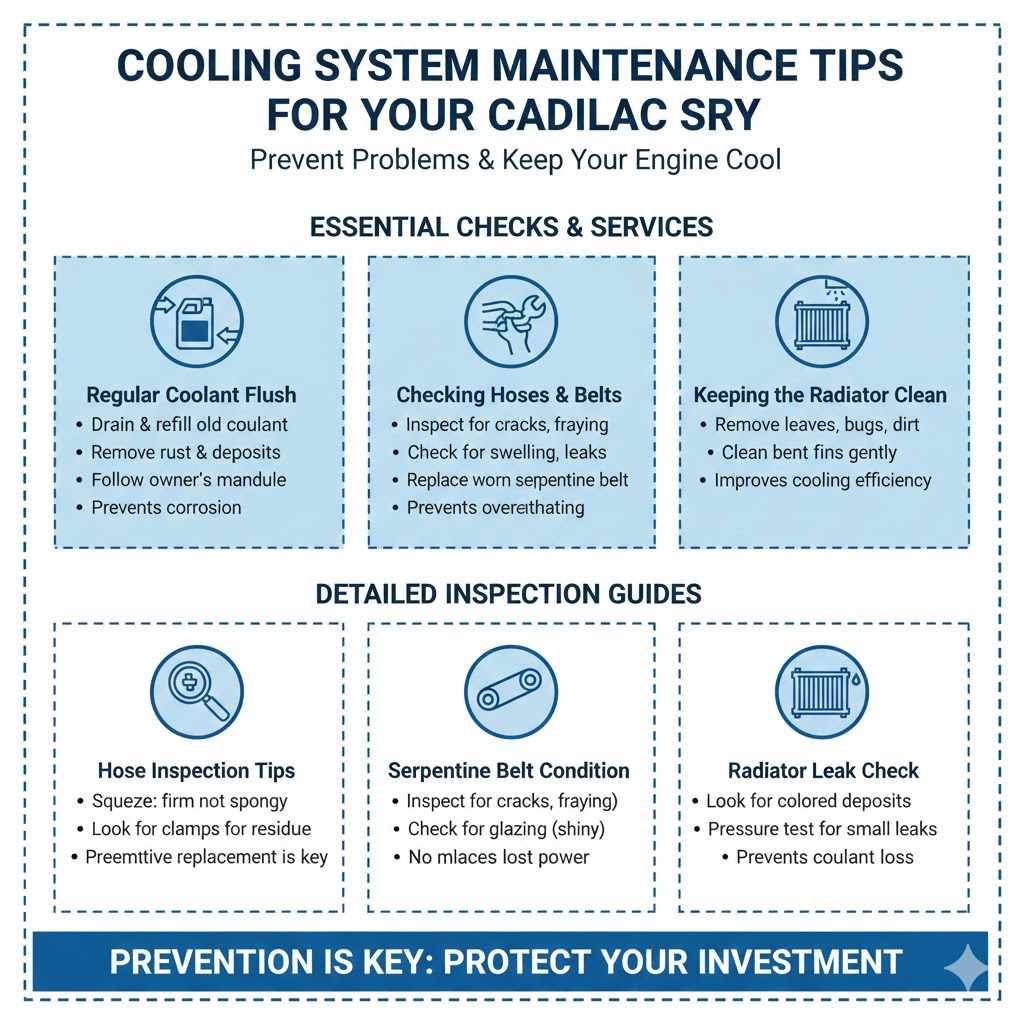
Regular Coolant Flushes
Over time, engine coolant can become contaminated and lose its effectiveness. It can also become acidic, which can damage cooling system components. A coolant flush involves draining the old coolant and refilling the system with fresh coolant.
The frequency of coolant flushes depends on your vehicle’s age and the type of coolant used. Your owner’s manual will provide a recommended schedule. Following this schedule is important for maintaining the cooling system’s health and preventing corrosion.
What Happens During a Coolant Flush
A coolant flush is more than just draining and refilling. It often involves using a special flushing agent to remove rust, scale, and other deposits from inside the cooling system. The old coolant is then completely drained, and the system is rinsed with distilled water before the new coolant is added.
This process ensures that the cooling system is clean and free of debris that could impede coolant flow or damage parts. A clean system operates more efficiently, helping to keep engine temperatures stable and reducing the strain on the cooling fan.
Choosing the Right Coolant
Using the correct type of coolant is paramount for your 2015 Cadillac SRX. Different coolants have different chemical compositions and are designed for specific metals and alloys found in your engine. Using the wrong type can lead to corrosion, gelling of the coolant, or reduced cooling efficiency.
Always refer to your owner’s manual for the specific GM or Cadillac-approved coolant. It will often specify a color (e.g., orange, pink, green) and type (e.g., OAT, HOAT). Mixing different types of coolant can cause chemical reactions that are harmful to the cooling system.
Checking Hoses and Belts
The cooling system relies on rubber hoses to circulate coolant. These hoses can degrade over time due to heat and age. They can become brittle, cracked, or swollen.
A leaking hose can lead to a significant loss of coolant, causing overheating and forcing the fan to run excessively.
Similarly, the serpentine belt drives some accessories, including sometimes the water pump in older systems, or it can be connected to the fan in some designs. While the 2015 SRX primarily uses electric fans, ensuring the serpentine belt is in good condition is still part of overall engine maintenance. Look for cracks, fraying, or excessive wear on both hoses and belts.
Hose Inspection Tips
When inspecting hoses, squeeze them to feel for hardness or sponginess. A healthy hose should be firm but slightly pliable. Look for any signs of cracking, bulging, or coolant residue around the hose clamps and connections.
Pay close attention to the larger radiator hoses and the smaller heater hoses.
If you notice any of these signs, it’s best to replace the hose preemptively. A burst hose on the side of the road can leave you stranded and cause severe engine damage due to overheating.
Serpentine Belt Condition
The serpentine belt is a long, single belt that powers multiple accessories like the alternator, power steering pump, and air conditioning compressor. Inspect it for cracks, fraying, glazing (a shiny, smooth surface), or missing chunks. A worn belt can slip, leading to reduced performance of these accessories, or it can break entirely, causing a complete loss of power steering and alternator function.
If the belt shows any signs of wear, it should be replaced. Belt replacement is a relatively inexpensive maintenance item that can prevent more significant issues and ensure all engine-driven components function as intended.
Keeping the Radiator Clean
The radiator is where heat exchange happens. If the fins of the radiator are blocked by debris like leaves, bugs, or dirt, air cannot flow through it effectively. This reduces its ability to cool the engine.
As a result, the engine can overheat, and the cooling fan will run for longer periods.
You can clean the radiator by gently rinsing it with a hose. Be careful not to use high pressure, as this can bend the delicate fins. If the debris is particularly stubborn, a soft brush might be needed.
Keeping the front of your vehicle clean will help the radiator perform its job efficiently.
Radiator Fin Cleaning
The fins on a radiator are very thin and easily bent. Bent fins can restrict airflow. When cleaning, use a gentle stream of water and spray from the engine side towards the front of the car.
This will help push debris out. If you need to use a brush, opt for one with soft bristles, and always brush in the direction of the fins.
Regularly checking and cleaning the radiator fins can significantly improve your car’s cooling performance. This is especially important if you live in an area with a lot of airborne debris or frequently drive on unpaved roads.
Checking for Radiator Leaks
Besides visible damage, radiators can develop leaks. These leaks can be small and hard to spot, appearing as white or colored deposits around the radiator seams or tanks. A professional cooling system pressure test can reveal small leaks that might otherwise go unnoticed.
If a leak is detected, the radiator may need to be repaired or replaced. Even a small leak can lead to a significant loss of coolant over time, compromising the entire cooling system and potentially leading to overheating and prolonged fan operation.
Frequently Asked Questions
Question: Is it normal for my 2015 Cadillac SRX fan to run for a few minutes after I turn off the engine?
Answer: Yes, it is often normal. If the engine was running hot, or if it’s a very warm day, the fan may continue to run for a short period after you shut off the engine to dissipate residual heat.
Question: How long should the cooling fan typically run after shutting off my 2015 Cadillac SRX?
Answer: There’s no exact time, but usually, it’s just a few minutes, until the engine temperature drops to a safe level. If it runs for a very long time, like over 10-15 minutes, or if it makes unusual noises, it could indicate an issue.
Question: What kind of coolant does a 2015 Cadillac SRX use?
Answer: Your 2015 Cadillac SRX typically uses a Dex-Cool approved coolant, which is a specific type of orange-colored antifreeze. Always check your owner’s manual for the exact specification and type recommended by Cadillac.
Question: Can a faulty thermostat cause the fan to run longer after shutoff?
Answer: Yes, a faulty thermostat that doesn’t open properly can cause the engine to overheat, leading to the cooling fan running longer after the engine is shut off. It prevents proper coolant circulation.
Question: Should I worry if I hear a clicking sound from the fan after the car is off?
Answer: A slight clicking or whirring sound is usually normal as the fan winds down. However, if the clicking is loud, irregular, or sounds like grinding, it might indicate a problem with the fan motor or its bearings.
Wrap Up
Your 2015 Cadillac SRX’s cooling fan running after shutoff is often normal. It’s the car’s way of protecting the engine from heat. If it runs longer than expected or makes odd noises, checking the coolant and fan is a good idea.
If you’re unsure, a mechanic can help ensure everything is working right.