Why Do Car Chargers Charge Slower: Uncover the Shocking Truth
Have you ever plugged your phone into a car charger, only to notice it takes forever to power up? It’s frustrating when your device doesn’t charge as quickly as you expect, especially when you’re on the go.
You might wonder, why do car chargers charge slower than regular chargers? Understanding the reasons behind this can save you time and help you get the most out of your charging setup. Keep reading, because we’ll reveal the key factors that affect your car charger’s speed—and what you can do to fix it.
How Car Chargers Work
Car chargers seem simple, but they have a lot going on inside. They convert your car’s power into a form your phone or device can use. Understanding how they work helps explain why charging speed varies.
Basic Charging Principles
Car chargers take power from the car’s battery, usually 12 volts. This power is too strong for phones, so the charger lowers it. It changes voltage and controls current to charge safely.
The charger sends power through a cable to your device. The device controls how much power it accepts. This prevents damage and keeps the battery healthy.
Types Of Car Chargers
There are two main types of car chargers: USB-A and USB-C. USB-A is older and delivers less power. USB-C is newer and supports faster charging.
Some chargers have Quick Charge or Power Delivery technology. These adjust power levels for faster charging. Basic chargers lack these features, so they charge slower.
Factors Slowing Down Charging
Several factors slow down car charging speed. Understanding these helps improve charging time. Some problems are easy to fix, while others depend on your car or charger type.
Power Output Limitations
Chargers have different power outputs. Low-power chargers deliver less electricity. This causes slower charging. Your car also limits how much power it can take. Using a charger with low output or a car with low intake capacity slows charging.
Cable Quality And Length
Long or thin cables reduce power flow. Cheap cables may not handle high power well. This causes energy loss and slow charging. Using a good-quality, short cable helps charge faster.
Battery Condition
Old or damaged batteries charge slower. Batteries lose efficiency over time. Heat and cold affect battery speed too. A battery in poor condition will take longer to charge fully.
Vehicle Charging System
Your car’s charging system controls power flow. Older cars or those with weak systems charge slowly. The system manages battery health and charging speed. A modern car usually charges faster than an older one.
Impact Of Charger Compatibility
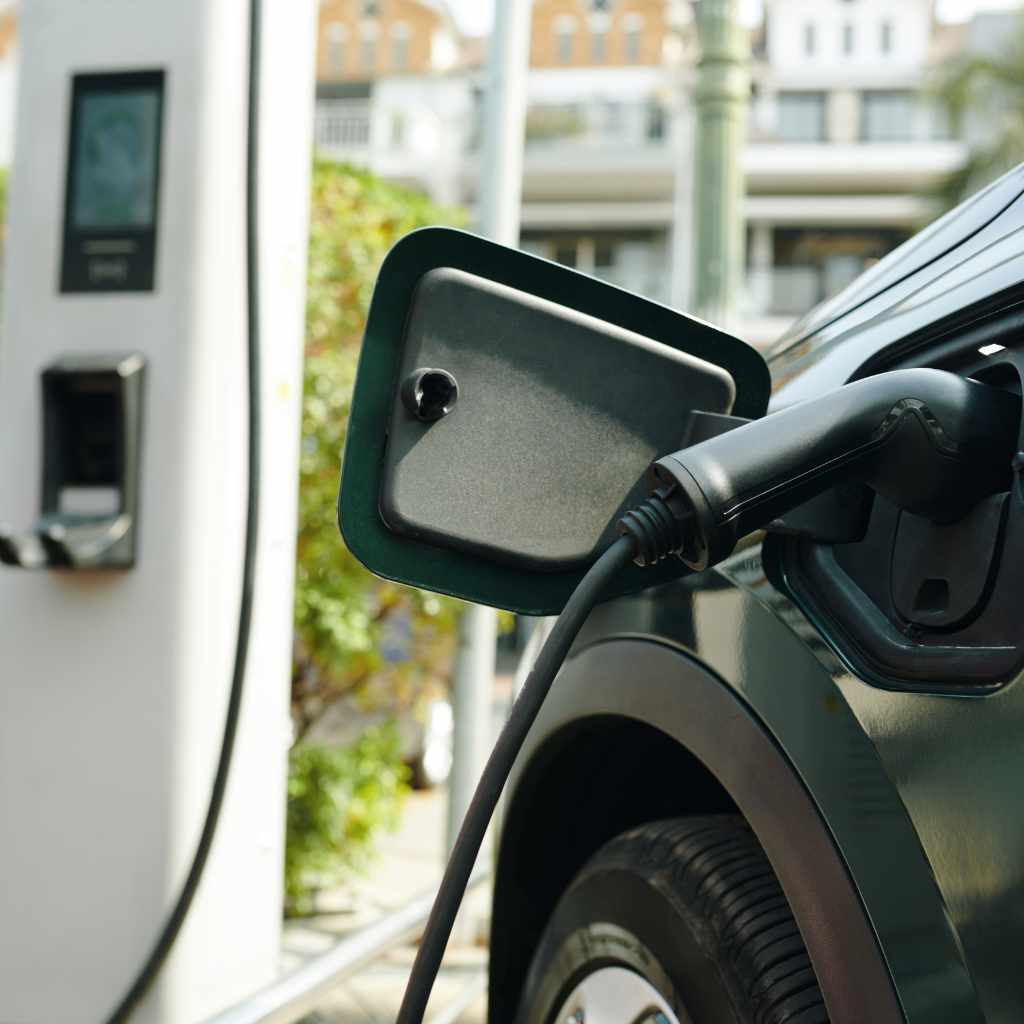
Charger compatibility plays a big role in how fast your car charges. Not all chargers work the same with every car. The wrong match can slow down charging times. Understanding this helps you get the best charging speed for your vehicle.
Matching Charger And Vehicle Specs
Every car has specific charging limits. Chargers also have their own power ratings. Using a charger that matches your car’s specs gives the fastest charge. A lower-powered charger will slow the process. High-powered chargers may not work well with cars that have low charging limits.
Check your vehicle’s manual for charging details. Look for voltage and current ratings. Then choose a charger that fits these numbers. This match avoids slow charging and protects your car’s battery.
Using Fast Chargers Correctly
Fast chargers deliver more power quickly. But cars control how much power they accept. A fast charger may not speed up charging if the car limits power intake. Some cars reduce speed to protect battery health.
Use fast chargers mainly for quick top-ups. For full charges, a regular charger may be better. Follow your car’s guidelines for fast charging. This helps keep your battery safe and efficient.
Environmental Influences
Environmental factors affect how fast car chargers work. These influences can slow down charging speeds. Understanding these helps improve charging efficiency.
Temperature Effects
Extreme temperatures impact the charging process. Cold weather slows battery chemical reactions. This reduces the charging speed significantly.
High temperatures can also cause chargers to slow. Heat triggers safety features to protect the battery. This limits how much power flows into the car.
Optimal charging happens at moderate temperatures. Most chargers work best between 20 and 25 degrees Celsius. Outside this range, expect slower charging times.
Charging Location Considerations
Where you charge your car affects speed. Indoor locations keep chargers and batteries at stable temperatures. This helps maintain consistent charging speeds.
Outdoor charging exposes devices to weather changes. Sun, rain, and wind can cause fluctuations. These changes often reduce charging efficiency.
Nearby electrical interference can also slow charging. Parking near heavy machinery or power lines may affect the charger. Choosing a quiet, clear spot can improve charging speed.
Common Myths About Charging Speed
Many people believe certain things about car chargers that are not true. These ideas can confuse users about why their devices charge slowly. Understanding the common myths helps you make better choices and improve charging speed. Let’s clear up some misunderstandings about charging power and charger types.
Higher Power Always Means Faster Charge
More power does not always mean quicker charging. Devices limit how much power they can safely take. A charger may offer high wattage, but the device controls the actual speed. Using a charger with too much power won’t damage the device, but it won’t speed up charging either. The device’s battery and software decide the best charging rate.
All Chargers Work Equally Well
Not all chargers deliver the same performance. Chargers vary in quality and technology. Some use outdated methods, resulting in slower charging. Others support fast charging standards that devices recognize. Using the right charger for your device can significantly affect how fast it charges. Low-quality or incompatible chargers may even harm battery health over time.
Tips To Speed Up Car Charging
Car charging can sometimes feel slow and frustrating. Small changes can make a big difference. These tips help speed up your car charging safely and efficiently. Pay attention to the charger, battery health, and the environment around your car.
Choosing The Right Charger
Pick a charger that matches your car’s power needs. Higher wattage chargers deliver faster charging. Check your car’s manual for the recommended charger type. Avoid cheap or low-quality chargers that limit charging speed. Using the correct charger keeps your car safe and charges faster.
Maintaining Battery Health
Keep your battery healthy to improve charging speed. Avoid letting the battery drain completely. Charge the battery regularly but don’t overcharge it. Extreme temperatures can harm the battery’s performance. A healthy battery charges quicker and lasts longer.
Optimizing Charging Conditions
Charge your car in a cool, shaded area. Heat can slow down the charging process. Use a clean and dry charging port for better connection. Avoid using the car while charging to speed up the process. Charging under good conditions helps the battery fill up faster.
Frequently Asked Questions
Why Do Some Car Chargers Charge Slower?
Car chargers may charge slower due to low power output or incompatible devices. Charging speed depends on charger wattage and cable quality. Using older or damaged cables also reduces charging efficiency. Always use chargers and cables matching your device’s specifications for optimal speed.
Does Cable Quality Affect Charging Speed?
Yes, cable quality significantly affects charging speed. Poor-quality or damaged cables limit power flow, causing slow charging. High-quality cables support faster data and power transfer. Using certified cables ensures better durability and optimal charging performance for your devices.
Can Car Battery Affect Charger Speed?
Yes, a weak or old car battery can reduce charging speed. Low voltage output from the battery limits the charger’s power supply. Ensuring your car battery is healthy helps maintain consistent charging speeds for your devices during travel.
How Does Device Compatibility Impact Charging Speed?
Device compatibility affects charging speed because chargers and devices must support the same charging standards. Using a charger not compatible with your device’s fast charging protocol slows down charging. Always check your device and charger compatibility for faster, efficient charging.
Conclusion
Car chargers often charge slower due to lower power output. The car’s battery and wiring can limit charging speed too. Using a charger with higher wattage helps speed up charging. Cable quality and connection also affect how fast your device charges.
Understanding these factors helps you choose the right charger. Slow charging is normal but can be improved with better equipment. Keep your devices and chargers clean for the best performance. Now, you know why car chargers may seem slow sometimes.