Top-Rated USB Car Chargers for Lightning-Fast Charging On-The-Go
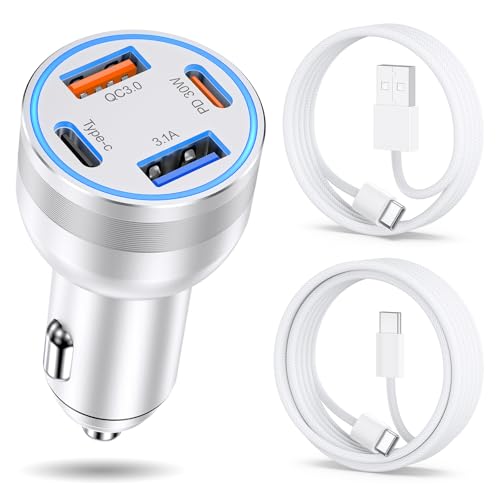
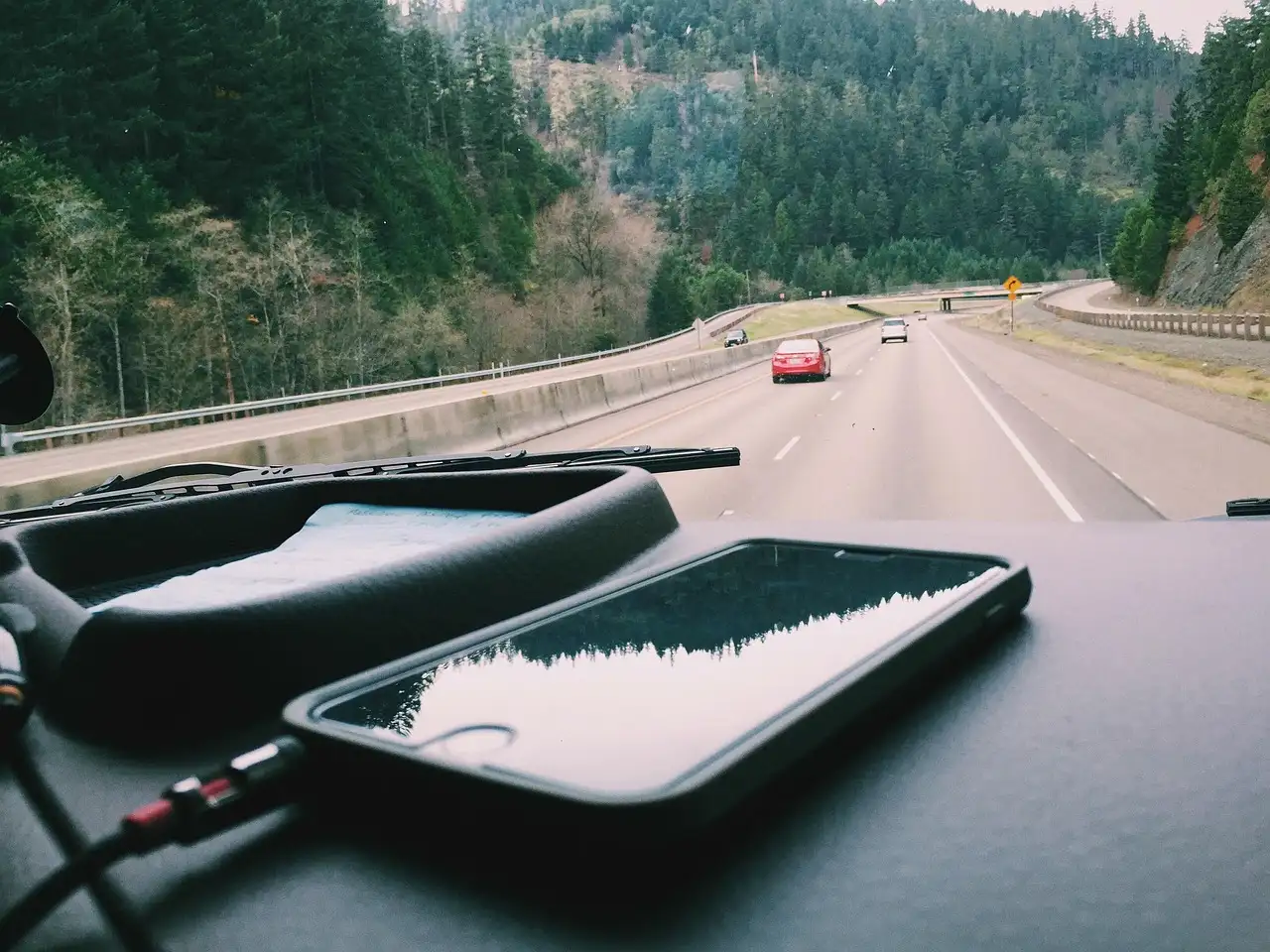
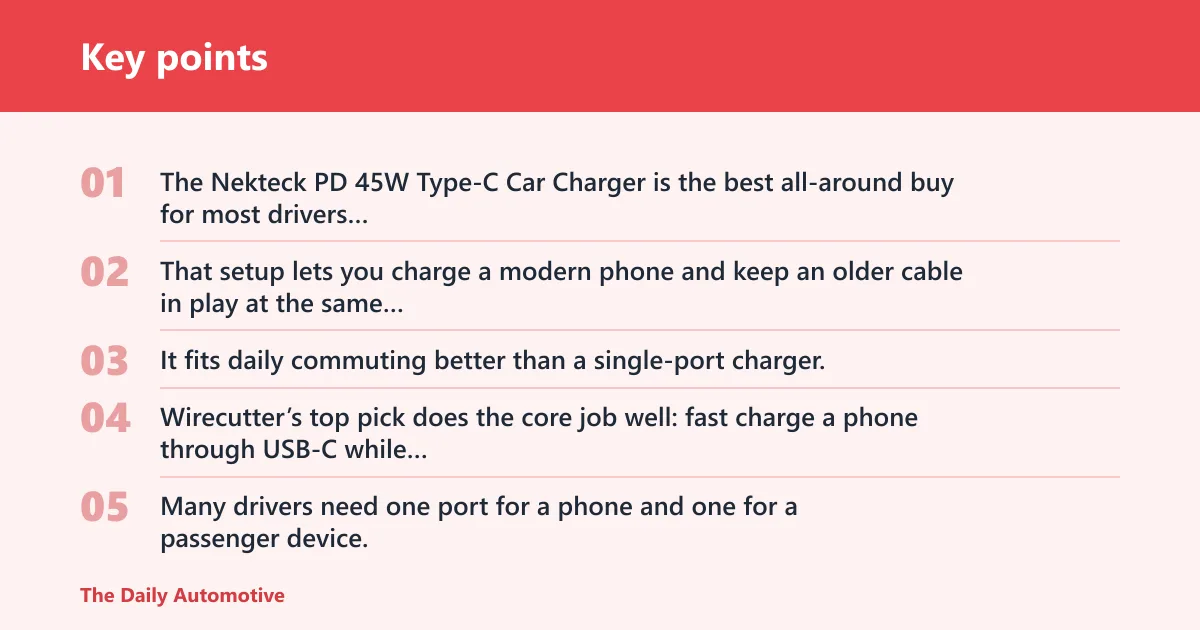
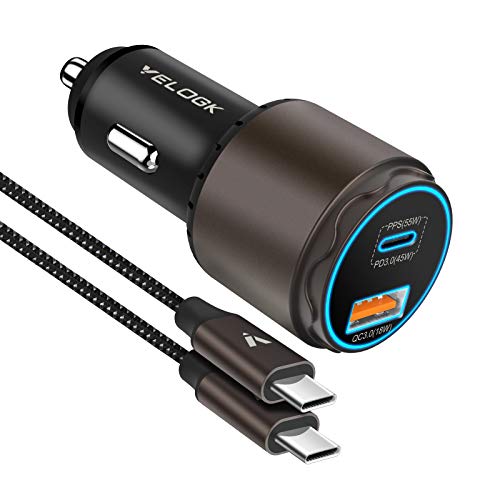
The Nekteck PD 45W Type-C Car Charger is the best all-around buy for most drivers because it pairs a 45W USB-C port with a 12W USB-A port. That setup lets you charge a modern phone and keep an older cable in play at the same time. It fits daily commuting better than a single-port charger.
Best overall USB car charger

Why this split-port layout works for most drivers
Wirecutter’s top pick does the core job well: fast charge a phone through USB-C while leaving USB-A open for a second device or a legacy cable. Many drivers need one port for a phone and one for a passenger device, not a giant total wattage number.
It also fits more vehicles. The charger plugs into a standard 12V/24V socket, so it is meant for cars, trucks, and SUVs that use the common cigarette-lighter adapter format. That broad input compatibility helps if the same charger moves between vehicles.
Quick picks
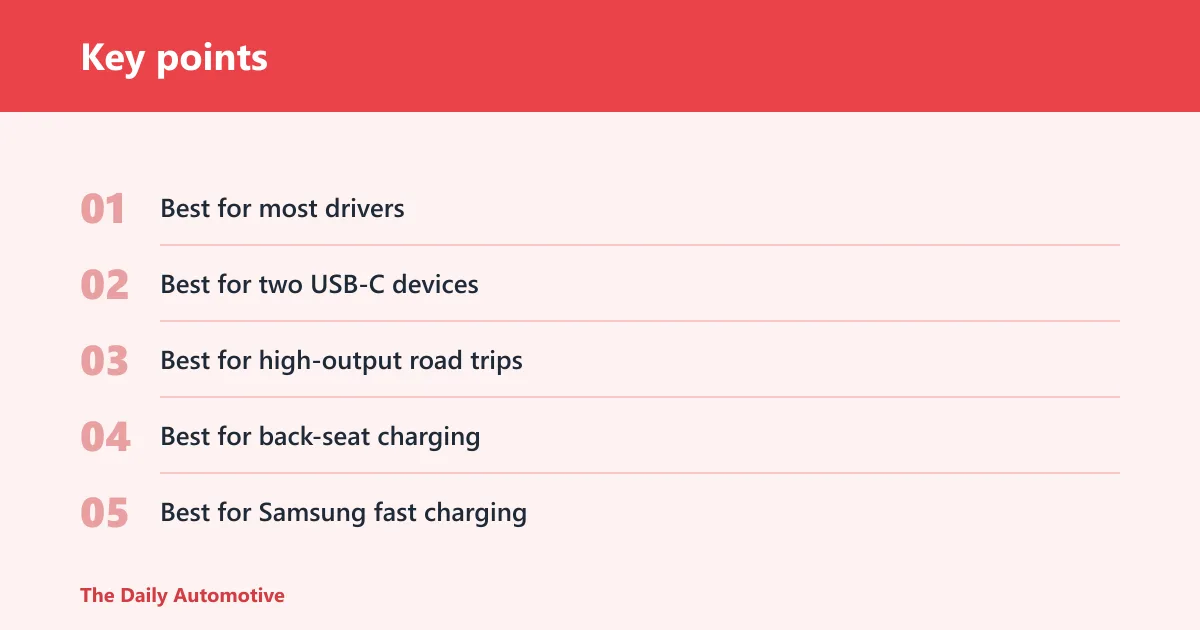
- Best for most drivers: Nekteck PD 45W Type-C Car Charger — 45W USB-C plus 12W USB-A.
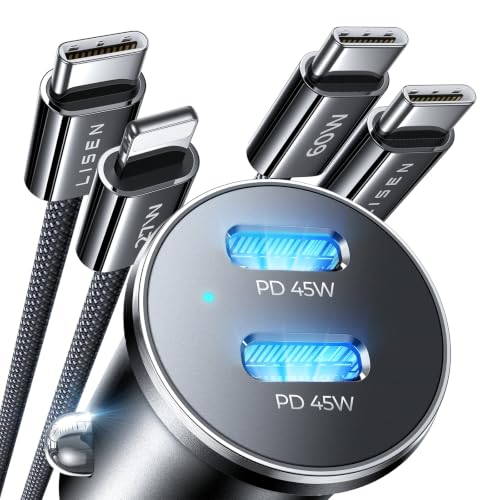
- Best for two USB-C devices: Scosche PowerVolt PD40 (CPDCC40) — two USB-C ports, 20W per port.
- Best for high-output road trips: Anker 167.5W Nano, three ports and 100W charging capability.
- Best for back-seat charging: A charger with a long cable or a rear-seat-focused design, such as the DeWalt 72W Front and Back Seat Charger.
- Best for Samsung fast charging: A PD charger that also supports PPS.
Nekteck PD 45W type-C car charger
This is the best fit when you want one strong USB-C port for a phone or tablet and one USB-A port for a second device. Wirecutter lists it as the top pick, and the port mix is the reason: 45W on USB-C leaves room for modern fast charging, while 12W USB-A keeps older gear useful.
Scosche PowerVolt PD40 (CPDCC40)
Choose this when two people both need USB-C charging. Wirecutter’s alternative pick has two USB-C ports and 20W per port, which is enough for phone fast charging and light tablet top-ups. It is the cleaner choice if you do not need USB-A at all.
Anker 167.5W Nano
WIRED names the Anker 167.5W Nano as its best USB car charger, and the three-port layout matters more than the headline wattage for many buyers. It can serve a phone, a second device, and a third accessory at once, with 100W charging capability and overheat protection for demanding multi-device use.
Charging needs matrix
| Driver scenario | Minimum safe wattage | Port count | Cable type |
|---|---|---|---|
| Commuter phone top-ups | 18W to 20W | 1 | USB-C to USB-C for Android and tablets; USB-C to Lightning for iPhone |
| Two-phone households | 40W total or more | 2 | Two matching charge cables; one may be USB-C to Lightning |
| iPhone plus laptop | 45W minimum, 65W preferred | 2 | USB-C to USB-C for the laptop; USB-C to Lightning for the iPhone |
| Samsung Super Fast Charging | 25W to 45W with PPS | 1 to 2 | USB-C to USB-C |
| Family back-seat charging | 45W to 72W total | 3 or more | Mixed cables, often with a rear-seat reach cable or retractable cord |
| Road-trip multi-device setup | 65W to 100W+ | 3 | USB-C to USB-C plus any legacy USB-A cable you still need |
That table is the fastest useful way to separate “enough for a top-up” from “enough to share between several devices.” A 20W charger can keep a phone alive. A 45W or 65W unit can handle more serious use. A 100W-class charger makes sense when a laptop enters the mix.
Say your phone is at 18% before a 40-minute commute. A 20W USB-C charger is the minimum sensible choice. If the passenger also needs a tablet, port count matters as much as wattage, because one strong port will not help if the second device has nowhere to plug in.
How many watts do you need for a car charger?
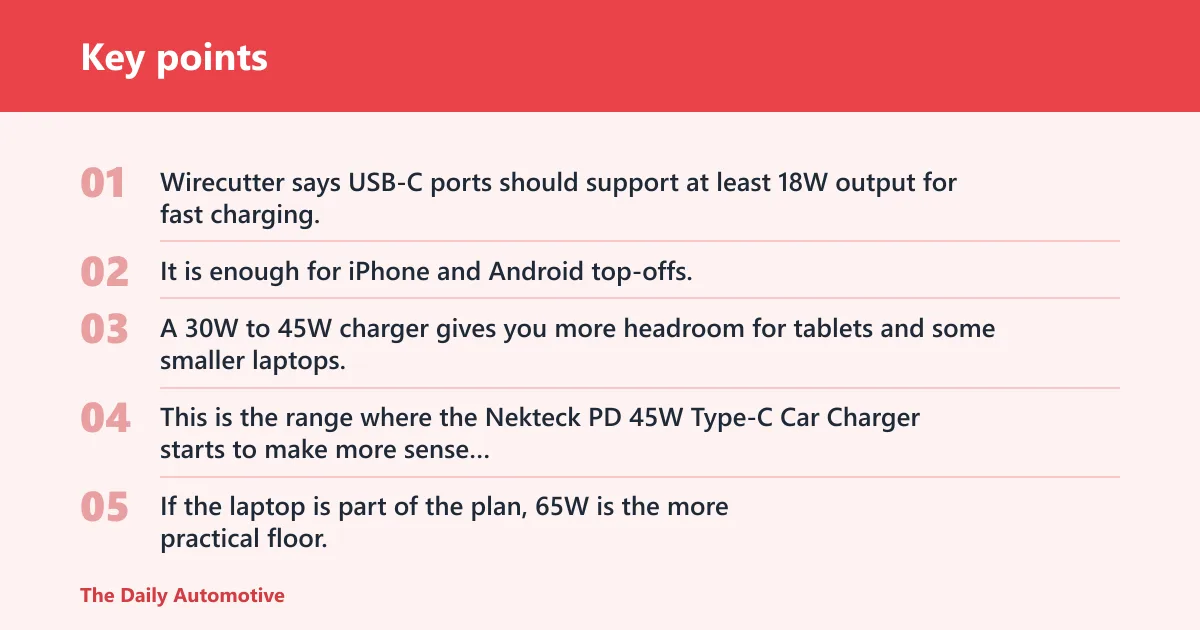
For most phones, 18W to 20W is the practical floor for fast charging, especially over short drives. Move up to 30W to 45W if you want a better buffer for tablets, larger phones, or a device that needs more power for a useful top-off during the trip.
18W to 20W for phones
The same source says USB-C ports should support at least 18W output for fast charging. That is the baseline for modern phones. It is enough for iPhone and Android top-offs, but it is not the same thing as laptop-grade power.
30W to 45W for tablets and light laptop use
A 30W to 45W charger gives you more headroom for tablets and some smaller laptops. This is the range where the Nekteck PD 45W Type-C Car Charger starts to make more sense than a 20W-only design, because the extra output can cover stronger demand without changing the charger class.
65W and above for tougher laptop charging needs
If the laptop is part of the plan, 65W is the more practical floor, and 100W becomes useful for harder charging jobs or multi-device sharing. That does not mean every laptop will pull the full rating, but it does mean the charger is less likely to be the limiting factor.
Why port sharing lowers real output
Multi-port chargers usually split their power across active ports. A charger advertised at 45W, 67W, or 167.5W does not always deliver that number to every socket at once. Once two or three devices are plugged in, the usable output per device drops, so you need to read the per-port numbers, not only the total.
Which charger fits your device mix?
The right charger depends on the devices you carry, not the logo on the box. One driver needs a simple phone top-up. Another needs two USB-C ports. Another needs laptop-level output. Pick the charger that matches the heaviest device you expect to charge in the car.
Scosche PowerVolt PD40 for two USB-C devices
The Scosche PowerVolt PD40 (CPDCC40) is the cleanest answer for two-phone households that live on USB-C. With two USB-C ports at 20W per port, it fits paired phone charging without forcing you into a USB-A compromise.
Anker 167.5W Nano for high-output multi-device charging
Use the Anker 167.5W Nano when the car has to handle a phone, a tablet, and a laptop or a second high-demand device. WIRED points to its three ports, and that third port matters on long trips because you are not rationing plugs every time a passenger wants power.
When USB-A still makes sense
USB-A still matters for older cables and some accessories. The same source says USB-A ports should offer 12W or more, which is the threshold that keeps them useful rather than decorative. A mixed charger with USB-C and USB-A is often the most flexible choice for family cars.
Do you need PD or PPS?
USB-C Power Delivery is the standard most drivers should look for first because it handles modern iPhone, Android, tablet, and many laptop charging needs. PPS is the extra feature that matters most for newer Galaxy phones that want Samsung Super Fast Charging.
What USB-C Power Delivery does for iPhone, Android, tablets, and laptops
PD is the baseline fast-charging standard for USB-C car chargers. It is the reason a charger can go beyond a weak built-in car port and deliver the higher output that modern devices expect. For most buyers, a USB-C port with at least 18W output and PD support is the starting point.
Why PPS matters for newer Galaxy phones
PPS, or Programmable Power Supply, is the protocol Samsung uses for Super Fast Charging on newer Galaxy phones. A charger can support PD without PPS, and that still helps many devices. But if the phone is a newer Galaxy model and Super Fast Charging is the goal, PPS is the safer bet.
When a charger can have PD without PPS
Many chargers stop at PD because that is enough for phones that do not need Samsung’s PPS behavior. That is why a charger can still be a good buy even if PPS is absent. The deciding question is simple: do you own a newer Galaxy phone that you want to charge at Samsung’s faster setting?
Are cheap USB car chargers safe to use?
Cheap chargers can be safe, but only if they control heat and fit the vehicle’s electrical limits. Look for overheat protection, sensible wattage for the socket, and clear input support for 12V/24V systems. A bargain charger that runs hot or overloads the outlet is a bad trade.
Heat management and overheat protection
Heat is the first safety issue with car chargers. Higher-wattage chargers create more thermal load, especially when several devices are plugged in. That is why overheat protection is worth paying for, and why the Anker 167.5W Nano’s protection feature matters in a serious multi-device setup.
Fuse-load limits in older 15A vehicles
Older 15A vehicles may struggle with high-draw multi-port chargers if the outlet and fuse limit are already near capacity. That is not a reason to avoid all fast chargers. It is a reason to match the charger’s demand to the vehicle’s socket and avoid stacking several power-hungry devices on one circuit.
12V/24V socket compatibility for cars, trucks, and SUVs
A charger that lists 12V/24V compatibility is the safer choice if it will move between a car, truck, and SUV. Most car chargers use the cigarette-lighter adapter format, but the input range still matters. If a charger is built for only one voltage class, it is a narrower fit.
How to choose
Start with the heaviest device you plan to charge in the car, then add the number of ports you actually need. A phone-only driver can live in the 18W to 20W range. A mixed-device household should look at 45W with at least two ports. A laptop user should move to 65W or higher.
Next, match the cable to the device. iPhone users usually need USB-C to Lightning. Android phones, tablets, and many laptops usually need USB-C to USB-C. If you keep an older device in the mix, a USB-A port still has value, but it should deliver at least 12W.
Picture a parent with two rear-seat tablets and one front-seat phone. A single 20W charger will not solve that setup. A three-port charger with enough total wattage and the right cable mix will. The gap between “works” and “works well” is usually port count, not brand prestige.
A common first-timer mistake is buying a 100W charger for a phone-only commute and then discovering the cable is wrong. Power rating is only half the decision. The other half is connector type, because the charger cannot fast-charge an iPhone with the wrong cable in the port.
Frequently asked questions
What is the best USB car charger for fast charging?
For most drivers, the Nekteck PD 45W Type-C Car Charger is the best balanced pick because it combines a 45W USB-C port with a 12W USB-A port. That gives you modern fast charging for a phone and a second port for older gear without moving into laptop-only territory.
Do I need USB-C Power Delivery in a car charger?
Yes, if you want modern fast charging. USB-C Power Delivery is the standard that makes a car charger useful for iPhone, Android, tablets, and many laptops. Without PD, a USB-C port may still charge, but it may not reach the speed most buyers expect from a fast charger.
What is the difference between PD and PPS in car chargers?
PD is the broader USB-C fast-charging standard. PPS is a more specific protocol that newer Galaxy phones use for Samsung Super Fast Charging. A charger can have PD without PPS, and that still works well for many devices. PPS matters most when Samsung is the main device.
Can a car charger fast-charge an iPhone and a Samsung at the same time?
Yes, if the charger has enough total power and the right port mix. A dual-port USB-C charger or a mixed USB-C and USB-A charger can handle both, but port sharing reduces available power per device. For the best result, choose a charger that supports PD and, if needed, PPS.
Do I need a USB-C cable for fast charging in the car?
Usually, yes. iPhones need a USB-C to Lightning cable for fast charging with a USB-C car charger, and most Android phones, tablets, and laptops need a USB-C to USB-C cable. A USB-A port still works with older cables, but it is the less flexible path for modern fast charging.
What car charger is best for road trips?
For road trips, choose a charger with at least three ports and 65W or more, and move to 100W if a laptop is in the mix. The Anker 167.5W Nano fits that use case well because it offers three ports, 100W charging capability, and the headroom that long drives with multiple devices demand.
Products related to this article
Sponsored / affiliate links. As an Amazon Associate I earn from qualifying purchases. I may earn additional commission from eligible campaigns.