Why Does My Car Burn Oil So Fast?
Hey there! If you’ve noticed your car’s oil level dropping faster than it should, you’re not alone. It’s a frustrating issue I’ve dealt with myself, and it can make you wonder what’s going on under the hood. Oil is the lifeblood of your engine, keeping everything running smoothly, so when it disappears quickly, it’s a sign that something’s not right.
I’ve spent years tinkering with cars and talking to mechanics to figure out why this happens. In this article, I’ll walk you through the reasons your car might be burning oil so fast, what it means, and how you can fix it. Let’s dive in and get to the bottom of this!
What Does It Mean When a Car Burns Oil?
When we say a car is “burning oil,” it means the engine is consuming oil faster than normal. Oil isn’t supposed to disappear—it’s meant to stay in the engine, lubricating parts like the pistons, crankshaft, and valves. But if your car is burning oil, it’s either getting burned up during combustion or leaking out somewhere. I first noticed this with my old sedan when I had to top off the oil every few weeks. It’s not just annoying; it can hurt your engine if you don’t address it.
Burning oil usually shows up as low oil levels on the dipstick, blue or gray smoke from the exhaust, or a burning smell. If you’re adding oil more often than your owner’s manual suggests (usually every 3,000 to 5,000 miles for conventional oil changes), your car is likely burning oil. Let’s explore the reasons why this happens.
Common Reasons Your Car Burns Oil
There are several reasons your car might be guzzling oil. I’ve seen this happen in my vehicles and learned the hard way what to look for. Here are the most common culprits:
Worn Piston Rings
Piston rings seal the combustion chamber, keeping oil in the crankcase and preventing it from mixing with fuel and air. Over time, these rings wear out, especially in older cars with high mileage. When I had a 15-year-old truck, worn piston rings were the main reason it burned oil. Worn rings let oil slip into the combustion chamber, where it burns during the engine’s power stroke. This can cause blue smoke from the tailpipe, especially when you accelerate.
Fixing worn piston rings isn’t cheap. It often requires an engine rebuild, which can cost $2,000 to $5,000, depending on the car. If you’re handy, you might tackle this yourself, but it’s a big job. Regular oil changes with high-quality oil can slow down wear, but once the rings are gone, they need professional attention.
Damaged Valve Seals or Guides
Valve seals and guides control oil flow around the engine’s valves. If they’re worn or damaged, oil can leak into the combustion chamber. I noticed this on an old hatchback I owned—the exhaust puffed blue smoke every morning when I started it. That’s a classic sign of bad valve seals, as oil leaks into the cylinders overnight.
Replacing valve seals is less invasive than fixing piston rings, but still costs $1,000 to $2,000 at a shop. Using the right oil viscosity, as recommended by your car’s manual, can help prevent this issue. If you catch it early, an oil additive designed for high-mileage engines might slow the leak.
Leaking Gaskets
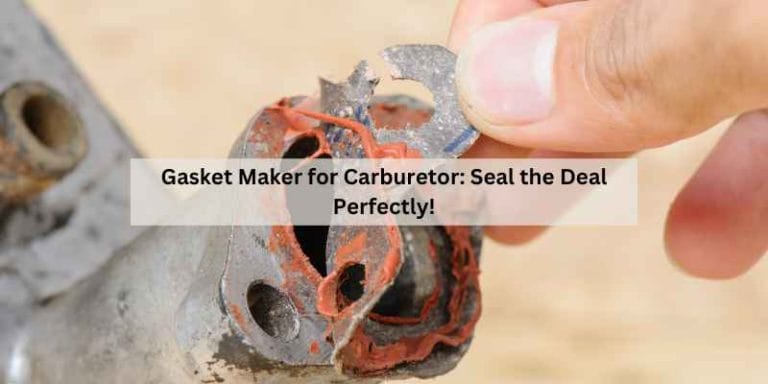
Gaskets seal different parts of the engine, like the valve cover or oil pan. A leaky gasket lets oil escape, either burning off on hot engine parts or dripping onto the ground. I once found a puddle under my car and traced it to a worn valve cover gasket. It was an easy fix, costing about $100 at a mechanic, but it made a big difference.
Check for oil spots where you park. If you see them, pop the hood and look for oily residue around the engine. Replacing a gasket is usually straightforward, but neglecting it can lead to bigger problems, like low oil pressure.
Incorrect Oil Type
Using the wrong oil can cause your engine to burn it faster. I learned this the hard way with a sports car that needed synthetic 5W-30 but was filled with conventional 10W-40 by a quick-lube shop. The wrong viscosity can slip past seals or burn off more easily. Always check your owner’s manual for the right oil type and stick to it. Synthetic oils often perform better in modern engines, reducing burn-off.
Turbocharger Issues
If your car has a turbocharger, it could be the culprit. Turbochargers rely on oil to lubricate their fast-spinning parts. Worn seals in the turbo can let oil leak into the exhaust or intake, where it burns. I had a friend with a turbocharged SUV who noticed oil disappearing and a smoky exhaust. A new turbo set him back about $1,500, but it solved the problem.
Regular maintenance, like changing oil on time, can prevent turbo issues. If you hear a whining noise or see excessive smoke, get the turbo checked.
High Mileage and Engine Wear
Older engines naturally burn more oil. As parts like piston rings, seals, and gaskets wear out, oil finds more ways to escape or burn. My 200,000-mile sedan burned about a quart every 1,000 miles. It wasn’t a major issue, but I had to keep an eye on the dipstick. High-mileage oils with additives can help, but worn engines may eventually need a rebuild or replacement.
Driving Habits
How you drive can affect oil consumption. I used to push my car hard—lots of high-speed driving and quick acceleration. That puts extra stress on the engine, causing it to burn more oil. Short trips where the engine doesn’t fully warm up can also increase oil burn, as condensation builds up and mixes with the oil. Try to drive at moderate speeds and let the engine warm up to reduce oil loss.
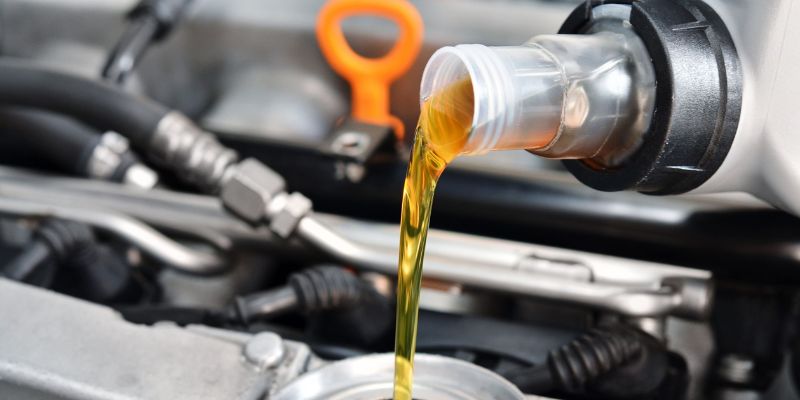
Signs Your Car Is Burning Oil
How do you know if your car is burning oil? Here are the signs I’ve learned to watch for:
- Low Oil Levels: Check your dipstick regularly. If the oil level drops between changes, you’ve got a problem.
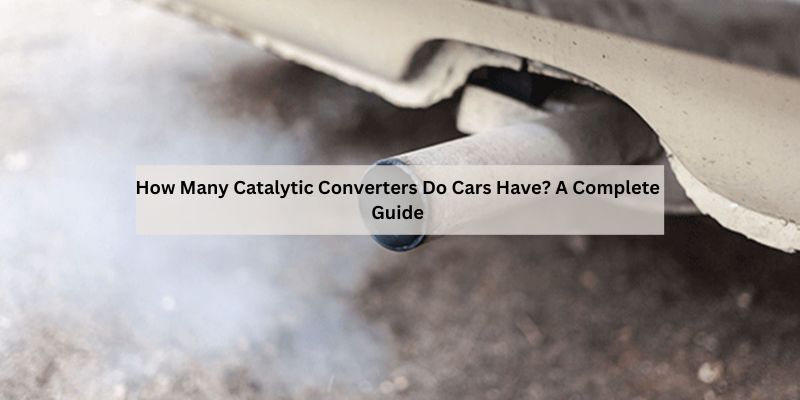
- Blue or Gray Exhaust Smoke: This happens when oil burns in the combustion chamber. It’s most noticeable when starting the car or accelerating.
- Burning Smell: If you smell something like burnt oil, it could be leaking onto hot engine parts.
- Poor Engine Performance: Burning oil can foul spark plugs, leading to misfires or sluggish acceleration.
- Oil Spots Under the Car: Leaks often leave puddles where you park.
If you notice any of these, don’t ignore them. I made that mistake once and ended up with a fouled spark plug that cost me a tow and a repair bill.
How to Diagnose the Problem
Diagnosing why your car burns oil takes some detective work. Here’s how I approach it:
- Check the Oil Level: Pop the hood and use the dipstick to check the oil level. Do this when the engine is cool and on level ground. If it’s low, note how much you need to add.
- Look for Leaks: Check under the car for oil spots. Look around the engine for oily residue, especially near the valve cover or oil pan.
- Inspect the Exhaust: Start the car and look for blue or gray smoke. If it’s worse when you rev the engine, it’s likely burning oil internally.
- Monitor Driving Conditions: Notice if the oil burns faster during certain types of driving, like high-speed trips or short commutes.
- Visit a Mechanic: If you can’t pinpoint the issue, a professional can run tests like a compression test or leak-down test to check piston rings and valves.
I usually start with these steps before spending money on repairs. It helps narrow down the cause and saves time at the shop.
How to Fix a Car That Burns Oil
Fixing oil burning depends on the cause. Here’s a table summarizing the issues, fixes, and estimated costs based on my experience:
| Issue | Fix | Estimated Cost |
|---|---|---|
| Worn Piston Rings | Engine rebuild or replacement | $2,000–$5,000 |
| Damaged Valve Seals | Replace valve seals | $1,000–$2,000 |
| Leaking Gaskets | Replace gaskets | $100–$500 |
| Incorrect Oil Type | Repair or replace the turbocharger | $20–$50 (oil change) |
| Turbocharger Issues | Use high-mileage oil, consider a rebuild | $1,000–$2,500 |
| High Mileage/Wear | Use high-mileage oil, consider rebuild | $50–$5,000 |
For minor issues like a leaky gasket, I’ve done the repairs myself with a basic toolkit. But for bigger problems like piston rings or turbos, I recommend a trusted mechanic. Always use high-quality oil and follow your car’s maintenance schedule to prevent further issues.
Preventing Oil Burning in the Future
I’ve learned that prevention is better than dealing with costly repairs. Here are some tips to keep your car from burning oil:
- Regular Oil Changes: Stick to the schedule in your owner’s manual. I change my oil every 5,000 miles with synthetic oil.
- Use the Right Oil: Check your manual for the recommended viscosity and type. Synthetic oils are often better for modern engines.
- Check Oil Levels Monthly: I make it a habit to check my dipstick every few weeks. It’s a quick way to catch problems early.
- Drive Smart: Avoid aggressive driving and short trips. Let the engine warm up fully to reduce oil contamination.
- Maintain Your Turbo: If your car has a turbo, keep up with oil changes and avoid shutting off the engine right after high-speed driving.
These steps have helped me keep my current car running smoothly without burning oil.
When to Seek Professional Help
Sometimes, the problem is too big to fix on your own. If you see heavy smoke, hear strange engine noises, or need to add oil every week, it’s time to call a mechanic. I once ignored a burning oil issue, thinking I could just keep topping it off. Big mistake—it led to a damaged catalytic converter that cost $1,200 to replace. A good mechanic can diagnose the issue accurately and save you from bigger headaches.
Conclusion
Dealing with a car that burns oil fast can feel overwhelming, but it’s a problem you can tackle with the right knowledge. From worn piston rings to leaky gaskets, there are many reasons your car might be losing oil. By checking for signs like smoke or low oil levels, you can figure out what’s wrong and decide on the best fix. I’ve been there, adding oil every few weeks and wondering if my car was on its last legs. But with regular maintenance, the right oil, and timely repairs, you can keep your engine healthy and your wallet happy. Stay on top of your car’s needs, and it’ll reward you with years of reliable driving. Got more questions? Check out the FAQs below for quick answers!
FAQs
Why is there blue smoke coming from my car’s exhaust?
Blue smoke usually means your engine is burning oil. It could be due to worn piston rings, bad valve seals, or a faulty turbocharger. Check your oil level and get it to a mechanic for a proper diagnosis.
How often should I check my car’s oil level?
I check mine every month or before long trips. It’s a quick way to catch oil loss early. Always check when the engine is cool and on level ground.
Can using the wrong oil cause my car to burn oil?
Yes, it can! I once used the wrong viscosity, and my car burned oil faster. Check your owner’s manual for the right oil type, usually listed as something like 5W-30 or 10W-40.
Is it safe to drive if my car is burning oil?
It depends on how much oil it’s losing. If you’re adding a quart every 1,000 miles, it’s manageable but needs attention. If it’s more than that, get it fixed soon to avoid engine damage.
Can I fix a leaky gasket myself?
If you’re handy with tools, you can replace a valve cover or oil pan gasket. I’ve done it with a $20 gasket and some elbow grease. Just follow a repair guide for your car model.
What’s the best oil for a high-mileage car?
High-mileage synthetic oils with additives work great for older engines. I use them in my 200,000-mile car to reduce leaks and burn-off. Check your manual for the right viscosity.