Why is My Car AC Running But Not Cooling: Top Fixes
You’ve just hopped into your car on a scorching summer day. You crank up the AC, expecting a blast of cool relief, but instead, you’re met with a disappointing stream of warm air.
Frustration builds as you wonder, “Why is my car AC running but not cooling? ” You’re not alone, and this is a common issue that many car owners face. Imagine driving in comfort, no matter how high the temperature rises outside.
Understanding why your AC isn’t performing can transform your driving experience and save you from unnecessary repairs. By the end of this article, you’ll know what might be causing your AC to falter and how you can address it. Let’s dive in and get your car feeling like a refreshing oasis on wheels.
Common Causes Of AC Malfunction
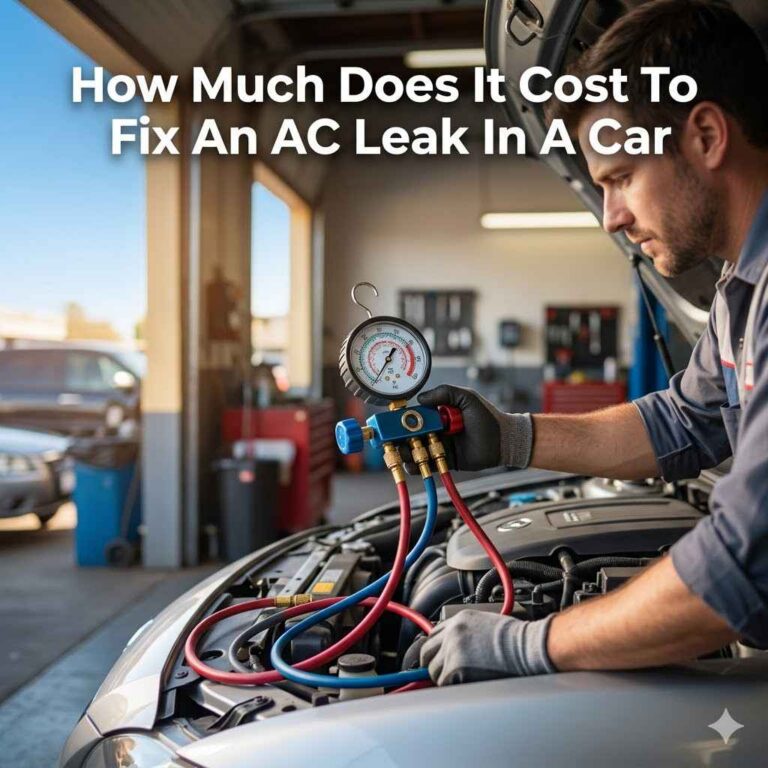
Your car’s AC might not cool if it lacks enough refrigerant. This is a special liquid. It turns into gas to cool your car. A leak can cause levels to drop. This makes cooling less effective. A mechanic can check and refill it. This helps the AC work better.
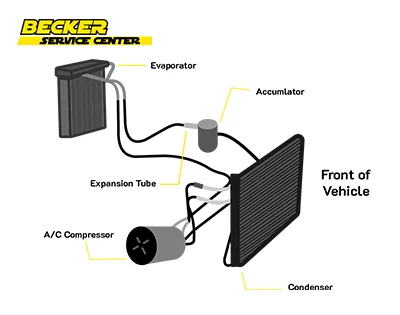
The compressoris the heart of the AC. It moves refrigerant through the system. If it breaks, the AC won’t cool. You may hear strange noises. These noises might mean a compressor problem. A professional can fix or replace it.
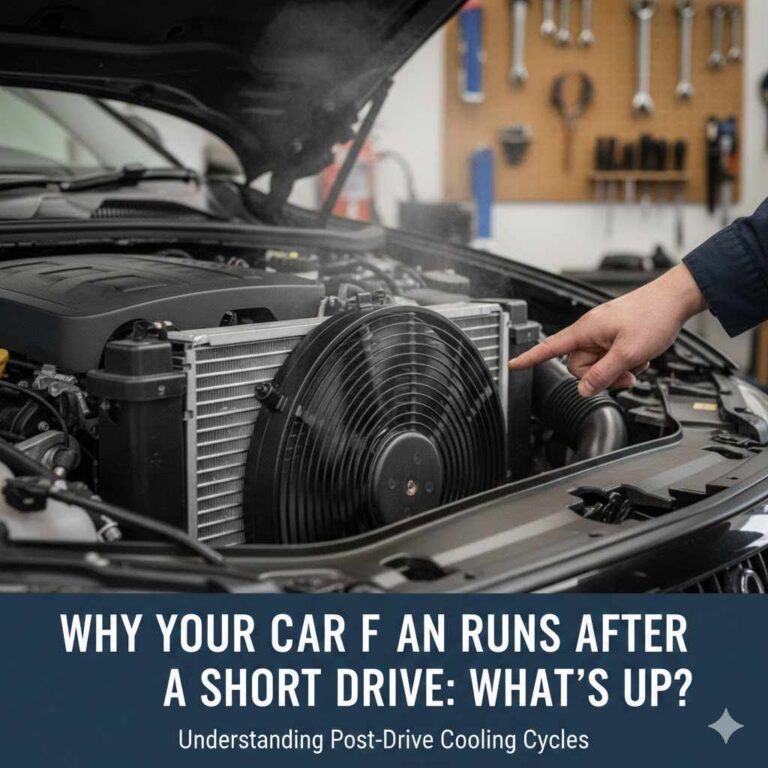
The condensercools the refrigerant. It turns hot gas back to liquid. Dirt and debris can block it. This prevents proper cooling. Cleaning it can solve the problem. A blocked condenser needs attention.

Credit: www.carserviceperth.com.au
Diagnosing The Problem
Low refrigerant levels can cause poor cooling. Always check the gauge to see the level. If the level is low, there might be a leak. Leaks can cause the refrigerant to escape. This stops the cooling process. Get it fixed by a professional.
The compressor is the heart of the AC system. It pumps the refrigerant through the system. If the compressor is not working, the AC will not cool. Check if the compressor turns on when the AC is running. If not, it might need repair.
A dirty or blocked condenser can cause cooling problems. The condenser releases heat from the refrigerant. Make sure it is clean and not blocked by debris. Use water to wash away dust and dirt. This helps in proper cooling.
Simple DIY Fixes
Car AC might lose its cooling power when the refrigerant is low. You can fix this by adding more refrigerant. Find the low-pressure port in your car. Attach the recharge kit there. Follow instructions on the kit. It’s usually simple and fast. Recharging can restore cooling.
Dust and dirt can block the condenser. This makes it hard for the AC to cool. Use water to clean the condenser. You might need a soft brush. Be gentle. Cleaning helps the AC work better. A clean condenser means better cooling.
Dirty filters stop air from flowing well. This can make the AC less cool. Find the AC filter in your car. Remove the old filter. Put in a new filter. It’s easy to replace. A new filter can improve cooling. Make sure to check filters regularly.
Professional Repair Options
Car AC issues often stem from low refrigerant or a faulty compressor. Seeking professional repair ensures accurate diagnosis and efficient solutions. Experts can also check for leaks or electrical problems, restoring your AC’s cooling performance.
Compressor Replacement
A broken compressor often causes AC problems. It is the heart of the AC system. Without it, your car won’t cool. Replacing the compressor can fix many issues. Professional help is usually needed. They have special tools and skills. This ensures the job is done right. A new compressor can be costly. Yet, it is a vital part to replace for cool air.
System Leak Repair
Leaks can make your AC blow warm air. Freon leaks are common. Freon is the gas that cools the air. When it leaks, the AC loses its cooling power. A mechanic can find and fix leaks. They use special tools to find leaks. Fixing leaks can save money in the long run.
Advanced Diagnostic Testing
Sometimes, the problem is hard to find. Advanced diagnostic tests can help. These tests check every part of the AC. They find hidden problems. Mechanics use computers for these tests. This makes sure nothing is missed. Finding the real problem saves time and money.
Preventive Maintenance Tips
Regular AC servicing keeps your car cool. Technicians check the system for leaks. They inspect the refrigerant levels. Filters are cleaned or replaced. This ensures clean air flows inside. A well-serviced AC lasts longer. It saves you money on big repairs.
Seasonal system checks are important. Before summer, have your AC inspected. Winter checks are also needed. These checks prevent sudden breakdowns. Technicians look for worn-out parts. They ensure the system runs smoothly. These checks keep your AC efficient.
Keeping vents clear is essential. Clear vents allow better airflow. Blocked vents reduce cooling. Remove any debris or dust. Clean vents regularly. This helps the AC cool properly. It makes your car comfortable in hot weather.

Credit: aceautoutah.com
Frequently Asked Questions
Why Is My Car AC Blowing Warm Air?
Your car AC might blow warm air due to refrigerant leaks, clogged filters, or a malfunctioning compressor. Another common cause is electrical issues affecting the AC system. Regular maintenance and inspections can help prevent these problems and ensure your car’s AC runs efficiently.
How Do I Check For Refrigerant Leaks?
Check refrigerant leaks using a UV dye kit or electronic leak detector. Inspect the AC lines, compressor, and connections for visible leaks. Leaks often cause hissing sounds or oil stains. If you’re unsure, consult a professional mechanic for a thorough inspection and diagnosis.
Can A Dirty Filter Affect AC Cooling?
Yes, a dirty filter restricts airflow, reducing the AC’s cooling efficiency. This can lead to inadequate cooling and increased energy consumption. Regularly replace or clean the filter to ensure optimal performance. A clean filter also improves air quality inside the car, benefiting passengers’ health.
What Causes AC Compressor Failure?
AC compressor failure can be caused by wear, electrical issues, or insufficient lubrication. Low refrigerant levels and debris in the system can also damage the compressor. Regular maintenance, including checking refrigerant levels and system cleanliness, helps prevent compressor failure and extends its lifespan.
Conclusion
Understanding car AC issues can save time and money. Cooling problems often arise from simple causes. Check your refrigerant levels first. Inspect for leaks and clogged filters too. These steps might restore cooling efficiency. Sometimes, professional help is necessary. Technicians can diagnose complex problems.
Regular maintenance prevents future issues. Keep your car AC running smoothly. Enjoy comfort on every drive. Stay cool, stay safe.