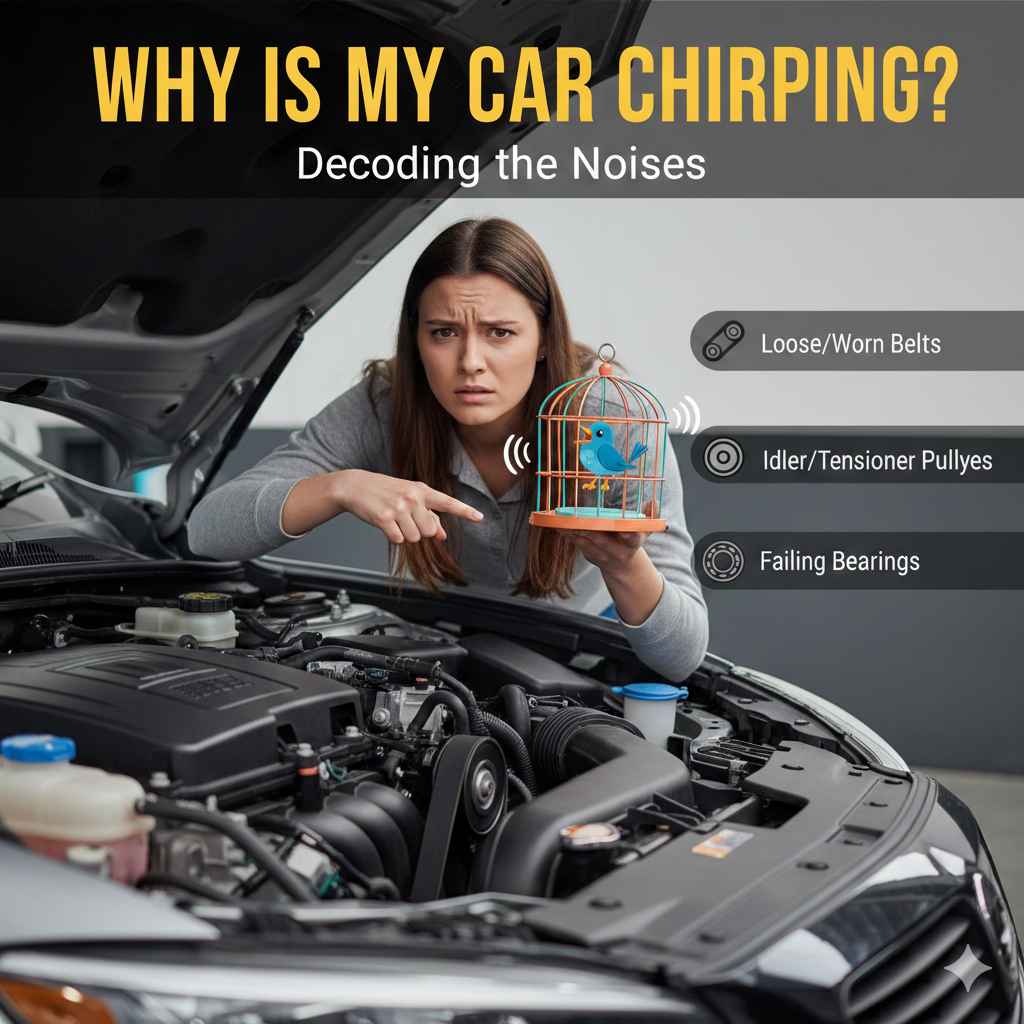
Why Is My Car Chirping Like a Bird? Decoding the Noises
It can be a bit stressful when you hear a strange noise coming from your car, and if you’re asking Why Is My Car Chirping Like a Bird?, you’re definitely not alone. It’s a common concern for drivers. Figuring out these sounds can seem tricky at first, but don’t worry! We’ll explore the main causes. This article will break down the common culprits and give you easy-to-follow solutions to help you pinpoint the chirping and get your car back to running smoothly. Let’s get started!
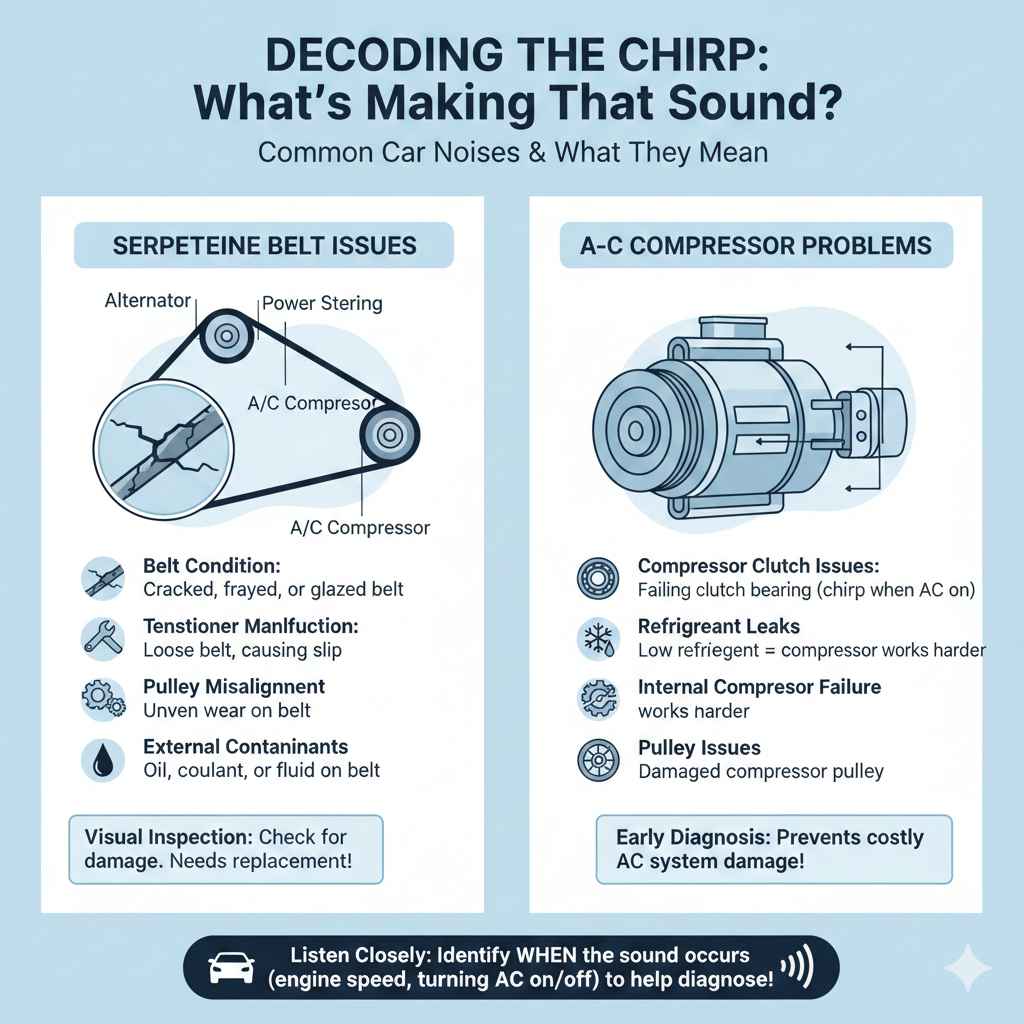
What’s Making That Chirping Sound? Common Car Noises
The first step in answering “Why Is My Car Chirping Like a Bird?” is to identify when you hear the sound. Is it constant, or does it only happen at certain times? Does it change with engine speed or when you turn the steering wheel? This information is important. Once you know what’s happening, you can narrow down the potential sources. Knowing when the chirping occurs can help you determine whether it’s related to the engine, the wheels, or some other system.
Serpentine Belt Issues
One of the most common reasons your car might chirp is an issue with the serpentine belt. This belt is a long, winding belt that powers many of your car’s vital components, including the alternator, power steering pump, and air conditioning compressor. Over time, the serpentine belt can wear out, crack, or become glazed. This can cause it to slip on the pulleys, especially when the engine starts or when the air conditioning is turned on. This slipping creates a chirping sound that’s hard to ignore.
- Belt Condition: Inspect the serpentine belt for any signs of wear and tear, such as cracks, fraying, or glazing.
- Tensioner Malfunction: The belt tensioner keeps the belt tight. If it’s failing, the belt won’t be tight enough, causing the chirp.
- Pulley Misalignment: Misaligned pulleys can cause the belt to wear unevenly and make noise.
- External Contaminants: Oil, coolant, or other fluids can contaminate the belt’s surface, reducing its grip on the pulleys.
If you suspect the serpentine belt is the problem, visually inspect it first. If you see damage, it needs
A/C Compressor Problems
Your air conditioning system can also make a chirping noise, often linked to the compressor. The compressor uses a clutch that engages and disengages. If the clutch is worn, the bearings inside can start to fail, which produces the chirping sound. Sometimes, a lack of refrigerant can also make the compressor work harder. Because the compressor relies on the engine’s power, any problems here can cause a chirping noise that changes with engine speed or when you turn on the air conditioner.
- Compressor Clutch Issues: A failing clutch bearing often produces a chirp, especially when the AC is turned on.
- Refrigerant Leaks: Low refrigerant levels can cause the compressor to work harder, possibly leading to noises.
- Internal Compressor Failure: Internal wear or damage can cause chirping.
- Pulley Issues: A damaged pulley on the A/C compressor can also create chirping.
Addressing A/C issues quickly is key for your comfort. A qualified mechanic can accurately diagnose the problem. The cost for repair will vary, depending on the specific component failing and the complexity of the repair. Early diagnosis can prevent more significant damage to the A/C system.
Wheels and Suspension: Chirping Car Problems
Sometimes, the chirping sound comes from the wheels or suspension of your car. This can happen when brake pads wear down, or when components become dry. These sounds are often related to movement and can vary based on your speed or when you turn. It’s important to pay attention to when you hear the sound. Because the wheels and suspension handle the car’s movement, any issues here can affect how your car handles.
Brake Pad Wear
Worn brake pads often cause a chirping noise. Most brake pads have a small metal tab that contacts the rotor when the pad is worn thin. This contact creates a chirping sound that warns the driver that brake replacement is needed. This is a safety feature designed to protect the rotors. However, the sound might disappear when the brakes are applied. If you hear a chirping sound when you apply the brakes, it’s a good sign that your brake pads require immediate attention.
- Worn Pads: The most common cause. The metal wear indicator rubs against the rotor.
- Brake Dust: Sometimes, brake dust can get trapped between the pads and rotors. This may cause a chirp until it wears away.
- Rotor Condition: Warped or damaged rotors can make contact with the pads, causing noises.
- Brake Caliper Issues: Sticky calipers can cause the pads to drag, creating a chirping sound.
When you hear a chirping sound, it’s time to inspect your brakes. This is a critical safety issue, so have a mechanic check the brake pads and rotors. Ignoring brake issues can compromise your safety and lead to costlier repairs.
Suspension Bushings and Components
Issues with suspension bushings, ball joints, or other components can also lead to a chirping noise. These parts wear out over time, and as they do, they can start to make noise. The sound often increases when going over bumps or turning the steering wheel. If the bushings or joints are dry, they’ll create friction. Lubrication or replacement is often needed to resolve this type of noise. Sometimes, a simple application of lubricant can eliminate the chirp.
- Dry Bushings: Worn or dry bushings can squeak or chirp as the suspension moves.
- Ball Joint Wear: Worn ball joints can also produce chirping sounds when the suspension articulates.
- Spring Issues: Broken or rubbing springs can make a chirping noise.
- Shock/Strut Problems: Problems with shocks or struts can sometimes cause a squeaking or chirping sound.
If you suspect a suspension issue, a thorough inspection is needed. A mechanic can check the various components. Depending on the issue, you may need new bushings, ball joints, or struts. The costs for repair depend on the components replaced and the complexity of the job. Addressing suspension problems promptly helps maintain ride comfort and safety.
Diagnostic Steps to Find the Chirping Sound Source
Pinpointing the cause of the chirping noise is a bit like being a detective. Taking the right steps helps you identify the source. By systematically checking different areas, you can narrow down the problem and ensure you’re addressing the correct part. Listening closely and noting the circumstances will provide helpful clues. If the sound only happens at certain speeds or when specific systems are engaged, that helps you focus your search.
Listen Carefully and Note the Conditions
The first step in diagnosing any car problem is to carefully listen. Drive your car under different conditions and pay attention to when the chirping occurs. Does it happen at startup, when you’re turning, or when the air conditioning is on? Is it a constant sound or only present during acceleration or braking? This information provides crucial clues about the potential source of the chirping. This information is key when explaining the problem to a mechanic.
- Startup: Chirping during startup often points to the serpentine belt or a related component.
- Turning: Noises when turning can indicate issues in the suspension or steering system.
- Braking: Chirping when braking suggests a problem with the brakes.
- Speed-dependent: Noises that change with speed may be related to wheel bearings or drivetrain components.
- AC-related: When the sound is related to the AC, the compressor clutch may be at fault.
Writing down the conditions will save you time and help you give the mechanic clear information. This helps ensure that the issue is accurately diagnosed. A detailed description helps your mechanic troubleshoot quickly and effectively. Be as specific as you can.
Visual Inspection of Components
Once you’ve identified the conditions, the next step is to visually inspect the components. Open the hood and look at the engine’s serpentine belt, checking for cracks or wear. Inspect your tires and suspension for anything obvious. While not all problems are visible, a quick visual check can reveal a lot. For example, you can see if the belt is aligned correctly. If you’re not comfortable working on your car, you can always ask a trusted mechanic to do a quick look.
- Serpentine Belt: Check for cracks, fraying, or glazing.
- Brake Pads and Rotors: Look at the brake pads and rotors for wear.
- Tires: Check the tire conditions, including wear.
- Suspension Components: Look for any signs of damage or wear on suspension parts.
- Air Conditioning Components: Inspect components for any obvious leaks or damage.
Regular visual inspections can help you catch problems early. If you spot anything unusual, take the car to a mechanic for a professional opinion. Prevention is far easier than trying to handle a major breakdown.
When to Seek Professional Help
While many common car problems are easy to solve, some issues require expertise. This is important to remember as you deal with car noises. Knowing when to get professional help can save you time, money, and frustration. Certain repairs demand specific tools and skills. Also, some problems can be tricky to find. If you’re unsure or uncomfortable, you should always seek help from a qualified mechanic.
Complex Diagnoses
Some car noises can be complex and challenging to diagnose. If you’ve tried the basic steps and the chirping continues, it’s time to seek professional help. A mechanic has the tools and training to accurately pinpoint the source of the problem. Often, complex issues require specialized equipment. They may run tests that a regular owner can’t do. The mechanic can identify underlying problems that might not be immediately obvious.
- Electronic Diagnostics: Modern cars have many electronic systems, which need sophisticated diagnostic tools.
- Engine-related issues: Complex engine problems often require specific knowledge and equipment.
- Suspension issues: Suspension systems may involve hidden wear.
- Transmission Problems: Transmission issues are rarely easy to diagnose for non-professionals.
Leaving complex diagnoses to professionals ensures you get the right fix the first time. The cost for these services varies. But it is always less costly than trying to fix the problem yourself and causing more damage.
Safety-Critical Issues
Some car noises can indicate a severe safety problem. Brake noises are a clear example. If the chirping noise is related to your brakes, steering, or suspension, you should get help right away. These systems are essential for controlling your vehicle and keeping you and your passengers safe. Even a small problem in these systems can become a significant issue if ignored. A qualified mechanic can make sure that your car is roadworthy and meets safety standards.
- Brake Problems: Any noise from brakes warrants immediate attention.
- Steering Issues: Noises that affect steering can indicate a serious problem.
- Suspension Issues: Suspension problems may affect how your car handles.
- Warning Lights: If your car’s warning lights are on, there’s likely a serious issue.
Prioritizing safety is key when dealing with car noises. By promptly addressing any problems related to braking, steering, or suspension, you’re protecting yourself and other drivers. Getting professional assistance in these situations offers peace of mind. Regular maintenance checks are important to keep the car safe.
Frequently Asked Questions
Question: What if the chirping only happens when I turn on my air conditioner?
Answer: This likely indicates an issue with the A/C compressor or its clutch. A worn clutch bearing or a problem with the compressor itself can cause a chirping sound when the A/C is engaged. Have a mechanic check the A/C system.
Question: How often should I replace the serpentine belt?
Answer: The frequency for replacing the serpentine belt varies by car. Most carmakers recommend replacing the belt every 60,000 to 100,000 miles. Checking your owner’s manual for specific instructions is a good idea. Inspecting the belt regularly is a good practice.
Question: Can I fix the chirping noise myself?
Answer: Sometimes, yes. You might be able to lubricate a dry suspension bushing or
Question: My car chirps when I brake, what should I do?
Answer: This likely means your brake pads are worn and need
Question: How much does it cost to fix the chirping sound?
Answer: The cost of repairs will vary. It depends on what’s causing the chirping sound. A simple fix, such as lubricating a bushing, may be inexpensive. But repairs to the engine or suspension might be more expensive. Get a quote from a trusted mechanic before any work is done.
Final Thoughts
The “Why Is My Car Chirping Like a Bird?” question can be solved by following a few steps. It often begins with careful listening to the sound and understanding when it occurs. After pinpointing the timing of the noise, a visual check of your car’s components can reveal the source. Issues such as a worn serpentine belt, brake pads, or problems within the suspension system are common causes of chirping sounds. If you are unsure about what’s going on, or if the sound is related to the braking system, you should seek professional help.
With the right approach, you can identify and solve the problem. Your car will be back to running quietly in no time. Taking care of small noises before they turn into bigger problems means a safer and more enjoyable driving experience for you. You’ve got this!