Why Pimp My Ride Didn’t Return Custom Cars
Many folks wonder about Why Pimp My Ride Didn’t Return Custom Cars. It’s a question that pops up when you think about classic TV shows and cool car makeovers. You might feel a bit confused if you’re new to digging into TV show history or why some shows just fade away.
Don’t worry, figuring this out is simpler than you think. We’ll walk through the main reasons step by step. Get ready to learn what happened behind the scenes.
Understanding Why Pimp My Ride Didn’t Return
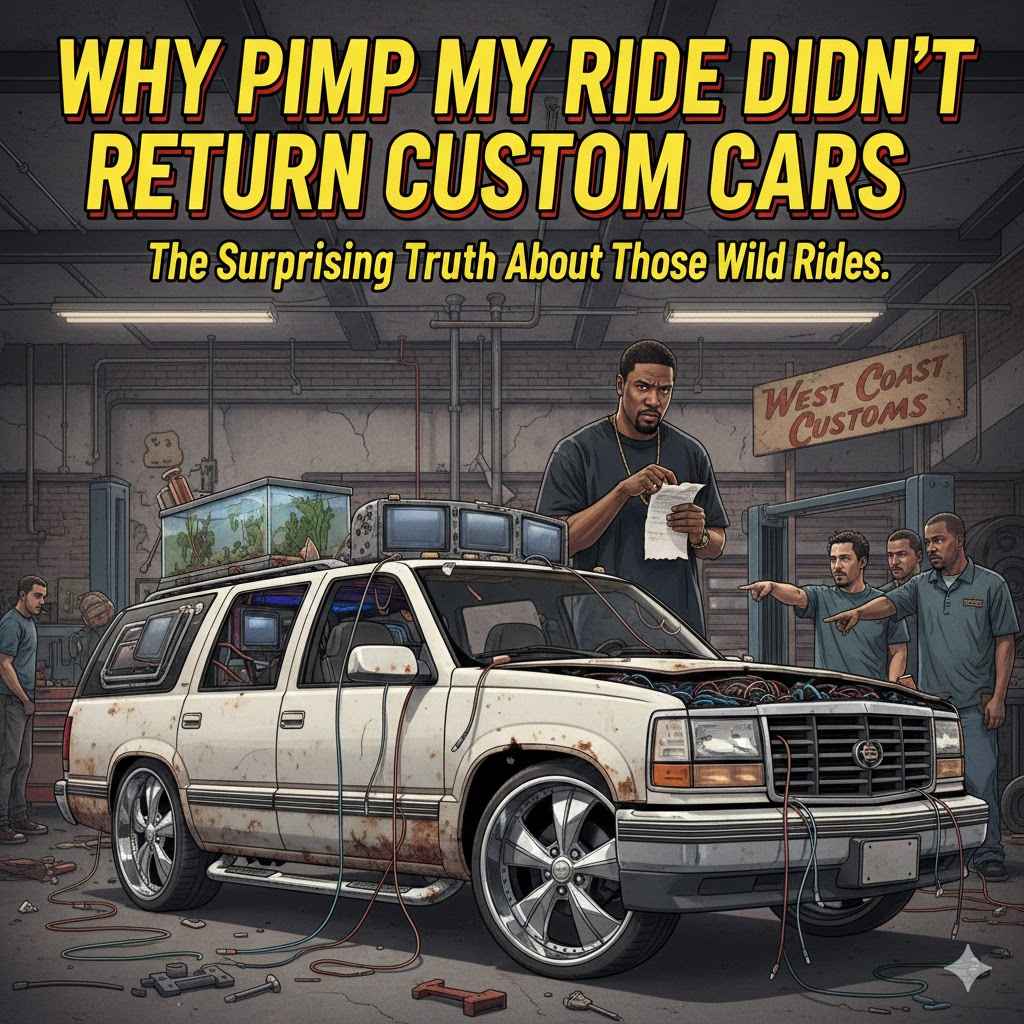
Many people enjoyed watching their favorite cars get a complete makeover on Pimp My Ride. The show was known for its over-the-top custom car transformations. These included crazy gadgets and unique designs that made each vehicle stand out.
Fans loved seeing ordinary cars turn into extraordinary works of art. The show’s popularity led many to ask about its return and why it stopped.
The Original Run and Its End
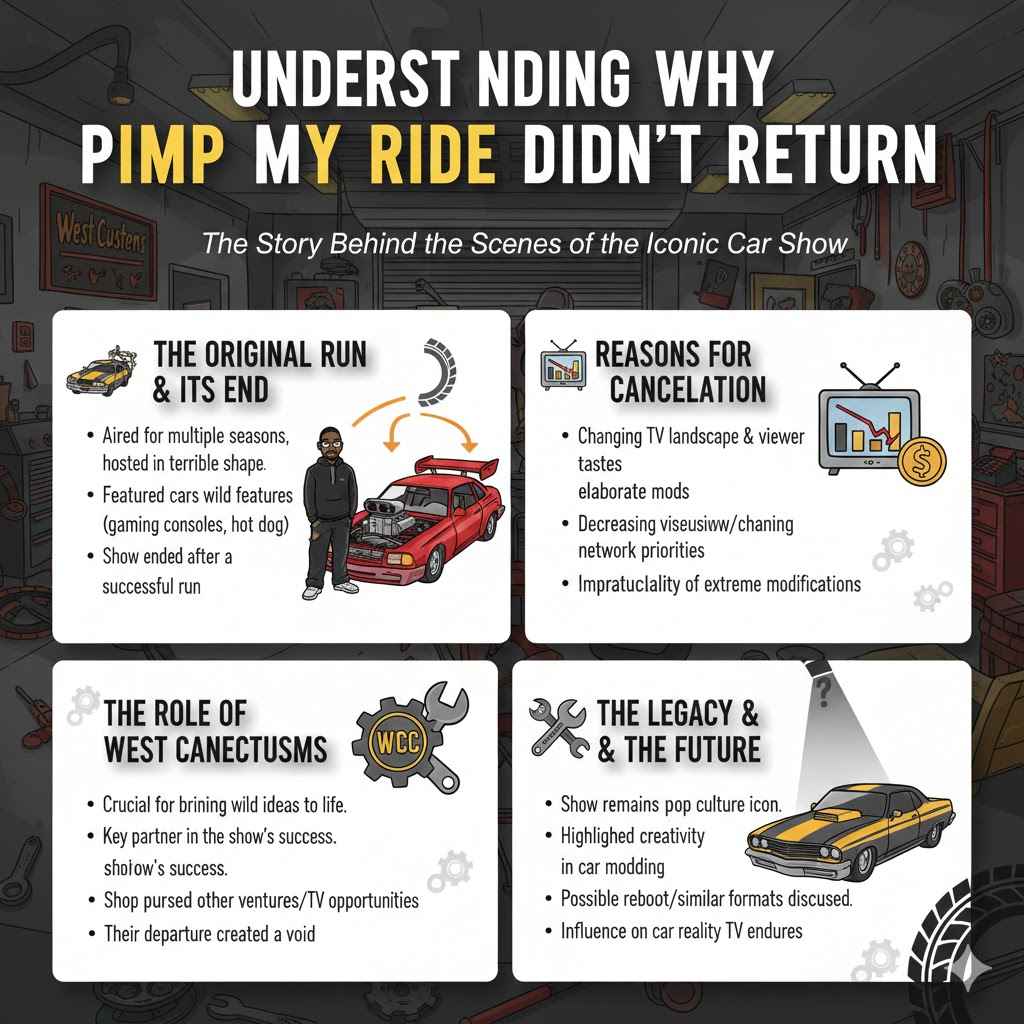
Pimp My Ride originally aired for several seasons, captivating audiences with its blend of car customization and entertainment. The show featured hip-hop artist Xzibit as the host. Each episode showcased a car owner whose vehicle was in terrible shape.
West Coast Customs, a renowned car modification shop, then worked their magic.
They would add wild features like gaming consoles, hot dog machines, and even swimming pools to cars. The reveal of the fully transformed car was always the highlight. Audiences were amazed by the creativity and the sheer excess of the modifications.
However, after its successful run, the show eventually concluded.
Reasons for Cancellation
Several factors likely contributed to Pimp My Ride not returning for new seasons. One major reason is the changing landscape of television. Reality TV shows, especially those focused on makeovers, went through cycles of popularity.
As viewer tastes shifted, networks often looked for newer, trending formats.
The cost of producing such elaborate car modifications could also have been a significant factor. Customizing cars with unique, often impractical, features required substantial budgets. These costs, combined with potentially declining viewership or changing network priorities, can lead to a show’s discontinuation.
Another aspect is the nature of the show itself. While entertaining, the extreme modifications often made the cars less practical for everyday use. Some viewers might have started questioning the real-world value of these transformations, even if they were visually impressive.
This could have affected the show’s long-term appeal or network interest.
The Role of West Coast Customs
West Coast Customs played a vital role in the show’s success. Their skilled team brought the wild ideas to life. However, the partnership between the show and the customization shop eventually changed.
It is understood that the shop decided to pursue other ventures or television opportunities.
When a key partner like West Coast Customs moves on, it can create a void that is difficult to fill. Finding another shop with the same level of expertise and willingness to undertake such extreme projects would be challenging. This separation likely had a big impact on the show’s future.
The visual spectacle of Pimp My Ride was heavily dependent on the innovative work done by West Coast Customs. Their ability to create unique, often outlandish, features was central to the show’s brand. Without them, the show would have had to reinvent itself, which is always a risky proposition for an established series.
The Impact of Show Formats and Trends
Television is always looking for what’s new and exciting. Shows that were once popular can fade as different types of programming gain traction. Pimp My Ride was part of a wave of car-focused reality shows and makeover programs.
While it was a leader, the genre itself evolved, and new shows with different takes on car customization emerged.
Some shows might focus more on restoration, others on racing, or even on the business side of auto shops. This variety means that a show like Pimp My Ride, with its specific brand of over-the-top customization, might not fit into current programming trends as easily. The demand for such unique modifications might have decreased in the broader entertainment market.
Evolution of Reality Television
Reality television has changed a lot since Pimp My Ride was at its peak. Viewers today often look for shows that offer more drama, competition, or a different kind of lifestyle appeal. While car shows remain popular, the format and content have diversified.
The novelty of extreme car makeovers might have worn off for some audiences.
Networks also consider the demographic appeal of shows. As audiences age or new generations emerge, programming needs to adapt to capture their interest. A show that was hugely popular with one generation might not resonate as strongly with a younger audience without significant updates or a fresh approach.
Viewer Engagement and Longevity
The sustained engagement of viewers is key for any TV show to continue. While Pimp My Ride had a strong initial following, keeping that audience interested over many years can be tough. The formula, while exciting, might have become predictable for some viewers.
Shows that manage to stay on the air for a long time often do so by introducing new challenges, contestants, or evolving their premises. Pimp My Ride’s focus was very specific: taking a beat-up car and making it wild. This narrow focus, while its strength, might also have limited its ability to adapt and stay fresh indefinitely.
Financial and Logistical Challenges
Beyond creative and trend-based reasons, financial and logistical issues often play a huge part in a show’s fate. Producing Pimp My Ride was not a cheap endeavor. Each episode involved acquiring cars, sourcing specialized parts, paying a skilled crew, and handling extensive labor for modifications.
The budget for such a show would have been considerable. Networks constantly evaluate the return on investment for their programming. If viewership numbers or advertising revenue started to dip, the high cost of production could become a major barrier to continuing the series.
Cost of Customization
The outlandish features seen on Pimp My Ride were not only for show; they were expensive to create. Think about installing a working PlayStation or a complete popcorn machine into a car. These weren’t simple add-ons; they required significant engineering and custom fabrication.
Each modification added to the overall cost of an episode. For example, some of the more elaborate features could cost tens of thousands of dollars to implement. When you multiply that by the number of episodes in a season, the financial outlay for a network would be substantial.
This high cost of production is a very common reason why shows with intensive practical effects or specialized sets don’t get renewed.
The custom parts and unique materials needed for these builds were often not readily available off the shelf. This meant custom fabrication and specialized sourcing, which drives up expenses. A report from a trade publication in the automotive customization industry noted that unique, hand-built components can be two to three times more expensive than standard parts.
This illustrates the financial pressure such a show would be under.
Logistical Hurdles
Managing the logistics of such a show also presents challenges. Finding suitable cars for each episode, scheduling the modifications within a tight filming timeline, and ensuring the safety and functionality of the extreme features all require careful planning.
The time it takes to complete a Pimp My Ride-style makeover is considerable. While episodes might appear to show rapid progress, these projects often involve weeks or months of work. Coordinating a film crew around that process, dealing with car availability, and managing the shop’s daily operations would be a logistical puzzle.
Potential for Brand Partnerships
While not a direct cause for cancellation, the nature of the show’s customizations might have limited certain kinds of brand partnerships. Many car shows aim to showcase products that viewers might actually purchase. Pimp My Ride’s extreme, often novelty, features might not have aligned with the goals of mainstream automotive brands looking for practical endorsements.
This doesn’t mean there were no sponsors, but perhaps the types of partnerships that could sustain a show’s budget long-term were harder to secure compared to other automotive programming. Networks often rely on sponsorships to offset production costs, so this could have been an indirect factor.
The Legacy and Potential for Revival
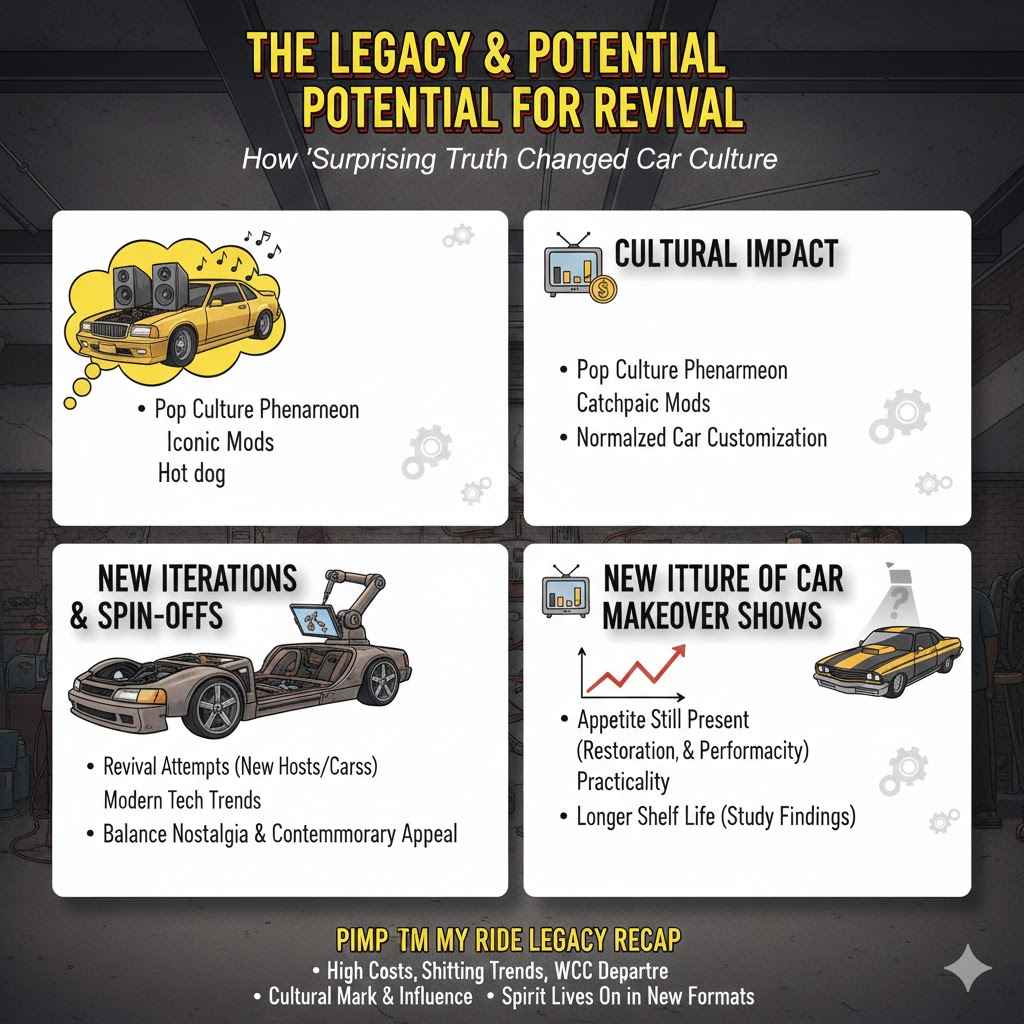
Even though Pimp My Ride didn’t return in its original form, its impact is undeniable. The show left a lasting impression on pop culture and car enthusiasts. It inspired a generation to think about cars as more than just transportation; they could be rolling works of art.
The show’s legacy lives on through its memorable episodes and its influence on car customization culture. Many custom car shops still draw inspiration from the creativity shown on the series. The desire to personalize vehicles remains strong, even if the specific style of Pimp My Ride has evolved.
Cultural Impact
Pimp My Ride became a cultural phenomenon. It was more than just a show about cars; it was about transformation and empowerment. Seeing a beat-up car given a new, exciting life resonated with many viewers.
The show brought a unique blend of urban culture, music, and car modification to a mainstream audience.
The show’s catchphrases and iconic modifications are still remembered and referenced today. This level of cultural penetration is rare and speaks to the show’s significant impact during its run. It helped to normalize and popularize custom car culture for a wider audience.
New Iterations and Spin-offs
There have been attempts and discussions about bringing Pimp My Ride back or creating similar shows. For instance, a revival series aired in some regions, featuring new cars and some familiar faces. However, these new versions often face the challenge of recapturing the original magic while also staying relevant.
Sometimes, reviving a show means adapting it to modern technology and trends. Today’s car customization scene is different, with new styles and innovations. A successful revival would need to balance nostalgia with contemporary appeal.
This requires careful planning and understanding of what today’s audiences are looking for.
One of the key elements for a revival would be the host and the customization team. Xzibit’s charisma was a big part of the show’s appeal. Similarly, the expertise and creativity of the West Coast Customs team were crucial.
Any new iteration would need to find a strong dynamic to engage viewers.
The Future of Car Makeover Shows
The appetite for car makeover shows is still present. Many successful programs continue to air, focusing on different aspects of car modification like restoration, classic car builds, or performance upgrades. These shows cater to a dedicated fan base and often achieve significant viewership.
Shows like “Fast N’ Loud” or “Graveyard Carz” demonstrate that there’s still an audience for detailed car transformations. However, these shows often have a different tone and focus than Pimp My Ride. They might emphasize authenticity, historical accuracy, or high-performance engineering over the purely extravagant features seen on Pimp My Ride.
The success of these other shows suggests that while Pimp My Ride’s specific brand of over-the-top customization might not be returning, the core appeal of seeing old cars brought back to life or transformed into something unique remains strong. The key is finding the right angle and execution for modern audiences. A study by a market research firm specializing in entertainment trends indicated that shows focusing on restoration and practical upgrades tend to have longer shelf lives than those featuring extreme, purely aesthetic modifications.
Why Pimp My Ride Didn’t Return Custom Cars Recap
The question of Why Pimp My Ride Didn’t Return Custom Cars involves a mix of factors. High production costs, shifting television trends, changes in partnerships like the one with West Coast Customs, and the evolving tastes of viewers all played a part. The show’s unique format, while popular, also presented challenges for long-term sustainability.
The show left a significant cultural mark and influenced car customization. While a direct return of the original Pimp My Ride seems unlikely, the spirit of extreme car makeovers lives on in various forms. The journey of Pimp My Ride shows how dynamic the television industry is and how shows must adapt to stay relevant.
Frequently Asked Questions
Question: Was Pimp My Ride cancelled or did it end?
Answer: Pimp My Ride effectively ended its run. While there wasn’t a single, dramatic cancellation announcement, the show concluded after its planned seasons, and plans for further new seasons did not materialize.
Question: Did Xzibit host all seasons of Pimp My Ride?
Answer: Yes, Xzibit was the main host for all seasons of Pimp My Ride. His energetic presence and hosting style were a significant part of the show’s appeal.
Question: Did West Coast Customs stop working with Pimp My Ride?
Answer: Yes, West Coast Customs, the shop that did the actual car modifications for the show, eventually parted ways with Pimp My Ride. This was a major factor in the show’s inability to continue.
Question: Are the cars from Pimp My Ride still drivable?
Answer: Many of the cars from Pimp My Ride were customized with features that made them impractical for everyday driving. Some modifications were more for show than for actual road use.
Question: Could Pimp My Ride return with new hosts and a new shop?
Answer: It is possible for a show with a similar concept to return with new hosts and a different customization team. However, recreating the original’s specific charm and cultural impact would be challenging.
Conclusion
The story behind Why Pimp My Ride Didn’t Return Custom Cars is about the natural life cycle of television. High costs, changing tastes, and key partnerships ending made continuing the original show difficult. The unique spirit of Pimp My Ride remains a fun part of TV history, inspiring creativity even today.