Why Sleeping in Car Dangerous: Shocking Risks You Must Know
Have you ever thought about sleeping in your car? It might seem like a quick and easy solution, especially when you’re tired or on the road.
But what if I told you that this simple choice could put your health and safety at serious risk? You might not realize the hidden dangers lurking inside your car when you close your eyes. You’ll discover why sleeping in your car can be more dangerous than you think—and what you can do to protect yourself.
Keep reading to stay safe and make smarter choices.
Health Hazards
Sleeping in a car may seem convenient, but it poses serious health risks. The confined space and lack of proper ventilation create dangerous conditions. These hazards can affect your breathing, body temperature, and overall safety. Understanding these risks helps you avoid harm.
Carbon Monoxide Poisoning
Cars produce carbon monoxide, a colorless gas that is deadly. Running the engine while sleeping can cause gas to build up inside. This gas blocks oxygen in your blood. Symptoms include headache, dizziness, and nausea. High exposure can lead to unconsciousness or death.
Poor Air Circulation
Closed windows and doors limit fresh air in the car. Lack of oxygen can cause breathing problems. It may lead to headaches and tiredness. Small spaces trap moisture, increasing mold and bacteria. This harms your lungs and overall health.
Risk Of Hypothermia Or Heatstroke
Cars do not regulate temperature well. In cold weather, your body temperature can drop dangerously low. This causes hypothermia, which slows down your heartbeat and breathing. In hot weather, heat builds up quickly inside the car. Heatstroke can cause confusion, loss of consciousness, and even death.
Safety Concerns
Sleeping in a car brings serious safety concerns. The risks are often overlooked but can be dangerous. Your safety depends on many factors outside your control.
Understanding these concerns helps you make better decisions. Stay aware of the dangers that come with sleeping in a car.
Vulnerability To Theft Or Assault
Cars parked in public places attract thieves and attackers. Sleeping inside makes you an easy target. You might not hear someone trying to break in. This puts your belongings and personal safety at risk.
Accidental Vehicle Movement
Leaving a car running or in gear can cause accidents. The car might move without warning. This can lead to injuries or damage. Always ensure the vehicle is properly secured before resting.
Impaired Emergency Response
Sleeping in a car limits your ability to call for help. In emergencies, fast response is critical. Being trapped or unaware can delay assistance. This reduces your chances of staying safe.
Legal Issues
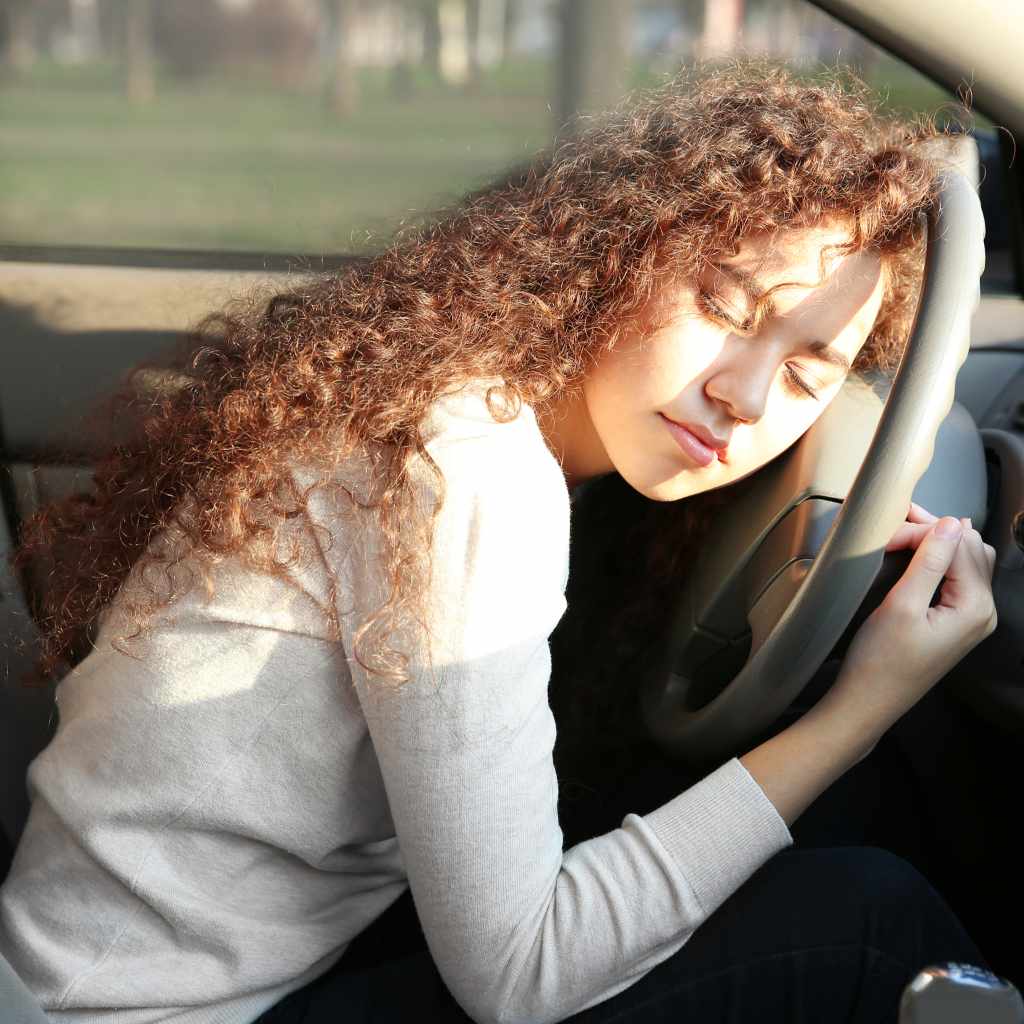
Sleeping in a car may seem like a quick solution for rest. Legal issues can turn this choice into a serious problem. Many places have rules about staying in vehicles overnight. Ignoring these rules can lead to fines or other penalties. Understanding the legal side helps you avoid trouble.
Parking Restrictions
Many cities ban overnight parking in certain areas. Signs usually show where parking stops at night. Violating these rules can result in tickets or towing. Some lots only allow parking for a few hours. Always check local signs before deciding to sleep in a car.
Local Laws And Penalties
Local laws vary on sleeping inside vehicles. Some places treat it as trespassing or loitering. Police may ask you to move or issue a citation. Fines can be costly and affect your record. Knowing the laws helps you stay safe and avoid penalties.
Physical Discomfort
Sleeping in a car causes many physical discomforts. The confined space and odd positions make resting hard. These issues disturb sleep quality and harm the body.
Limited Space And Posture Problems
Cars have very little room to stretch out. Sitting or lying in cramped spaces strains muscles. The body cannot relax fully in small areas. Poor posture leads to neck, back, and shoulder pain. Muscles stiffen and joints ache after hours. Sleeping in a car often means bending or twisting unnaturally. This adds to discomfort and prevents restful sleep.
Interrupted Sleep Cycles
Physical discomfort makes it hard to stay asleep. Tossing and turning breaks natural sleep rhythms. Interrupted sleep cycles reduce deep, restorative rest. Without good sleep, the body fails to repair itself. This causes tiredness and lowers alertness the next day. Pain and stiffness from bad sleeping positions worsen over time. Resting in a car rarely provides the continuous sleep the body needs.
Environmental Factors
Sleeping in a car exposes you to many environmental factors. These factors can harm your health and safety. The car is not designed for long rest. Outside conditions affect comfort and well-being. Understanding these risks helps you make safer choices.
Weather Impact
Weather changes quickly and can be dangerous. In cold weather, cars lose heat fast. You may get very cold or suffer from hypothermia. Hot weather traps heat inside the car. This can cause dehydration or heatstroke. Rain or snow can block doors or windows. Wind can shake the car and disturb your rest. Cars offer little protection against harsh weather.
Noise And Light Disturbances
Cars do not block outside noise well. Traffic, people, or animals can wake you up. Loud noises interrupt deep sleep and cause stress. Streetlights and headlights shine through windows. Bright light stops your brain from relaxing fully. This makes sleep less restful. Poor sleep affects your focus and health the next day.
Preventive Measures
Sleeping in a car can be risky. Knowing how to prevent dangers is important. Taking steps to stay safe helps avoid serious problems. This section shows ways to protect yourself and find safer options.
Safe Alternatives To Sleeping In Cars
Hotels offer a safe, warm place to rest. Motels and hostels provide affordable options. Rest stops and campgrounds are designed for travelers. Using these places lowers risks linked to sleeping in cars. Plan stops ahead to ensure a secure place to sleep.
Precautions If You Must Sleep In A Vehicle
Park in well-lit, public areas to avoid danger. Keep doors locked and windows slightly open for air. Avoid running the engine to prevent carbon monoxide poisoning. Use sunshades for privacy and to block light. Let someone know your location for safety. Stay aware of your surroundings at all times.
Frequently Asked Questions
Is Sleeping In A Car Harmful To Health?
Yes, sleeping in a car can cause poor air quality and restricted airflow. This leads to headaches, dizziness, and breathing problems. Prolonged exposure increases health risks, especially in cold or hot weather conditions.
Can Carbon Monoxide Poisoning Occur While Sleeping In A Car?
Absolutely. Carbon monoxide is a colorless, odorless gas from running engines. It can build up quickly in enclosed spaces, causing poisoning. Symptoms include nausea, confusion, and even death if ventilation is poor.
Why Is Temperature Regulation Difficult When Sleeping In A Car?
Cars lack proper insulation and climate control during sleep. In extreme heat or cold, body temperature can drop or rise dangerously. This leads to hypothermia or heatstroke, making sleeping in cars risky.
Does Sleeping In A Car Increase Risk Of Accidents?
Yes, especially if the car is parked unsafely or running. Drivers may fall asleep unintentionally, causing accidents. Also, parked cars can be targeted for theft or vandalism, increasing safety risks.
Conclusion
Sleeping in a car can cause many serious risks. Carbon monoxide can build up quickly and harm you. Cars are not designed for safe, long rest. You may feel tired and less alert after sleeping there. Finding a safe, proper place to sleep is better.
Protect your health and stay safe on the road. Always choose a spot meant for resting. Your life and well-being matter most. Think twice before sleeping inside a vehicle.