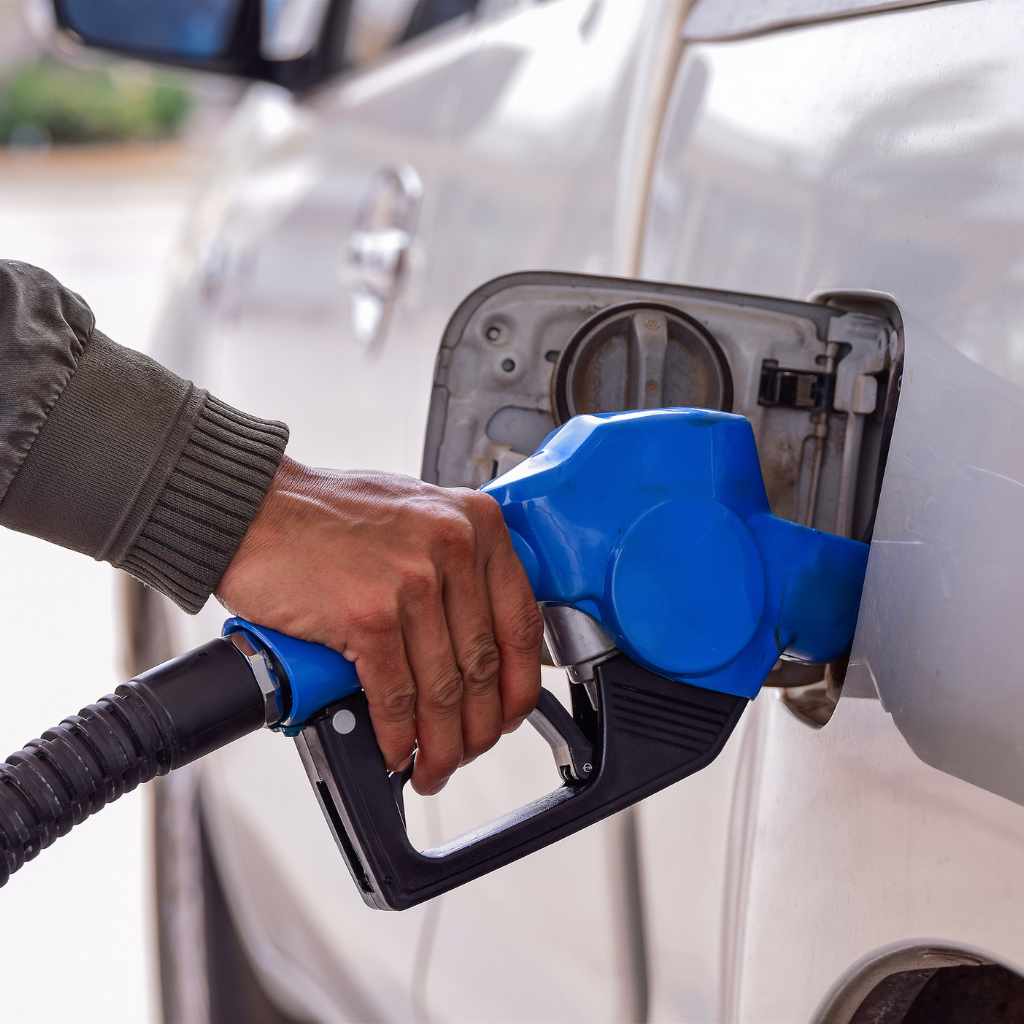
Is It Dangerous to Leave Car Running While Fueling: Safety Risks Explained
Have you ever wondered if it’s safe to leave your car running while filling up with gas? It might seem like a small thing, but what you do at the pump can affect your safety—and your car’s.
You probably want to save time or avoid restarting your engine, but is that worth the risk? Keep reading to discover the truth behind this common habit and learn simple steps to protect yourself every time you fuel up.
Quick Answer
No — most states legally require the engine off during fueling under the International Fire Code, and a running engine is an added spark and heat source near fuel vapors. In practice, though, a Petroleum Equipment Institute study found static electricity from re-entering the vehicle causes fires nearly 3x more often than the engine itself.
Risks Of Leaving Car Running
Leaving your car running while fueling poses several risks. It is not just about wasting fuel. Safety hazards can arise quickly and unexpectedly. Understanding these risks helps keep you and others safe at the pump.
Fire Hazards
Gasoline vapors can catch fire easily. A running engine produces sparks and heat. These sparks might ignite the fuel vapors around the pump. Fires at gas stations spread fast and cause serious damage.
Fuel Vapor Ignition
Fuel vapors are heavier than air and collect near the ground. A running car’s electrical system can create a spark. That spark can ignite the vapors. This ignition can lead to explosions or fires.
Static Electricity Concerns
Static electricity builds up easily during fueling. A running car increases the chances of static discharge. A small spark from static can ignite fuel vapors. This risk is why experts advise turning off engines while fueling.
Fueling Safety Protocols
Fueling safety protocols are essential to prevent accidents at gas stations. Gasoline vapors can catch fire easily. Sparks or static electricity may cause explosions. Following safety rules protects you and others around you.
Recommended Practices
Always turn off your car engine before fueling. Avoid using your phone near the pump. Do not smoke or light matches. Keep the nozzle in contact with the fuel tank. This stops static electricity from building up. Stay close to your car during fueling. This lets you respond quickly to problems.
Manufacturer Guidelines
Car makers advise turning off the engine while refueling. This reduces fire risks. Some cars have warnings in the manual about fueling safety. Follow these instructions carefully. Using the engine while fueling may void warranties. Check your car’s manual for specific rules.
Gas Station Rules
Most gas stations have clear signs about safety. They require you to turn off your engine. Staff may remind you to follow rules. Stations often have emergency shutoff buttons. Know where they are before fueling. Obeying these rules keeps everyone safe.
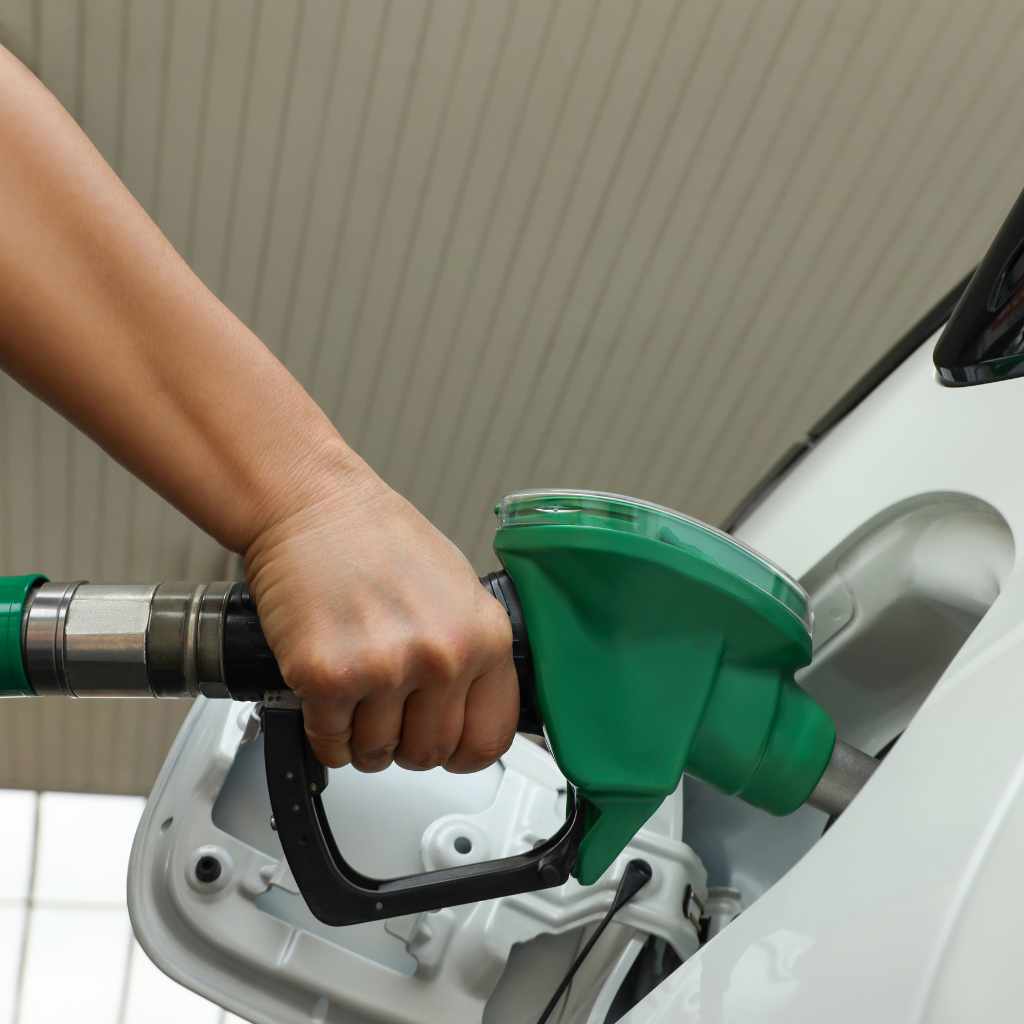
Best Car Fire Extinguisher Pick
Kidde Auto 10 Fire Extinguisher
A dedicated automotive-rated extinguisher for the exact scenario this guide’s Emergency Response section describes — a rare but real fuel-vapor fire near the pump.
- Best for: Keeping in the car for the rare gas-station fire scenario
- Why we picked it: 10-B:C rated specifically for flammable liquid and electrical fires
- Main drawback: Needs periodic pressure checks and eventual replacement
Compare more fueling-safety essentials
 Option 1 Anti-Static Grounding Strap
|
 Option 2 AmzBoom Compact Fire Extinguisher (2-Pack)
|
 Option 3 Everlit Roadside Emergency Kit
|
As an Amazon Associate we earn from qualifying purchases.
Common Misconceptions
Many people have strong beliefs about leaving a car running while fueling. Some say it is very dangerous. Others think it is safe if done quickly. These ideas come from different sources, including old advice and stories. Understanding the truth helps you stay safe and avoid confusion.
Myths About Engine Running
The risk from a running engine specifically is smaller than most people assume, but it is not a myth — a running engine is still an added heat and spark source near fuel vapors, which is why the International Fire Code requires engines off during fueling in most states. That said, a Petroleum Equipment Institute study of 176 gas station fires with no open flames or running motors involved found that nearly half (87 cases) happened when the driver got back in the car during fueling, built up static charge, then touched the nozzle again — not from the engine itself.
📊 Of 176 gas station fires studied with no open flames or running motors involved, 87 (nearly 50%) happened when the driver re-entered the vehicle, built up static charge, and then touched the nozzle again. — Source: CarParts.com, citing the Petroleum Equipment Institute
“The danger is real, but it’s rare… Most states enforce the International Fire Code, which requires that the engines of vehicles being fueled shall be shut off during fueling.”
Another myth claims the fuel pump will overload if the engine runs. This is false. The fuel pump works the same way whether the engine is on or off. Turning off the engine during fueling saves fuel but does not protect the pump from damage.
Real-world Incidents
Confirmed fires caused specifically by a running engine (as opposed to static electricity from the driver re-entering the vehicle) are rare, but they are documented, which is why the legal requirement to shut off the engine remains in place even though static discharge is the more common trigger.
Gas stations ask customers to turn off engines mainly to prevent distractions. A running engine can distract drivers or cause unexpected car movement. This rule also reduces the risk of static electricity buildup on the car. For the deeper dive into this exact question — including what modern vehicle safety features actually do and don’t change — see is it bad to fuel a car while running.
Legal Implications
Leaving your car running while fueling can lead to legal trouble. Laws exist to protect people from fire risks and accidents at gas stations. Understanding these rules helps avoid fines and other problems.
Laws And Regulations
Many places have strict laws against leaving engines on during refueling. These rules aim to stop fires caused by sparks or static electricity. Gas stations often post signs reminding drivers to turn off engines. Following these laws keeps everyone safe.
Penalties For Non-compliance
Breaking fueling laws can result in fines or other penalties. Authorities may issue tickets or warnings for leaving a car running. Repeat offenders face higher fines or legal action. Some areas may even suspend driving privileges. It is better to comply and avoid these troubles.
Tips For Safe Fueling
Fueling a car seems simple but needs care to avoid accidents. Safety should be the top priority during this task. Following basic tips can keep you and others safe at the pump.
These tips help prevent fires and spills. They also protect the environment and your vehicle. Knowing what to do makes fueling a smooth process.
Precautionary Measures
Always turn off your car engine before fueling. This stops any sparks from igniting fuel vapors. Avoid smoking or using phones near the pump.
Keep the fuel nozzle in contact with the car’s tank. This prevents static electricity buildup. Do not overfill the tank to avoid spills.
Stay close to the pump and watch the fuel level. Never leave the nozzle unattended. Follow all posted signs and instructions at the station.
Emergency Response Steps
If a fire starts, stop fueling immediately. Move away from the vehicle and alert others nearby. Use the emergency shut-off switch at the station.
Call emergency services right away for help. Do not try to move the car unless safe. If fuel spills, notify the station staff at once.
Follow their directions for cleanup or evacuation. Keeping calm helps manage the situation better. Safety comes first in all emergencies.
Frequently Asked Questions
Is It Safe To Leave Car Running While Fueling?
No, it is not safe to leave your car running while fueling. Running engines can ignite fuel vapors, causing fires or explosions. Always turn off your engine before refueling to ensure safety for yourself and others around the gas station.
Can A Running Car Cause Fire During Fueling?
Yes, a running car can cause a fire during fueling. The engine and electrical components produce sparks that can ignite fuel vapors. To prevent accidents, always switch off your engine before you start pumping gas.
Why Should I Turn Off The Engine When Fueling?
Turning off the engine stops sparks and heat sources near fuel vapors. This reduces fire risk significantly. It is a simple, effective safety measure required at all fuel stations to protect you and others.
What Risks Do Fuel Vapors Pose While Refueling?
Fuel vapors are highly flammable and can ignite easily. They can cause explosions or fires if exposed to sparks or heat. Keeping your engine off minimizes vapor ignition risks during refueling.
Conclusion
Leaving your car running while fueling can cause serious risks. Gasoline vapors might catch fire from sparks or heat. Turning off the engine helps stop accidents before they start. It also protects you, other people, and property nearby. Always follow safety rules at gas stations to stay safe.
A few seconds to switch off your car is worth it. Safety first, every time you fuel up. Simple actions make a big difference. Stay alert and protect yourself easily.
Products related to this article
Sponsored / affiliate links. As an Amazon Associate I earn from qualifying purchases. I may earn additional commission from eligible campaigns.