Will Not Driving for Months Ruin Your Car Battery
It’s a worry many car owners have: Will Not Driving for Months Ruin Your Car Battery? When your car sits unused for a long time, like during a long trip or a period of not needing it, a common question pops up. This can be confusing if you’re new to car care. You might think, “What happens when a car just sits there?” This article will make it super simple to understand.
We’ll show you exactly what’s going on and what you can do to keep your battery happy. Let’s get right to it.
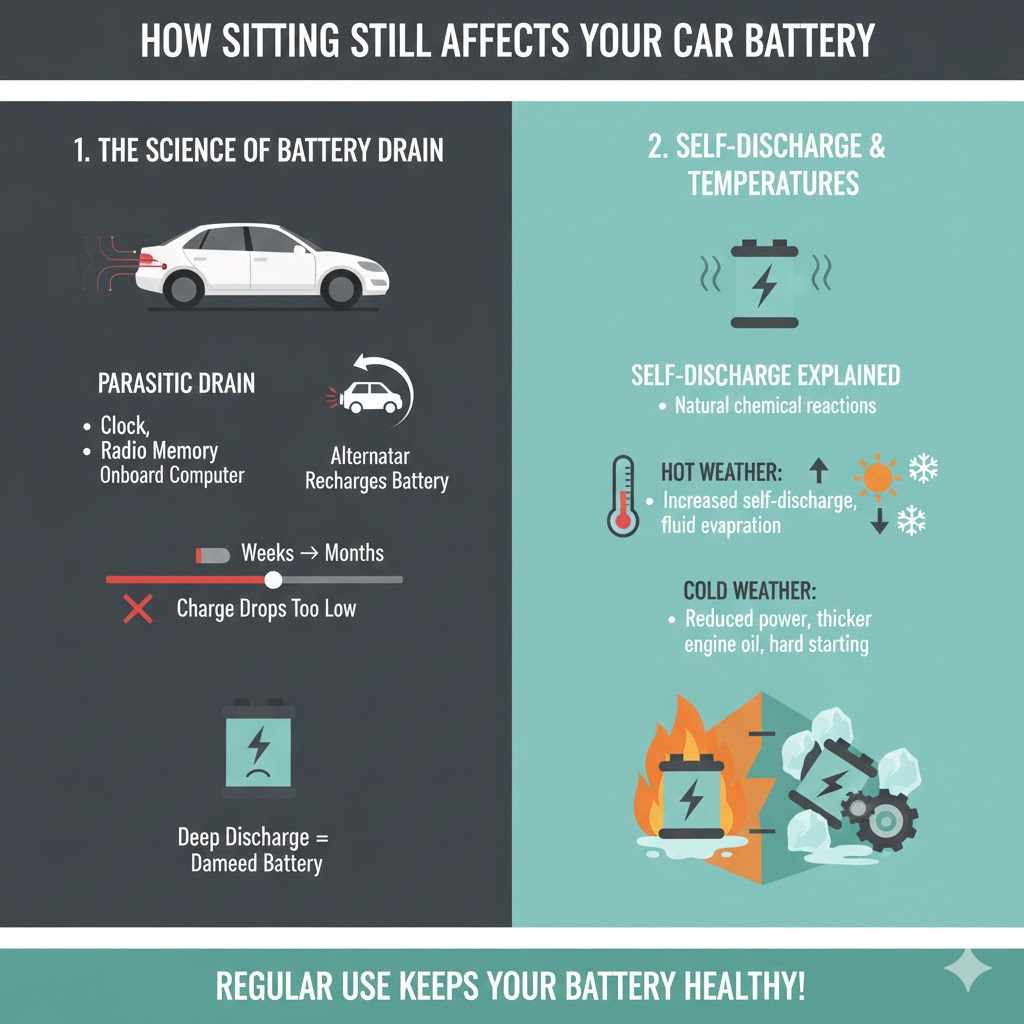
How Sitting Still Affects Your Car Battery
When your car isn’t driven for extended periods, several things happen that can impact its battery. A car battery is like a small power source that needs to be used regularly to stay in good shape. It constantly loses a small amount of power over time, even when the car is off.
This natural self-discharge is normal. However, when you don’t drive your car, the battery doesn’t get a chance to recharge. This steady drain, without any replenishment, can lead to the battery’s charge level dropping too low.
This is the primary reason why a car sitting for months can cause battery problems.
The Science of Battery Drain
Every car has electrical components that draw a tiny bit of power even when the engine is off. This is called parasitic drain. Things like the car’s clock, alarm system, radio memory, and onboard computer systems all need a small, constant trickle of electricity.
When a car is driven regularly, the alternator recharges the battery as you drive, easily compensating for this small drain.
Over time, this continuous, low-level power draw from parasitic drains can deplete the battery’s charge. A fully charged battery can usually handle this for a few weeks. But after a month or more, the charge can drop significantly.
For example, a typical parasitic drain might be around 50-100 milliamps (mA). If you have a 60-ampere-hour (Ah) battery, it would theoretically take over 600 hours (25 days) to fully discharge it at a 100 mA drain. However, car batteries are not meant to be fully discharged.
Deep discharges severely damage their lifespan and ability to hold a charge. So, even a partial discharge over several weeks is harmful.
Self-Discharge Explained
Beyond parasitic drain, car batteries also lose charge naturally through a process called self-discharge. This happens because of chemical reactions happening inside the battery itself. Temperature plays a big role here; higher temperatures speed up these chemical reactions and increase the rate of self-discharge.
Think of it like a slow leak in a balloon. Even if there are no holes poked in it, the air will slowly escape over time. In a battery, it’s the electrolyte solution and the internal components that cause this gradual loss of electrical charge.
A battery might lose 1% of its charge per day at normal temperatures. In colder weather, this rate can slow down, but in very hot weather, it can be much faster. After a month (about 30 days), this could mean a loss of nearly 30% of its charge just from self-discharge, on top of any parasitic drain.
Impact of Extreme Temperatures
Both extreme heat and cold can negatively affect a car battery, especially when it’s not being used. In hot weather, as mentioned, self-discharge rates increase. The heat can also cause the battery fluid to evaporate, leading to corrosion and damage.
The chemical reactions inside the battery can become too vigorous, leading to internal damage.
In very cold weather, the battery’s ability to produce power decreases significantly. The chemical reactions slow down, meaning it produces less energy. At the same time, the engine oil becomes thicker, making the engine harder to start, which requires more power from the battery.
If the battery is already low on charge due to sitting, the cold can make it impossible to start the car. Frozen battery acid is also a risk if the battery is deeply discharged.
Signs Your Car Battery Might Be Damaged
If your car has been sitting for a long time, you might notice certain signs that indicate its battery is no longer in good health. Recognizing these symptoms early can help you address the problem before it becomes more serious. A battery that has been drained too many times or left discharged for too long may not recover its full capacity.
Difficulty Starting the Car
The most obvious sign is when you turn the key or push the start button, and the engine struggles to turn over. You might hear a clicking sound, or the engine might crank very slowly and weakly. This means the battery doesn’t have enough power to spin the starter motor effectively.
A healthy battery provides about 12.6 volts when fully charged. When the voltage drops below about 12.2 volts, starting can become difficult. If the voltage is around 10 volts or lower, the engine likely won’t start at all.
This is a direct result of the battery’s charge being depleted by sitting idle.
Dim Headlights and Interior Lights
Before even trying to start the car, you might notice that the headlights or interior lights appear dimmer than usual. When you engage the ignition, these lights might dim even further as the starter motor attempts to draw power.
This is because the battery powers all these electrical components. A weak battery cannot supply the necessary voltage or amperage to make these lights shine brightly. Even accessories like the car radio or power windows might operate sluggishly or not at all if the battery is low.
The Battery Warning Light
Modern cars have sophisticated warning systems. If the battery’s voltage drops below a certain threshold or if the charging system isn’t working correctly, a battery warning light may illuminate on the dashboard. This light often looks like a battery symbol.
While this light usually indicates a problem with the alternator or charging system, it can also come on if the battery itself is failing or deeply discharged and unable to maintain the system’s required voltage. It’s a signal that something is wrong with the electrical power supply.
Corrosion on Battery Terminals
While not always a direct sign of a battery being ruined by sitting, corrosion on the battery terminals can be exacerbated by a discharged battery. When a battery is in a low state of charge, or if it has been sitting unused for a long time, its terminals can be more susceptible to oxidation and corrosion.
This powdery, often blue or white, substance builds up on the positive and negative posts of the battery. Corrosion creates a barrier that prevents electricity from flowing freely, hindering both charging and discharging. It can also make it harder for the battery to deliver power when you do try to start the car.
Will Not Driving for Months Ruin Your Car Battery? What You Can Do
So, to directly answer the question Will Not Driving for Months Ruin Your Car Battery? The answer is, it can, but it doesn’t have to. Leaving a car unused for months significantly increases the risk of battery damage. However, there are simple steps you can take to prevent this.
These solutions range from easy maintenance tasks to using special devices that keep your battery healthy.
Using a Battery Tender or Trickle Charger
This is one of the most effective ways to keep your car battery healthy when it’s not being driven. A battery tender, also known as a trickle charger or maintainer, is a small device that connects to your car battery. It monitors the battery’s charge and supplies a small amount of electricity only when needed to keep it topped up.
Unlike a standard charger that can overcharge a battery, a tender is designed for long-term use. It prevents the battery from draining due to parasitic draw or self-discharge. Most tenders are smart enough to stop charging when the battery is full, preventing damage.
This is an excellent solution for cars stored for extended periods, like RVs, classic cars, or vehicles used seasonally.
The average cost of a good quality battery tender is between $20 and $50. This small investment can save you the cost and hassle of replacing a ruined battery. For example, if a battery costs $150 to replace, a tender that costs $30 could save you $120 and a lot of inconvenience.
A common scenario is a car owner going on a six-month deployment or extended vacation. Instead of returning to a dead battery, they can leave a battery tender connected. The car will be ready to go upon their return.
How Battery Tenders Work
A battery tender works by slowly and consistently feeding a low current to the battery. This is just enough to counteract the natural self-discharge and parasitic drain without overcharging.
- Monitoring: The tender continuously checks the battery’s voltage.
- Charging: When the voltage drops below a set level, it starts a gentle charging process.
- Maintenance: Once the battery reaches its full charge, the tender switches to a float mode, providing a tiny current to maintain that charge.
- Safety: They are designed to be safe for all types of 12-volt lead-acid batteries and won’t overcharge them.
Periodically Starting and Driving the Car
If you can’t use a battery tender, the next best thing is to start your car and drive it regularly. The recommendation often is to drive it at least once every few weeks, for about 20-30 minutes. This allows the alternator to recharge the battery and circulate essential fluids throughout the engine.
When you drive the car, the alternator generates electricity to power the car’s systems and, more importantly, to recharge the battery. A drive of 20-30 minutes is usually sufficient to replenish the charge lost due to a few weeks of sitting, plus the energy used to start the car.
It’s important to drive the car at highway speeds or at least in a way that keeps the engine RPMs elevated for a good portion of the drive. Short trips around the block might not be enough to fully recharge the battery, especially if your car has many electrical accessories that consume power even while idling.
Why Driving Helps
Driving performs multiple vital functions:
- Battery Recharging: The alternator charges the battery, replacing lost power.
- Fluid Circulation: Engine oil and other fluids get to move, preventing components from drying out.
- Component Lubrication: Moving parts are lubricated, reducing wear when you start driving again.
- System Checks: It allows you to check if brakes, steering, and other systems are functioning correctly.
For example, consider a car parked for a month without being driven. The battery might lose about 5-10 Ah of charge. A 30-minute drive at highway speeds can generate enough electricity from the alternator to replace this lost charge and even more, ensuring the battery stays healthy.
Disconnecting the Battery
If you’re storing your car for a very long time, like several months or even a year, and cannot use a battery tender, you can disconnect the battery. This completely isolates the battery from the car’s electrical system, preventing any parasitic drain.
To do this, you’ll need a wrench (usually 10mm or 13mm) to loosen and remove the negative terminal clamp first, followed by the positive terminal clamp. Always disconnect the negative terminal first to avoid accidental short circuits.
However, disconnecting the battery has some drawbacks. It will reset your car’s computer, including radio presets, clock settings, and learned driving parameters. Some advanced vehicle systems might require a re-calibration period after the battery is reconnected.
It also means you won’t have power for things like the car alarm or interior lights when you unlock the doors.
Steps to Disconnect the Battery
Follow these steps carefully to avoid damage or injury:
- Locate the Battery: Find the car battery, usually under the hood.
- Identify Terminals: Locate the positive (+) and negative (-) terminals.
- Remove Negative Cable: Use a wrench to loosen the nut on the clamp for the negative (-) terminal. Remove the cable from the post.
- Remove Positive Cable: Now, loosen the nut on the clamp for the positive (+) terminal. Remove this cable.
- Store Cables Safely: Ensure the disconnected cables do not touch any metal parts of the car.
When it’s time to reconnect, attach the positive cable first, then the negative cable, and tighten the nuts securely.
Consider a Portable Jump Starter
If you’re not concerned about long-term battery health but want a way to get your car started if the battery dies, a portable jump starter is a good option. These are compact, battery-powered devices that can provide enough power to start a car with a dead battery.
They are convenient for emergencies and can be stored in your car. While they don’t prevent the battery from degrading due to sitting, they offer a quick solution if you need to start your vehicle in a pinch. Many also have USB ports to charge phones, making them a versatile tool.
Understanding Battery Health and Lifespan
A car battery’s lifespan is generally between 3 to 5 years. However, this can be significantly shortened if the battery is repeatedly discharged or left in a discharged state for extended periods. The chemical composition of a lead-acid battery degrades with each deep discharge cycle.
Leaving a battery completely dead for weeks or months can lead to irreversible damage. This is because the lead sulfate crystals on the plates can harden, making it difficult for the battery to accept a charge again. This process is called sulfation.
According to Battery University, “Sulfation occurs in lead-acid batteries whenever they are discharged. If the battery is left in a discharged state for a long time, the sulfate crystals grow and harden, becoming irreversible. Repeated deep discharging will shorten the battery’s life.”
What is Sulfation?
Sulfation is a natural process that occurs when lead-acid batteries discharge. Lead sulfate crystals form on the battery plates. When the battery is charged, these crystals convert back to lead dioxide and spongy lead.
However, if the battery remains discharged for too long, these crystals can grow larger and harder. This hardened sulfate is much more difficult to convert back during charging. If sulfation becomes severe, the battery will lose its ability to hold a charge effectively, and its overall capacity will be significantly reduced.
This is a primary way that not driving a car for months can “ruin” its battery.
Battery Age and Condition
The age of your battery also plays a role. An older battery is already nearing the end of its lifespan and is more susceptible to damage from being left unused. If your battery is already 3 or 4 years old, leaving it for months without charging could be the final straw.
You can check your battery’s manufacturing date. Many batteries have a sticker with a code indicating the month and year of production. For example, a code like “B/22” might mean February of 2022.
This helps you estimate its age.
The Role of the Alternator
While this article focuses on the battery, it’s worth noting that a healthy alternator is crucial for keeping your battery charged. The alternator is the component that generates electricity when the engine is running. If your alternator is failing, it won’t be able to recharge the battery properly, even when you drive.
Symptoms of a failing alternator can include dimming lights while driving, a burning smell, or a battery warning light that flickers or stays on. If you suspect your alternator might be an issue, it’s best to get it checked by a mechanic.
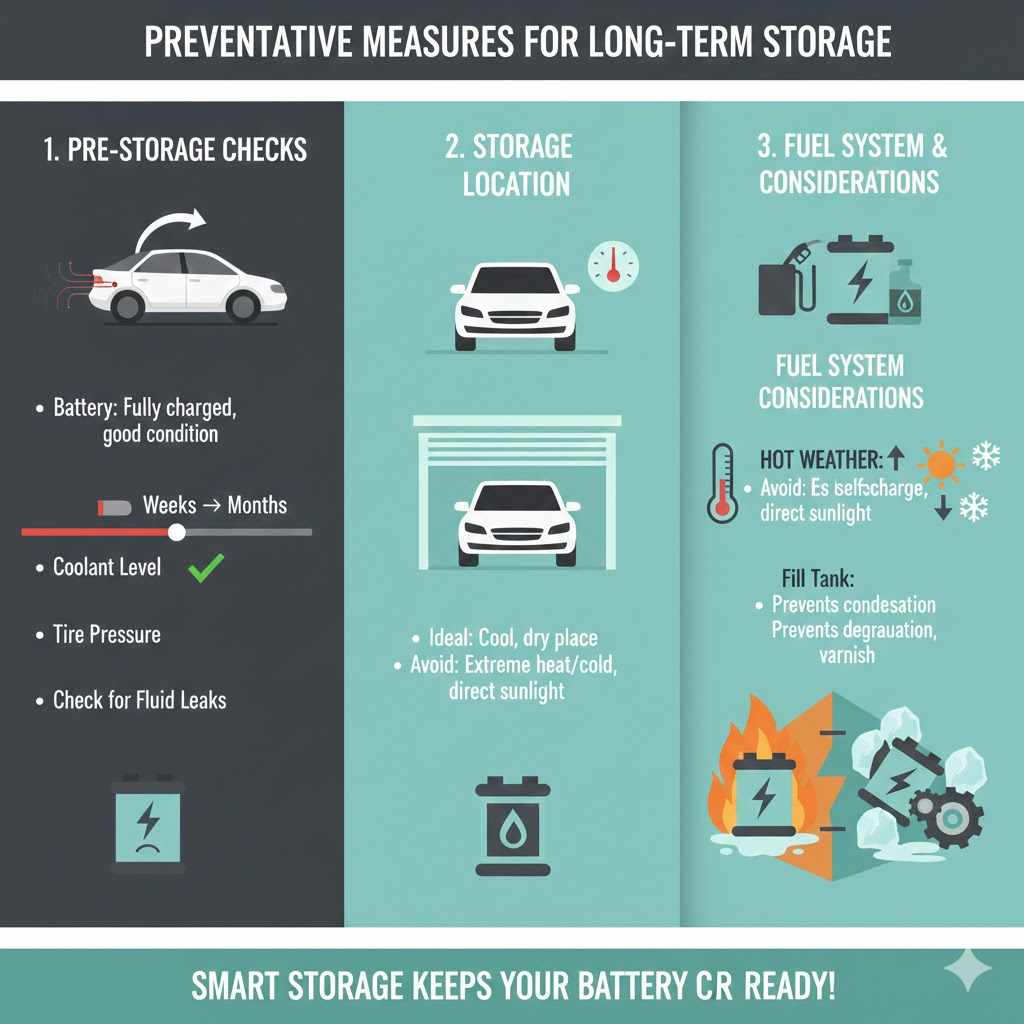
Preventative Measures for Long-Term Storage
If you know you’ll be storing your car for an extended period, taking preventative measures is far more cost-effective than dealing with a dead battery later. Planning ahead can save you a lot of headaches and money.
Pre-Storage Checks
Before you park your car for an extended period, it’s a good idea to perform a few checks.
Ensure your battery is in good condition and fully charged. If it’s already old or showing signs of weakness, consider replacing it before storing the car. Also, check the coolant level, tire pressure, and for any fluid leaks.
Choosing the Right Storage Location
Where you store your car can also impact your battery. Storing a car in a very hot environment can accelerate battery self-discharge and damage. Extreme cold can reduce battery performance and increase the risk of freezing if the battery is discharged.
Ideally, store your car in a cool, dry place, away from direct sunlight and extreme temperatures. A garage is much better than parking it outside for months on end.
Fuel System Considerations
While not directly related to the battery, if you’re storing your car for over a month, you should also consider your fuel. It’s recommended to fill up the fuel tank and add a fuel stabilizer. This prevents the fuel from degrading and varnish from forming in the fuel lines and injectors.
A full tank of gas also helps prevent condensation from forming inside the tank, which can lead to rust. This is a good practice for overall vehicle preservation during storage.
Frequently Asked Questions
Question: How long can a car battery last without driving?
Answer: A car battery can typically last a few weeks to maybe a month without driving before its charge drops significantly. This depends on the battery’s age, condition, and the car’s parasitic drain. After a month, it becomes increasingly likely to cause starting problems.
Question: Can a car battery recover after being drained?
Answer: A car battery can often recover if it hasn’t been drained too deeply or left discharged for too long. Using a battery charger or tender can help it regain its charge. However, deep or prolonged discharges can cause permanent damage (sulfation), reducing its lifespan and capacity.
Question: What is parasitic drain?
Answer: Parasitic drain is the small amount of electrical power that your car’s systems consume even when the engine is off. This includes things like the clock, alarm, and computer memory. While normal, it can deplete a battery over time if the car isn’t driven to recharge it.
Question: Should I disconnect my car battery if I won’t drive it for a month?
Answer: Disconnecting the battery will stop all power drain and preserve its charge. However, it will reset your car’s clock, radio presets, and some computer settings. For periods of a month or less, a battery tender is often a more convenient solution than disconnecting.
Question: How often should I drive my car to keep the battery healthy?
Answer: To keep your car battery healthy, it’s generally recommended to drive it for at least 20-30 minutes every 2-3 weeks. This allows the alternator to recharge the battery sufficiently.
Summary
Yes, Will Not Driving for Months Ruin Your Car Battery? absolutely can. Leaving your car idle for extended periods causes its battery to lose charge due to self-discharge and parasitic drain. This can lead to sulfation and permanent damage, shortening its lifespan.
To prevent this, use a battery tender, drive your car regularly, or disconnect the battery for very long storage.