How to Reset Your Car Air Conditioner: A Step-by-Step Guide
Resetting your car’s air conditioner can often fix cooling problems without an expensive trip to the mechanic. Whether it’s an electronic glitch in the climate control module, a tripped safety shutoff from low refrigerant, or a sensor error — a proper reset clears stored faults and restores normal AC operation. This guide walks through the process step by step.
To reset a car air conditioner: turn off the engine, locate the AC fuse in the fuse box and remove it, then disconnect the negative battery terminal and wait 10–15 minutes. Reconnect the battery, reinstall the fuse, start the engine, and test the AC on max cold. The full process takes about 15–20 minutes and fixes most electronic AC glitches without tools.
Why Does Your Car’s Air Conditioner Need a Reset?
A car’s air conditioning system is a complex network of components — compressor, condenser, evaporator, and more — controlled by an electronic climate control module. Like any computer, this module can develop minor errors that cause the AC to malfunction without any physical hardware failure.
Common reasons a reset is needed include electronic glitches in the control module, a system shutoff triggered by low refrigerant (a protective measure to prevent compressor damage), a clogged filter reducing airflow to below normal thresholds, or a faulty sensor sending incorrect readings to the ECU. A reset clears these errors and forces the system to re-initialize — often resolving the issue instantly. For related issues, see our guide on why your car AC turns on and off.
Signs Your Car’s AC Needs a Reset
Not every AC problem is solved by a reset. Look for these specific symptoms that indicate a software or control issue rather than a mechanical failure:
- AC blows warm air even when set to maximum cold
- Inconsistent cooling — cold one minute, warm the next
- AC button or climate control display unresponsive
- Blinking AC button or error light on the dashboard
- System works but cycles on and off more frequently than usual
If you notice any of these symptoms, a reset is a logical first step. However, persistent warm air that doesn’t respond to a reset may indicate a refrigerant leak or compressor failure — issues that require professional diagnosis.
Preparing to Reset Your Car’s Air Conditioner
Before starting, park in a safe shaded area, turn off the engine, and remove the keys. Retrieve the owner’s manual — it contains the fuse box layout diagram and the specific location of the AC or HVAC fuse for your make and model. If the manual isn’t available, most manufacturers offer digital versions online or the diagram is printed inside the fuse box cover itself.
Have a basic toolkit nearby (screwdriver, wrench) in case the fuse box cover requires removal. Work in a well-ventilated area and avoid working around a hot engine — let the vehicle cool down for 10 minutes if it was recently running.
Step-by-Step Guide to Resetting Your Car’s Air Conditioner
Step 1: Turn Off the AC and Engine
Set the temperature dial to off and turn the fan to off. Shut down the engine completely and remove the key. This ensures no power is running through the AC control system while performing the reset — preventing any errors from being saved while the procedure is in progress.
Step 2: Locate the Fuse Box
Most cars have two fuse boxes: one under the hood (main fuse box) and one inside the cabin near the driver’s side dashboard or beneath the steering column. The AC or HVAC fuse is often in the underhood fuse box, though this varies by vehicle. Check the owner’s manual or the diagram on the inside of the fuse box cover to identify the correct fuse.
Step 3: Remove the AC Fuse
Using a fuse puller (included in most fuse boxes) or fingers, carefully remove the AC fuse. Inspect it visually — hold it up to light and look for a broken or blackened metal strip inside the translucent housing. If the strip is intact, the fuse is functional. Set it safely aside for reinstallation. If the strip is broken, replace it with an identical fuse of the same amperage rating before proceeding.
Step 4: Disconnect the Battery
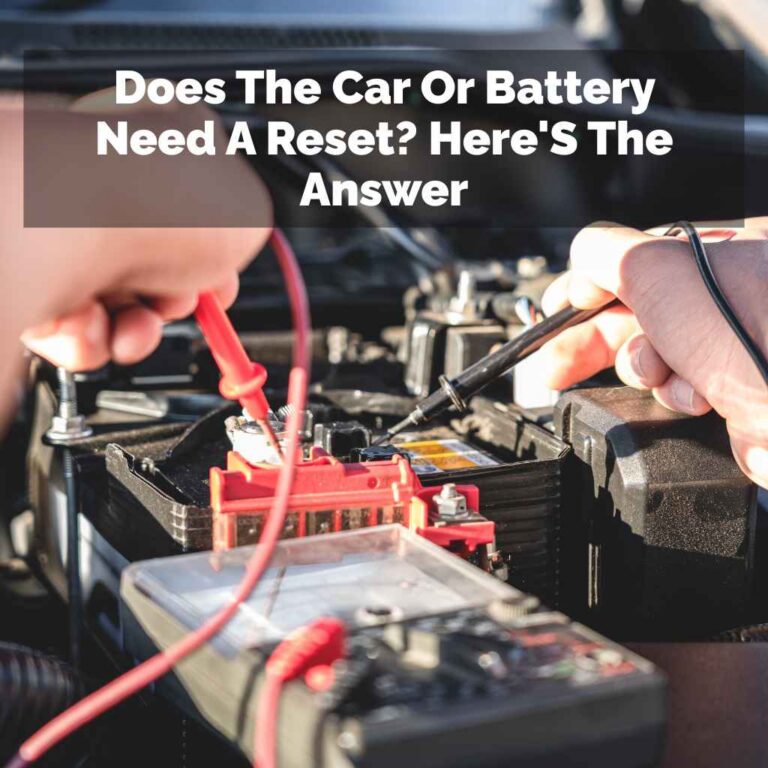
Open the hood and locate the battery. Using a wrench (typically 10mm), loosen and disconnect the negative terminal — marked with a minus sign (−) or the letters “NEG.” Carefully move the cable away from the terminal so it cannot accidentally make contact. Wait 10–15 minutes. This allows capacitors in the control module to fully discharge, which clears all stored error codes and resets the climate control computer to factory defaults.
Step 5: Reconnect the Fuse and Battery
After the wait period, reconnect the negative battery terminal and tighten the bolt securely — a loose connection will cause electrical issues. Reinstall the AC fuse firmly into its slot. Close the fuse box cover and the hood.
Step 6: Test the AC
Start the engine and allow it to idle for 30 seconds before turning on the AC. Set the system to maximum cold with the fan on high. Cold air should begin flowing within 60–90 seconds. Some vehicles may take a moment longer on the first cycle after a battery disconnect as the system re-calibrates blend door positions and sensor readings.
Troubleshooting if the Reset Doesn’t Work
If the AC still blows warm or doesn’t respond after a full reset, the problem is mechanical rather than electronic. Here are the next steps to take:
First, inspect the refrigerant levels. Low refrigerant is one of the most common causes of AC failure. Recharge kits are available at auto parts stores, but overfilling can damage the compressor — use a manifold gauge set to check both sides (see our guide on how to read AC gauges on a car) or have a shop check the charge pressure. If you suspect a refrigerant leak, our guide on how to find an AC leak in your car covers all four detection methods.
Next, check the cabin air filter. A severely clogged filter restricts airflow through the evaporator, making the AC appear to be working weakly. The filter is typically behind the glove box and should be replaced every 12–18 months or 15,000 miles.
Here’s a quick reference table for post-reset troubleshooting:
| Symptom | Possible Cause | What to Do |
|---|---|---|
| Warm air after reset | Low refrigerant | Check levels or visit a mechanic |
| Weak airflow | Clogged cabin air filter | Replace the filter |
| Strange noises on startup | Compressor or fan issue | Get a professional diagnosis |
| AC doesn’t turn on at all | Blown fuse or electrical fault | Replace fuse or consult a mechanic |
How Often Should You Reset Your Car’s AC?
Resetting the AC is not a routine maintenance task — it’s a troubleshooting step performed only when problems arise. If the system requires frequent resets to stay functional, that indicates an underlying issue (failing sensor, marginal refrigerant charge, or electrical fault) that needs proper diagnosis rather than repeated resets.
For routine AC maintenance: check refrigerant levels annually before summer, replace the cabin air filter every 12–18 months, and run the AC for at least five minutes every few weeks during winter to keep the compressor seals lubricated.
When to Call a Professional
Certain AC problems require professional equipment: refrigerant leaks (require a leak detector and vacuum pump), compressor failure, electrical faults in the climate control module, or blend door actuator failures. If the AC doesn’t respond to a reset and basic troubleshooting — or if you hear loud clicking or grinding from the compressor area — a shop diagnosis is the right next step. Most AC diagnostics cost $50–$100 and quickly pinpoint whether the repair is simple (recharge) or complex (compressor replacement).
Tips to Keep Your Car’s AC Running Smoothly
- Run the AC year-round: Even in winter, running the AC for 5–10 minutes monthly keeps the compressor seals lubricated and prevents refrigerant from separating from the compressor oil.
- Park in shade: Reducing cabin heat reduces the workload on the compressor, extending component life.
- Don’t go straight to max cold: Let the car ventilate for 30 seconds before closing windows and setting the AC — this pushes the hottest air out first and reduces initial load.
- Replace the cabin filter on schedule: Every 12–18 months. A clogged filter forces the blower motor to work harder and reduces cooling efficiency.
- Check belts and connections: The AC compressor is belt-driven. A worn or slipping serpentine belt reduces compressor performance. Inspect belts at every oil change.

Conclusion
Resetting a car air conditioner takes about 15–20 minutes and resolves most electronic AC glitches without any cost. The key steps: remove the AC fuse, disconnect the negative battery terminal, wait 10–15 minutes for the control module to fully clear, reconnect, and test. If the issue persists after a reset, the problem is mechanical — low refrigerant, a clogged filter, or compressor failure — and warrants professional diagnosis.
Frequently Asked Questions
Why is my car’s AC blowing warm air?
Warm air is most commonly caused by low refrigerant, a clogged cabin air filter, or an electronic glitch in the climate control module. Try resetting the system first. If that doesn’t resolve it, have a shop check the refrigerant charge and inspect for leaks.
Can I reset my car’s AC without tools?
In most cases, yes. The AC fuse can often be removed by hand, and the battery terminal can be loosened with a 10mm wrench — which most drivers have in a basic toolkit. Some fuse box covers may require a flat screwdriver to open.
How long does it take to reset a car’s AC?
The full process takes 15–20 minutes, with most of that time being the 10–15 minute wait after disconnecting the battery. Actual hands-on work is only 3–5 minutes.
Is it safe to reset my car’s AC myself?
Yes, as long as you follow proper safety steps: engine off, keys removed, and battery disconnected before touching any fuses or electrical components. The only caution is that disconnecting the battery may reset other systems like radio presets and power window positions, which will need to be recalibrated.
How do I know if my AC fuse is blown?
Remove the fuse and hold it up to light. A blown fuse will have a visibly broken metal strip inside the translucent housing, or the housing may appear discolored or blackened. Replace a blown fuse with an identical one of the same amperage — using a higher-rated fuse can damage wiring.
What if my AC still doesn’t work after a reset?
If the reset fails, the issue is mechanical rather than electronic. Check refrigerant level and cabin air filter condition as first steps. If those are fine, the compressor, condenser fan, or a refrigerant leak are likely culprits — all of which require professional diagnosis and repair equipment.
Products related to this article
Sponsored / affiliate links. As an Amazon Associate I earn from qualifying purchases. I may earn additional commission from eligible campaigns.