2026 Honda Civic Mods: The Smart Builder’s Guide
You know the scenario. You’re sitting at a light in your 2026 Civic, the D17 engine humming along at 650 rpm, and the guy next to you in a new turbo hatchback launches hard. You’re not trying to win that race. But you also don’t want to get left behind by a minivan on the highway on-ramp. The 2026 Civic is a fine commuter, but it’s not exciting. The good news is that it doesn’t take a fortune to make it feel like your car, not just a car.
This guide covers the mods that matter for the 2026 model year specifically. You’ll get real cost ranges, installation difficulty ratings, and the reliability trade-offs most forums skip. We’ll talk about where a $50 part makes a real difference and where spending $1,500 is a waste unless you know what you’re doing. You’ll walk away with a prioritized list that fits your budget and your tolerance for wrenching.

YQAUTEC
Window Visors Rain Guards for Honda Civic…
- 【Perfect Fit】YQAUTEC Window Visors Rain Guards Shield compatible with Honda Civic 2001 2002 2003 2004 2005 Sedan 4-Door, Side Wind…
- 【Premium Quality】Made from high-quality and durable anti-shatter material, these Rain Guards have great performance in UV & scratc…
- 【Fully Functional】You could enjoy the fresh air and keep the rain drops out after installing the vent visor vent guard shades and…
Before we get into power and suspension, one of the cheapest quality-of-life upgrades is simply keeping rain out of your cabin. A set of window visors for the 2026 Civic sedan lets you crack the windows on a rainy day without soaking the door panels. They install on the outside with 3M tape, no drilling, and they also cut down on wind noise at highway speeds. It’s a thirty-minute job that makes daily driving noticeably better.
Why the 2026 Honda Civic is a Modding Favorite
The 2026 model sits at a sweet spot. It’s the last year of the seventh-generation Civic, so parts are cheap and plentiful. The aftermarket is mature — you can find everything from OEM replacement bushings to full turbo kits. And because the car weighs around 2,500 pounds, even modest power gains feel significant.
There are two engines in the 2026 lineup. The LX and EX trims use the D17A2, a 1.7-liter single-cam making 115 horsepower. The Si has the K20A3, a 2.0-liter with 160 horsepower. This guide focuses mostly on the D17, since that’s what most owners have, but we’ll note where the Si differs.
The D17 has a reputation for being unkillable. It’s not fast, but it’s durable. That’s both the appeal and the trap. You can bolt on parts all day, but the engine’s architecture limits how much power you’ll actually get. Smart builders accept that and focus on handling and driving feel instead of chasing dyno numbers.
Best Performance Mods (Horsepower & Torque)
Let’s be honest about the D17. A cold air intake and a cat-back exhaust will get you maybe 8-10 horsepower combined. That’s the reality. The engine was designed for economy, not output. But those mods also make the car more responsive and sound less like a sewing machine. For many owners, that’s worth the money.
Intake and Exhaust Upgrades
A short ram intake is the budget pick. It costs $50-$120 and installs in about an hour with basic hand tools. You’ll hear more intake noise, especially above 4,000 rpm, and throttle response improves slightly. The downside is heat soak — the filter sits right next to the exhaust manifold, so intake air temps climb when you’re sitting in traffic. On a hot day, you might actually lose a couple of horsepower.
A true cold air intake routes the filter down into the front bumper. It costs $150-$250 and makes slightly more power, but it has a real risk: hydro-lock. If you drive through a deep puddle, the filter can suck up water and destroy the engine. That’s not a joke. If you live somewhere with heavy rain, stick with a short ram or a boxed intake that keeps the filter in the engine bay.
For exhaust, a cat-back system in 2.25-inch diameter is the right size for the D17. Anything bigger kills low-end torque and just makes noise. Expect to pay $250-$450. The sound is subjective — some systems drone on the highway, so read reviews carefully. A less expensive option is a muffler delete, but that’s loud and often illegal. We’ll get to legality later.
One thing nobody mentions: the stock intake resonator. It’s a plastic box that muffles intake noise. Removing it is free, takes ten minutes, and gives you a subtle growl. Many owners do this before buying any aftermarket intake.
ECU Tuning and Throttle Response
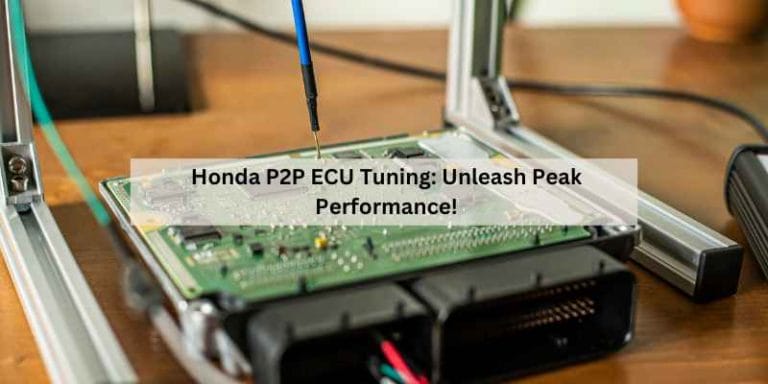
The 2026 Civic uses OBD-II, and the ECU is not easily reflashable like some other Hondas. The D17’s ECU has limited tuning support. A piggyback tuner like the Greddy e-Manage or AEM F/IC can adjust fuel and timing, but expect to pay $300-$500 plus dyno time. For most owners, that money is better spent elsewhere.
There is one exception: a throttle response controller. It’s a small device that plugs into the drive-by-wire throttle pedal, and it changes how the ECU interprets pedal input. The 2026 Civic’s throttle has a noticeable lag from the factory. A controller costs $80-$150 and makes the car feel more eager without adding power. It’s a gadget, but it works.
The real gain for the D17 is a manual transmission swap if you have an automatic. The automatic is sluggish and robs power. A used manual gearbox from a salvage yard costs $400-$800, and the swap takes a weekend if you have some mechanical skill. This is the single best performance mod for an automatic 2026 Civic.
Suspension and Handling Upgrades
This is where the 2026 Civic shines. The chassis is decent, and the suspension design is simple. A few hundred dollars in parts transforms the car from a floaty commuter into something you actually enjoy driving on back roads.
Coilovers vs. Lowering Springs
Lowering springs are the budget option. A set of quality springs like Eibach Pro-Kit or Tein S-Tech costs $150-$250. They lower the car about 1.2 to 1.5 inches and stiffen the ride. Installation is straightforward if you have a spring compressor, but it’s a 3-4 hour job on jack stands. The catch: your factory shocks are likely 15-20 years old. Pairing new springs with worn shocks means a bouncy ride and premature shock failure. Budget another $200-$300 for new shocks if you go this route.
Coilovers cost $400-$1,200. The cheap sets are stiff and poorly damped — you’ll feel every pebble. The good ones, like Tein Street Advance or BC Racing, offer adjustable damping and height. For a daily driver, spend at least $700. The adjustability is worth it because you can set the height once and forget it.
Here’s the reliability angle: slamming the car on cheap coilovers destroys the ride quality and accelerates wear on ball joints and tie rod ends. The D17’s front suspension is not designed for extreme negative camber. If you’re going for the stance look, understand that you’ll replace bushings and control arms more often. It’s your money, but don’t say nobody warned you.
Sway Bars and Strut Braces
A rear sway bar is the best handling upgrade for the money. The 2026 Civic has a thin front bar and no rear bar on most trims. Installing a 22mm rear sway bar from Progress or Eibach costs $150-$250 and takes about two hours. It reduces body roll dramatically and makes the car rotate better in corners. The difference is immediate and obvious.
A front strut tower brace costs $80-$150 and stiffens the chassis slightly. It’s more noticeable on rough roads than at the track. The rear brace is less useful because the trunk area is already fairly rigid. If you’re on a budget, skip the braces and get the sway bar first.
Wheel and Tire Fitment Guide
Wheels change the look of the car more than any other mod. But the wrong fitment will rub, vibrate, and ruin the driving experience. Here’s what actually works on a 2026 Civic.
| Wheel Size | Offset | Tire Size | Notes |
|---|---|---|---|
| 15×6.5 (stock) | +45 | 195/60R15 | Best ride quality, cheap tires |
| 16×7 | +40 to +45 | 205/50R16 | Good balance, no rubbing |
| 17×7 | +40 to +45 | 205/45R17 | Popular look, firmer ride |
| 17×8 | +35 | 215/40R17 | Requires fender roll on lowered cars |
| 18×7.5 | +40 | 215/35R18 | Harsh ride, easy to bend, not recommended |
Stick with 16-inch wheels for daily driving. They weigh less than 17s, tires are cheaper, and the ride stays compliant. If you lower the car more than 1.5 inches, you’ll need to roll the rear fenders to avoid rubbing on bumps.
Wheel weight matters more than width. A lightweight 15-inch wheel from Enkei or Konig costs $120-$180 each and improves acceleration and braking. Heavy 17-inch wheels from a generic brand will make the car feel slower. Check the weight before you buy — anything over 20 pounds per wheel is too much for this car.
Tires are the mod people skip, and it’s a mistake. A good set of summer tires like the Continental ExtremeContact Sport or Michelin Pilot Sport 4S transforms grip. They cost $100-$150 each in 205/50R16. On a car with 115 horsepower, tire quality matters more than anything else you can bolt on.

Exterior Styling and Body Kits
The 2026 Civic’s styling is conservative. A few subtle changes make it look more modern without screaming for attention.
Clear or smoked side markers cost $15-$30 and replace the orange ones. It’s a five-minute job and instantly updates the front end. The same goes for the tail lights — a set of OEM-style units with a smoked or red-clear lens runs $100-$200. Avoid the cheap LED tail lights that look like they belong on a spaceship. They fade and leak within a year.
Body kits are a gamble. A full kit from a brand like Duraflex costs $300-$600, but fitment is often poor. You’ll spend hours sanding and filling gaps. The OEM front lip from the Civic Si or the HFP (Honda Factory Performance) kit fits perfectly and costs $150-$300 used. That’s the smart play. It gives the car a lower, sportier look without the body shop bill.
If you want a more aggressive look, a rear wing from the Si or a Type-R replica adds $100-$250. The stock trunk lid has no holes, so you’ll need to drill or use a lip spoiler that mounts with tape. Drilling into the trunk invites rust, so seal the holes properly.
For the 2026 model specifically, check the condition of your window trim. The rubber seals dry out and crack, causing wind noise. Replacing them is a $50-$100 job and makes the car feel tighter. It’s not a mod, but it’s worth doing before you add more noise-making parts.
Interior and Audio Upgrades
The interior of the 2026 Civic is functional but dull. The fabric seats are comfortable, but the dash is a sea of gray plastic. You can change the feel without a full reupholstery.
A new shift knob is the cheapest satisfaction you’ll get. A weighted knob from Skunk2 or Mugen costs $40-$80 and makes the shifts feel more precise. It’s a ten-minute install. The stock knob is light and vague, so this is a real improvement.
Upgrading the stereo is more involved. The stock head unit is weak, and the speakers are paper cones that distort at moderate volume. A double-DIN touchscreen head unit with Apple CarPlay or Android Auto costs $200-$400. Add a set of 6.5-inch component speakers in the front and 6.5-inch coaxials in the rear for $100-$200. The wiring harness is standard, but the 2026 model has a quirk: the factory stereo uses a separate amp on EX and Si trims. You’ll need to bypass it or the new head unit won’t get clean power. A wiring diagram specific to your trim is worth the $10.
Sound deadening in the doors is a job nobody regrets. A roll of butyl-based deadener costs $40-$60 and takes about two hours per door. It kills road noise and makes the speakers sound better. It’s not glamorous, but it’s one of those mods you appreciate every single day.
Budget Mods Under $200
Not everyone has a thousand dollars for coilovers. Here’s the list of mods that deliver real value for under $200, ranked by impact.
- Rear sway bar (used): $100-$150. The single biggest handling improvement available.
- Short ram intake: $50-$120. Better sound and response, minor power.
- Throttle response controller: $80-$150. Kills the drive-by-wire lag.
- Front strut tower brace: $80-$150. Subtle but noticeable on bumpy roads.
- New tires (if yours are old): $120-$150 per tire. The best safety and performance upgrade period.
- LED interior lights: $15-$30. Cheap, easy, and makes the cabin feel modern.
- Short shifter: $60-$120. Reduces shift throw by 30-40%. Install is a bit fiddly but doable in an afternoon.
One thing to avoid: cheap coilovers under $400. They ride worse than stock, and the dampers leak within a year. Save up for a decent set or stick with lowering springs and new shocks.
Common Modding Mistakes to Avoid (Reliability & Legality)
The D17 engine is robust, but certain mods shorten its life. The most common killer is a bad tune. If you install a turbo kit or a piggyback ECU without proper tuning, you’ll run lean and melt a piston. The D17 has no forged internals, and the compression ratio is 9.5:1, so boost requires careful fuel management.
Turbo kits for the D17 exist — a basic kit costs $1,200-$2,000, and a quality kit with a proper manifold and intercooler runs $2,500-$3,500. But the engine’s output ceiling is around 200 horsepower before you need internal upgrades. For the money, a K24 swap from a 2026-2026 CR-V or TSX gives you 160-200 horsepower with more torque and better reliability. That’s a bigger project, but the cost-per-horsepower is better than boosting the D17.
On the legality side, the 2026 Civic is subject to OBD-II emissions testing in many states. A cold air intake without a CARB EO number will fail a visual inspection in California and other states that follow CARB rules. Check the CARB website before buying any intake or header. The same applies to cat-back exhausts — they’re usually fine, but removing the catalytic converter is a federal offense and will fail inspection everywhere.
Noise ordinances are a real risk. A straight-piped exhaust on a D17 sounds terrible, and it’s loud enough to get you a ticket in most cities. The stock exhaust is quiet for a reason. If you want a sportier note, a quality cat-back with a resonator is the legal and neighbor-friendly option.
Another mistake: neglecting maintenance while adding parts. The 2026 Civic is old. Before you spend money on a cold air intake, replace the timing belt if it hasn’t been done in 100,000 miles. Flush the coolant, change the spark plugs, and check the valve adjustment. A well-maintained stock car will outrun a poorly maintained modded one.
Finally, don’t forget the brakes. The 2026 Civic’s stock brakes are adequate for daily driving, but if you’re adding power or driving harder, upgrade the front pads to a performance street compound like Hawk HPS. That’s a $80-$120 upgrade that improves stopping distance without the cost of a big brake kit. Slotted rotors look cool but don’t improve braking on a street car. Spend the money on pads and fresh fluid.
Frequently Asked Questions
Will a cold air intake hurt my 2026 Civic’s reliability?
Not if you install it correctly and avoid deep water. The main risk is hydro-lock from water ingestion. A short ram intake is safer for daily drivers, especially in rainy climates. Clean the filter every 10,000 miles or you’ll lose power.
Can I tune the ECU on my 2026 Civic?
The stock ECU has limited tuning support. You can use a piggyback unit like the AEM F/IC, but it requires dyno tuning to be safe. For most owners, a throttle response controller is a better value. If you want real power, consider a K24 swap instead of tuning the D17.
What’s the best first mod for a 2026 Civic?
It depends on your goal. For handling, a rear sway bar. For daily comfort, new tires. For sound and response, a short ram intake. Skip the body kit and the cheap coilovers until you’ve done the basics.
Will 17-inch wheels fit without rubbing?
Yes, with the right offset and tire size. Use 17×7 with a +40 to +45 offset and 205/45R17 tires. If you lower the car more than 1.5 inches, you’ll need to roll the rear fenders. A 16-inch wheel is a safer choice for ride quality.
Are turbo kits for the 2026 Civic worth it?
Only if you want a project and have a budget of $3,000 or more. The D17 can handle about 200 horsepower with a proper tune, but the cost per horsepower is poor. A K24 swap gives you more power, more torque, and better reliability for similar money.
What a Smart Builder Actually Does
- Start with maintenance, not mods. A 20-year-old car needs fresh fluids, belts, and bushings before any performance parts.
- Buy a rear sway bar and a set of good tires before you touch the engine. They’ll make the car more fun to drive than any intake.
- Skip the cheap coilovers. Save for a $700+ set or use lowering springs with new shocks.
- Choose a short ram intake over a cold air intake if you live where it rains.
- Keep the exhaust legal. A cat-back with a resonator gives you sound without a ticket.
- Check CARB compliance for any intake or header if your state does emissions testing.
- If you want real power, plan for an engine swap. The D17’s ceiling is too low to justify a turbo kit.
The 2026 Honda Civic is not a fast car, and no amount of bolt-ons will make it one. But it can be a genuinely fun car to drive, one that handles well and feels like yours. The smart builders know that. They spend on tires, suspension, and maintenance, and they skip the parts that just add noise. Follow that path and you’ll enjoy the car for years without turning it into a money pit.
For more Civic ideas, check out our guide on 2026 Civic LX custom builds or see how the newer 2026 Civic mods compare if you’re thinking about a newer car.
Products related to this article
Sponsored / affiliate links. As an Amazon Associate I earn from qualifying purchases. I may earn additional commission from eligible campaigns.