Cost To Get A Diagnosis On A 2015 Honda Crv Explained
It can be really frustrating when your car acts up, right? You hear a strange noise, a light pops on, or it just doesn’t feel right. Your 2015 Honda CR-V is usually so reliable, so it’s natural to worry.
Figuring out what’s wrong is the first big step, but then you start wondering about the cost. How much will it actually cost to get a good diagnosis?
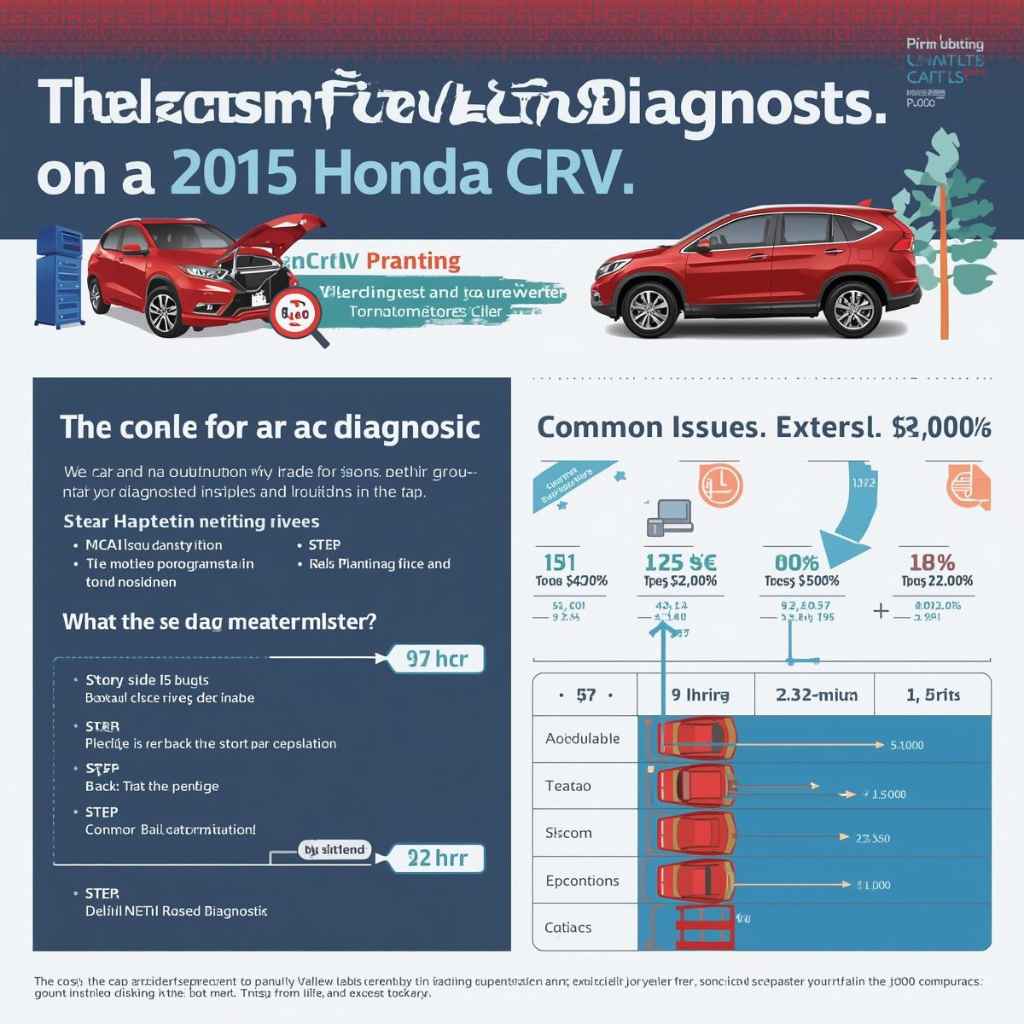
The average cost to get a diagnosis on a 2015 Honda CR-V can range from $100 to $200. This fee covers the mechanic’s time to identify the problem using diagnostic tools. Complex issues may lead to higher diagnostic fees or require more specialized testing, but many shops apply this initial fee toward the total repair cost.
Understanding Your 2015 Honda CR-V Diagnosis Cost
When your 2015 Honda CR-V needs a check-up to find a problem, you’re usually paying for the mechanic’s expertise and their special tools. Think of it like a doctor’s visit. The doctor uses their knowledge and equipment to figure out what’s making you feel sick. Car mechanics do the same thing for your car.
Most shops have standard diagnostic fees. This is a set price they charge just to look at your car and figure out what’s going on. It’s not the repair cost itself, but the cost of finding the problem. Many mechanics will let you know this fee upfront before they even start.
Some common things they look for include check engine lights, strange sounds, or performance issues. They might hook up a scanner to your car’s computer. This scanner reads codes that point to specific problems. Sometimes, it’s a simple fix. Other times, it might be a trickier issue that needs more time to uncover.
The time it takes to diagnose an issue can vary a lot. A loose gas cap causing a check engine light is quick. A problem with the transmission or a complex electrical issue can take much longer. More time usually means a higher diagnostic bill, but this is often waived or applied to your repair bill if you get the work done there.
My Own CR-V Diagnosis Story
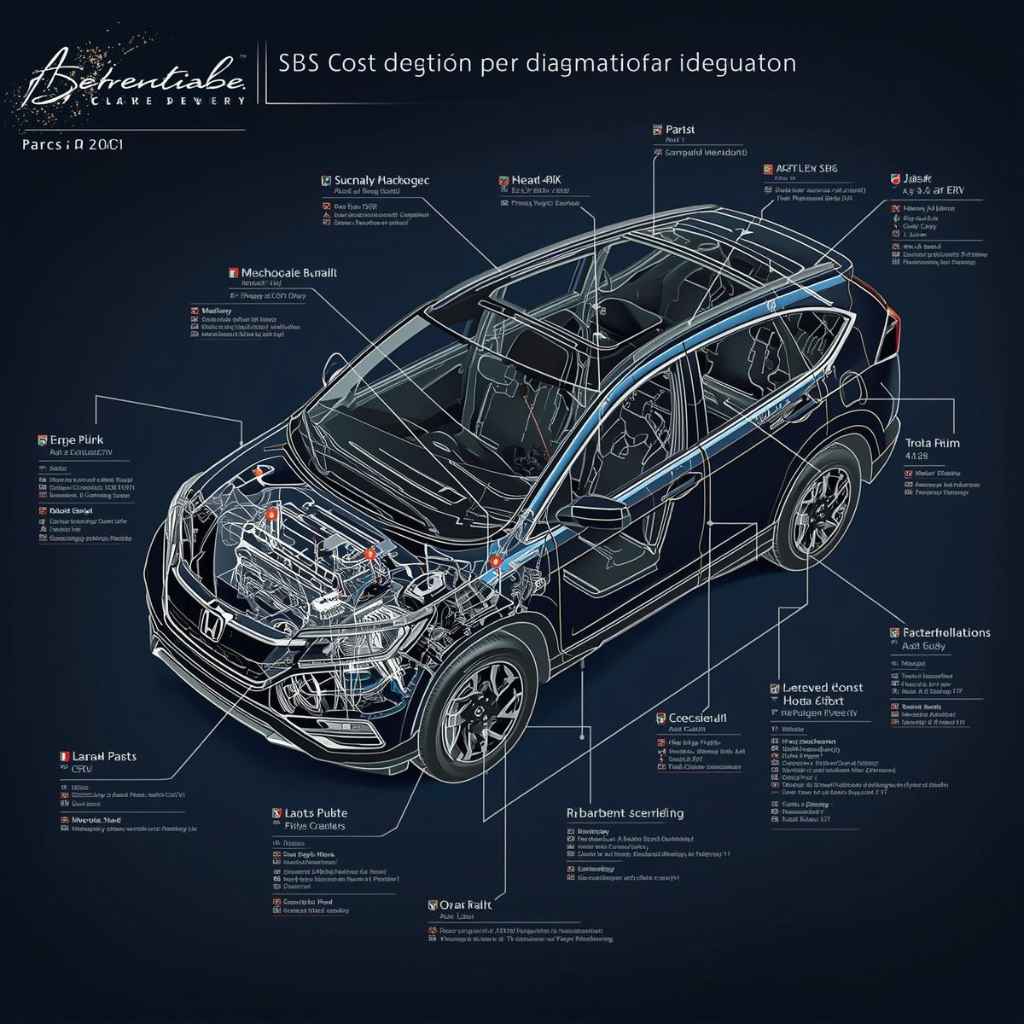
I remember one crisp autumn evening, my 2015 CR-V started making this weird, sort of grinding noise. It only happened when I turned. I had been driving it for years, and it had never made a sound like that before. My heart sank a little. I tried to ignore it, telling myself it was probably nothing. But it got louder the next day.
I finally took it to my go-to mechanic. He’s been fixing my cars for ages, and I trust him. He listened to me describe the sound, nodding along. Then he took it for a quick spin around the block. He said it sounded like something in the front suspension or maybe a wheel bearing. He told me the diagnostic fee would be about $125, and if I got the repair done there, he’d knock that off the final bill. I felt a little better knowing it wasn’t an open-ended charge. He spent about an hour with it, checking things, jacking it up, and looking underneath. He called me later that afternoon and said it was a worn-out front wheel bearing. It wasn’t too expensive to fix, and the diagnostic fee was indeed taken off my final bill. That relief was huge!
Quick Scan: What Impacts Your Diagnosis Cost?
Factors Affecting Diagnosis Fees
- Shop Type: Dealerships often charge more than independent shops.
- Technician Skill: Experienced techs might diagnose faster, but sometimes charge more.
- Diagnostic Tools: Some issues need special scanners or equipment.
- Problem Complexity: Simple fixes cost less to diagnose than complex ones.
- Time Spent: The longer it takes, the more it can cost.
Common Issues for a 2015 Honda CR-V
The 2015 Honda CR-V is generally a very reliable vehicle. But like any car, it can have its common issues. Knowing these can help you understand why a mechanic might be looking at certain parts.
One frequent concern is with the air conditioning system. Sometimes the AC might blow warm air, or you might hear strange noises when it’s on. This could be a refrigerant leak, a faulty compressor, or a problem with the blend door actuator. Diagnosing AC issues can involve checking pressures and inspecting components.
Another area people sometimes notice is related to the brakes. You might hear squealing or feel vibrations when braking. This could be worn brake pads, dirty rotors, or even a sticky brake caliper. A mechanic will inspect the brake pads, rotors, and fluid levels.
The infotainment system or electrical components can also sometimes act up. This might include issues with the radio, backup camera, or warning lights on the dashboard that don’t seem tied to a specific mechanical problem. Diagnosing these can involve checking fuses, wiring, and module communication.
Some owners have reported issues with the transmission. While not widespread, problems like rough shifting or slipping gears can occur. These are usually more serious and require thorough testing of the transmission fluid and control modules.
Finally, suspension and steering components can wear out over time. As I mentioned with my own experience, noises when turning or bumps can indicate issues with shocks, struts, or ball joints. A visual inspection and road test are common ways to diagnose these.
Real-World Scenarios for CR-V Diagnosis
Let’s look at some situations where you might need a diagnosis for your 2015 CR-V.
Scenario 1: The Mysterious Check Engine Light
You’re driving to the grocery store, and suddenly the check engine light illuminates on your dashboard. It’s not blinking, so it’s likely not an emergency. This light can mean hundreds of different things, from a loose gas cap to a serious engine problem.
A mechanic will typically start by using an OBD-II scanner to read the diagnostic trouble codes (DTCs). These codes are like error messages from your car’s computer. For instance, a P0420 code might point to an issue with the catalytic converter. A P0300 code could mean a random engine misfire. The mechanic then uses this code as a starting point to investigate further. They might check for vacuum leaks, inspect spark plugs and ignition coils, or test oxygen sensors.
Scenario 2: That Annoying Clunking Sound
You’re driving over a speed bump or a rough patch of road, and you hear a distinct clunking sound coming from the front or rear of your CR-V. This noise often signals a problem with the suspension system.
The technician will likely put your CR-V on a lift. They will then inspect the shocks or struts, sway bar links, control arm bushings, and ball joints. They’ll push and pull on components to check for play or looseness. A worn-out sway bar link might be the culprit, or perhaps a damaged control arm bushing. The sound helps them narrow down the area to check first.
Scenario 3: The Air Conditioner Isn’t Cooling
It’s a hot summer day, and you turn on your AC, but only warm air comes out. This is a common and frustrating problem.
A mechanic will first check the refrigerant level. If it’s low, they’ll look for leaks. They might also test the AC compressor to see if it’s engaging properly. Other possibilities include a faulty condenser, a clogged expansion valve, or an electrical issue with the AC control panel. Specialized manifold gauges are used to measure system pressure, which is key to diagnosis.
When is a Diagnosis Normal, and When Should You Worry?
Most of the time, a warning light or a new sound means you should get it checked out. That’s normal car ownership. It’s like a little heads-up from your CR-V that something needs attention.
Normal Situations:
- Occasional Sensor Glitches: Sometimes a sensor might temporarily read incorrectly due to weather or minor fluctuations. If a light comes on and then goes off, it’s still worth noting but not an immediate panic.
- Minor Performance Changes: A slight hesitation when accelerating, or a very minor drop in fuel economy, might be early signs of something small. Getting a diagnosis can catch these early.
- New, Unexplained Noises (that don’t worsen): A new squeak that appears only at low speeds and doesn’t get louder might be minor, but it’s wise to get it checked.
When to Worry:
- Flashing Check Engine Light: This usually indicates a severe misfire that can damage your catalytic converter. You should reduce driving and get it diagnosed immediately.
- Major Fluid Leaks: If you see large puddles of oil, coolant, or transmission fluid under your car, this is serious and requires urgent attention.
- Sudden Loss of Power: If your CR-V suddenly feels weak or struggles to accelerate, it could be a significant issue with the engine or transmission.
- Brakes Not Working Properly: Spongy brake pedal, grinding noises when braking, or the car pulling to one side are all signs of brake system failure.
- Overheating: If your temperature gauge climbs into the red zone, stop driving immediately to prevent engine damage.
A diagnosis is your best tool to understand the difference between a minor tune-up and a major repair. It gives you the information you need to make informed decisions about your CR-V.
Tips for Saving on Your CR-V Diagnosis and Repairs
Getting your 2015 Honda CR-V diagnosed and repaired doesn’t have to break the bank. Here are some smart ways to save money.
Find a Reputable Independent Mechanic
While dealerships have factory-trained technicians and the latest tools, they often come with higher labor rates. Finding a trusted independent mechanic who specializes in Hondas can often lead to significant savings. Look for shops with good online reviews, ask friends for recommendations, and consider mechanics who are ASE certified.
Ask About Diagnostic Fee Policies
Before you agree to a diagnosis, ask about the shop’s policy. Many reputable shops will apply the diagnostic fee towards the cost of the repair if you choose to have the work done by them. This means you’re not paying double for the same time. If a shop charges a diagnostic fee and then tells you the repair is extremely expensive, you can always get a second opinion elsewhere, though you may have to pay another diagnostic fee.
Get Written Estimates
Once the problem is diagnosed, always ask for a written estimate detailing the parts and labor costs. Compare estimates from different shops if you’re unsure or if the repair is costly. Make sure the estimates are for the same quality of parts (OEM vs. aftermarket).
Consider Used or Remanufactured Parts
For certain repairs, especially on an older vehicle like a 2015 CR-V, you might be able to save money by using quality used or remanufactured parts instead of brand-new OEM parts. Discuss these options with your mechanic. For example, a used transmission from a salvage yard might be significantly cheaper than a new one.
Regular Maintenance is Key
This is perhaps the most important tip. Following your CR-V’s recommended maintenance schedule can prevent many common problems from developing in the first place. Regular oil changes, fluid checks, and inspections can catch issues early when they are cheaper and easier to fix. A simple fluid flush or filter replacement during routine service might prevent a costly transmission or engine problem down the road.
Understand What’s Actually Needed
Don’t be afraid to ask your mechanic to explain the diagnosis and the proposed repair in simple terms. Make sure you understand why a part needs replacing and what could happen if you don’t do it. Sometimes, a mechanic might suggest a repair that is not strictly necessary for safety or function.
Frequently Asked Questions About 2015 Honda CR-V Diagnosis Costs
How much does it cost to get a check engine light diagnosed on a 2015 Honda CR-V?
Diagnosing a check engine light on a 2015 Honda CR-V typically costs between $100 and $200. This fee covers the mechanic’s time to scan the codes and perform further tests to pinpoint the exact cause. Many shops will credit this fee towards your repair bill.
Are dealership diagnostic fees higher than independent shops?
Yes, generally dealership diagnostic fees are higher. Dealerships often have higher overhead costs and labor rates. Independent mechanics, especially those specializing in Hondas, can offer more competitive pricing for diagnoses.
Can I diagnose my 2015 Honda CR-V myself?
You can purchase an OBD-II scanner for around $20-$50 to read diagnostic trouble codes (DTCs). This can give you a starting point. However, interpreting these codes and performing the necessary tests to find the root cause often requires specialized knowledge and tools that mechanics possess.
What is the most common problem that requires a diagnosis on a 2015 CR-V?
While the 2015 CR-V is quite reliable, common issues that might require diagnosis include problems with the air conditioning system, brake issues, and occasionally electrical glitches with the infotainment system. The check engine light is also a frequent reason for seeking a diagnosis.
Will my extended warranty cover diagnostic fees?
It depends on your specific extended warranty contract. Many warranties cover the cost of repairs once a problem is diagnosed, but they may or may not cover the initial diagnostic fee itself. Always check the terms of your warranty policy carefully.
How long does a typical diagnosis take for a 2015 Honda CR-V?
A typical diagnosis can take anywhere from 30 minutes to a couple of hours. Simple issues like a code scan might be quick. More complex problems, like those involving transmission or intricate electrical systems, can require more in-depth testing and take longer.
Wrapping Up: Getting Your CR-V Back on Track
Dealing with car trouble is never fun, and the thought of unexpected costs can be stressful. For your 2015 Honda CR-V, understanding that a diagnostic fee is a normal part of the process is the first step. Remember, it’s an investment in getting the right fix the first time.
By knowing what influences the cost, being aware of common CR-V issues, and using smart saving tips, you can navigate the repair process with more confidence and keep your reliable Honda running smoothly for years to come.
Products related to this article
Sponsored / affiliate links. As an Amazon Associate I earn from qualifying purchases. I may earn additional commission from eligible campaigns.