Is Honda a Japanese Car? The Honest Answer About Ownership, Manufacturing, and VINs
You’re at a tailgate, and someone points at a new Honda Passport and calls it a ‘Jap car.’ Someone else argues it’s actually American because it was built in Alabama. Both people are half right, and that’s exactly why this question gets so messy. The short answer is yes, Honda is a Japanese car company. But the full answer involves corporate ownership, global assembly lines, and a VIN number that tells the real story.
This article walks through what ‘Japanese’ actually means for a car maker, where your specific Honda was assembled, and why the build quality debate is more nuanced than internet forums suggest. You’ll also learn how to decode your own vehicle’s origin in under two minutes, no tools required.

USARemote
Cutting NOT Required - Key Fob Keyless…
- HONDA KEY FOB SHELL REPLACEMENT: Replacement key fob shell case for select Honda vehicles, including 2003-2014 Accord, 2006-2013 C…
- SHELL ONLY (NO ELECTRONICS / NO CHIP INCLUDED): This is a replacement key fob shell only — no circuit board, battery, or electroni…
- NO CUTTING REQUIRED: Easy DIY installation. Move your existing key blade and internal components from your original remote into th…
If your key fob shell is cracked or the buttons are worn out from years of use, there’s a simple fix that doesn’t involve a dealership. A replacement key fob shell like this USARemote option for 2026-2026 Accord, 2026-2026 Civic EX, 2026-2026 Pilot, and 2026-2026 CR-V lets you swap your original internals into a fresh case. No cutting, no locksmith, just a few minutes of careful work.
The Short Answer: Is Honda a Japanese Car?
Yes. Honda Motor Co., Ltd. is a Japanese company. Its headquarters sit in Minato City, Tokyo. The company was founded in 1948 by Soichiro Honda, and its corporate ownership, board of directors, and primary stock listing are all Japanese. That part is not complicated.
The confusion starts when you look at where the cars are built. Honda operates massive manufacturing plants in Ohio, Indiana, and Alabama. In fact, the Honda Accord built in Marysville, Ohio, is one of the most ‘American’ cars on sale, based on domestic parts content and assembly location. So you can own a Honda that is legally classified as an American-made vehicle, built by a Japanese company.
That distinction matters. Corporate nationality and manufacturing locality are two separate things. Honda the company is Japanese. Your specific car might be American, Japanese, Canadian, or even British, depending on where it rolled off the line.
Defining ‘Japanese’: Ownership, Headquarters, and Engineering DNA
Let’s be precise about the taxonomy of origin. A ‘foreign car’ is legally defined by where it is assembled, not by the brand’s home country. For example, a BMW built in Spartanburg, South Carolina, is not a foreign car under US law. It’s an American-made product from a German company. The same logic applies to Honda.
But there’s a deeper layer: engineering DNA. Honda’s core engineering philosophy, known as Monozukuri, translates roughly to ‘the art of making things.’ This approach emphasizes continuous improvement (Kaizen), waste elimination, and a relentless focus on manufacturing quality. These principles originated in Japan and are still taught and enforced across all of Honda’s global factories.
Here’s where it gets interesting. Honda’s US operations aren’t just assembly plants that bolt together Japanese parts. The company runs major R&D centers in Los Angeles, Ohio, and Detroit. American engineers design and develop many models specifically for the North American market. The Honda Passport, Pilot, and Odyssey were largely developed in the US, for US buyers. So the ‘Japanese-ness’ of a Honda is not a single thing. It’s a blend of Japanese corporate culture, American design input, and global supply chains.
Where Are Hondas Actually Built? (Global Manufacturing Map)
Honda builds cars on nearly every continent. The location depends on the model and the market it serves. Here’s a breakdown of the major production hubs.
The Big Three US Plants (Ohio, Indiana, Alabama)
- Marysville Auto Plant (Ohio): This is Honda’s first US plant, opened in 1982. It builds the Accord, CR-V, and Acura Integra.
- East Liberty Auto Plant (Ohio): Opened in 1989, this facility produces the CR-V and Acura RDX.
- Indiana Plant (Greensburg): This newer plant, opened in 2026, assembles the Civic Hatchback and CR-V.
- Alabama Plant (Lincoln): This is the home of the Pilot, Odyssey, Passport, and Ridgeline. It opened in 2026.
These four plants produce the vast majority of Hondas sold in North America. If you buy a Civic in Texas, it almost certainly came from Indiana or Ontario, Canada.
The Remaining Japanese Production Lines
Honda still builds cars in Japan, but the lineup is smaller than it used to be. The plants in Suzuka and Yorii produce models like the Civic (for some markets), the Fit (Jazz), the Stepwgn, and various kei cars that never leave Japan. The iconic Honda S660 sports car, now discontinued, was a Japan-only product.
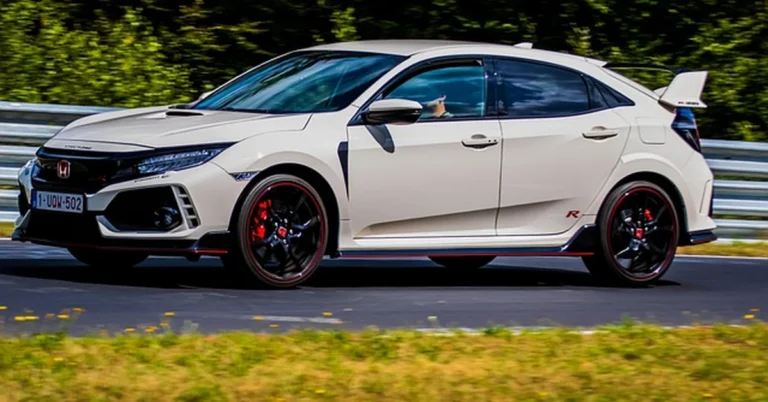
For US buyers, the most common Japanese-built Honda is the Honda Civic Type R, which was assembled in Yorii, Japan, before being shipped stateside. The Acura NSX supercar was also built in Ohio, which surprises many enthusiasts.
How to Decode Your Honda’s VIN to Find Its True Origin
Your Honda’s Vehicle Identification Number (VIN) is a 17-character code that tells you exactly where it was built. The first character is the country of manufacture. It’s the easiest thing to check.
| First VIN Digit | Country of Assembly | Common Honda Models |
|---|---|---|
| 1 | United States | Accord, Civic, CR-V, Pilot, Odyssey |
| 2 | Canada | Civic, CR-V |
| 3 | Mexico | CR-V (some years) |
| J | Japan | Civic Type R, Fit, kei cars |
| 5 | United States (second digit indicates plant) | Passport, Ridgeline (Alabama) |
Here’s the step-by-step process. Look at the driver’s side dashboard near the windshield, or check the door jamb sticker. Find the 17-digit VIN. The first character is all you need for country of origin. If it starts with ‘1’ or ‘5’, it’s American. If it starts with ‘J’, it’s Japanese.
The 11th character tells you which plant assembled the car. For example, an ‘H’ indicates the Marysville, Ohio plant. A ‘5’ in the first position with a ‘K’ in the 11th position points to the Lincoln, Alabama plant. You can find full plant codes in any free online VIN decoder.
The US-Japan Tango: Tariffs, Trade Wars, and Localization
Honda’s move to the US wasn’t just a business strategy; it was a response to political pressure. In the late 1970s and early 1980s, Japanese automakers were flooding the American market with fuel-efficient cars. American automakers in Detroit were losing market share, and Congress threatened to impose heavy import tariffs.
To avoid these restrictions, Japan agreed to Voluntary Export Restraints (VERs) in 1981. This limited the number of cars Japanese manufacturers could ship to the US each year. Honda’s response was bold: if they couldn’t import cars, they’d build them here. The Marysville, Ohio plant opened in 1982, and the rest is history.
This localization strategy paid off. Honda now employs over 40,000 Americans and has invested billions into US manufacturing. The company also operates joint ventures, like the one with General Motors to develop hydrogen fuel cell technology. So the Honda you drive today is the product of a deliberate, decades-long effort to become an American manufacturer while remaining a Japanese company at its core.
Does ‘Made in USA’ Make It Less Japanese? (Build Quality Debate)
There’s a persistent myth that Japanese-built Hondas are higher quality than US-built ones. Enthusiasts on forums will claim the ‘JDM’ (Japanese Domestic Market) versions have better panel gaps, softer plastics, or more precise assembly. Is there any truth to it?
The short answer: not much, and not in the way people think. Honda’s global manufacturing standards are incredibly consistent. The same robotic welders, the same inspection checklists, and the same quality control metrics are used in Ohio and Suzuka. In fact, the Marysville plant has won numerous J.D. Power awards for initial quality, often beating plants in Japan.
That said, there are minor differences. Some early US-built models had issues with paint quality and interior trim fitment that were later corrected. The Japanese plants also tend to have a more experienced workforce, since many workers have been there for 30+ years. But for a modern Honda, the difference is negligible. A 2026 Civic built in Indiana is just as reliable as one built in Japan.
What actually matters more is the model generation and specific engine. A 2026 Accord with the V6 had known transmission issues. A 2026 Fit had less sound deadening than the Civic. These are model-specific traits, not country-of-origin flaws.
Honda vs. Toyota vs. Nissan: Different Flavors of Japanese Identity
All three major Japanese brands have localized production, but they’ve done it differently. Toyota was the first to build in the US, opening NUMMI in California in 1984. They now build the Camry, RAV4, and Tacoma in the US, and their engineering centers in Michigan are massive.
Nissan took a different path. They’ve had a plant in Smyrna, Tennessee, since 1983, but they’ve also struggled with corporate instability and closer ties to Renault (a French company). Nissan’s Japanese identity is more diluted because of that alliance.
Honda sits in the middle. They are fiercely independent, with no controlling stake from any foreign automaker. They’ve resisted mergers and alliances more than any other Japanese manufacturer. So while Toyota and Nissan have globalized their ownership structures, Honda remains the most ‘purely Japanese’ in terms of corporate control, even though its cars are built globally.
FAQ: Common Questions About Honda’s Nationality
Is Acura a Japanese car brand?
Yes. Acura is Honda’s luxury division, launched in 1986. It was the first Japanese luxury brand, beating Lexus and Infiniti to market. Acuras are built on Honda platforms and share engines, but they’re sold and serviced through separate dealerships. Most Acuras sold in the US are built in Ohio or Alabama.
Are Honda parts made in Japan?
It depends on the part. Engines and transmissions for many models are still manufactured in Japan and shipped to US plants for installation. However, Honda has been localizing parts production for decades. Many components, like seats, glass, and tires, are sourced from North American suppliers. The VIN tells you where the car was assembled, but the parts can come from a dozen countries.
Does Honda have any plants in Europe?
Honda closed its UK plant in Swindon in 2026. That plant had built the Civic for the European market. Now, Honda imports most of its European vehicles from Japan. The company also has a small motorcycle plant in Italy, but car production in Europe has largely ended.
Is a Honda built in Japan more reliable than one built in the US?
No. Modern reliability data from Consumer Reports and J.D. Power does not show a significant gap between Japanese-built and US-built Hondas. The plant in Marysville, Ohio, consistently produces vehicles that match or exceed the quality of those from the Suzuka plant. The myth persists because of early 1980s issues with US assembly, but that era is long gone.
How can I tell if my Honda was imported or made in the US?
Check the first digit of the VIN. If it starts with ‘J’, it was assembled in Japan and imported. If it starts with ‘1’, ‘2’, or ‘5’, it was built in North America. You can also look at the window sticker or the door jamb label, which lists the final assembly point.
The Verdict: Why It Matters for Your Purchase Decision
So what does all this mean when you’re shopping for a used Honda or deciding whether to feel patriotic about your Ohio-built Accord?
- Honda is a Japanese company. Corporate ownership, headquarters, and engineering philosophy are all Japanese.
- Most Hondas sold in the US are American-made. The VIN’s first digit is the definitive proof.
- Build quality is consistent across plants. Don’t pay a premium for a ‘Japanese-built’ Civic; the US plants are just as good.
- Check the VIN before buying. It’s the only way to know for sure where your car was assembled.
- Honda’s US investment is massive. Buying a Honda supports American jobs, even if the profits go to Tokyo.
- The ‘Japanese vs. American’ debate is mostly outdated. Modern cars are global products, and Honda is the best example of that.
- If your key fob is worn, replace the shell, not the whole unit. It’s cheaper and keeps your original electronics working.
At the end of the day, the label matters less than the car itself. A Honda is a Honda, whether it was bolted together in Ohio or Suzuka. The engineering standards, the reliability expectations, and the driving experience are all part of the same corporate DNA. So the next time someone tries to tell you your Pilot is a ‘fake’ Japanese car, hand them a VIN decoder and let the facts settle it.
Products related to this article
Sponsored / affiliate links. As an Amazon Associate I earn from qualifying purchases. I may earn additional commission from eligible campaigns.