Honda CR-V D1 Vs D2 Automatic Gear: What’S The Difference?
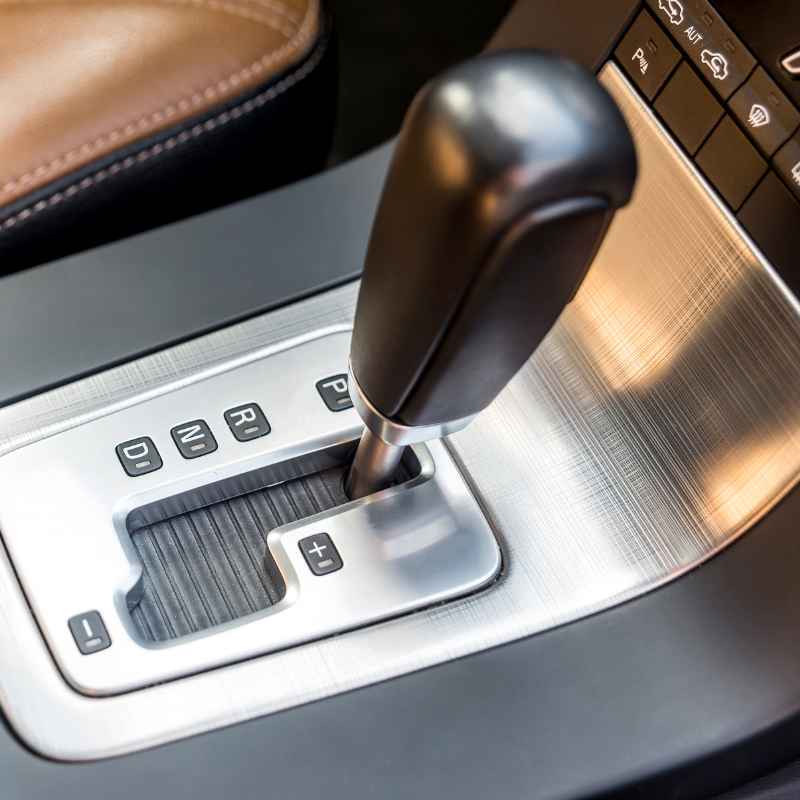
The difference between D1 and D2 on a Honda CR-V automatic transmission relates to gear selection. D1 typically means the transmission is locked in first gear for low-speed traction or engine braking. D2 usually allows the transmission to shift between first and second gear.
This provides more flexibility for gentle acceleration or controlled descents.
Understanding Your Honda CR-V’s Automatic Transmission
Most modern cars have automatic transmissions. They do the shifting for you. This makes driving much easier.
Your Honda CR-V likely has a type of automatic transmission. It might be a traditional one. Or it could be a Continuously Variable Transmission (CVT).
The symbols on your gear shift lever tell a story. They guide how the transmission behaves. Let’s focus on what D1 and D2 mean in this context.
Think of your car’s gears like gears on a bicycle. Lower gears help you start moving. They give you power.
Higher gears let you go faster smoothly. An automatic transmission manages this for you. It picks the best gear.
Most of the time, you just put it in “D” for Drive. The car handles the rest.
But what about those extra selections? D1 and D2 are often found on older automatic transmissions. Or they might be present on some modern ones with specific modes.
They give you a bit more control. They are not for everyday driving. They are for special situations.
Knowing when to use them is key. It helps your CR-V perform at its best.
The Story of My First “Stuck” Moment
I remember my first car. It was a used sedan. It had a gear selector that looked like a secret code.
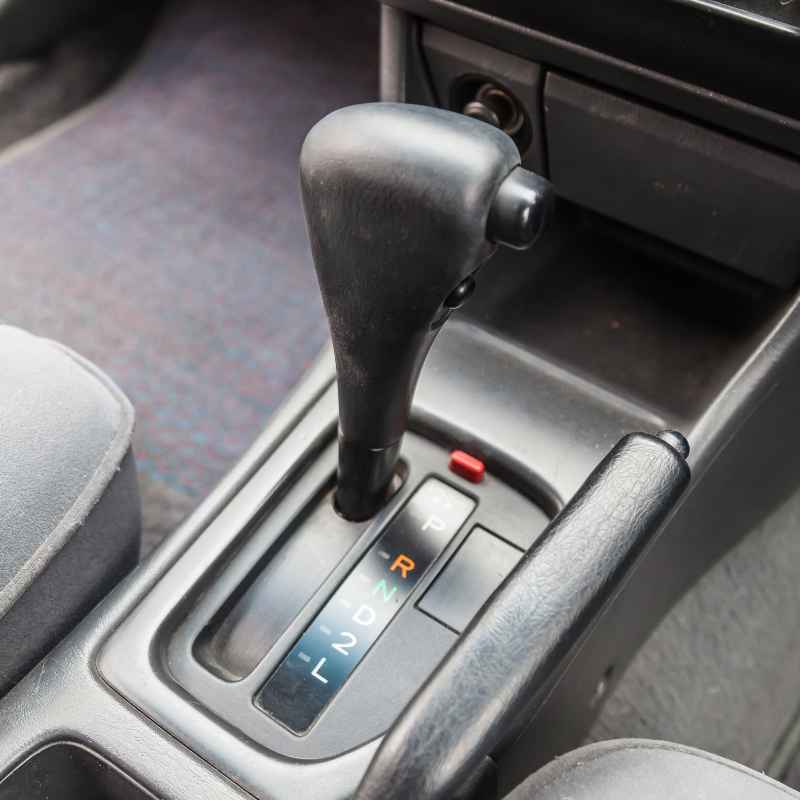
I saw P, R, N, D, and then two little “L”s, which I later learned were often similar to D1 and D2 in function. One winter, I got stuck in a snowdrift. The wheels spun uselessly.
My dad, who was visiting, came out to help. He told me to try putting the car in “L” or “1”. He said it would give me more power to get out.
I was hesitant. It felt wrong to force the car into a lower gear. But I tried it.
I gently pressed the gas. The wheels turned slowly but surely. I felt a little bit of control come back.
That was my first real understanding that these extra gear settings had a purpose. It wasn’t about going faster. It was about using the engine’s power differently.
It felt like a small victory. The snow was deep. My driveway was a mess.
But with that simple shift, the car moved. It was a stark contrast to just spinning the wheels in regular Drive. That experience stayed with me.
It taught me that sometimes, giving the car a little direction is helpful. It’s like telling a friend the best way to approach a tricky task. They can then use their strengths more effectively.
Looking back, that moment was a good lesson. It showed me the value of understanding the nuances of my vehicle. It’s not just about getting from point A to point B.
It’s about understanding how the machine works. This helps in everyday driving and in unexpected situations. My CR-V, with its own transmission options, is no different.
Paying attention to these details can make a big difference.
D1: The Power Gear
So, what exactly is D1? On many automatic transmissions, D1 stands for “Drive, 1st Gear.” This means the transmission is commanded to stay in the lowest gear. It will not shift up to any higher gears.
Think of it as a “power mode” for starting out or for very slow, controlled movement. Why would you need this?
One common reason is when you’re stuck. Imagine your Honda CR-V is in a snowy ditch. Or it’s bogged down in mud.
If you just use “D,” the wheels might spin. The engine might rev too high. The transmission might try to shift up.
This can make the situation worse. By selecting D1, you tell the transmission to use only first gear. This gives you maximum torque.
Torque is that pulling power. It helps you get moving from a standstill. It also lets you crawl slowly.
Another use for D1 is for engine braking. When you’re going down a very steep hill, you don’t want to rely only on your brakes. Your brakes can overheat.
This is dangerous. If you shift to D1 (or a similar low gear setting), the engine itself helps slow the car down. It acts like a brake.
This saves your brake pads. It also provides more control on the descent. Your CR-V’s engine will be working harder, but in a controlled way.
This helps keep your speed in check.
It’s important to remember that D1 is not for highway speeds. Driving in D1 for a long time at higher speeds is bad for the transmission. The engine will be revving very high.
This can cause damage. It also wastes fuel. So, use D1 only when you need that extra low-end power or significant engine braking.
When I’m driving my own car on a slick road, and I need to creep forward, I sometimes use a lower gear setting. It feels more connected to the road. It gives me a sense of surety.
It’s like having better traction. It’s a small adjustment, but it can make a world of difference. It’s a tool in your driving toolbox.
This gear is excellent for situations where you need consistent, controlled power. It’s not about speed. It’s about steady, reliable movement.
This is crucial when you’re trying to get out of a sticky situation. Or when you need to maintain a slow, deliberate pace on a difficult surface. The goal is to give the wheels the best chance to grip and move the vehicle forward.
Think about it like this: if you’re trying to push a heavy box, you don’t try to run with it. You use a slow, steady push. D1 is the car’s version of that steady push.
It focuses all its available energy on that initial, powerful movement or on holding back a descent. It’s a very specific tool for a specific job. Using it outside of those times would be like trying to run with that heavy box – inefficient and potentially damaging.
The key takeaway for D1 is its purpose: maximum low-speed torque or maximum engine braking. It’s a deliberate choice to limit the transmission’s ability to shift, thereby harnessing the engine’s power in its most potent form for starting, crawling, or controlling downhill speed. It’s a direct command to the transmission to stay put, offering you direct control over its power delivery at the lowest end of the spectrum.
D2: The Next Step Up
Now let’s talk about D2. This position is a step up from D1. In a traditional automatic transmission, D2 often means the transmission can shift between 1st and 2nd gear.
It will not go into 3rd gear or higher. This setting is also for situations where you need more control than regular “D.” But it offers a bit more flexibility than D1.
Consider driving down a moderately steep hill. Using D1 might be too much engine braking. The car might slow down too much.
The engine might strain. Selecting D2 allows the transmission to use 1st and 2nd gear. This provides good engine braking.
But it’s not as aggressive as D1. It allows for a slightly higher speed while still using the engine to help slow down. This can be useful in hilly areas or on slippery roads where you want some engine assistance.
D2 can also be helpful when you need a bit more power than regular Drive. But you don’t need the full force of D1. For example, if you’re pulling away from a stop sign on a slippery surface.
Or if you’re trying to climb a gentle incline and feel the car struggling a bit in “D.” D2 can help. It keeps the engine in a slightly lower gear. This gives you more responsiveness when you press the accelerator.
It prevents the transmission from shifting into higher gears too quickly. This keeps the engine in its power band.
Unlike D1, D2 is generally safe for use at slightly higher speeds than just crawling. However, it’s still not meant for sustained high-speed driving. If you’re on a highway, you should always use “D” for optimal fuel economy and engine performance.
The transmission is designed to shift through all its gears in “D” to keep the engine RPMs low.
I’ve used the “2” setting on my own vehicles when driving through a campground. You have to go slow. You also need to navigate around people and obstacles.
Regular “D” sometimes felt too eager to shift up. “2” kept the car in a lower, more manageable gear. It made me feel more in control.
I wasn’t worried about accidentally accelerating too much. It was a subtle difference, but it made the drive much more relaxed and safe.
This gear is a compromise. It offers more engine braking and acceleration power than “D”. But it’s not as restrictive as “D1”.
It’s a good middle ground for situations that aren’t extreme. It allows for smoother engagement with the road. It also provides a reserve of power when you need it.
It’s a practical setting for varying conditions. It helps you maintain a consistent speed. It also prevents the jarring shifts that can happen if the car tries to select a higher gear too soon.
The key benefit of D2 is its versatility. It provides a bridge between the extreme low of D1 and the general driving of D. It’s useful when you need more engine control for downhill sections.
It’s also good for moderate inclines or when you want a more responsive feel from the engine during slower speeds. It ensures the transmission stays in the lower gear range. This keeps the engine ready to provide power without the excessive revs of D1.
So, D2 is essentially saying, “Let’s stick to the lower gears, but give me a little more freedom than just first.” It’s a more adaptable tool than D1. It’s for when you need a bit of extra help. But the situation doesn’t call for locking yourself into the absolute lowest gear.
It’s about having more control over the engine’s delivery without completely limiting its range.
Infographic: D1 vs. D2 – Quick Comparison
D1 vs. D2: At a Glance
- D1 (First Gear):
- Purpose: Maximum torque, extreme low-speed control, significant engine braking.
- Gears Used: Only 1st gear.
- Best For: Deep snow, mud, getting unstuck, very steep descents.
- Speed Limit: Very low speeds only.
- D2 (Second Gear):
- Purpose: Moderate engine braking, better acceleration from low speeds, control on slippery surfaces.
- Gears Used: 1st and 2nd gear.
- Best For: Moderate hills, slippery roads, slow driving in communities, when “D” feels insufficient.
- Speed Limit: Low to moderate speeds.
When D1 and D2 Appear on Your CR-V
It’s important to note that the specific labels and availability of D1 and D2 settings can vary. Older automatic transmissions often had distinct “1,” “2,” or “L” (Low) positions on the gear shifter. These directly corresponded to locking the transmission in certain gears.
Many modern Honda CR-Vs use Continuously Variable Transmissions (CVTs). CVTs don’t have fixed “gears” in the traditional sense. Instead, they have a system that can smoothly change ratios.
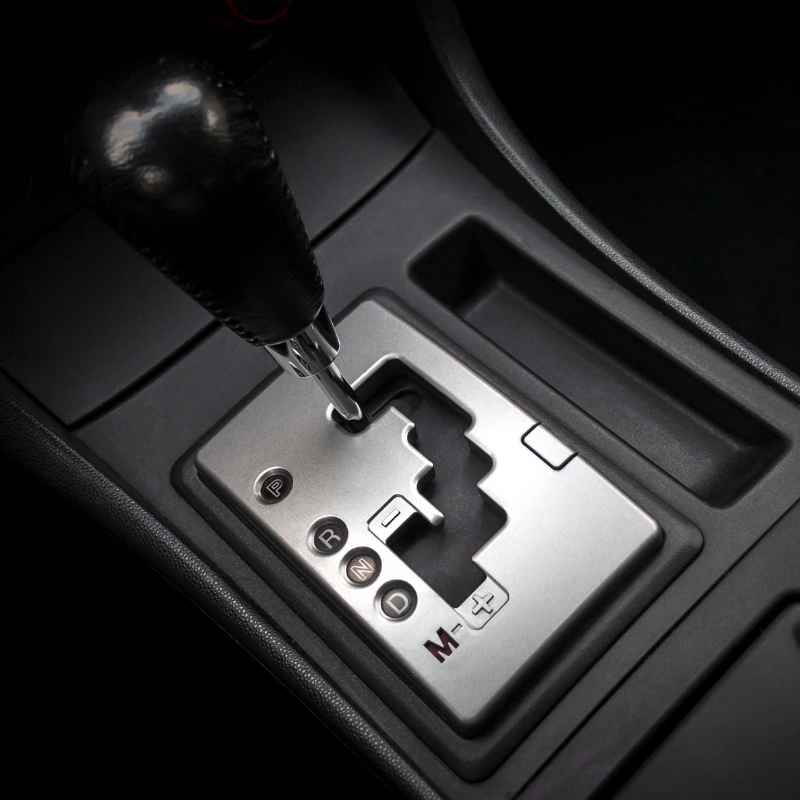
However, manufacturers sometimes program CVTs to mimic traditional gear shifts. They might offer a “Low” or “L” mode. Or they might have paddle shifters that allow you to select simulated gear ratios.
These simulated gears function similarly to D1 and D2.
If your CR-V has a CVT with a “Low” mode, it’s likely designed to keep the transmission in a lower, more powerful range. This is for situations like climbing hills or going down steep inclines. It’s to provide more engine braking.
It will behave much like a traditional D1 or D2 setting. Always check your owner’s manual.
Your owner’s manual is your best friend here. It will tell you exactly what the symbols on your gear shifter mean. It will also explain the best times to use them.
For example, some manuals might label a lower gear selection as “S” for Sport mode. While “S” often sharpens throttle response, it can also keep the transmission in lower gears for longer. This is similar to the concept of D1 or D2.
I once helped a friend look at their car’s manual. They had a newer SUV. They saw a “B” mode on the gear selector.
They had no idea what it was for. It turned out “B” stood for “Braking.” It was specifically designed to increase engine braking when going downhill. It felt very much like the “D1” or “L” function I was used to.
It just had a different name. This highlights how manufacturers design these features differently.
The underlying principle remains the same. These extra settings are there to give you more control. They allow you to tailor the car’s power delivery and engine braking to specific driving conditions.
They are not for everyday use. They are for those moments when standard “Drive” isn’t quite right. They offer a way to optimize performance and safety when conditions demand it.
Understanding your specific CR-V’s manual is key to unlocking these capabilities.
The evolution of transmissions means that while the labels might change, the functional purpose of these lower gear selections often stays consistent. Whether it’s labeled D1, L, 1, S, or B, the intent is to provide more engine power for starting off, more controlled engine braking for descents, or a more responsive feel at lower speeds. Your CR-V’s design will dictate the exact way these functions are presented, but the principle of enhanced control remains a constant.
It’s a good practice to spend a few minutes with your owner’s manual. Flick through the sections on driving and the transmission. You might discover features you didn’t even know you had.
This knowledge can make you a more confident and capable driver. It empowers you to use your vehicle to its fullest potential. And to do so safely.
Your CR-V is a smart machine. Understanding its language helps you communicate better with it.
Real-World Scenarios: When to Engage D1 or D2
Let’s walk through some common situations where using D1 or D2 on your Honda CR-V can be a smart move. These are practical examples from everyday driving and challenging conditions.
Scenario 1: Stuck in Snow or Mud
It’s winter, and you’ve driven a bit too far off the cleared path. Your CR-V’s wheels are buried in snow or mud. If you try to power out in “D,” the wheels spin, and you dig yourself deeper.
This is a prime time for D1. Shift into D1. Gently apply the accelerator.
The transmission will stay in first gear. This gives you the maximum possible torque to slowly creep the vehicle forward. You might rock the car back and forth a few times.
You’ll feel the difference in control. The engine’s power is more direct. This helps you gain traction without excessive wheel spin.
Scenario 2: Descending a Steep, Icy Hill
You’re driving down a long, steep hill. It’s covered in ice. Your brakes will struggle.
They might overheat. Relying solely on them is dangerous. Instead, shift your CR-V into D1 or D2.
D1 will give you the strongest engine braking. D2 will provide good engine braking but allow for a slightly faster speed. Choose based on how steep the hill is and how much you need to slow down.
The engine’s resistance will help control your speed. This reduces the strain on your brakes. It gives you much better control of the vehicle’s descent.
You’ll feel much safer.
Scenario 3: Towing a Small Trailer (Gentle Incline)
You’re pulling a small trailer, maybe with a lawnmower or some gear. You encounter a moderate incline. In “D,” the CR-V might feel like it’s struggling.
It might shift up and down frequently. This can be hard on the transmission. Shifting to D2 can help.
It keeps the engine in a slightly lower gear. This provides more consistent power to the wheels. It prevents the transmission from constantly hunting for the “right” gear.
This makes for a smoother towing experience. It also reduces wear and tear.
Scenario 4: Driving in a Construction Zone or School Zone
You’re driving through a tight area with low speed limits. There are many pedestrians, cyclists, or other vehicles. Regular “D” might feel a bit too responsive.
The car might surge forward too quickly. Shifting to D2 can give you a more controlled crawl. It keeps the engine from revving too high.
It allows for smoother acceleration and deceleration. This makes you feel more in command of the vehicle. It also contributes to a safer environment for everyone around you.
It’s about making the car predictable at low speeds.
Scenario 5: Experiencing Wheel Hop on a Slippery Surface
You’re starting from a stop. The road is wet or covered in loose gravel. Your wheels might spin, then grab, then spin again.
This “wheel hop” is uncontrolled. It can be dangerous. If you notice this happening in “D,” try shifting to D2.
This keeps the transmission in a lower gear. It provides a smoother, more consistent application of power. This helps prevent the sudden bursts of acceleration that cause wheel hop.
It allows you to gain traction more gradually.
These are just a few examples. The key is to recognize situations where you need more direct control over the engine’s power or more help slowing down. Always remember to shift back to “D” when the special conditions are over.
This ensures optimal performance and fuel efficiency for normal driving.
Quick Checks for Special Gear Use
- Stuck? Use D1 for maximum torque.
- Steep Hill? Use D1 or D2 for engine braking.
- Slippery Start? Try D2 for smoother power.
- Low Speed Zone? D2 offers better control.
- Towing moderate load? D2 can improve smoothness.
What This Means for Your Honda CR-V’s Life
Understanding and using D1 and D2 appropriately can have benefits for your Honda CR-V. It’s not just about immediate driving performance. It can also impact the long-term health of your vehicle.
Reduced Transmission Strain
When you use D1 or D2 in situations where regular “D” would cause the transmission to work harder than necessary, you can reduce strain. For instance, constantly shifting up and down on a hill in “D” puts stress on the transmission. Using a lower gear setting prevents this constant shifting.
It allows the transmission to operate more smoothly. This can contribute to a longer transmission life.
Better Fuel Economy (in specific situations)
This might sound counterintuitive. Driving in lower gears usually means higher RPMs and worse fuel economy. However, in specific scenarios, it can actually help.
For example, when going down a steep hill, using engine braking in D1 or D2 means you aren’t touching the accelerator as much. You might even be completely off the gas. This can save fuel compared to constantly applying brakes and then needing to accelerate again.
Also, when getting unstuck, a slow, controlled movement in D1 is far more fuel-efficient than spinning tires uselessly.
Enhanced Safety and Control
The most significant benefit is improved safety. Knowing you can use D1 or D2 for engine braking on descents or for better traction in slippery conditions gives you more confidence. It allows you to handle challenging situations more effectively.
This can prevent accidents. It can also prevent minor mishaps like getting stuck.
Preventing Damage
Using the wrong gear can cause damage. Driving at high speeds in D1 for extended periods will over-rev the engine and transmission. This can lead to serious mechanical problems.
Conversely, relying solely on brakes on a long, steep descent can cause them to fail. Using D1 or D2 correctly prevents these damaging scenarios.
It’s like using the right tool for the job. If you have a stubborn screw, you use a screwdriver, not a hammer. D1 and D2 are specialized tools for your CR-V’s transmission.
Using them when appropriate helps everything work together better. It keeps your car in good shape for longer.
When you drive your CR-V, especially through different seasons or on varied terrain, think about these settings. Do you live in an area with lots of hills? Do you often encounter snow or ice?
If so, understanding and practicing with D1 and D2 can make a significant difference in your driving experience and your car’s longevity. It’s about being proactive with your vehicle’s maintenance and capabilities.
The care you show your CR-V extends to how you operate it. Simple adjustments like using D1 or D2 when needed are small acts of maintenance. They contribute to the overall health of the powertrain.
They ensure your vehicle remains reliable and performs optimally. It’s a way to show your car you understand its needs and can provide them. This partnership leads to a longer, more enjoyable ownership experience.
It also ensures your investment stays in top condition.
When to Stick to “D” (Drive)
While D1 and D2 are useful tools, they are not for every situation. In fact, for most of your driving, regular “D” (Drive) is exactly what you should be using. Here’s why:
Fuel Efficiency: In “D,” your CR-V’s transmission is programmed to shift into the highest possible gear for your current speed. This keeps the engine’s revolutions per minute (RPMs) low. Lower RPMs mean less fuel is being burned.
This is crucial for getting the best gas mileage on your daily commute or highway drives.
Comfort: The automatic transmission in “D” is designed to shift gears smoothly and almost imperceptibly. This provides a comfortable ride. Using D1 or D2 for extended periods at higher speeds can cause the engine to rev much higher than necessary.
This makes more noise. It can also make the ride feel less refined.
Optimal Performance: For normal acceleration, cruising, and general driving, “D” allows the transmission to select the most appropriate gear. This gives you the best balance of power and efficiency for everyday conditions. The car’s computer manages these shifts for optimal performance.
Reduced Wear: As mentioned before, using D1 or D2 at speeds they weren’t designed for can increase wear on the engine and transmission. “D” ensures the components are operating within their intended speed and load ranges for most driving scenarios.
So, unless you are in a specific situation requiring extra torque, significant engine braking, or controlled low-speed crawling, leave your CR-V in “D.” It’s the most efficient, comfortable, and generally best mode for daily driving. Think of D1 and D2 as special modes for special circumstances.
I personally use “D” about 95% of the time. When I drive, I want my car to be smooth and efficient. I don’t need to think about gear selection.
But when I hit that unexpected patch of ice or need to creep down a gravel road, I know I have those other options. It’s about having the choice and knowing when to make it. That balance is what makes a good driver.
The automatic transmission in your CR-V is a complex piece of engineering. It’s designed to make driving easy and efficient. By understanding the different settings, you can use this engineering to your advantage.
But always remember that the default setting, “D,” is the workhorse. It’s optimized for the vast majority of your driving needs. Don’t fix what isn’t broken.
And when it’s not optimal, you have your other tools ready.
The beauty of modern transmissions is their intelligence. They can adapt to many situations. But sometimes, even the smartest systems benefit from a human touch.
Knowing when to select D1 or D2 is that human touch. It’s about providing intelligent input for specific, non-standard conditions. This ensures your CR-V is always performing at its best, no matter the challenge.
But always revert to “D” for routine driving to maximize comfort and economy.
Frequently Asked Questions
What does D1 mean on my Honda CR-V gear shift?
D1 typically means your Honda CR-V’s automatic transmission is locked in first gear. This setting provides maximum torque for starting from a standstill or for very slow, controlled movement, like when you’re stuck in snow or mud. It also offers strong engine braking for steep descents.
What is the difference between D1 and D2?
The main difference is the range of gears the transmission can use. D1 locks the transmission in first gear only. D2 usually allows the transmission to shift between first and second gear.
D2 offers more flexibility and slightly less aggressive engine braking than D1.
Can I use D1 or D2 for normal driving?
No, you should not use D1 or D2 for normal driving. These settings are for specific situations like needing extra power to get unstuck, controlling speed on steep hills, or driving in very slippery conditions. For everyday driving, always use “D” (Drive) for optimal fuel economy and comfort.
Will using D1 or D2 damage my CR-V’s transmission?
Using D1 or D2 correctly in appropriate situations will not damage your transmission. However, using them improperly, such as driving at high speeds for extended periods in D1, can cause damage and excessive wear. Always follow the guidelines for their use.
My CR-V has a CVT. Does it have D1 or D2 settings?
Many modern Honda CR-Vs use Continuously Variable Transmissions (CVTs). While CVTs don’t have fixed gears, they often have modes like “L” (Low) or “S” (Sport) that function similarly to D1 and D2. These modes keep the transmission in a lower ratio range for more power or engine braking.
Always check your owner’s manual for specific details on your CR-V’s transmission type and its modes.
When should I use D2?
Use D2 when you need more engine braking than “D” provides, but less than “D1.” It’s good for moderately steep hills, slippery roads where you want smoother acceleration, or driving through areas where you need precise, low-speed control without the engine revving too high. It allows shifts between 1st and 2nd gears.
How does engine braking in D1 or D2 help on hills?
When you select D1 or D2, the transmission holds the engine in a lower gear. When you take your foot off the accelerator, the engine’s internal friction resists the rotation of the wheels. This resistance helps slow the vehicle down.
It reduces the need to constantly use your brakes, which can overheat on long descents.
Conclusion
Understanding the difference between D1 and D2 on your Honda CR-V’s automatic transmission equips you with valuable knowledge. These settings offer enhanced control for specific, challenging driving conditions. D1 is for maximum low-speed power or significant engine braking.
D2 provides a bit more flexibility, allowing shifts between first and second gears for moderate engine braking or controlled acceleration. For most driving, however, stick to “D” for the best balance of fuel economy, comfort, and performance. By using these modes wisely, you can improve safety, reduce wear, and better manage your CR-V in various situations.
Products related to this article
Sponsored / affiliate links. As an Amazon Associate I earn from qualifying purchases. I may earn additional commission from eligible campaigns.
 Automatic Transmission Gear Shift Cable Compatible with Ford F-150 2004 2005,Replaces 4L3Z7E395BA,905-608
 F8AZ-7E395-BA 905-658 F6AZ7E395AA Automatic Transmission Shifter Cable Transmission Gear Shift Cable compatible with Ford Crown Victoria, Lincoln Town Car, Mercury Grand Marquis 4.6L V8 1996-2002