2026 Honda CR-V Alternator Cost: Parts, Labor, and How to Avoid Overpaying
Your 2026 CR-V’s dash lights up like a Christmas tree. The battery light glows red, the headlights dim when you hit the brakes, and the radio cuts out at stoplights. You know it’s the alternator, but the question burning in your mind is simple: what’s this going to cost?
The short answer is $250 to $650 total, depending on where you buy the part and who installs it. But the long answer involves some year-specific quirks unique to the 2.4L K24 engine in the 2026 model. This guide walks through exactly what you’ll pay, why the 2026 CR-V is different from other years, and how to avoid the common rip-offs at repair shops.

Youxmoto
New Alternator Fit for Honda CR-V 2.4…
- 【Compatibility】Fits for Honda CR-V 2.4 2.4L 2002 2003 2004 2005 2006, Fit for Acura RSX 2.0 2.0L 2002 2003 2004 2005 2006
- 【Replaces Numbers】For 90-27-3315N, 90-27-3315, 1-2530-01MI, 31100-PND-004
- 【Specification】Alternator, Voltage: 12, Rotation: CW, Amperage: 90, Regulator: IR, Fan Type: IF.
You’ll also learn the difference between a rebuilt and new unit, what a core charge actually is, and whether the DIY route is worth your Saturday afternoon.
If you’re handy with a socket wrench, a new alternator like the Youxmoto replacement for the 2026 CR-V 2.4L fits the K24 engine directly and comes with a 1-year replacement warranty. It’s a solid middle-ground option between a cheap rebuild and a dealership part.
2026 Honda CR-V Alternator Replacement: The Real Price Range
Let’s cut through the guesswork. For a 2026 CR-V with the 2.4L engine, you’re looking at these numbers:
| Option | Parts Cost | Labor Cost | Total Estimate |
|---|---|---|---|
| Aftermarket new (online) | $80-$150 | $100-$200 | $180-$350 |
| Rebuilt (local parts store) | $100-$180 | $100-$200 | $200-$380 |
| OEM Denso (dealership) | $250-$350 | $150-$250 | $400-$600 |
| DIY with aftermarket part | $80-$150 | $0 | $80-$150 |
Those labor numbers assume a shop charges $100-$150 per hour and the job takes 1 to 1.5 hours. The alternator sits on the front of the K24 engine, which makes it more accessible than on some other Hondas. A competent mechanic can swap it in about 45 minutes if nothing is seized.
Dealerships usually quote higher because they use OEM Denso parts and their labor rate runs $140-$180 per hour. You can often save $150 or more by buying the part yourself and taking it to an independent shop.
Why the 2026 CR-V (2.4L Engine) Is Different
The 2026 model uses the K24A1 engine, which shares its alternator with the Acura RSX and the 2026-2026 CR-V. That’s good news for your wallet because the part is common and widely available.
The specific Denso part number you need is 31100-PND-004, which crosses to aftermarket numbers like 90-27-3315N and 1-2530-01MI. If you walk into a parts store and ask for an alternator for a 2026 CR-V, they’ll likely hand you one of these. Make sure it’s rated at 90 amps, not the 80-amp unit from earlier years.
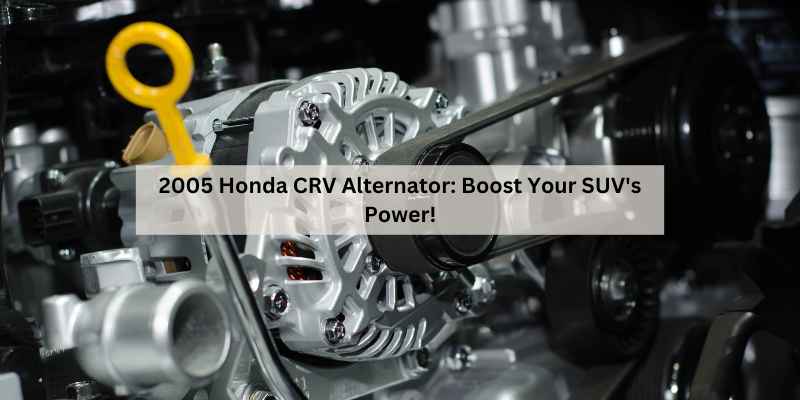
One quirk: the 2026 CR-V’s alternator has an internal voltage regulator. That means you can’t just replace the regulator separately when it fails. The whole unit has to come out. This is why a rebuilt alternator makes sense for some people — the internal regulator is the most common failure point, and a rebuild addresses that.
Alternator Cost Breakdown: Parts vs. Labor
OEM vs. Aftermarket vs. Rebuilt Units
OEM Denso units are the gold standard. They last 100,000+ miles and are exactly what came from the factory. The downside is price — you’ll pay $250-$350 just for the part.
Aftermarket new units, like the Youxmoto alternator, use new copper windings and aluminum housings. They typically cost $80-$150. Quality varies by brand, so stick with names that offer at least a 1-year warranty. The Youxmoto unit includes a 30-day refund and 1-year free replacement, which covers most premature failure scenarios.
Rebuilt units from AutoZone or O’Reilly cost $100-$180. These are old cores that have been cleaned, fitted with new bearings and brushes, and tested. They work fine, but their lifespan is shorter — often 50,000-70,000 miles. For a 2026 CR-V that might only have another 5-7 years of life left, a rebuilt unit is a reasonable economic choice.
The Core Charge Trap (and How to Avoid It)
Here’s a hidden cost that surprises people: the core charge. Parts stores charge you an extra $30-$60 on top of the rebuilt alternator price. You get that money back when you return your old alternator within 30-45 days.
The trap? If you have a shop install the new alternator and they throw away your old one, you lose that deposit. Ask your mechanic to keep the old alternator and put it in your trunk. Then return it yourself to the parts store for your refund.
If you buy online, the same rule applies. Most online sellers include a prepaid return label for the core. Just don’t forget to send it back — that’s free money you’d otherwise lose.
Symptoms Specific to the 2026 CR-V
The 2026 CR-V has a few telltale signs that the alternator is going bad, and they’re not all obvious.
- Battery light flickers at idle but goes away when you rev the engine. This points to a failing voltage regulator, not the battery.
- Headlights dim when you use power windows or the blower motor. The alternator can’t keep up with the load.
- A whining or grinding noise from the front of the engine. This is a failing bearing, which is a mechanical failure, not electrical.
- The car dies at stoplights after running fine on the highway. The battery isn’t getting recharged, so the engine stalls when the electrical load spikes.
The “Battery Light” vs. “Check Engine” Light Confusion
On the 2026 CR-V, the battery light (a red rectangle with a + and – symbol) means the charging system isn’t working. It does NOT mean the battery is dead. The check engine light, on the other hand, won’t come on for an alternator issue unless the voltage drops low enough to trigger a misfire code.
Here’s the practical difference: if the battery light comes on but the check engine light stays off, you’re dealing with the alternator or the charging circuit. If both lights come on, the battery may be completely drained, which can cause all sorts of false codes.
One important note: a failing alternator can kill a good battery. The battery runs the car when the alternator stops charging, and it drains fast. If you replace the alternator but skip the battery, you might find yourself with a dead battery a week later. Have the battery load-tested at any auto parts store for free before you buy anything.
Also, don’t let a shop convince you to replace the battery first. A quick voltage test at the battery terminals — 14.2-14.7 volts with the engine running — tells you if the alternator is charging. If it reads 12.5 volts or less with the engine on, the alternator is the problem, not the battery.
DIY vs. Mechanic: Is It Worth Your Time?
Replacing the alternator on a 2026 CR-V is a solid intermediate DIY job. You’ll need a 12mm socket, a 14mm socket, a breaker bar, and about 90 minutes of your time. The alternator sits on the driver’s side of the engine, held by two bolts and a bracket. You’ll need to loosen the serpentine belt tensioner to slip the belt off the pulley.
The hardest part is wrestling the alternator out from between the engine block and the frame rail. It’s tight, but it’s doable without lifting the car. If you’ve changed a battery or done a brake job, you can handle this.
What you save: $100-$200 in labor. What you risk: snapping a bolt or damaging the connector clip. The connector on the 2026 model has a small tab that breaks easily if you pry the wrong way. Take your time and use a flathead screwdriver to depress the tab from underneath.
If you don’t have basic hand tools or you’re short on time, paying a mechanic is worth it. Just know that the job is straightforward, so there’s no reason to pay dealership prices.
How to Get the Best Quote Without Getting Ripped Off
Getting a fair price on this repair comes down to three things: knowing the part number, comparing quotes, and controlling the core charge.
- Call three shops and ask for a quote on “alternator replacement for a 2026 CR-V 2.4L.” Give them the Denso part number 31100-PND-004 so they can’t substitute a cheaper, wrong unit.
- Ask if the quote includes the new alternator or if it’s labor only. Some shops quote labor and then add a “parts markup” of 20-40% on top of the retail price.
- Ask about the core charge. If they say “we’ll handle it,” confirm they’ll return your old alternator for the refund. If they won’t, buy the part yourself and take it to them.
- Consider an independent shop over a dealership. The same Denso alternator costs $100 more at the dealer counter.
One more thing: don’t mention your car is “urgent.” Shops smell desperation and will quote higher. If you can wait a day or two, you’ll get a better price.
For reference, a diagnostic test on a Honda CR-V typically runs $80-$120, but most shops will waive that if you have them do the repair. If you’re already confident it’s the alternator, skip the diagnostic fee and ask for a direct replacement quote.
Frequently Asked Questions for the 2026 Model
How long does an alternator last on a 2026 CR-V?
Most factory alternators last 80,000-120,000 miles. The 2026 model’s Denso unit is known to be reliable, but the internal voltage regulator tends to fail around the 100,000-mile mark. If your CR-V has over 100,000 miles and you’re replacing the alternator, you’re right on schedule.
Can I drive with a bad alternator?
You can drive for a short distance — maybe 20-30 minutes — on battery power alone. But the battery will drain completely, and you’ll be stranded. If the alternator bearing is making noise, you risk the pulley seizing and snapping the serpentine belt, which will overheat the engine. If it’s just the voltage regulator, you can limp to a shop. If it’s a bearing noise, tow it.
Is a rebuilt alternator as good as new?
For the 2026 CR-V, a quality rebuild from a major chain is fine. They replace the brushes, bearings, and voltage regulator. The catch is the stator and rotor are reused, so you’re relying on the previous owner’s maintenance. A new aftermarket unit has all new internals and typically comes with a longer warranty. For a $50 difference, I’d lean new.
Will a bad alternator drain a new battery?
Yes. A failing alternator won’t charge the battery, so the battery provides all the power until it’s dead. If you install a new battery with a bad alternator, the new battery will be drained in a day of driving. Always fix the alternator first, then test the battery.
What’s the serpentine belt got to do with it?
The serpentine belt drives the alternator. If the belt is worn or loose, the alternator won’t spin at full speed, which causes low output. When you replace the alternator, inspect the belt for cracks and replace it if it’s been more than 60,000 miles. The belt is about $25 and adds 10 minutes to the job.
What I’d Do If It Were My Car
If this was my 2026 CR-V, here’s how I’d approach it:
- Test the battery first at any auto parts store — it’s free and takes 5 minutes.
- Verify the alternator output with a multimeter. Anything under 13.5 volts at idle means the alternator is done.
- Buy a new aftermarket alternator online, like the Youxmoto unit, and have it shipped to your door.
- Install it yourself if you have basic tools. If not, take the part to an independent shop and ask for labor-only pricing.
- Keep the old alternator and return it for the core charge refund.
- Replace the serpentine belt while you’re in there — it’s cheap insurance.
- Check your oil type and level while you’re under the hood, since low oil can stress the engine and indirectly affect charging system loads.
The total bill for a smart shopper: around $150-$250 for parts and labor combined. That’s half of what a dealership will charge, and you’ll have a reliable charging system for another 100,000 miles.
Don’t let the alternator failure spiral into a battery replacement, a tow bill, or a dealership markup. Armed with the part numbers and the core charge knowledge, you’re in control of the repair.
Products related to this article
Sponsored / affiliate links. As an Amazon Associate I earn from qualifying purchases. I may earn additional commission from eligible campaigns.