2026 Honda CR-V Tire Size: Complete Owner’s Fitment Guide
You just bought a 2026 Honda CR-V, or maybe you’ve owned yours for years. The tires are getting thin, and now you’re staring at the sidewall trying to decode what those numbers mean. Or worse, you’re about to order new wheels online and you have no idea if the bolt pattern matches. This is the moment where a simple mistake costs you hundreds of dollars.
This guide covers everything about your CR-V’s fitment. You’ll learn the exact OEM tire sizes for the LX, EX, and EX-L trims, the wheel specs that matter, the correct tire pressure for different loads, and what happens if you try to run a different size. I’ll also cover the spare tire and whether you should downsize for winter. No fluff, just the numbers you need.
Before we dive into specs, one practical note. If you’re tired of dealing with a missing or worn-out spare, a compact kit designed for the CR-V can save you. The Gleyi Spare Tire Kit includes a 155/90R18 spare, a scissor jack, and all the wrenches you need, packed into a carrying case that fits in your trunk. It’s a solid backup for an aging vehicle that might have lost its original equipment over the years.
2026 Honda CR-V Tire Sizes by Trim Level
Honda offered three main trims for the 2026 CR-V, and they rolled on two different wheel sizes. Getting this wrong means your speedometer is off, or worse, the tires rub on the fender liner.
LX and EX (17-inch) vs. EX-L (18-inch) specifics
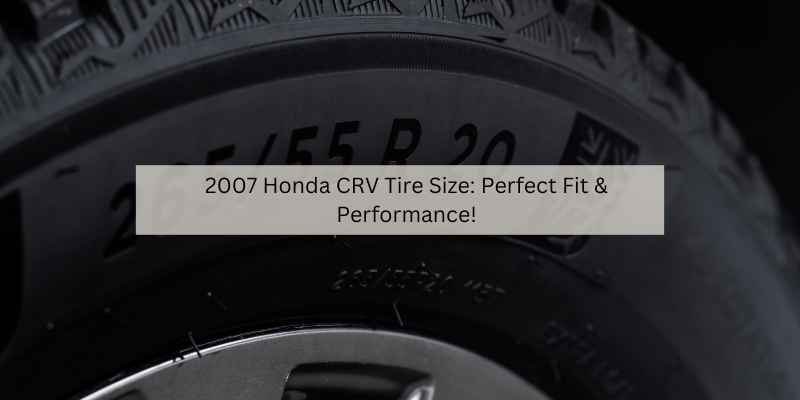
The base LX and mid-level EX came standard with 17-inch alloy wheels. The tire size for these trims is 225/65R17. This is a common size, which means replacement tires are affordable and easy to find at any shop.
The top-tier EX-L stepped up to 18-inch alloys. Those use 225/60R18 tires. The overall diameter of both setups is nearly identical—within a few millimeters—so Honda kept the speedometer calibration the same across trims.
Here’s the thing about the wheels themselves. The LX often shipped with steel wheels on the base model, while the EX and EX-L got alloys. Steel wheels are heavier. You’ll feel it in slightly worse acceleration and fuel economy, but they’re cheaper to replace if you bend one on a pothole. Alloys are lighter and look better, but they’re more prone to cracking under hard impacts.
If you own the 2.4L four-cylinder engine (which all 2026 CR-Vs have), the load index and speed rating matter. The stock tires carry a load index of 100 (about 1,764 pounds per tire) and a speed rating of T (118 mph). You can go higher, but don’t go lower on the load index—this is a heavy crossover.
2026 Honda CR-V Wheel Specs and Bolt Pattern
Knowing the tire size is only half the battle. If you’re buying aftermarket wheels, you need the exact mounting specs. Here they are.
Offset, hub bore, and lug nut torque specs
The bolt pattern is 5×114.3mm (sometimes written as 5×4.5 inches). This is one of the most common Japanese bolt patterns, shared with many Accords, Pilots, and even some Acuras. The factory offset is +45mm. You can run anywhere from +40 to +50 without issues, but straying outside that range risks rubbing on the strut or the fender.
The hub bore is 64.1mm. This is the center hole that sits over the hub. If you buy aftermarket wheels with a larger bore, you’ll need hub-centric rings to avoid vibrations. If the bore is smaller, the wheel simply won’t fit. Don’t rely on lug nuts to center the wheel—that’s how you get a shimmy at highway speeds.
Lug nuts are 12mm x 1.5 thread pitch. Torque them to 80 ft-lbs in a star pattern. Most shops do this, but if you’re rotating tires yourself, use a torque wrench. Over-torquing warps the rotors; under-torquing lets the wheel wobble.
Recommended Tire Pressure for 2026 CR-V
The pressure you run depends on how you load the vehicle. Honda put a sticker on the driver’s door jamb, but here’s the breakdown if that sticker is gone.
Normal vs. fully loaded vehicle pressures
For normal driving with one or two passengers and no heavy cargo, run 30 PSI front and 30 PSI rear. This is the baseline for comfort and even tire wear.
When you load the CR-V up—say, a full car of passengers and luggage for a road trip—you need more pressure in the rear to support the weight. Bump the rear to 36 PSI and leave the front at 30. This prevents the rear tires from overheating and reduces the risk of a blowout on long highway stretches.
One thing I see owners mess up: checking pressure on cold tires vs. hot tires. Always check when the tires are cold, meaning the car hasn’t been driven for at least three hours. Hot pressure reads higher by 3-4 PSI, and that’s normal. Don’t let air out of a hot tire to hit the spec.
Spare Tire Size and Pressure
The 2026 CR-V came with a temporary compact spare, not a full-size spare. The size is T155/90D16. This is a narrow, high-profile tire designed to get you to a shop, not to be driven on for weeks.
The compact spare needs 60 PSI of air. Yes, 60 PSI. It sounds high, but the tire is small and stiff, and it needs that pressure to carry the weight of the vehicle. Check it every few months—these spares lose air slowly, and you don’t want to find it flat when you need it.
Don’t drive over 50 mph on the spare, and don’t put it on the front axle if you can avoid it. On a front-wheel-drive CR-V (the base model), the spare on the front axle will affect steering and braking. If you get a front flat, swap a rear tire to the front and put the spare on the rear.
How Changing Tire Size Affects Speedometer and Ride
People often ask if they can run a slightly different size, like 235/60R18 or 225/60R17. You can, but there are consequences.
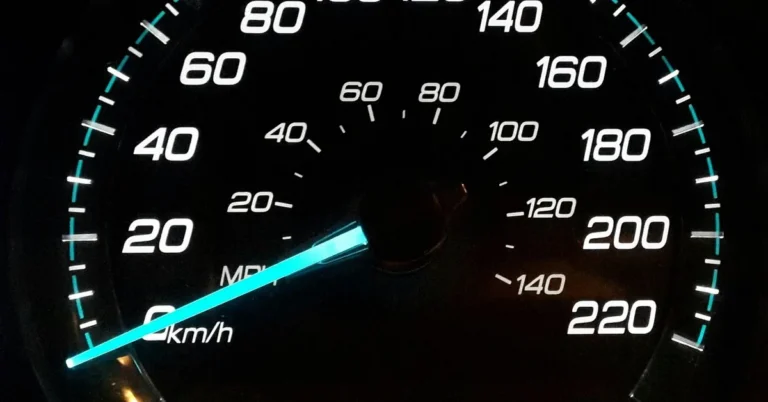
Your speedometer reads wheel speed based on the factory tire diameter. If you go larger (e.g., 235/65R17), your actual speed is higher than what the gauge shows. At an indicated 60 mph, you might actually be going 62 mph. That’s enough to get you a ticket in a strict zone, and it throws off your odometer, which means your fuel economy calculations are wrong.
Going smaller (e.g., 225/60R17) makes the speedometer read high—you’re going slower than the gauge says. That’s safer for tickets but annoying because you’ll think you’re doing 65 when you’re really doing 62.
There’s also the ride quality trade-off. A taller sidewall (like the 65-series) absorbs bumps better. A shorter sidewall (60-series) gives sharper handling but transmits more road harshness into the cabin. The 2026 CR-V already has a firm ride, so I wouldn’t go any shorter than the factory spec unless you’re chasing looks over comfort.
If you’re considering a different size, use an online tire size calculator to compare the diameter. Keep the difference under 3% and you’ll avoid major speedometer errors and clearance issues.
Winter Tire Downsizing Guide for the 2026 CR-V
If you live where snow is a regular thing, you might want a dedicated winter tire setup. The common advice is to downsize to a 16-inch wheel for winter. Why? Narrower tires cut through snow better and find grip on packed ice. A 225/65R17 is already decent, but a 215/70R16 on a steel wheel is a popular winter setup.
However, the 2026 CR-V’s brakes are sized for 17-inch wheels. A 16-inch wheel will clear the calipers, but only just. You need to verify the wheel’s inner diameter clears the brake caliper. Most 16-inch steel wheels designed for this generation CR-V work fine, but don’t assume—test fit before you buy.
If you stay with 17-inch wheels, look for a winter tire in the stock 225/65R17 size. Brands like Michelin X-Ice and Bridgestone Blizzak are the gold standard. They use a softer rubber compound that stays pliable in freezing temperatures, which all-season tires simply don’t offer.
One warning: don’t mix winter tires on one axle and all-seasons on the other. The difference in grip causes the CR-V’s stability control to work overtime, and it can feel unpredictable in a slide. Buy a full set of four, or don’t bother.
2026 Honda CR-V Fitment FAQ
Will 18-inch wheels fit on an LX?
Yes, they will. The LX, EX, and EX-L all share the same suspension and brake components. The bolt pattern (5×114.3mm), offset (+45mm), and hub bore (64.1mm) are identical across trims. You can bolt on a set of 18-inch EX-L wheels without any modifications. The 225/60R18 tire is the correct size for those wheels. Just be aware that the ride will feel slightly firmer than the 17-inch setup because there’s less sidewall to absorb bumps.
What offset avoids rubbing?
Stick to the factory offset of +45mm. If you go to +40mm, the wheel sits 5mm farther out, which usually clears the fender but can rub on the plastic fender liner at full lock. If you go to +50mm, the wheel tucks in closer to the strut, and you risk rubbing the strut housing. For a 7-inch wide wheel, offsets between +40 and +50 are safe. If you go wider than 7.5 inches, you’re asking for trouble—the tire will likely rub on the fender edge over dips.
Can I use a 2026-2026 CR-V wheel on my 2026?
Yes, with a caveat. The bolt pattern is the same, but the 2026-2026 wheels have a slightly different offset and sometimes a different hub bore. Some aftermarket 2026 wheels use a 64.1mm bore, which matches. But the factory 2026 wheels are 18×6.5 with a +40mm offset. That’s within the safe range, but you’ll have the wheels poking out 5mm more than stock. It works, but check the tire size—you need 225/60R18, not the 225/65R17 from your old wheels.
Does tire size affect the TPMS system?
The 2026 CR-V uses a direct TPMS system with sensors in each wheel. If you change tire size, the sensors still read pressure, but they don’t know about diameter changes. The system won’t throw a code for a different size, but it will throw a code if a sensor dies or if you swap wheels without moving the sensors. If you buy aftermarket wheels, you’ll need to transfer the sensors or buy new ones and have them programmed.
How often should I rotate tires on a 2026 CR-V?
Every 5,000 to 7,500 miles. This is a front-wheel-drive or all-wheel-drive vehicle, and the front tires wear faster because they handle the steering and most of the braking. If you skip rotations, you’ll get uneven wear and the tires will need replacement sooner. Check your owner’s manual for the specific interval, but 6,000 miles is a safe middle ground. And if you have an AWD model, keep the tire tread depths within 2/32 of an inch across all four, or the center differential can bind.
What to Remember When Buying Tires or Wheels
- Stock tire sizes are 225/65R17 for LX and EX, 225/60R18 for EX-L. Don’t deviate more than 3% in diameter.
- Bolt pattern is 5×114.3mm, offset is +45mm, hub bore is 64.1mm. Use hub-centric rings for aftermarket wheels.
- Torque lug nuts to 80 ft-lbs. Always use a torque wrench—don’t guess.
- Run 30 PSI front and rear for normal loads. Bump the rear to 36 PSI when fully loaded.
- The spare is T155/90D16 and needs 60 PSI. Check it twice a year.
- Winter tires: consider 16-inch steel wheels with a 215/70R16 tire, but verify brake caliper clearance first.
- Changing tire size changes your speedometer. Confirm the diameter difference before you buy.
Products related to this article
Sponsored / affiliate links. As an Amazon Associate I earn from qualifying purchases. I may earn additional commission from eligible campaigns.