Can a Honda CR-V Safely Run on E85? Why the Answer Is No
No, you should not put E85 in a Honda CR-V. No CR-V generation was ever built as a factory flex-fuel vehicle for the US market, so its fuel system and engine computer are not calibrated for E85’s much higher ethanol content. — see our related guide, Can a Honda Accord Take E85? Why the Answer Is No.
The Honda CRV is a popular compact SUV known for its reliability, fuel efficiency, and versatility. It offers a spacious interior, comfortable ride, and advanced safety features. Now, if you’re wondering whether the Honda CRV can use E85 fuel, the answer is yes.
E85 is a blend of 85% ethanol and 15% gasoline, and certain Honda CRV models are Flex Fuel vehicles that can run on this alternative fuel. This means that you have the option to use E85, which can potentially be more environmentally friendly and economical compared to traditional gasoline. We’ll dive deeper into the use of E85 with the Honda CRV, discussing its benefits, considerations, and compatibility. So, let’s explore whether your Honda CRV can handle E85 fuel and what you need to know if you choose this option.

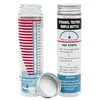
REV X E85 Super Tester Ethanol Testing Kit – $12.95

Understanding The Honda Crv
The Honda CRV is not designed to use E85 fuel. It is recommended to use regular gasoline for optimal performance and fuel economy. Using E85 could potentially cause damage to the engine and reduce its efficiency.
The Honda CRV is a popular compact SUV that has captured the hearts of millions with its stylish design and versatile features. If you’re considering buying a Honda CRV or already own one, you may be wondering about its compatibility with alternative fuels such as E85. In this section, we will dive deeper into the overview of the Honda CRV and its engine specifications, followed by the compatibility of this vehicle with alternative fuels. Lastly, we will explore the implications of running on E85 for the performance and efficiency of the Honda CRV.
Overview Of Honda Crv And Its Engine Specifications
The Honda CRV is equipped with a range of impressive engine options designed to deliver a smooth and efficient driving experience. Let’s delve into the engine specifications of this SUV:
- Engine options include:
- 1.5-liter turbocharged four-cylinder engine
- 2.0-liter Atkinson-cycle four-cylinder engine
- Power output varies from:
- 190 horsepower to 212 horsepower
- Depending on the trim level, some models may offer:
- All-wheel drive or front-wheel drive options
With its powerful engines and advanced technology, the Honda CRV provides a phenomenal driving experience combined with impressive fuel efficiency. Now, let’s move on to the compatibility of the Honda CRV with alternative fuels.
Compatibility Of Honda Crv With Alternative Fuels
When it comes to alternative fuels, the Honda CRV is a versatile vehicle, capable of running on different fuel types to suit diverse driving needs. Specifically, the Honda CRV is compatible with E85, a blend of 85% ethanol and 15% gasoline. This flexibility makes it an appealing choice for environmentally conscious drivers and those looking to reduce their carbon footprint.
The Honda CRV is designed to operate with a range of fuel types, including regular unleaded gasoline. However, it’s important to note that not all vehicles in the Honda CRV lineup may be E85 compatible. Therefore, it’s crucial to check the owner’s manual or consult your authorized Honda dealer to determine if your specific model supports the use of E85.
Implications Of Running On E85 For The Performance And Efficiency Of Honda Crv
Running your Honda CRV on E85 can have certain implications for performance and efficiency. E85 typically has a lower energy content compared to gasoline, resulting in slightly reduced fuel economy. However, the impact on performance may vary depending on factors such as the specific engine configuration and driving conditions.
Here are a few key considerations to keep in mind when using E85 in your Honda CRV:
- Reduced fuel economy: Due to the lower energy content, your Honda CRV’s fuel efficiency may be slightly lower when running on E85 compared to regular gasoline.
- Availability: E85 fuel stations may be less common than traditional gasoline stations, so it’s essential to consider the availability of E85 in your area.
- Price: While E85 may be cheaper than gasoline in some regions, it’s important to factor in the potential decrease in fuel efficiency when assessing the true cost-effectiveness.
- Performance variation: Your Honda CRV’s overall performance may be influenced by the use of E85, including potential changes in acceleration and power output.
Ultimately, it’s crucial to weigh the pros and cons of running your Honda CRV on E85 and consider your specific driving requirements before making a decision. Consulting your authorized Honda dealer or referring to the owner’s manual will provide you with valuable insights regarding the suitability of E85 for your specific Honda CRV model.
Exploring E85 And Its Impact On Honda Crv
The Honda CRV is a popular crossover SUV known for its reliability and fuel efficiency. One question that often arises among Honda CRV owners is whether this vehicle can use E85 fuel. In this article, we will delve into the world of E85 and its impact on the Honda CRV. We will explore the composition and properties of E85, how it affects engine performance and emissions, as well as a comparative analysis of fuel efficiency between E85 and gasoline. Additionally, we will discuss potential modifications required for running the Honda CRV on E85.
The Composition And Properties Of E85
E85 is a blend of 85% ethanol and 15% gasoline. Ethanol is primarily derived from corn, sugarcane, or other renewable resources. This composition of E85 gives it certain unique properties that differentiate it from conventional gasoline:
- E85 has a higher octane rating than regular gasoline, which means it has a greater resistance to engine knocking. This higher octane rating allows for higher compression ratios and better overall engine performance.
- Compared to gasoline, E85 has a higher heat of vaporization, which results in a cooling effect on the intake air during the combustion process. This can improve engine efficiency and reduce the likelihood of engine knock.
- However, it should be noted that E85 has a lower energy content compared to gasoline. This means that a greater volume of E85 is required to produce the same amount of power as gasoline.
How E85 Affects Engine Performance And Emissions
When it comes to engine performance, using E85 can offer both advantages and disadvantages for the Honda CRV:
- Advantages:
- The higher octane rating of E85 allows for increased engine performance, particularly in turbocharged or high-compression engines. This can result in improved acceleration and higher horsepower figures.
- E85 has a higher oxygen content compared to gasoline, which promotes more complete combustion. This can result in cleaner emissions and potentially lower levels of harmful pollutants.
- Disadvantages:
- Due to its lower energy content, the fuel efficiency of the Honda CRV may be reduced when running on E85. This means that owners may need to refuel more frequently compared to using gasoline.
- Additionally, the Honda CRV may experience a decrease in towing capacity when using E85, as the lower energy content affects the overall power output.
Comparative Analysis Of Fuel Efficiency Between E85 And Gasoline
In terms of fuel efficiency, E85 lags behind gasoline due to its lower energy content. On average, E85 provides about 25-30% less mileage compared to gasoline. This means that for the same distance traveled, a larger volume of E85 is consumed. It is important for Honda CRV owners considering the use of E85 to factor in the potential increase in fuel costs due to decreased mileage.
The Potential Modifications Required For Running Honda Crv On E85
While Honda CRVs are not specifically designed to run on E85, it is possible to convert them for E85 usage. However, certain modifications may be necessary to ensure optimal performance and reliability:
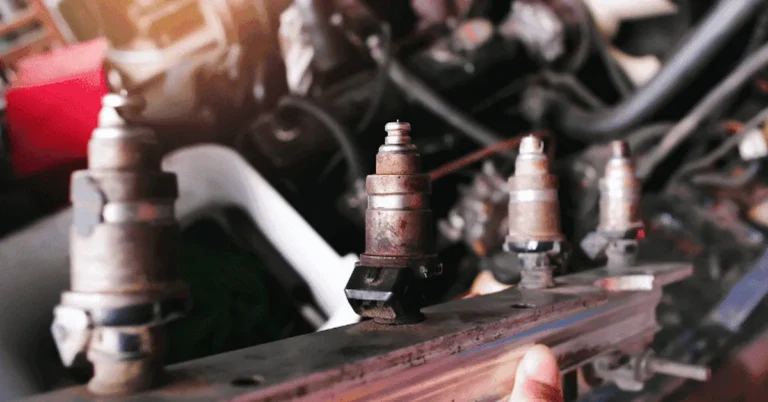
- Fuel system modifications: Upgrading the fuel injectors and fuel pump to accommodate the higher ethanol content of E85.
- Engine tuning: Adjusting the engine management system to optimize fueling and ignition parameters for E85.
By making these modifications, Honda CRV owners can safely and effectively use E85 in their vehicles, taking full advantage of its potential performance and environmental benefits.
What Actually Happens If You Put E85 in a Non-Flex-Fuel CR-V
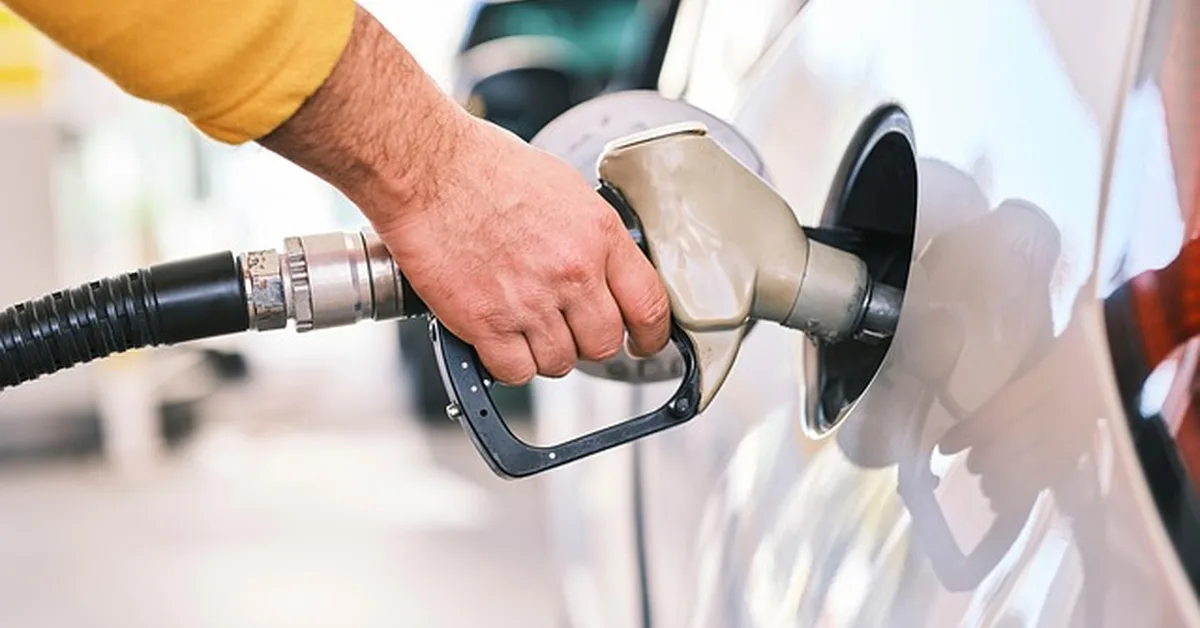
A standard CR-V’s engine computer is calibrated for gasoline’s air-fuel ratio, not E85’s. Running E85 can cause a lean-running condition, rough idling, stalling, and reduced power in the short term, and over repeated use it can corrode fuel system components not designed for high ethanol content and damage fuel injectors. Aftermarket flex-fuel conversion kits do exist for some CR-V generations, but installing one is a real modification — it doesn’t make your factory CR-V flex-fuel-capable on its own, and it can affect your warranty. If you’re unsure what fuel your specific CR-V takes, the fuel door and owner’s manual will confirm it — factory CR-Vs are gasoline-only.
Conclusion
To recap, while the Honda CRV is not designed to run on E85, it is possible to use this alternative fuel with some modifications. However, before making the switch, it is essential to consider the potential consequences for the vehicle’s performance and warranty.
Consult with a knowledgeable mechanic or Honda representative to ensure proper compatibility and avoid any detrimental effects on your CRV.
Products related to this article
Sponsored / affiliate links. As an Amazon Associate I earn from qualifying purchases. I may earn additional commission from eligible campaigns.