Are Automobile Services Key to Vehicle Longevity? Yes
Yes, routine service extends vehicle life most when you stay on oil and filter changes, cooling-system care, transmission fluid, brakes, tires, and batteries. Skip cosmetic or extra-frequent work that does little to cut wear. Miss the right items, and small faults grow into expensive engine, transmission, and suspension damage. This guide ranks the maintenance that most affects longevity, explains when intervals matter, and shows where service becomes overservice.
Are automobile services really key to vehicle longevity?


Yes, but only the service items that stop wear, overheating, contamination, and brake or tire damage move the needle. Automobile service includes maintenance and repair tasks like oil changes, tire rotations, and engine tune-ups, and regular car service can improve performance, increase safety, save money, and maintain value.
Longevity here is plain and measurable: fewer major failures, slower wear, and fewer repairs that spread from one system to another. A car that stays clean inside, cool under load, and properly lubricated lasts longer than one that misses fluid service and drives with worn brakes or uneven tires.
What longevity really means in a car
A car does not age evenly. Engine wear, overheating, contaminated fluids, and neglected brakes usually do more long-term harm than minor comfort issues. That is why the best service plan starts with parts that control heat, friction, and stopping distance.
Think in layers. First is survival: oil, coolant, brake fluid, transmission fluid, and brakes. Next is wear control: filters, tire rotations, and inspection of belts and plugs. Only after that should you spend on extra services that do not change lifespan much.
What maintenance matters most for a car lasting longer?

In many maintenance schedules, oil changes are treated as one of the most important items for helping vehicle longevity, with fluid checks, brake inspections, tire rotations, filter replacements, and broader engine servicing also mattering. Oil changes protect the engine from wear; fluid checks prevent overheating and component damage; brake and tire care stop small faults from becoming larger repair bills.
That order matters because not every service affects lifespan the same way. A cabin filter helps comfort. A failing coolant level can shorten engine life fast. A worn air filter can hurt efficiency and contamination control. The service that prevents the most expensive damage belongs near the top.
Longevity priority ranking
| Service item | Longevity impact | Urgency | Common symptom trigger |
|---|---|---|---|
| Oil changes | Very high | High | Dirty oil, warning light, noisy valvetrain, overdue interval |
| Fluid checks | Very high | High | Low coolant, dark transmission fluid, soft brake pedal, overheating |
| Brake inspections | High | High | Squeal, grinding, longer stops, vibration, warning light |
| Tire rotations | Medium to high | Medium | Uneven tread wear, pull, vibration, frequent alignment issues |
| Filter replacements | Medium | Medium | Weak acceleration, poor airflow, contamination, reduced fuel economy |
| General engine servicing | High when wear shows up | Medium to high | Misfire, rough idle, belt wear, spark plug wear, leak findings |
Why engine servicing matters most when trouble starts
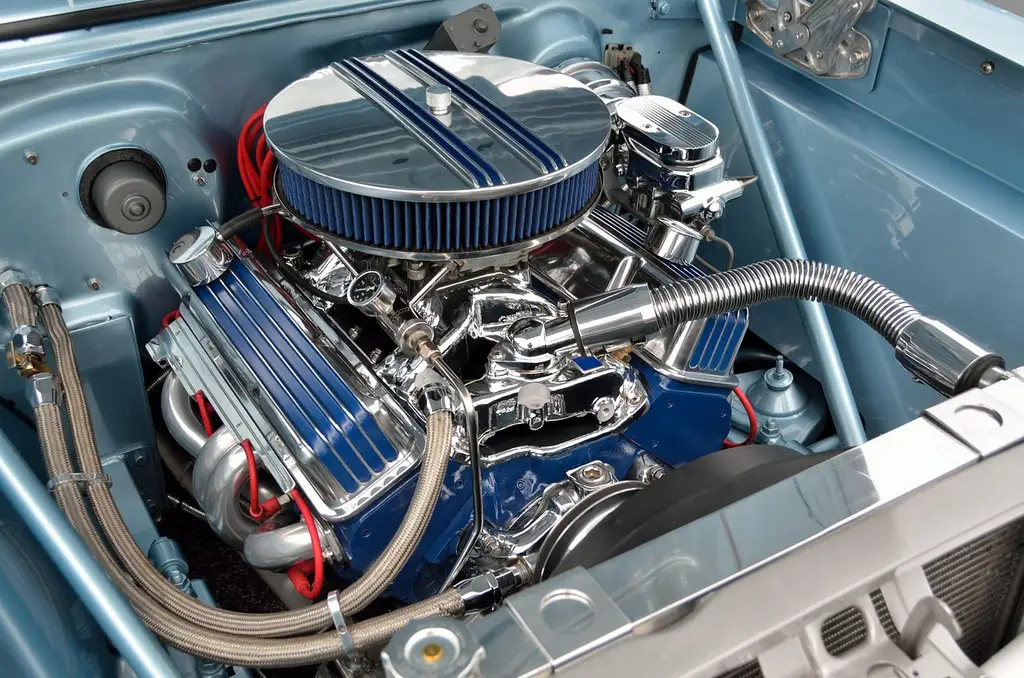
Engine servicing becomes most useful when wear, contamination, or overheating begins to build. That can include checking oil, filters, spark plugs, and belts before one weak part spreads damage to others. Ignored engine service can turn into misfires, poor fuel economy, or internal wear that shortens engine life.
Suppose a compact sedan runs low on oil for too long. The engine may start with extra noise, then move toward accelerated wear and lower efficiency. A missed oil change is cheaper than an engine repair, but only if you change the oil before damage compounds.
Safety-critical items versus efficiency items
Brake inspections and tire rotations affect longevity, but for different reasons. Brakes protect the safety system and prevent rotor damage. Tire rotations slow uneven wear and keep the vehicle stable. Filter replacements matter too, but they are usually one step below oil, coolant, and brake service in lifespan impact.
That does not make filters optional. A clogged air filter or fuel-system contamination can reduce efficiency and strain components, especially in high-mileage vehicles. It just means these items usually follow, rather than lead, the list.

How often should you service your car for longevity?
Start with the owner’s manual and manufacturer’s recommendations. That is the baseline for timing. Then adjust for driving conditions, age, and mileage. Stop-and-go city driving, short trips, towing, and dusty use usually need service sooner than gentle highway use.
Intervals are not one-size-fits-all. A highway commuter may stretch some routine items farther than a delivery vehicle in heavy traffic. A high-mileage car may also need closer monitoring for leaks, belts, fluid condition, and engine wear, even if the schedule looks ordinary on paper.
How driving conditions change the interval
- Stop-and-go city driving: service sooner for oil, brakes, and transmission-fluid checks because heat and braking cycles build faster.
- Highway driving: some wear items last longer, but fluids still need inspection on schedule.
- Short trips: allow less time for oil and moisture to burn off, so intervals may need tightening.
- Towing or heavy loads: watch coolant, transmission fluid, and brakes more closely.
- High-mileage use: inspect belts, plugs, leaks, and fluid condition more often.
Where over-service starts
Some maintenance becomes premature if done too early or too often. A filter replaced far ahead of schedule, or a fluid swap done without condition or mileage need, may spend money without adding much life. The goal is preventive service, not automatic replacement of every part on every visit.
Manufacturer’s recommendations are the starting point, not a blank check. If the manual calls for a check rather than replacement, ask for inspection first. That keeps you from paying for parts that still have useful life.
What changes for gas, hybrid, and EV maintenance?
Gas vehicles need the broadest engine-focused service. Hybrids still need engine oil, filters, and fluid care, but they also need brake awareness because regenerative braking changes pad wear patterns. EVs have fewer engine-service items, yet tires, brakes, cabin filters, coolant systems, and software checks still matter.
Do not apply gasoline-car service habits to every powertrain. The right maintenance list depends on what actually creates wear in that vehicle. A battery-electric model may not need oil changes, but it can still suffer from neglected tires, old brake fluid, or cooling-system issues.
Gas vehicles
Gasoline cars and trucks rely heavily on oil changes, filter replacements, spark plugs, belts, and fluid service. Those items protect the engine and transmission, which are often the most expensive parts to repair. If the car has a turbocharger or direct injection, clean oil and proper intervals matter even more.
Hybrids
Hybrids add electric assist, but they still contain a combustion engine, a cooling system, and braking parts. Brake inspections may show slower pad wear, yet brake fluid still ages. High-mileage hybrid engines can also benefit from close attention to oil level and engine-service intervals.
EVs
EVs remove oil changes and spark plugs from the list, but they do not remove maintenance. Tire rotations still matter because EV weight and torque can increase tire wear. Brake service still matters, though pad wear can be lower. Cabin filters, coolant circuits, and software checks remain part of long-life care.
Service now or service soon: a simple decision matrix
Use symptoms to separate immediate diagnosis from routine scheduling. Dashboard warning lights, overheating, rough idle, fluid loss, or brake changes move the car into service now. A planned oil change, tire rotation, or filter replacement with no symptoms usually belongs in service soon, unless the car is overdue.
For gas cars, oil and transmission concerns can become urgent quickly. For hybrids, engine symptoms plus hybrid-system warnings deserve prompt diagnosis. For EVs, warning lights tied to charging, cooling, or braking should not wait, even if the vehicle has no oil-related maintenance at all.
| Vehicle type | Service now | Service soon |
|---|---|---|
| Gas | Dashboard warning light, overheating, rough idle, oil loss, brake grinding | Oil change due soon, tire rotation due, filter replacement on schedule |
| Hybrid | Brake warning, engine warning light, coolant loss, unusual shutdown behavior | Oil and filter service due, brake inspection, battery-system check on schedule |
| High-mileage vehicle | Any fluid leak, overheating, belt noise, transmission shudder, hard braking changes | Closer inspection of plugs, belts, hoses, coolant, and brake fluid |
What does missed maintenance cost over time?

Neglected service usually costs more as mileage rises. A lower-mileage car may need basic oil, brake, and tire care, while a higher-mileage vehicle often adds leak repairs, belt work, cooling-system service, and possible transmission attention. Waiting shifts the bill from prevention to repair.
Regular car service can improve fuel economy, save money, and maintain value. When maintenance is skipped, fuel economy tends to fall and larger repair bills arrive later. That is because friction, contamination, and heat do not stay contained; they spread to nearby parts.
Age and mileage comparison
| Vehicle segment | Typical risk if maintenance slips | Likely cost pattern |
|---|---|---|
| Under 60,000 miles | Overdue oil, tire wear, filter restriction | Usually lower repair bills, but neglect can start hidden wear |
| 60,000 to 120,000 miles | Belts, plugs, coolant, brake fluid, brake wear | Moderate service costs often beat larger repair bills |
| Over 120,000 miles | Leaks, cooling issues, transmission wear, rotor damage | Higher likelihood of stacked repairs if service is delayed |
Failure-case examples
Picture a midsize SUV with old coolant and a weak radiator cap. A long hill climb can push temperatures up, and repeated overheating may damage hoses, seals, and even the head gasket if the driver keeps going. That starts as a fluid problem and ends as a major engine repair.
A common first-timer mistake is skipping brake inspection because the pads still “feel fine.” The rotors can wear unevenly or overheat, then the repair becomes more than pads alone. The same pattern shows up with oil, where delay turns wear into internal engine damage.
Longevity-priority checklist: what to inspect before booking service
A comprehensive vehicle service inspection usually looks at oil, filters, spark plugs, belts, brakes, coolant, transmission fluid, and brake fluid. Professional vehicle service inspection includes a road test. That matters because some issues show up only under load, at speed, or during braking.
Use this checklist before you book an automobile repair shop. It helps you ask for the right inspection first and prevents over-service when a check will do.
| Inspection item | Why it matters for longevity | What to ask the shop to check |
|---|---|---|
| Oil | Reduces engine wear | Level, condition, leaks, change interval |
| Filters | Limits contamination and supports efficiency | Engine air filter, fuel filter where equipped, cabin filter |
| Spark plugs | Supports smooth combustion and avoids misfire | Wear, deposits, replacement interval |
| Belts | Prevents accessory and charging failures | Cracks, fraying, tension |
| Brakes | Protects safety and avoids rotor damage | Pad thickness, rotor condition, fluid condition |
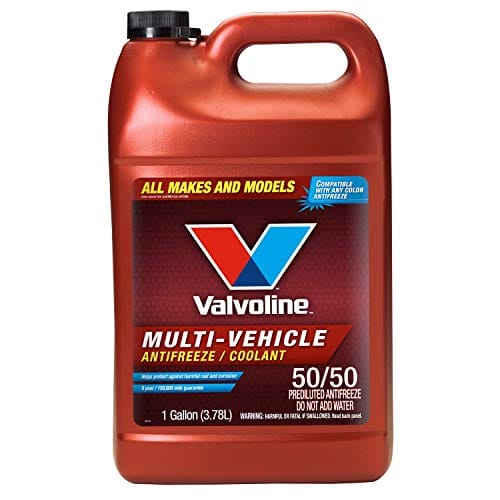
| Coolant | Prevents overheating and component damage | Level, leaks, hose condition, service age |
| Transmission fluid | Helps preserve shift quality and internal parts | Color, smell, level, service need |
| Brake fluid | Supports braking function and pedal feel | Moisture age, level, contamination, leaks |
Frequently asked questions
Are automobile services really key to vehicle longevity?
Yes. The best services are the ones that stop wear, heat, contamination, and brake or tire damage before they spread. Oil changes, fluid checks, brake inspections, tire rotations, and filter replacements all help, but they matter most when done on time and for the right vehicle type.
What maintenance matters most for a car lasting longer?
Oil changes lead the list, followed by fluid checks, brake inspections, tire rotations, filter replacements, and engine servicing when wear shows up. Those items protect the engine, transmission, braking system, and cooling system, which are the parts most likely to end a car’s useful life early.
How often should I service my car for longevity?
Start with the owner’s manual and manufacturer’s recommendations, then adjust for city traffic, short trips, towing, age, and mileage. Stop-and-go driving usually needs closer attention than highway driving. High-mileage cars often need more frequent inspection of belts, plugs, leaks, and fluids.
Does regular car service save money long term?
Usually, yes. Regular service costs less than major repairs caused by wear that was allowed to spread. Fresh oil, healthy fluids, and working brakes can prevent engine damage, overheating, rotor damage, and lost fuel economy, all of which can turn a small bill into a large one.
Which warning signs mean my car needs service now?
Dashboard warning lights, overheating, rough idle, brake grinding, fluid loss, and new transmission shudder are all signs to move from routine timing to immediate diagnosis. These symptoms often mean the problem is already active, not merely approaching a service interval.
Can neglected maintenance reduce fuel efficiency?
Yes. Dirty oil, restricted filters, worn plugs, poor tire care, and some fluid problems can reduce fuel economy. A well-maintained vehicle gets better fuel economy because the engine does less extra work and the drivetrain faces less friction, drag, and contamination.
Products related to this article
Sponsored / affiliate links. As an Amazon Associate I earn from qualifying purchases. I may earn additional commission from eligible campaigns.