Are Car Washes Bad for Your Paint?
Hey there, fellow car enthusiast! If you’re like me, you love keeping your ride sparkling clean, but you’ve probably wondered at some point, “Are car washes bad for my car’s paint?” It’s a question I get asked a lot, and honestly, I’ve spent plenty of time researching and experimenting to figure out the truth. Your car’s paint is more than just a pretty color—it’s a protective layer that keeps your vehicle looking sharp and safe from the elements. So, let’s dive into this topic together and explore whether car washes are a friend or foe to your car’s finish. I’ll walk you through everything I’ve learned, from the types of car washes to the best ways to protect your paint. Buckle up, and let’s get started!
Understanding Your Car’s Paint
Before we talk about car washes, let’s get to know what we’re protecting. Your car’s paint isn’t just a single layer of color. It’s a complex system designed to make your vehicle look good and stay protected. Most modern cars have a multi-layer paint system: a primer, a base coat (the color you see), and a clear coat that acts like a shield. The clear coat is what takes the brunt of scratches, UV rays, and dirt.
I’ve seen firsthand how delicate this clear coat can be. A few years ago, I noticed tiny swirl marks on my car’s hood after a quick run through an automated car wash. It got me thinking about how the tools and techniques we use to clean our cars can make a big difference. The goal is to clean your car without damaging that protective clear coat, because once it’s compromised, your paint is more vulnerable to fading, chipping, or rust.
Types of Car Washes and Their Impact
Not all car washes are created equal, and I’ve tried just about every kind out there. Each one has its pros and cons when it comes to your car’s paint. Let’s break them down so you can decide what’s best for your vehicle.
Automated Car Washes
You know those drive-through car washes at gas stations or standalone shops? They’re super convenient, but they can be risky for your paint. Automated car washes use big spinning brushes or cloth strips to scrub your car. The problem? Those brushes can trap dirt, sand, or even tiny rocks from previous cars. When they rub against your paint, they can leave tiny scratches or swirl marks.
I made the mistake of using a cheap automated wash once, and my black sedan came out with faint scratches that were visible in the sunlight. It was heartbreaking! Some newer automated washes use softer materials or “touchless” systems that rely on high-pressure water and chemicals instead of brushes. These are better, but the harsh detergents can still strip wax or damage the clear coat over time.
Hand Car Washes
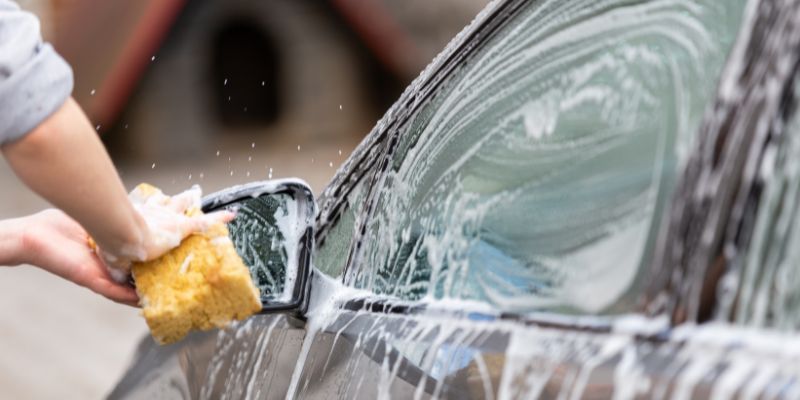
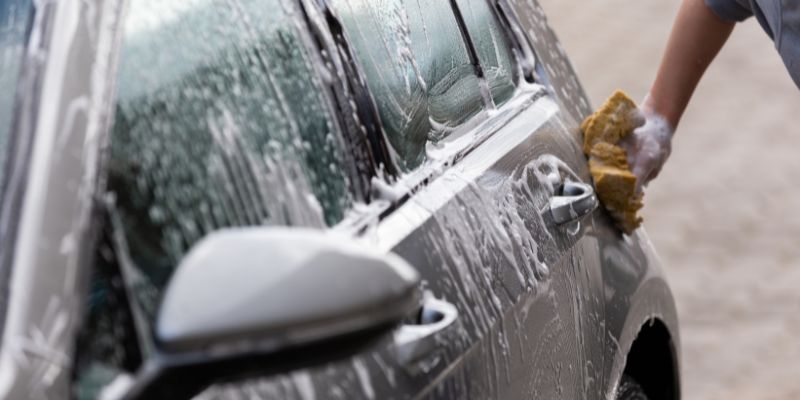
Hand car washes, where someone scrubs your car with a sponge or mitt, sound like a safer bet, right? Well, it depends. I’ve had great experiences at professional hand wash places, but I’ve also seen some that cut corners. If the staff uses dirty sponges or cheap soaps, you’re back to square one with scratches and swirl marks.
One time, I watched a worker at a local hand wash use the same bucket of water for multiple cars without changing it. That’s a recipe for disaster! Dirty water means dirt and grit get rubbed into your paint. If you go for a hand wash, make sure the place uses clean tools, fresh water, and high-quality products.
Self-Service Car Washes
Self-service car washes are my go-to when I want control over the process. You get a pressure washer, soap, and sometimes a foam brush to clean your car yourself. I love these because I can be gentle with my car’s paint and make sure everything is clean. But, you’ve got to be careful with the pressure washer. Holding it too close or using too much pressure can chip paint, especially on older cars.
I learned this the hard way when I got a bit overzealous with the pressure washer and ended up with a tiny chip near my car’s bumper. Lesson learned: keep the nozzle at least a foot away and use a wide spray pattern.
Touchless Car Washes
Touchless car washes are a popular choice for paint protection because they don’t use brushes or cloths. Instead, they rely on high-pressure water and strong detergents to blast dirt away. I’ve used these a few times when I’m in a hurry, and they’re generally safer for your paint than brush-based systems. But those chemicals can be harsh, especially if your car has wax or a ceramic coating. Over time, they can strip away protective layers, leaving your paint exposed.
How Car Washes Can Damage Your Paint
Now that we’ve covered the types of car washes, let’s talk about the specific ways they can harm your paint. I’ve seen it happen, and it’s not just about scratches. Here are the main culprits:
Scratches and Swirl Marks
As I mentioned earlier, brushes and dirty sponges are the biggest offenders. Even tiny particles of dirt can act like sandpaper when rubbed against your car’s surface. Swirl marks are those annoying, spiderweb-like patterns you see in direct sunlight. They’re caused by micro-abrasions in the clear coat, and once they’re there, they’re tough to remove without polishing.
Chemical Damage
Some car washes use cheap, acidic, or alkaline detergents that can eat away at your car’s wax or sealant. I once used a touchless wash that left my car’s surface feeling rough, like the wax was completely gone. Over time, this can make your paint dull and more prone to UV damage.
Water Spots
Hard water, which has high mineral content, can leave spots on your car if it’s not dried properly. I’ve noticed this at self-service washes where I didn’t dry my car quickly enough. Those spots can etch into the clear coat if left untreated, especially in hot weather.
Wax and Coating Removal
If your car has wax, sealant, or a ceramic coating, frequent car washes—especially touchless ones—can wear them down. I used to wax my car every few months, but after regular automated washes, I noticed the water wasn’t beading up anymore. That’s a sign the wax is gone, leaving your paint less protected.
How to Protect Your Car’s Paint During a Wash
After years of trial and error, I’ve figured out some ways to keep my car’s paint safe while still getting it clean. Here are my top tips:
Choose the Right Car Wash
If you’re using an automated wash, look for one that advertises “brushless” or “touchless” systems. For hand washes, check reviews and ask about their cleaning process. Better yet, wash your car yourself at a self-service bay or at home where you can control every step.
Prep Your Car
Before any car wash, rinse your car thoroughly to remove loose dirt and debris. I always start with a good pre-rinse using a pressure washer or garden hose. This reduces the chance of dirt being rubbed into the paint during washing.
Use the Two-Bucket Method
When washing by hand, I swear by the two-bucket method. One bucket has soapy water, and the other has clean water for rinsing your mitt or sponge. This keeps dirt out of your washing solution, so you’re not spreading grit around. I started doing this a couple of years ago, and it’s made a huge difference in keeping my paint scratch-free.
Dry Properly
After washing, dry your car with microfiber towels to prevent water spots. I used to use old bath towels, but they were too rough and caused scratches. Microfiber is soft and absorbs water like a dream. Pat the surface gently instead of rubbing to avoid swirl marks.
Apply Protection
After washing, apply a wax, sealant, or ceramic coating to protect your paint. I wax my car every three months, and it’s like giving it a suit of armor. If you’re not into waxing, a spray sealant is quick and easy to apply.
Comparing Car Wash Methods
To make things easier, here’s a quick comparison of the different car wash types and their impact on your paint:
| Car Wash Type | Paint Safety | Pros | Cons |
|---|---|---|---|
| Automated (Brush) | Low | Fast, convenient | Risk of scratches, swirl marks |
| Touchless | Moderate | No physical contact | Harsh chemicals, wax removal |
| Hand Wash | Moderate-High | Can be gentle if done right | Risk of scratches if tools are dirty |
| Self-Service | High | Full control, affordable | Requires effort, technique matters |
| Home Wash (DIY) | High | Complete control, customizable | Time-consuming, needs equipment |
My Personal Experience and Lessons Learned
I’ve been through it all when it comes to car washes. From the heartbreak of seeing scratches on my first car to the satisfaction of a perfect DIY wash, I’ve learned what works and what doesn’t. One of my biggest takeaways is that convenience often comes at a cost. Automated washes might save time, but they can leave your paint worse for wear. On the other hand, taking the time to wash your car yourself feels rewarding and gives you peace of mind knowing you’re treating your car right.
I also realized that investing in a few good tools—like microfiber towels, a foam cannon, or a quality car shampoo—pays off in the long run. My car’s paint looks better now than it did five years ago, and I credit that to being careful about how I clean it.
Tips for Choosing a Car Wash Service
If you don’t have the time or space to wash your car yourself, choosing the right car wash service is key. Here’s what I look for:
- Reputation: Check online reviews or ask friends for recommendations. A good car wash will have happy customers raving about their results.
- Equipment: Look for places that use modern, well-maintained equipment. Dirty brushes or old machines are a red flag.
- Products: Ask what kind of soap and wax they use. High-quality, pH-balanced products are gentler on your paint.
- Staff Training: For hand washes, make sure the staff knows what they’re doing. A quick chat with the manager can tell you a lot about their process.
The Role of Regular Maintenance
Keeping your car’s paint in top shape isn’t just about washing. Regular maintenance plays a huge role. I make it a habit to inspect my car’s paint every few weeks for scratches, swirl marks, or water spots. If I spot something, I address it right away with a light polish or a clay bar treatment. This keeps small issues from turning into big ones.
Also, don’t skip waxing or sealing your car. I learned this the hard way when my car’s paint started fading because I wasn’t protecting it properly. A good wax or sealant can last months and makes cleaning easier because dirt doesn’t stick as much.
Conclusion
So, are car washes bad for your paint? The answer isn’t a simple yes or no—it depends on the type of wash and how careful you are. Automated washes with brushes can be harsh, touchless washes might strip wax, and even hand washes can cause damage if done poorly. But with the right approach, you can keep your car sparkling clean without harming its paint. I’ve found that washing my car myself using the two-bucket method and drying with microfiber towels works wonders. If you go to a professional car wash, choose one with a good reputation and gentle methods.
Your car’s paint is worth protecting—it’s not just about looks but also about preserving your vehicle’s value and longevity. By understanding the risks and taking a few simple precautions, you can keep your ride looking showroom-ready. So, next time you’re debating whether to hit the car wash or grab a bucket and sponge, you’ll know exactly what to do. Here’s to keeping our cars shining bright and scratch-free!
Frequently Asked Questions
Is it better to wash my car at home or at a car wash?
Washing your car at home is usually better for your paint because you control the tools and techniques. Use the two-bucket method and microfiber towels to avoid scratches. Professional car washes can be good if they use high-quality products and clean equipment, but always check reviews first.
Can touchless car washes damage my car’s paint?
Touchless car washes are safer than brush-based ones because there’s no physical contact. However, the strong chemicals they use can strip wax or sealants over time. To minimize damage, choose a touchless wash with pH-balanced soaps and reapply wax regularly.
How often should I wash my car to protect the paint?
It depends on where you live and how much your car is exposed to dirt, pollen, or road salt. I wash my car every two weeks to keep grime from building up. If you live in a dusty or salty area, weekly washes might be better. Just make sure to use gentle methods.
What’s the best way to avoid swirl marks on my car?
To avoid swirl marks, rinse your car thoroughly before washing to remove loose dirt. Use the two-bucket method with a clean microfiber mitt, and dry with soft microfiber towels. Avoid automated washes with brushes, as they’re a common cause of swirls.
Does waxing my car really make a difference?
Absolutely! Waxing adds a protective layer that shields your paint from UV rays, dirt, and minor scratches. I wax my car every three months, and it keeps the paint shiny and makes cleaning easier. If you don’t have time for wax, a spray sealant is a quick alternative.