Least Pulled Over Car Models: The Counter-Profiling Guide for 2026
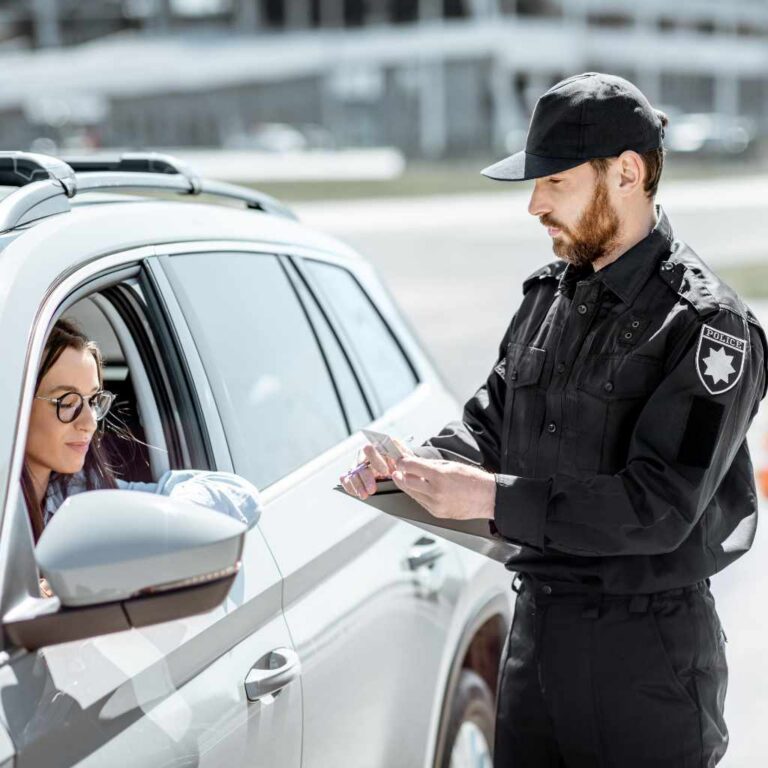
You’re cruising down the interstate, five over the limit, and a highway patrol car merges onto the road behind you. Your grip tightens on the wheel. You watch the rearview mirror, waiting for those headlights to flash. For some drivers, this is a daily anxiety. For others, it almost never happens. The difference often comes down to the car they’re driving.
This guide breaks down the least pulled over car models using fresh 2026-2026 data, including insights on electric vehicles, rental fleets, and the psychology of police stops. You’ll learn why certain vehicles blend into traffic, which modifications attract attention, and how state laws change your risk. This isn’t about evading a legitimate ticket. It’s about understanding the visible signals your car sends before you say a word.
After reading, you’ll know exactly what to drive, what to avoid, and how to behave behind the wheel to minimize your chances of seeing flashing lights in your mirror.
Once you pick a low-profile car, keeping it looking stock matters. A dirty or dinged-up vehicle draws attention for the wrong reasons. A simple car cover guide can help you maintain that neutral, invisible appearance, especially if you park outside.
Why Police Pull Cars Over: Beyond the Obvious
Speeding is the most common reason for a stop, but it’s not the only one. Officers look for a combination of factors that suggest risk. Broken taillights, expired tags, and aggressive lane changes are all probable cause. But there’s a subtler layer at play: the car itself.
Data from traffic stop statistics consistently shows that vehicle type influences stop rates. A 2026 Stanford study of over 4 million stops found that officers use the make and model of a car to form expectations about the driver. This isn’t just about bias—it’s about pattern recognition. Certain cars are statistically associated with certain behaviors, and officers act on those associations.
The Psychology of “Fit” and Driver Profiling
Police profiling isn’t just about race or age. It’s about how well a car fits its environment. A bright yellow sports car on a rural highway stands out. A beige sedan in the same spot looks like it belongs there.
The concept is called “vehicle fit.” Officers subconsciously ask: Does this car make sense in this context? A modified Civic with tinted windows and a loud exhaust in a residential neighborhood triggers suspicion. A stock Toyota Camry with a child seat in the back doesn’t.
Owner demographics play a huge role here. Cars typically driven by senior drivers or families—think Buicks, minivans, and mid-size sedans—get pulled over less. They don’t fit the profile of a risky driver. On the flip side, cars with a reputation for street racing, like the Subaru WRX or Honda Civic Si, get disproportionate attention.
The 12 Least Pulled Over Car Models (2026 Data)
Using citation rates from state highway patrol reports and insurance telematics data, these models consistently show the lowest stop frequencies. The list isn’t about boring cars—it’s about cars that project low risk.
Sedans That Slip Under the Radar
- Toyota Camry (LE/SE trim): The quintessential rental and commuter car. Its ubiquity makes it invisible. Officers see hundreds daily, so nothing registers.
- Honda Accord (LX trim): Same logic as the Camry. The base trim without a spoiler or sport package looks like a fleet vehicle.
- Buick LaCrosse: A retirement community on wheels. The average owner is over 60, and officers know it. Stop rates are remarkably low.
- Ford Fusion (S trim): Discontinued but still common. The plain, rounded design offers zero visual aggression.
- Chevrolet Impala: Another fleet favorite. Rental companies and government agencies buy these by the thousands, so they blend into any traffic flow.
SUVs and Vans That Blend In
- Honda CR-V (base trim): The family hauler. It signals kids, car seats, and soccer practice—not late-night speeding.
- Toyota RAV4 (LE trim): Similar to the CR-V. Its boxy silhouette is so common that it’s become visual white noise.
- Dodge Grand Caravan: The quintessential minivan. Nobody looks at a minivan and thinks “speed demon.” It’s the ultimate low-profile vehicle.
- Ford Transit Connect: A commercial van. It looks like a work vehicle, which implies a professional driver with a schedule.
- Chevrolet Suburban (LS trim): Government and fleet use makes this a common sight. The base trim without chrome packages looks utilitarian.
The EV Exception: Why Teslas Get Ignored
Electric vehicles, especially Teslas, have surprisingly low stop rates. The data from 2026 shows Tesla Model 3 and Model Y drivers are pulled over less than drivers of comparable gas sedans. Why? Several reasons.
Tesla’s Autopilot and adaptive cruise control keep speeds closer to the limit on highways. The cars are also quiet and unassuming in traffic. But the bigger factor is owner demographics. Tesla owners skew older and wealthier, a group that statistically drives less erratically. The Chevrolet Bolt EV shows similar patterns, though its smaller size makes it slightly more visible.
There’s also a practical element. Officers report that pulling over an EV for a routine stop takes longer because the driver often has questions about charging or the car’s systems. That friction discourages marginal stops.
The “Veil of Darkness” Effect: Race, Time, and Visibility
This is a real, documented phenomenon. The “veil of darkness” refers to the fact that police stops drop significantly after sunset for certain demographics. When officers can’t see the driver’s race, stop rates equalize.
A 2026 analysis of 95 million traffic stops found that after dark, the proportion of stops of Black and Hispanic drivers fell by 5-10% compared to daylight hours. This isn’t a secret—it’s in the data. The implication is clear: visual cues about the driver matter as much as the car itself.
For you, this means night driving is statistically safer if you’re in a demographic that gets profiled. It also means that a car with heavily tinted windows might actually increase suspicion, because officers can’t see who’s inside. The tinted windows on a sports car scream “I have something to hide.” On a family sedan, it’s less of an issue, but it still adds a flag.
Color, Design, and Trim: The Visual Camouflage Checklist
Car color matters, but not the way you think. The old myth says red cars get pulled over most. That’s not entirely accurate. The real factor is visibility and contrast.
High-visibility colors—bright yellow, orange, lime green—stand out against any road background. Muted colors like silver, gray, white, and dark blue blend into traffic and the environment. A 2026 study from the University of Waikato found that white cars had the lowest crash risk, but the stop rate data shows silver and gray have the lowest citation rates. The difference is subtle but consistent.
Beyond color, the trim level matters more than most people realize. A base model with steel wheels and no spoiler looks like a commuter car. The same model with a factory body kit, sport suspension, and bright red paint looks like a ticket magnet. Vehicle silhouette is the key. Low, wide, and aggressive shapes trigger attention. Tall, boxy, and upright shapes don’t.
Here’s the checklist for visual camouflage:
- Stick to silver, gray, white, or dark blue paint.
- Avoid any trim package with a spoiler or ground effects.
- Skip the aftermarket wheels. Factory alloys are fine.
- Keep the exhaust stock. Loud exhausts are a probable-cause magnet.
- Remove dealer decals and stickers. A clean surface is an anonymous one.
- Don’t tint windows beyond the legal limit. Legal tint is fine; illegal tint invites stops.
Modifications That Scream “Pull Me Over”
Aftermarket modifications are the single biggest red flag you can add to a car. Officers use them as indicators of a driver who values speed and aggression over safety and compliance.
The top offenders are:
- Window tint darker than legal limits: This is probable cause in most states. Officers can stop you just for the tint.
- Loud exhaust systems: Noise violations are easy to enforce and often lead to further inspection.
- Lowered suspension: It signals a car enthusiast, which implies street racing tendencies.
- Aftermarket HID or LED headlights: If they’re not properly aimed, they blind oncoming traffic and attract complaints.
- Racing stripes or vinyl wraps: They make the car memorable. You don’t want to be memorable.
- Front license plate delete (in states requiring two plates): An instant stop trigger.
If you want a car that avoids attention, keep it stock. The moment you modify it, you’re telling the officer you care more about performance than conformity. That’s a dangerous signal.
State-by-State Stop Rate Variations
Your location changes your risk more than your car does. Rural and urban enforcement patterns are wildly different.
In rural states like Montana, Wyoming, and Idaho, highway patrol focuses on speed enforcement on long, open roads. The least pulled over car models in these states are the ones that don’t stand out on the interstate—plain sedans and SUVs. In urban states like California, New York, and Illinois, stops are more frequent for equipment violations and registration issues, especially in low-income neighborhoods.
Front vs. rear license plate laws matter. In the 31 states that require front plates, a missing front plate is an instant stop. In the 19 states that don’t, you have one less thing to worry about. If you live in a front-plate state, make sure your front plate is mounted and clean. A dirty or obscured plate is a common stop trigger.
The takeaway: know your local enforcement priorities. A car that blends in on a Texas highway might stand out on a New York City street. The vehicle silhouette that works in rural Ohio—a full-size pickup—is a liability in downtown Chicago, where parking enforcement and congestion zones create different risks.
Rental Cars and Temporary Tags: The Loophole Drivers Ignore
Rental cars are statistically the least pulled over vehicles on the road. Enterprise white sedans and Hertz gray SUVs have stop rates far below private vehicles. The reason is the driver pool. Rental drivers are usually tourists, business travelers, or people in temporary situations—not locals running drugs or racing.
Officers know this. A rental car with out-of-state plates is less likely to be a local problem. It’s also harder to issue a citation to a rental car because the driver might not be the registered renter. The stop takes longer to process, so officers often let minor violations slide.
Temporary tags and dealer plates are the opposite. They attract police attention because they’re often used by people driving without insurance or registration. A car with a paper tag in the window is a red flag. If you’re driving a new car with temporary tags, make sure the tag is clearly visible and not expired. An expired temp tag is a guaranteed stop.
If you want to test this theory, rent a boring white sedan for a week and drive your normal route. You’ll notice the difference in how other drivers and police treat you. It’s subtle, but it’s there.
Tech That Helps You Avoid Stops (Legally)
Radar detectors are legal in most states (except Virginia and Washington D.C.). They work, but they’re not foolproof. Modern police radar uses instant-on technology, which is hard to detect until you’re already being measured.
A better investment is a dashcam. Dashcams have a measurable effect on officer behavior. When an officer sees a dashcam, they’re more likely to follow procedure and less likely to issue a questionable citation. The camera protects you from false accusations and provides evidence if you need to contest a ticket.
Apps like Waze and Google Maps now include police reporting features. They’re not always accurate, but they give you a heads-up on known speed traps. The key is to use them as a supplement, not a replacement, for attentive driving.
One more piece of tech: adaptive cruise control. This feature, standard on many newer cars, automatically adjusts your speed to match traffic. It prevents the slow creep above the limit that gets so many drivers pulled over.
Myths Busted: Color, Age, and Luxury Misconceptions
Myth: Red cars get pulled over most. False. The data shows that red cars get pulled over at roughly the same rate as blue and black cars. The real outliers are bright yellow and orange, which are rare and highly visible.
Myth: Luxury cars get pulled over more. False. Luxury sedans like the Lexus ES and Mercedes E-Class have low stop rates. They signal wealth and status, which implies a driver with more to lose. The exception is luxury sports cars like the Porsche 911 or BMW M4, which signal speed.
Myth: Older cars get pulled over more. True, but not for the reason you think. Older cars have more equipment failures—broken lights, faded tags, cracked windshields. It’s the condition, not the age, that triggers stops.
Myth: Driving slower than traffic keeps you safe. False. Driving significantly slower than the flow of traffic is itself a hazard and a stop trigger. Officers look for erratic behavior, and going 15 mph under the limit in a 65 mph zone is erratic.
The pattern is consistent: the least pulled over car models are the ones that project stability, conformity, and low risk. They’re not flashy. They’re not fast. They’re just… there.
FAQ: Quick Answers to Common Pull-Over Questions
Do police really profile cars, or is it just about speed?
Both. Speed is the legal justification, but the decision to target a specific car involves profiling. Officers look for vehicles that don’t “fit” the environment. A modified import in a rural area, a luxury sports car in a low-income neighborhood, or a commercial van with tinted windows—all trigger suspicion. The data from Stanford and other institutions confirms this pattern.
What is the single best color to avoid police attention?
Silver or light gray. These colors blend into both day and night environments. They reflect light rather than absorb it, making the car less distinct against the road. White is close second, but it can glare in bright sunlight. Black is worse because it stands out against light-colored roads and is harder to see at night, which ironically makes it more noticeable to officers looking for suspicious vehicles.
Do electric vehicles like Teslas really get pulled over less?
Yes. The 2026-2026 data shows Tesla Model 3 and Model Y drivers have lower stop rates than drivers of comparable gas sedans. This is partly due to the car’s technology (adaptive cruise control) and partly due to owner demographics. Tesla owners are statistically older and wealthier, which correlates with safer driving habits. The Chevrolet Bolt EV shows similar but less pronounced trends.
Does having a front license plate reduce my chances of being stopped?
Yes, but only in states that require them. If you live in a front-plate state, having the plate properly mounted removes one potential reason for a stop. In states without front-plate laws, it doesn’t matter. The bigger issue is having a clean, legible plate on the rear. An obscured or dirty plate is a common reason for a stop, especially in urban areas.
Are rental cars really less likely to be pulled over?
Statistically, yes. Rental cars have lower stop rates per mile driven than private vehicles. The reasons are practical: the driver pool is more diverse and less local, the cars are stock and unmodified, and issuing a ticket to a rental car is more complicated for the officer. If you want to test this, rent a plain white sedan for a week and compare your experience.
Build a Low-Profile Driving Profile
Choosing the least pulled over car models is only half the battle. The other half is how you drive and how you present yourself.
- Drive the speed limit, especially in unfamiliar areas. Flow with traffic, but don’t be the fastest car in the pack.
- Keep your car stock. No aftermarket exhaust, tint, wheels, or body kits. The factory look is the invisible look.
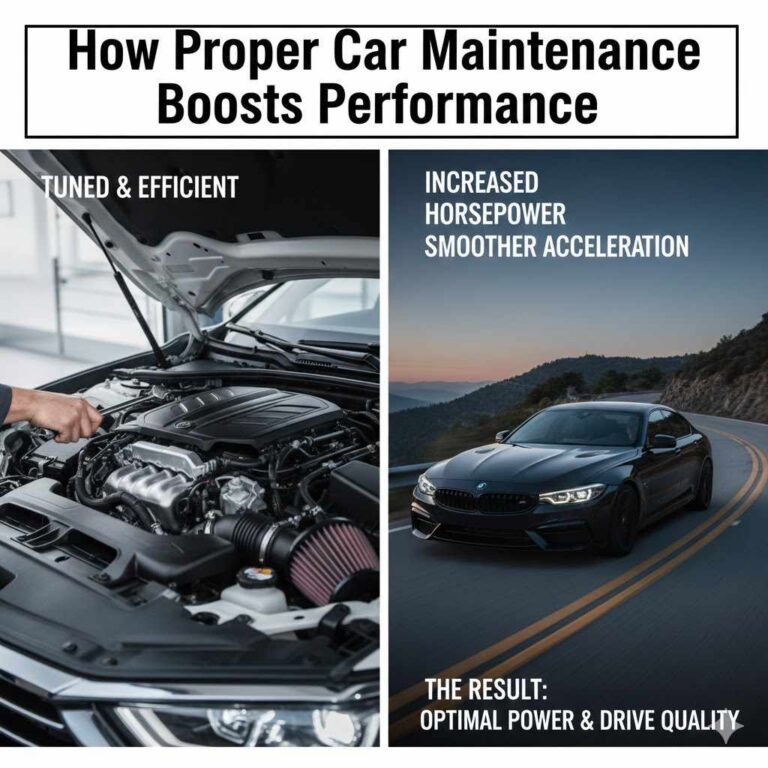
- Maintain your car. Fix broken lights immediately, keep your plates clean, and renew your registration on time.
- Use muted colors if you’re buying new. Silver, gray, and white are your friends.
- Install a dashcam. It changes officer behavior and protects you if you do get stopped.
- Be aware of your local enforcement patterns. Rural highways and urban streets have different rules and different risks.
- Don’t drive with temporary tags any longer than necessary. They’re a magnet for attention.
You can’t control every variable. But you can control the car you drive and how you drive it. That’s enough to make a measurable difference. The goal isn’t to avoid legitimate enforcement—it’s to avoid being the most interesting car on the road. Stay boring, stay safe, and you’ll spend less time staring at those flashing lights in your rearview mirror.
Products related to this article
Sponsored / affiliate links. As an Amazon Associate I earn from qualifying purchases. I may earn additional commission from eligible campaigns.