Are Cars AC or DC Power Explained Simply
It’s a question many people wonder about: Are cars AC or DC power? For folks just starting to learn about how cars work, this can seem a little confusing. Power sources can be tricky!
But don’t worry, it’s not as hard as it might sound. We’re going to break down exactly what kind of power cars use, step by step, in a way that makes perfect sense. Stick with us, and you’ll know the answer clearly.
Understanding Car Power Sources
Are Cars AC or DC Power
When we talk about cars and power, we’re really talking about two main types of electricity: Alternating Current (AC) and Direct Current (DC). Most of the electrical components in your car run on DC power. Think about your phone charger; it plugs into an AC outlet but converts that to DC power for your phone.
Cars do something similar, but the power all starts with DC.
What is DC Power
Direct Current, or DC, is electricity that flows in only one direction. A great example of DC power is what comes from a battery. Batteries have a positive (+) and a negative (-) terminal, and the electricity always moves from the positive side to the negative side.
This consistent flow is why DC power is so important for the sensitive electronics found in modern vehicles.
What is AC Power
Alternating Current, or AC, is electricity where the direction of flow reverses periodically. This is the type of power you get from your wall outlets at home, which is generated by power plants. AC power is great for transmitting electricity over long distances because its voltage can be easily changed.
However, most car components are designed to work with the steady, one-way flow of DC power.
How Cars Generate and Use Power
The Car Battery
Every car has a battery, and this is the primary source of DC power when the engine is off. The car battery is a classic example of a DC power source. It stores chemical energy and converts it into electrical energy.
This DC power is used to start the engine, run the car’s lights, radio, and other accessories when the engine isn’t running.
The Alternator
Once the engine is running, the alternator takes over as the main power generator. The alternator’s job is crucial: it converts the mechanical energy from the engine’s rotation into electrical energy. Interestingly, alternators actually produce AC power internally.
However, because the car’s electrical system and components require DC power, the alternator has a built-in component called a rectifier that converts the AC output to DC before it goes to the car’s electrical system and recharges the battery.
Power Conversion in Cars
So, even though the alternator produces AC power, it immediately converts it to DC. This means the electricity flowing through most of your car’s circuits is DC. This DC power then goes on to power everything from your headlights and windshield wipers to your infotainment system and the engine control unit (ECU).
The battery acts as a buffer, providing power when the alternator isn’t generating enough and storing excess power when it is.
Why DC is King in Cars
The main reason cars use DC power for most components is efficiency and compatibility with electronics. Many electronic devices, like the microchips that control the engine, airbags, and entertainment systems, are designed to operate on DC power. Using DC also simplifies the wiring and reduces the need for complex transformers that would be required if AC power were used throughout the vehicle.
Comparing AC and DC Power in a Car Context
Let’s look at how AC and DC power play different roles, even if the end result for most of the car is DC.
| Feature | AC Power | DC Power |
|---|---|---|
| Direction of Flow | Reverses periodically | Flows in one direction only |
| Source in a Car | Primarily generated by the alternator internally before conversion | Car battery; output from alternator after conversion |
| Typical Use in a Car | Internal to the alternator’s generation process | Powering most electrical components, charging the battery |
| Voltage Stability | Can be easily stepped up or down | Generally stable, but can fluctuate |
Components That Rely on DC Power
Virtually all the electronic “brains” and accessories in your car are designed to run on DC power. Here are a few examples:
- The car battery itself
- Engine Control Unit (ECU)
- Lights (headlights, taillights, interior lights)
- Radio and audio system
- Power windows and locks
- Dashboard instruments
- Fuel pump
- Ignition system
- Air conditioning (the fan and controls)
The Role of the Alternator in Power Management
The alternator is a vital part of the car’s electrical system. When the engine is running, it spins and creates electricity. This electricity is AC, but a component called a diode bridge (rectifier) turns it into DC.
This DC electricity then does two things: it powers all the car’s electrical systems, and it recharges the battery so it’s ready to start the car the next time. If the alternator fails, the car will run solely on battery power until the battery is depleted, leading to a breakdown.
Electric Vehicles (EVs) and Power
Electric vehicles are a bit different and introduce AC power more directly into the main drivetrain, though they still rely heavily on DC for many systems.
EV Battery Packs
The large battery pack in an EV stores DC power. This DC power is used to run various internal systems just like in a gasoline car.
The Inverter
EVs use a component called an inverter. This inverter takes the DC power from the battery pack and converts it into AC power. This AC power is then used to drive the electric motor(s) that propel the vehicle.
The ability to convert DC to AC is what allows the motor to spin and move the car.
Regenerative Braking
When an EV brakes, the electric motor can actually act as a generator. It converts the car’s kinetic energy back into electrical energy. This generated electricity is typically AC, and it is then converted back to DC by a rectifier to recharge the battery pack.
EV Chargers
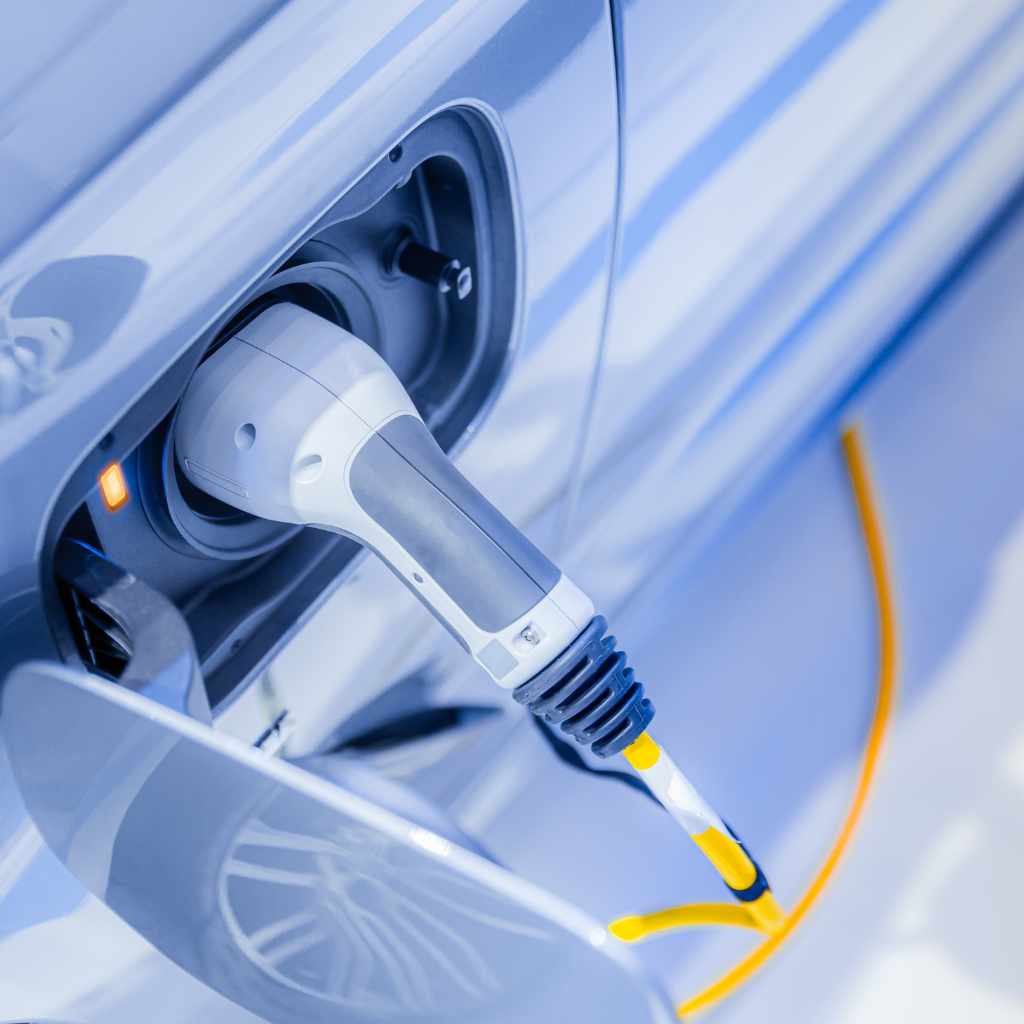
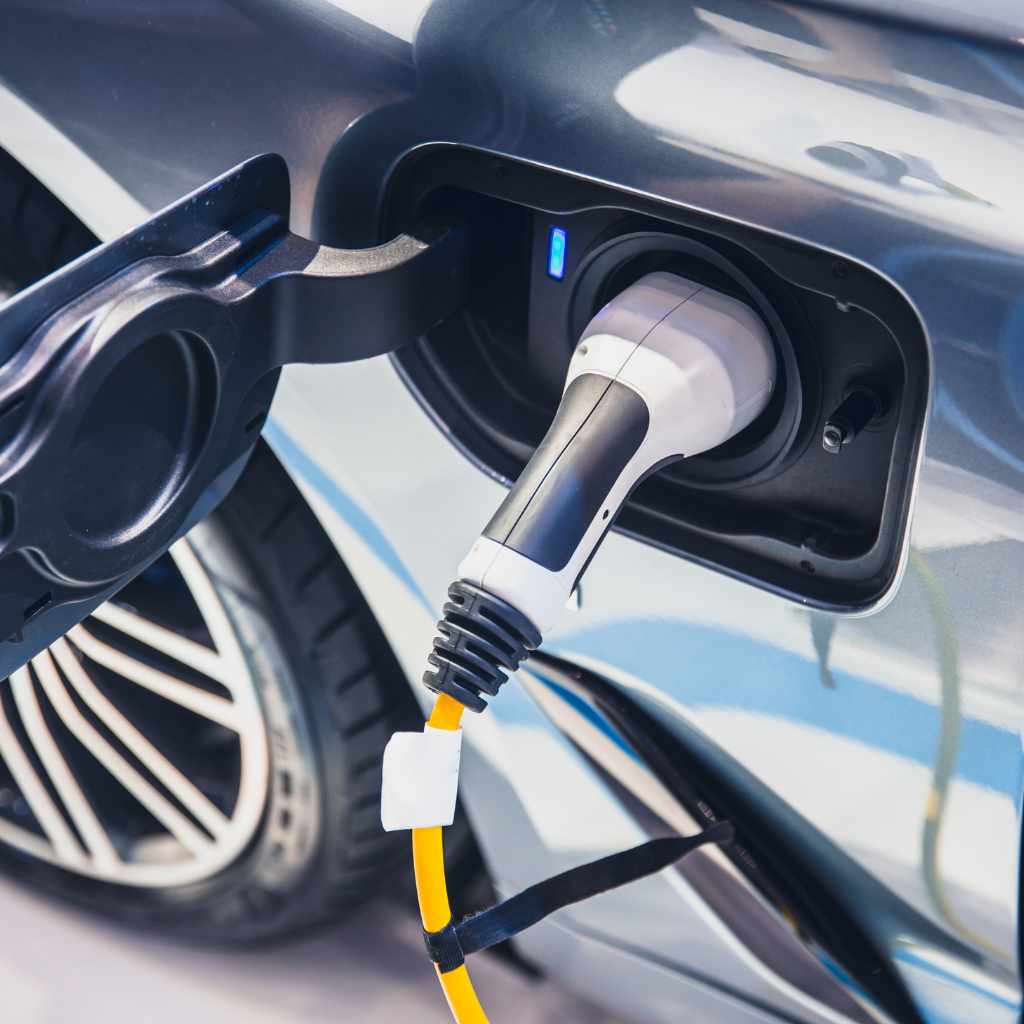
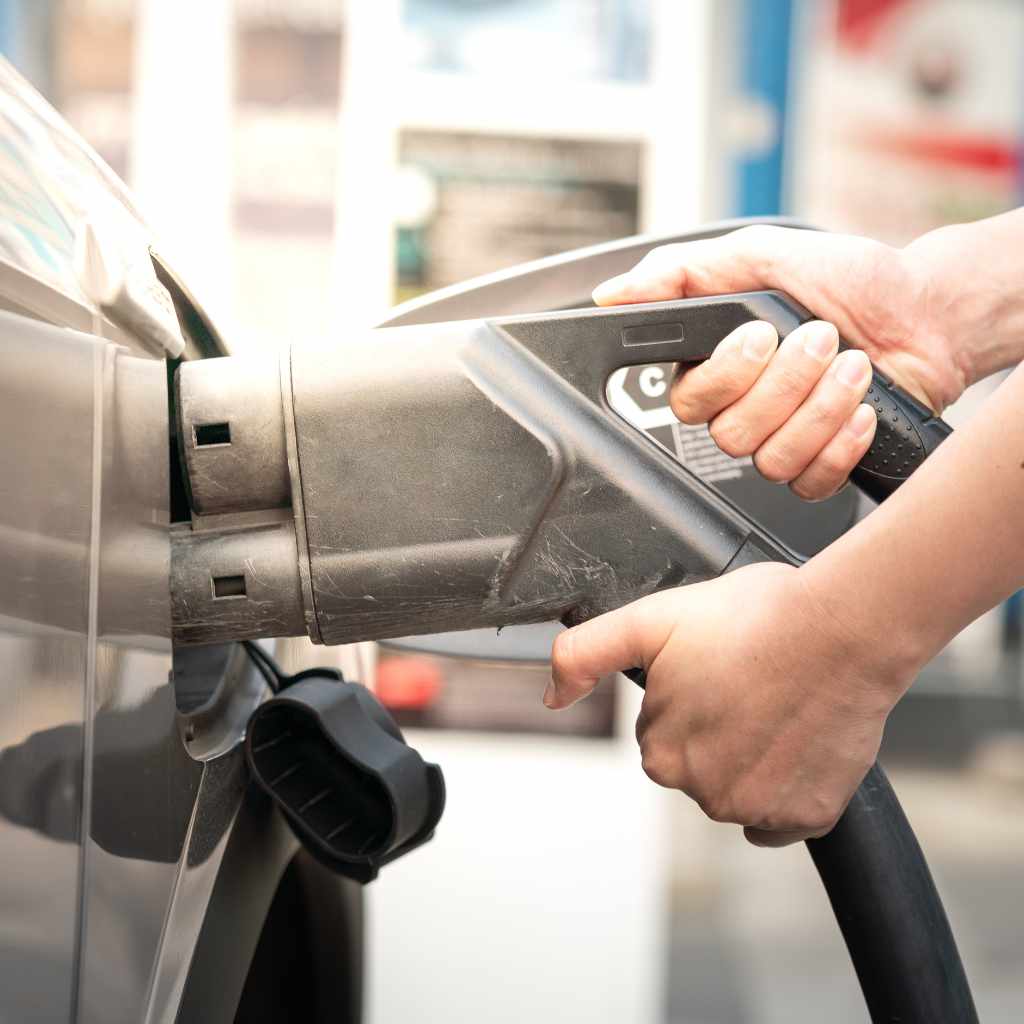
When you plug an EV into a charging station, the station itself provides AC power from the grid. However, the car has onboard charging systems that convert this AC power into DC power to charge the large battery pack. Fast chargers often use a process called DC fast charging, where the AC to DC conversion happens within the charging station itself, and DC power is sent directly to the car’s battery.
Key Differences Summary
It’s important to see how AC and DC are used differently.
- Gasoline Cars: Primarily DC power for most components, with the alternator producing AC that’s immediately converted to DC.
- Electric Cars: Use DC from their large battery pack, convert it to AC for the motor, and also convert AC from the grid to DC for charging.
Frequently Asked Questions
Question: Do cars run on AC or DC power
Answer: Cars primarily run on DC (Direct Current) power for most of their electrical components. The battery in a car supplies DC power, and the alternator, which generates electricity when the engine is running, converts its internal AC power to DC power.
Question: Where does a car get its power from
Answer: A car gets its power from the car battery when the engine is off, and from the alternator when the engine is running. The alternator generates electricity to power the car and recharge the battery.
Question: Is the car battery AC or DC
Answer: A car battery is a DC (Direct Current) power source. It provides a steady, one-way flow of electricity, which is essential for the car’s electronic systems.
Question: Do electric cars use AC or DC
Answer: Electric cars use both. Their large battery packs store DC power, but they convert this DC power to AC power to run their electric motors. They also convert AC power from charging stations to DC power to recharge their batteries.
Question: Why don’t cars use AC power throughout
Answer: Most car components and electronics are designed to work with the stable, one-way flow of DC power. Using DC simplifies the electrical system and is more compatible with sensitive electronic devices.
Final Thoughts
So, to clear things up about Are Cars AC or DC Power, the simple answer for most cars you see on the road is that their electrical systems run on DC power. The battery is the main DC source, and even though the alternator makes AC, it quickly changes it to DC. This DC power is what keeps your car’s lights on, the radio playing, and all the important computer systems working smoothly.
For electric vehicles, it’s a bit more of a mix, as they use DC from their battery but convert it to AC for the motor and convert AC from chargers to DC. Knowing this difference helps appreciate how modern vehicles manage their energy. Keep exploring how things work; it’s the best way to learn!