How to Recline a Car Seat: Safe Angles for Every Seat Type
Most driver and passenger seats recline safely between about 100 and 110 degrees, while rear-facing infant and convertible car seats need a much steeper 30- to 45-degree recline to keep a baby’s airway clear. The right control and the right angle both depend on which type of seat you’re adjusting. This guide covers how to find and lock in the correct recline for adult seats, infant seats, convertible seats, and booster seats, plus what to do when the lever won’t budge.
Why Reclining a Car Seat Matters
A properly reclined seat affects comfort and safety differently depending on who’s sitting in it. For a driver, a seat that’s too upright causes fatigue and lower-back strain on long drives, while one reclined too far makes it harder to reach the pedals and steering wheel quickly. For a child in a car seat, the recline angle is a safety spec, not a comfort preference: too upright and an infant’s head can tip forward and restrict their airway; too reclined and the harness can’t hold the seat securely in a crash.
Types of Car Seats and Their Recline Mechanisms
The correct way to recline a seat depends entirely on what kind of seat it is. Here’s how the four main types compare:
| Car Seat Type | Recline Mechanism | Common Use |
|---|---|---|
| Driver/Passenger Seat | Lever, button, or electronic controls | Adult comfort in front or rear seats |
| Infant Car Seat | Base adjustment or built-in recline foot | Babies up to 1 year, rear-facing |
| Convertible Car Seat | Adjustable base or recline lever | Babies to toddlers, rear or forward-facing |
| Booster Seat | Limited or no recline, depending on the vehicle seat | Older kids, forward-facing |
Driver and passenger seats typically use a simple lever, knob, or power button. Child seats use a completely different system built around a fixed, tested angle range for safety rather than personal preference, so the “right” recline on a car seat isn’t a matter of taste the way it is up front.
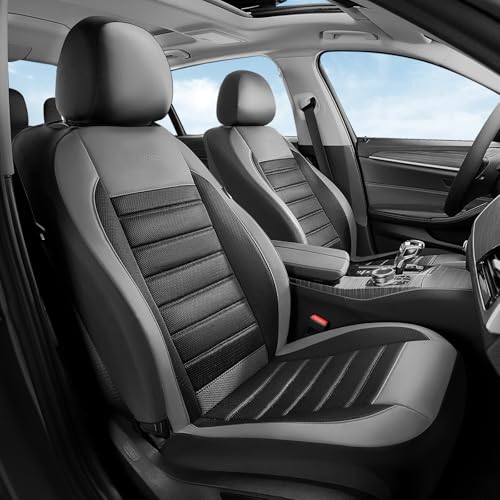
Reclining a Driver or Passenger Car Seat
Adjusting the recline on a driver or passenger seat is usually straightforward. Most modern cars use one of these three setups:
- Manual Lever: Found on the side of the seat, near the bottom. Pull it up or push it down while leaning back or forward to adjust the angle.
- Rotary Knob: A wheel or dial you turn to slowly change the recline.
- Electronic Controls: Buttons on the seat or door panel that move the seat with motors.
To set the angle correctly:
- Sit in the Seat: Get in and sit upright with your back against the seat.
- Find the Control: Locate the lever, knob, or buttons, usually on the outboard side of the seat base.
- Adjust the Angle: Pull the lever or press the button while gently leaning back. Aim for a 100- to 110-degree angle: slightly reclined, but not too far back.
- Test Your Reach: Make sure you can reach the pedals and steering wheel comfortably, with a slight bend in your arms.
- Lock It In: Release the lever or button and confirm the seat is secure before driving.
Recline the seat only as far as you can still reach the pedals and steering wheel without stretching. Going much past 110 degrees pulls your shoulders away from the seatbelt’s designed path, which reduces how well the belt and airbag protect you in a crash. Passengers who aren’t driving can recline further, as long as it doesn’t crowd whoever’s sitting behind them.
Recline vs. Seat Pitch: Two Different Adjustments
Recline changes the angle of the backrest. A separate feature found on some vehicles, usually called cushion tilt, seat pitch, or thigh support, tilts the front edge of the seat bottom instead, changing thigh support without moving the backrest at all. Not every car has this feature, and where it exists it’s typically a small lever or wheel tucked under the front of the cushion, separate from the recline control. If you’re trying to figure out whether your specific seat has this option, see Can You Adjust the Pitch of a Car Seat? for a full breakdown.
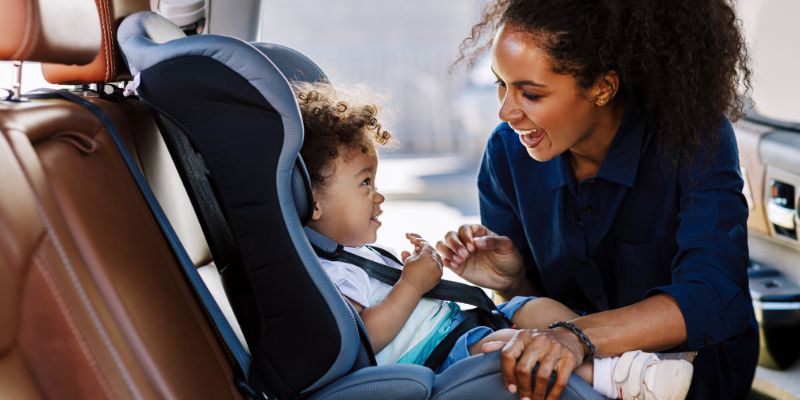
Reclining an Infant Car Seat
Infant car seats are always rear-facing, and the recline angle is what keeps a newborn’s head from tipping forward onto their chest and restricting their airway. Here’s how to set it correctly:
- Check the Base: Most infant car seats have a detachable base with a recline adjustment foot or dial built in.
- Locate the Recline Indicator: Look for a bubble level or line on the base or seat. It shows the correct angle, usually 30 to 45 degrees for newborns.
- Adjust the Recline Foot: Many bases, including Graco’s SnugRide line, use a foot that clicks into a few fixed positions. Lift or press it to change the angle.
- Use a Rolled Towel if Needed: If the base isn’t adjustable enough or the angle is still off, wedge a tightly rolled towel under the base, near the seat’s crease, to tilt it back further.
- Test the Angle: Place the car seat in the base and check the indicator. The bubble should sit inside the marked “safe” zone.
If the base’s built-in adjustment doesn’t get you into the correct zone, NHTSA specifically recommends a tightly rolled towel or a length of pool noodle wedged under the base, not anywhere else, to correct the angle. Always confirm the final angle against your specific seat’s manual, since the safe range can vary slightly by model. If your baby is already buckled into the seat and you need to adjust the recline without a full reinstall, see Can You Recline a Car Seat With Baby Inside? for what’s safe to change.
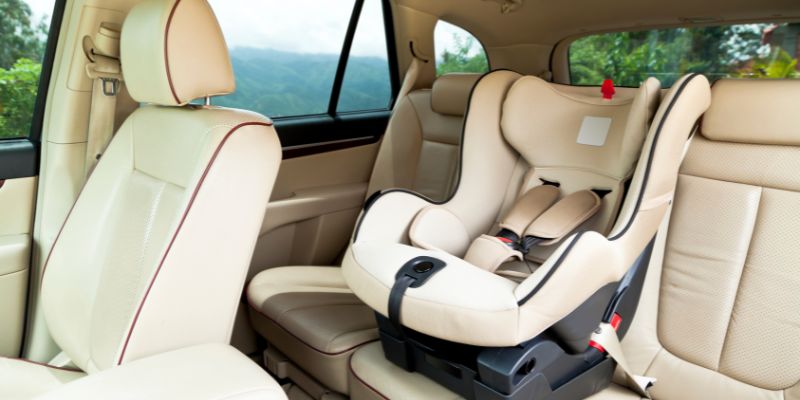
Reclining a Convertible Car Seat
Convertible car seats are used for babies and toddlers, switching from rear-facing to forward-facing as a child grows, and the recline range changes with that switch:
- Check the Manual: Convertible seats like the Britax Marathon or Graco 4Ever have specific recline settings for rear-facing (more reclined) and forward-facing (more upright).
- Find the Recline Lever: Look under the seat or on the side for a lever or button. Some seats have several recline positions to choose from.
- Adjust the Angle: Pull the lever while pushing the seat to the desired position. For rear-facing, aim for a 30- to 45-degree angle; forward-facing is usually more upright.
- Use the Indicator: Most seats have a line or bubble showing the correct angle. Confirm it’s in the right zone for your child’s current age and weight.
- Secure the Seat: After adjusting, tighten the LATCH straps or seatbelt so the seat doesn’t shift more than an inch at the belt path.
Recheck the recline every time you move the seat between rear-facing and forward-facing, since the safe range is different for each orientation. Most seats need the recline lever pulled and the base pushed or pulled at the same time to actually shift position, so it can take a firm push the first time.
Using a Booster Seat
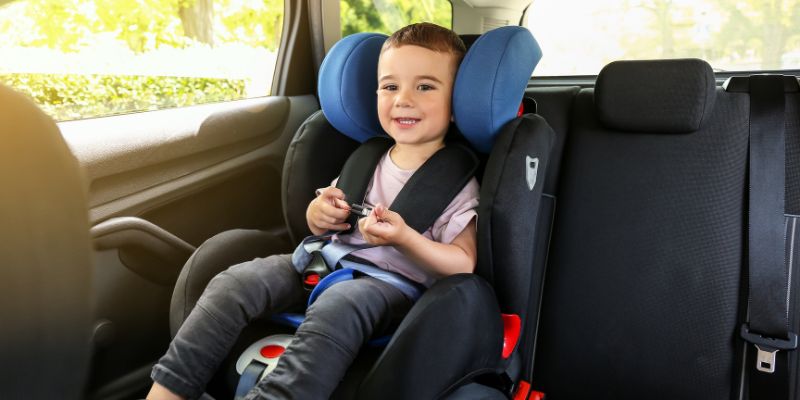
Booster seats, used for older kids, mostly rely on the vehicle’s own seat for reclining, since few boosters have their own adjustment mechanism:
- Adjust the Vehicle Seat: If your car’s rear seat reclines, use its lever or button to tilt it back slightly for comfort.
- Check the Booster Fit: Ensure the booster sits flat on the vehicle seat. Some high-back boosters, like the Graco TurboBooster, have a slight recline adjustment of their own.
- Secure the Child: Use the vehicle’s own seatbelt, making sure it lies flat across the shoulder and lap.
- Test Comfort: Ask your child if they’re comfortable. The booster should support their back without slouching.
A slight recline on the vehicle’s own seat can make a booster more comfortable on long trips, but never recline it so far that the shoulder belt no longer sits snugly across the chest. A loose or displaced shoulder belt is the main safety risk with a reclined booster seat.
Safety Considerations for Reclining Car Seats
Reclining a car seat isn’t just about comfort; safety comes first. Keep these points in mind:
- Driver Safety: Don’t recline the driver’s seat too far. It can make it hard to reach controls or react quickly. Aim for a 100- to 110-degree angle.
- Passenger Safety: Ensure reclined passenger seats don’t block the driver’s view or crowd rear passengers.
- Child Car Seat Safety: Rear-facing infant seats need a 30- to 45-degree recline to keep the baby’s airway open. Forward-facing seats should be more upright but still within the manufacturer’s range.
- Check Stability: After adjusting, tug the seat to confirm it’s secure. A loose seat or base is dangerous in a crash.
If you feel drowsy shortly after reclining, the seat is probably set too far back for driving; sit back up rather than fighting the fatigue. For children, always follow the car seat manufacturer’s specific angle range over any general rule of thumb, since the correct range can vary by model and by the child’s weight.
Common Challenges and How to Solve Them
Reclining a car seat can come with a few hiccups. Here’s how to fix the most common ones:
- Stuck Lever: Check for crumbs, spilled liquid, or other debris around the lever or knob and wipe it down. A sticky mechanism is almost always dirt, not a broken part.
- Incorrect Recline Angle: If a child car seat’s angle is off, use a rolled towel or pool noodle under the base to correct it, then double-check the level indicator.
- Electronic Controls Not Working: For power seats, check the seat’s fuse in the interior fuse box first. A blown fuse is a far more common cause than a failed motor.
- No Manual: If you’ve lost your car seat manual, check the manufacturer’s website, such as Graco’s or Britax’s, for a digital copy and model-specific installation videos.
Manufacturer sites also tend to have model-specific videos that show exactly where a hidden lever or recline foot is located, which is often faster than working through a printed manual.
Tools You Might Need
You usually don’t need tools to recline a car seat, but these can help:
- Car Seat Manual: Your go-to for model-specific instructions.
- Rolled Towel or Pool Noodle: For fine-tuning a child car seat’s recline angle.
- Soft Cloth: For clearing debris from a sticky lever.
- A Helper: An extra set of hands makes adjusting child seats considerably easier.
None of these are required for most seats, but keeping a rolled towel in the car makes it easy to fine-tune an infant seat’s angle wherever you happen to be installing it.
Reclining Car Seats in Different Vehicles
Not all cars are the same, and a vehicle’s own seat design affects how you recline a seat. In sedans, rear seats often don’t recline at all, though front seats have easy controls. SUVs and minivans commonly have adjustable rear seats, which helps with boosters. Smaller cars, including compacts, have less room to work with, which makes child car seat recline trickier.
Compact cars and coupes have the least room to work with, so a rolled towel or pool noodle under the base is often the only way to hit the correct angle in a shallow or steeply sloped seat. Test the recline in your actual vehicle rather than assuming a seat’s default setting will work, since seat slope varies significantly between models.
Maintaining Your Car Seat’s Recline Mechanism
To keep a car seat’s recline mechanism working smoothly, a little maintenance goes a long way:
- Clean Regularly: Wipe down levers and buttons with a damp cloth and mild soap to remove dirt or sticky residue.
- Check for Wear: Look for loose or broken parts, especially on child car seats, and replace them if needed.
- Lubricate if Necessary: For stiff manual levers, a small amount of silicone spray can help. Don’t overdo it.
- Inspect Child Car Seats: Confirm the recline mechanism isn’t damaged, and check the manufacture date to make sure the seat hasn’t expired.
A sticky recline lever on an adult seat is usually solved with a damp cloth and mild soap, not a full detailing product or a trip to a mechanic.
When to Seek Professional Help
If you’re struggling to recline a seat, or it’s genuinely stuck, don’t force it. For driver or passenger seats, a mechanic can check for a broken mechanism or an electrical fault. For child car seats, NHTSA-certified Child Passenger Safety Technicians offer free seat checks at many fire stations, police departments, and community events; NHTSA’s inspection station locator can help you find one nearby.
You can also contact the car seat manufacturer’s customer service directly. Graco (1-800-345-4109) and Britax (1-888-427-4829) can both help troubleshoot a stuck recline mechanism over the phone.
The Environmental Impact of Car Seats
If you’re replacing an old car seat, don’t toss it in the trash. Car seats contain plastics and metals that should be recycled rather than landfilled. Retailers including Target and Walmart have periodically run car seat trade-in events that offer a discount coupon in exchange for recycling an old or expired seat, though these events aren’t running continuously, so check each retailer’s current promotions before making a special trip. Many communities also hold dedicated car seat recycling drives through local waste-management programs.
Choosing the Right Car Seat for Easy Recline
When shopping for a car seat, consider how easy it is to adjust the recline before you buy. For child car seats, look for models with a clear bubble-level or line indicator and a one-hand recline foot or lever; seats with only a printed angle chart in the manual are noticeably harder to get right on the first try. Brands including Graco, Britax, and Chicco make seats with adjustable, easy-to-read bases.
Reading reviews and checking the manual before buying can help you pick a seat whose recline mechanism matches how much fine-tuning you’re willing to do at install time.
The Cost of Reclining Issues
Fixing a stuck or broken recline mechanism varies in cost. For driver or passenger seats, repairing a manual lever typically runs $50 to $150 at a mechanic; electronic seats can run $200 or more if a motor or fuse needs replacing. For child car seats, a new base (on seats where the base is sold separately) usually costs $50 to $150, though most recline issues can be fixed with simple cleaning or adjustment instead.
A stuck or dirty lever costs nothing to fix yourself with a cloth and mild soap. It’s only worth paying a mechanic once you’ve ruled out debris as the cause.
Conclusion
Recline settings aren’t one-size-fits-all. Adult seats have more leeway for personal comfort, while child seats have a specific safety range that leaves little room for guesswork. Match the adjustment method to the seat type, confirm the angle against the seat’s own indicator or manual, and double-check that everything locks securely in place before you drive.
Frequently Asked Questions
How do I know if my car seat is reclined correctly?
For driver seats, make sure you can reach the pedals and steering wheel comfortably at a 100- to 110-degree angle. For child car seats, check the recline indicator or bubble level on the base to match the manufacturer’s guidelines.
Can I recline a booster seat?
Most booster seats don’t have their own recline mechanism. Adjust the vehicle’s seat instead if it reclines, or choose a booster with a slight reclining feature for extra comfort.
Why is my car seat recliner lever stuck?
Dirt, debris, or sticky residue can jam the lever. Clean it with a damp cloth and mild soap, or check for obstructions. If it’s still stuck, consult a mechanic or the car seat manufacturer.
Is it safe to recline a driver’s seat too far?
No. Reclining too far can make it hard to reach controls or stay alert, and it pulls your shoulders away from the seatbelt’s designed path. Aim for a slight recline of 100 to 110 degrees to maintain control and crash protection.
How do I adjust the recline on an infant car seat?
Use the base’s recline foot or dial to set a 30- to 45-degree angle. Check the bubble indicator, and use a rolled towel under the base if the built-in adjustment doesn’t get you into the correct zone.
Can I recline a forward-facing car seat?
Yes, but it should be more upright than a rear-facing seat. Follow the manufacturer’s guidelines, usually found in the manual or on the seat’s own recline indicator.
What do I do if my car’s power seat won’t recline?
Check the fuse or battery connection first. If those are fine, have a mechanic inspect the motor or wiring. It could be a simple fix or require a replacement part.
What’s the difference between reclining a car seat and adjusting its pitch?
Reclining changes the angle of the backrest, while pitch, also called cushion tilt, changes the angle of the seat bottom without moving the backrest at all. Not every vehicle has a separate pitch adjustment; where it exists, it’s usually a small lever or wheel under the front of the cushion.
Products related to this article
Sponsored / affiliate links. As an Amazon Associate I earn from qualifying purchases. I may earn additional commission from eligible campaigns.