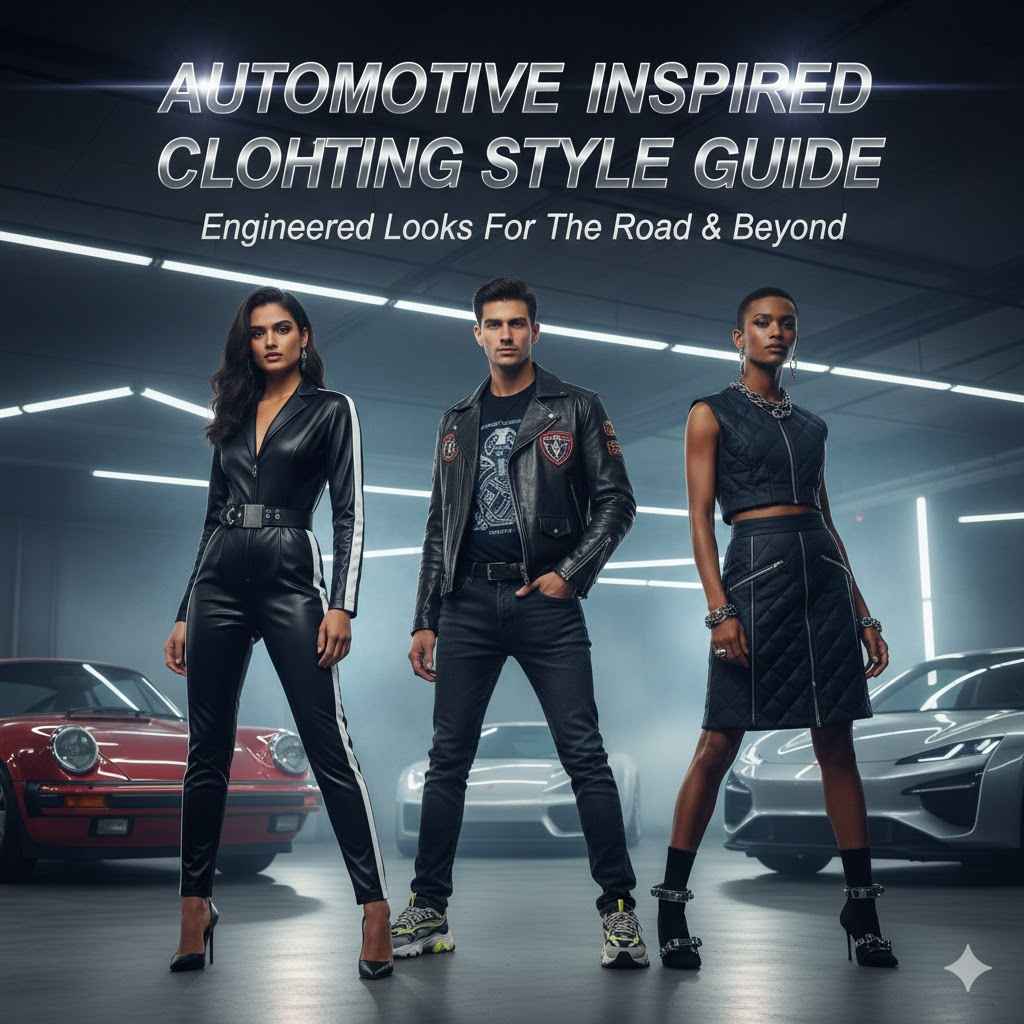
Automotive Inspired Fashion Clothing Style Guide
Getting your head around Fashion Clothing Inspired by the Automotive Industry can seem a bit tricky at first. You might wonder where to even begin. But don’t worry, it’s simpler than it looks!
We’ll walk through it step by step.
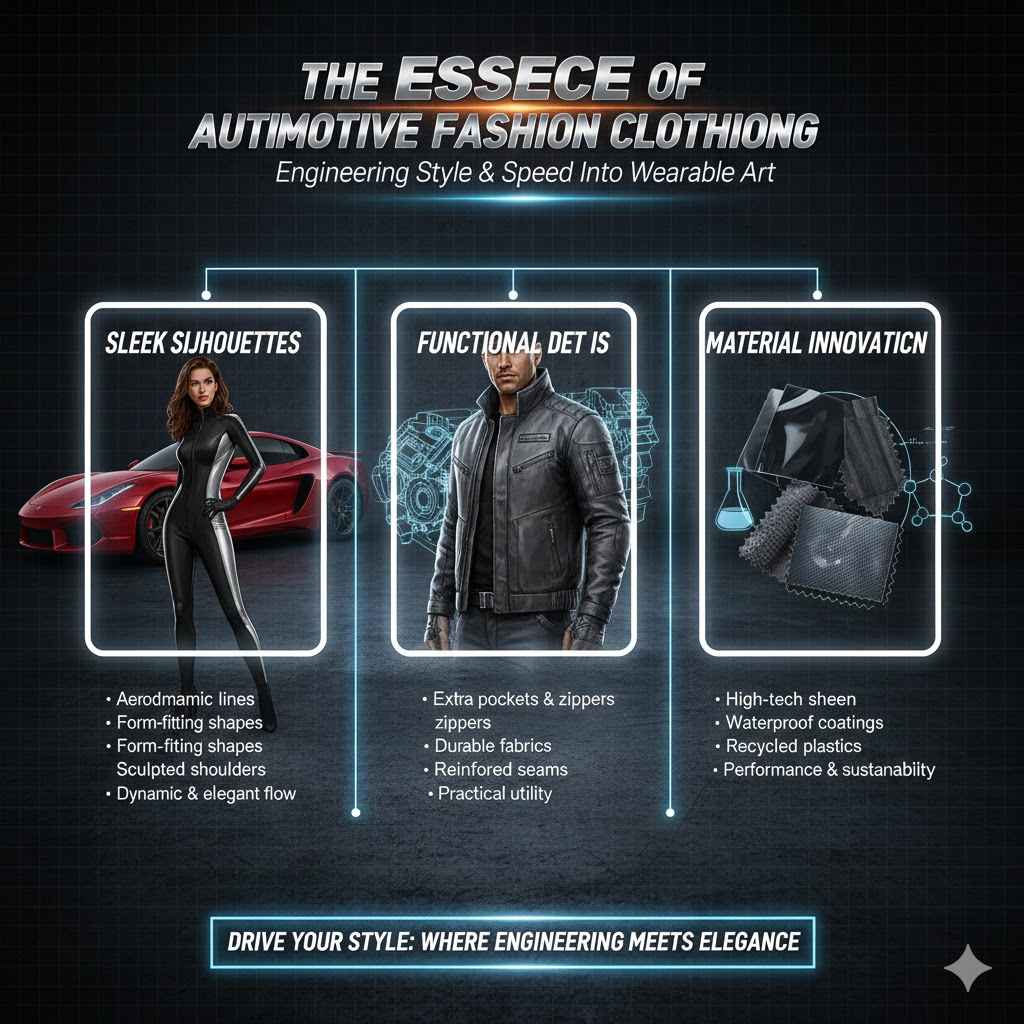
The Essence of Automotive Fashion Clothing
Automotive-inspired fashion takes cues from the design, engineering, and spirit of vehicles. This means clothing that might feature sleek lines, bold colors, functional details, and a sense of speed or power. It’s about translating the aesthetics of cars into wearable art.
Defining Automotive Fashion Characteristics
This style often borrows from the clean, aerodynamic shapes found in car design. Think of flowing silhouettes that mimic the curves of a sports car or sharp, angular cuts reflecting modern vehicle grilles. The materials themselves can also be a nod to the automotive world, using materials that are durable, high-tech, or have a glossy finish, much like a car’s paint job or chassis.
Color palettes frequently draw from automotive paint colors. This can range from classic car shades like cherry red, midnight blue, and silver to more industrial tones like matte black, charcoal grey, and even vibrant neon accents seen on concept cars. The overall feel is often about precision, innovation, and a touch of luxury or ruggedness, depending on the specific automotive inspiration.
Sleek Silhouettes: Clothing that follows the smooth, aerodynamic lines of cars. This could mean form-fitting dresses that hug the body like a car’s exterior or jackets with sculpted shoulders that suggest powerful fenders. The aim is to create a visual flow that is both dynamic and elegant, much like watching a car speed by. This focus on smooth contours helps to create a modern and sophisticated look that is universally appealing.
Functional Details: Many automotive designs emphasize practicality and performance, and this translates into fashion with features like extra pockets, sturdy zippers, and durable fabrics. These elements aren’t just for show; they add utility to the garment, making it more practical for everyday wear. Imagine cargo pants with well-placed pockets or jackets with reinforced seams, echoing the engineering of a car’s interior or exterior components.
Material Innovation: The automotive industry is a leader in material science. Fashion inspired by this often uses innovative textiles. This might include materials with a high-tech sheen, waterproof coatings, or even recycled plastics that have been transformed into luxurious fabrics. These materials not only look and feel modern but also contribute to the garment’s performance and sustainability.
Fashion Clothing Inspired by the Automotive Industry Design Principles
Automotive design is a masterclass in form meeting function. This section explores how these core principles – aerodynamics, ergonomics, and material science – are directly translated into the world of clothing, creating pieces that are as stylish as they are practical. We’ll look at how designers use shape, comfort, and fabric choice to evoke the spirit of automobiles.
Aerodynamics in Apparel
Aerodynamics is the study of how air moves around objects. In cars, it’s about reducing drag to increase speed and fuel efficiency. In fashion, this translates to designs that feature smooth, flowing lines and minimal resistance.
Think about how a sports car’s body is sculpted to cut through the air; fashion designers aim for similar visual effects with their clothing.
This can manifest as fitted garments that skim the body, avoiding bulk that would disrupt a clean silhouette. Seams might be strategically placed to enhance the body’s natural shape or to mimic the panel lines of a car. Collars and cuffs could be designed with sharp, clean edges, much like the spoilers or aerodynamic kits on a vehicle.
The goal is to create a sense of movement and efficiency, even when the wearer is standing still.
Streamlined Shapes: Clothing that hugs the body, reducing the appearance of bulk. This might include form-fitting dresses, tailored trousers, or sleek jackets. These designs often feature curved seams or paneling that enhances the body’s natural contours, much like the aerodynamic bodywork of a high-performance car. The visual effect is one of speed and agility.
Wind-Resistant Fabrics: Materials that offer some protection against the elements, similar to a car’s protective shell. This includes water-repellent coatings, windproof membranes, or tightly woven fabrics that prevent drafts. These textiles add a functional layer to the design, making the clothing practical for various conditions and enhancing the feeling of being protected and streamlined.
Visual Flow and Movement: Designers use fabric drape and cut to create a sense of continuous motion. This can be achieved through flowing skirts, billowy sleeves that taper at the wrist, or asymmetrical hemlines that suggest forward momentum. The overall effect is a garment that seems to move with the wearer, evoking the dynamism of a vehicle in motion.
Ergonomics and Comfort
Ergonomics focuses on designing for human efficiency and comfort. In car interiors, this means seats that support the body, dashboards that are easy to reach, and controls that are intuitive. For fashion, it translates to clothing that is comfortable to wear, easy to move in, and feels good against the skin.
This involves thoughtful construction. Designers consider how seams will lie on the body, how garments will allow for a full range of motion, and what kind of support is needed. For instance, jackets might have articulated sleeves that bend naturally with the arm, or trousers might feature gusseted crotches for added flexibility.
The choice of lining and inner construction also plays a role, ensuring that the garment feels as good on the inside as it looks on the outside.
Articulated Construction: Garments designed with joints and bends in mind, allowing for natural movement. This is seen in sleeves with pre-shaped elbows or trousers with sculpted knees, mirroring the articulated joints in a vehicle’s suspension or steering mechanisms. This ensures that the clothing doesn’t restrict the wearer’s activities, making it practical for both casual and active use.
Supportive Structures: Elements like padded shoulders, reinforced waistbands, or supportive inner linings that provide structure and comfort. This can be likened to car seats offering lumbar support or body-hugging bolsters that keep the driver secure. These features enhance the garment’s feel and fit, contributing to an overall sense of well-being while wearing it.
Breathable and Soft Materials: Using fabrics that feel pleasant against the skin and allow air circulation, preventing overheating or discomfort. This is akin to a car’s climate control system maintaining a comfortable cabin temperature. Natural fibers mixed with high-tech synthetics can offer both comfort and performance, ensuring the wearer feels good throughout the day.
Material Science and Texture
The automotive industry relies heavily on advanced materials. From lightweight aluminum alloys to durable polymers and high-performance composites, materials are key to a car’s engineering. Fashion designers draw inspiration from this by using innovative fabrics that offer unique textures, finishes, and functionalities.
This can include glossy patent leather, matte performance fabrics, textured knits that resemble tire treads, or even metallic finishes that mimic chrome accents. The tactile experience of the clothing becomes as important as its visual appeal. These materials can add a futuristic or industrial edge, or a sophisticated polish, depending on the specific car inspiration.
High-Tech Finishes: Fabrics with a shiny, metallic, or futuristic sheen. This can include patent leather, coated synthetics, or fabrics woven with metallic threads. These finishes evoke the polished surfaces of a car, like its paintwork or chrome details, adding a touch of modern luxury and visual impact to the garment.
Durable and Resilient Fabrics: Using materials known for their strength and longevity, such as ripstop nylon, heavy-duty canvas, or leather. These fabrics mirror the robust construction of a car, suggesting durability and a rugged capability. They often have a textured surface that adds to their visual appeal and reinforces the automotive theme.
Textural Contrast: Combining smooth surfaces with rough or patterned textures. This might involve pairing a sleek, shiny fabric with a matte, textured material, or incorporating prints that resemble carbon fiber or tire treads. This interplay of textures adds depth and interest to the garment, mirroring the layered and varied materials found in a car’s construction.
Visual Elements in Automotive Fashion Clothing
The visual language of cars is rich with design cues that translate beautifully into clothing. This section focuses on how specific visual elements, like color, graphics, and detailing, are borrowed from the automotive world to create distinctive and stylish fashion pieces. We’ll examine how these elements contribute to the overall aesthetic and narrative of automotive-inspired attire.
Color Palettes and Finishes
Automotive paint colors are iconic. Designers pull from this palette to create striking garments. Whether it’s the deep, lustrous shine of a classic black paint job or the vibrant energy of a racing red, these colors instantly communicate a certain mood and aesthetic.
Beyond solid colors, finishes also matter. Matte paints offer a modern, understated look, while gloss finishes bring a high-fashion sheen. Metallic flakes embedded in paint create a shimmering effect, and pearlescent paints offer subtle shifts in color.
These finishes are directly translated into fabrics with varying degrees of sheen, reflectivity, and depth.
Signature Car Colors: Utilizing iconic shades like racing red, midnight blue, classic silver, and stealthy matte black. These colors are immediately recognizable and evoke the performance and style associated with specific vehicles or car brands. They provide a strong foundation for any automotive-inspired outfit.
Glossy and Metallic Finishes: Incorporating fabrics with a high shine, such as patent leather, satin, or coated materials. This mimics the polished exterior of a car, adding a luxurious and eye-catching element to the clothing. Metallic fabrics further enhance this effect, reflecting light and creating a dynamic visual presence.
Matte and Industrial Tones: Employing duller, non-reflective finishes that convey a sense of ruggedness or sophisticated minimalism. Think of the matte finishes found on some performance cars or the muted, functional colors of industrial equipment. These tones can lend an edgy or understated chic to a garment.
Graphics and Logos
Car branding, racing stripes, and abstract graphics play a significant role. Think of the bold logos of car manufacturers, the iconic racing stripes that signify speed, or the geometric patterns found on concept cars. These elements are translated into prints, embroidery, and appliqués on clothing.
Logos might be subtle and integrated into the design, or they could be a bold statement. Racing stripes can be placed on sleeves, down the sides of trousers, or across the chest of a jacket, instantly adding a dynamic visual element. Abstract geometric patterns found on car bodies or interior dashboards can be reinterpreted as unique fabric prints.
Racing Stripes and Piping: Adding linear accents that suggest speed and motion. These can be prominent on sleeves, legs, or across the body of a garment, mimicking the visual cues of racing cars. Subtle piping along seams can also add a refined automotive touch.
Brand-Inspired Graphics: Using abstract patterns or shapes that echo car manufacturer logos or design motifs. This might involve geometric shapes, stylized lines, or repeating patterns that create a visual rhythm reminiscent of car emblems or wheel designs. The goal is to evoke the brand’s essence without directly copying logos.
Abstract Automotive Prints: Developing unique fabric designs inspired by car textures, dashboard layouts, or aerodynamic forms. These prints can feature stylized representations of car parts, circuit board-like patterns, or flowing lines that suggest movement and engineering. They offer a more artistic interpretation of automotive inspiration.
Detailing and Hardware
The small details on a car are often what make it special – the chrome trim, the intricate headlights, the texture of the steering wheel. Fashion designers borrow these intricate details for clothing. This includes using metal hardware like zippers, buckles, and snaps, as well as replicating textures and shapes found in automotive interiors and exteriors.
For example, chunky, industrial-style zippers can mimic car doors or engine components. Buckles might resemble seatbelt fasteners or car seat clasps. Stitching patterns can echo the upholstery of a luxury car interior.
Even the shape of buttons or rivets can be inspired by the functional and aesthetic elements of vehicle design, adding a layer of authentic automotive flair.
Metal Hardware: Incorporating functional and decorative metal elements like zippers, buckles, snaps, and rivets. These pieces can be chunky and industrial, evoking the robust hardware of a car, or sleek and polished, reflecting luxury car detailing. They add a tactile and visual element that directly references automotive engineering.
Stitching and Upholstery Patterns: Mimicking the intricate stitching found on car seats and interiors. This can include decorative topstitching, quilted patterns, or contrasting thread colors that highlight seams and add a touch of craftsmanship. These details enhance the garment’s luxurious and detailed feel.
Functional Pockets and Zippers: Designing pockets and closures that are not just decorative but also practical and robust, similar to the functional compartments within a car. This could mean deep, secure pockets or heavy-duty zippers that are easy to use, even with gloves, drawing parallels to the engineering of a vehicle.
Case Studies and Examples of Automotive Fashion Clothing
Many fashion designers and brands have successfully incorporated automotive themes into their collections, proving the enduring appeal of this inspiration. This section highlights some notable examples, showcasing how different designers have interpreted the automotive world, from its sleek lines to its raw power, and the impact these collections have had.
Designer Collections Inspired by Cars
Throughout fashion history, designers have looked to the automotive industry. From the sharp tailoring and metallic fabrics that evoke speed and futurism to the practical, rugged materials inspired by off-road vehicles, the influence is vast. These collections often aim to capture the essence of a car’s performance, its aesthetic beauty, or the lifestyle associated with driving.
Some collections might focus on the elegance and luxury of high-end sports cars, using premium materials and refined silhouettes. Others might embrace the raw power and utilitarianism of classic muscle cars or trucks, opting for bolder designs and durable fabrics. The key is capturing a specific feeling or aspect of automotive culture.
High-Fashion Interpretations: Designers like Balenciaga have, in the past, showcased collections featuring overtly car-inspired graphics and silhouettes. Their work often plays with exaggerated forms and bold prints that echo automotive designs. For instance, a dress might feature a print of a vintage car or a jacket could have exaggerated shoulder lines mimicking a car’s fenders.
Streetwear Brands and Collaborations: Many streetwear brands frequently collaborate with automotive companies or draw inspiration from car culture. Think of brands using tire tread patterns in their designs, incorporating racing-inspired logos, or releasing collections that reference iconic car models. These collaborations often result in limited-edition pieces that are highly sought after by enthusiasts of both fashion and automotive. For example, a popular streetwear label might release a capsule collection with a classic car manufacturer, featuring jackets, hoodies, and accessories adorned with unique graphics and co-branded elements.
Functional Outerwear Brands: Brands specializing in technical outerwear often incorporate automotive design principles. Their jackets and trousers might feature durable, water-repellent fabrics, aerodynamic cuts, and functional pockets inspired by racing suits or outdoor vehicle gear. This focus on performance and protection mirrors the engineering found in high-performance vehicles.
Real-World Examples
You can see automotive-inspired fashion everywhere, from the runway to everyday wear. Think of a biker jacket with its sleek, protective design and metal hardware, which owes a lot to motorcycle and automotive safety gear. Or consider the clean lines and futuristic materials found in some athleisure wear, which echo the innovation seen in electric car design.
Even subtle details can make a difference. A shirt with contrasting piping along the sleeves, a handbag with a buckle that resembles a car’s seatbelt, or a pair of shoes with a sole pattern inspired by tire treads all carry the automotive spirit. These pieces are often practical, durable, and designed with a sense of engineered style.
The “Speed Racer” Collection: A fictional collection that drew inspiration from the classic animated series “Speed Racer.” This line featured vibrant primary colors, bold racing stripes down the sleeves and legs of jackets and pants, and custom graphics of the Mach 5. Materials included shiny, synthetic fabrics reminiscent of race suits, and accessories like gloves and goggles that completed the look. The collection aimed to capture the thrill and retro-futuristic aesthetic of the show, translating its iconic imagery into wearable fashion pieces that resonated with fans.
Luxury Sedan Inspired Dress: Imagine a floor-length evening gown inspired by the elegant lines of a luxury sedan. The dress would be made from a deep sapphire blue silk, with a subtle sheen that mimics polished car paint. The silhouette would be streamlined and form-fitting, with a subtle train that flows like a car’s aerodynamic tail. Detailing could include discreet chrome-like embellishments around the neckline or waist, and the fabric would have a slight drape, creating a sense of smooth, effortless movement.
Styling and Wearing Automotive Fashion Clothing
Integrating automotive-inspired fashion into your wardrobe is about more than just wearing the clothes; it’s about styling them to reflect the intended aesthetic. This section offers practical advice on how to put together outfits that capture the spirit of automotive design, ensuring you look stylish and put-together.
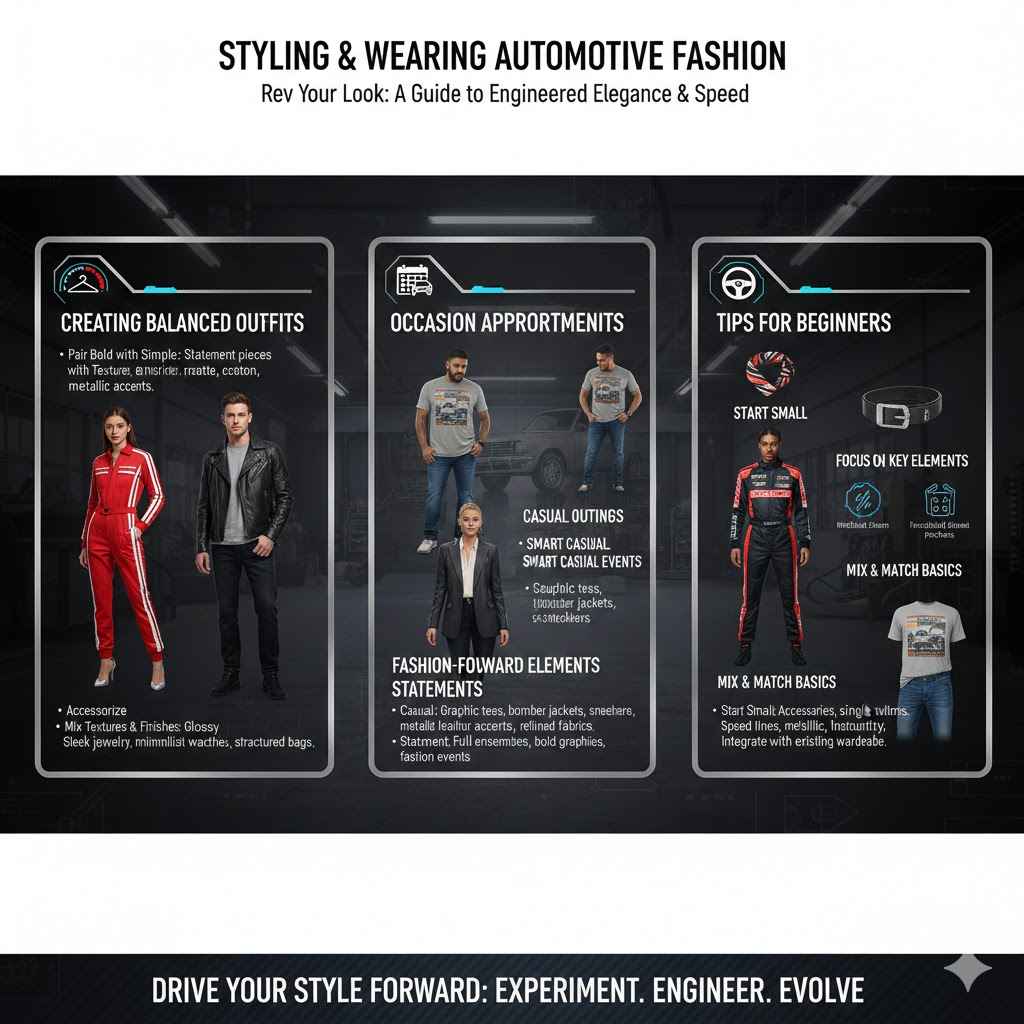
Creating Balanced Outfits
The key to successfully wearing automotive-inspired pieces is balance. If you’re wearing a bold, graphic jacket with prominent racing stripes, pair it with simpler, more understated items to avoid looking too busy. Similarly, if your pants have a strong automotive detail, like metallic accents, let them be the focal point and keep the rest of your outfit relatively clean.
Consider the overall vibe you want to achieve. Are you going for a sleek, modern look, or a more rugged, utilitarian feel? This will guide your choices of complementary pieces.
Mixing and matching different textures and finishes can also add depth, much like the varied materials in a car.
Pairing Bold with Simple: If you choose a statement piece like a jacket with large graphics or bright racing stripes, opt for plainer items to accompany it. A graphic jacket works well with plain black jeans and a simple t-shirt. This allows the automotive-inspired piece to stand out without overwhelming the outfit.
Mixing Textures and Finishes: Combine different material textures to create visual interest. For example, pair a shiny patent leather jacket with matte cotton trousers, or a sleek satin top with denim. This interplay of textures adds depth and sophistication, reminiscent of the varied materials used in vehicle construction.
Accessorizing Wisely: Choose accessories that complement the automotive theme without being too literal. Think about sleek sunglasses, minimalist silver jewelry, or a watch with a metallic band. Bags with clean lines and sturdy hardware can also enhance the automotive aesthetic.
Occasion Appropriateness
Automotive-inspired fashion can be surprisingly versatile. A sleek, tailored blazer with subtle metallic piping might be perfect for a business casual setting. A bomber jacket with functional zippers and a slightly rugged fabric could be ideal for a weekend outing.
Even bold graphic tees can be dressed up or down.
The key is to consider the formality of the occasion and the specific piece of clothing. For more formal events, opt for pieces with refined materials and subtle automotive cues. For casual settings, you have more freedom to experiment with bolder graphics and designs.
Casual Outings: For everyday wear, opt for items like graphic t-shirts featuring car motifs, bomber jackets with functional zippers, or jeans with subtle stitching details. Pair these with comfortable sneakers or boots to complete a relaxed, automotive-inspired look. This is a great way to incorporate the style into your daily wardrobe.
Smart Casual Events: Consider tailored trousers or skirts with clean lines, paired with a blouse or shirt that has metallic accents or subtle piping. A sleek jacket or blazer with a hint of automotive detailing can elevate the outfit. This allows you to embrace the theme in a more refined and understated manner.
Fashion-Forward Statements: For occasions where you want to make a bolder statement, consider full outfits that are clearly automotive-inspired. This could be a dress with striking graphics, a full racing suit-inspired ensemble, or pieces with prominent metallic finishes. These looks are best suited for fashion events, concerts, or parties where self-expression is encouraged.
Tips for Beginners
If you’re new to automotive-inspired fashion, start with smaller, more subtle pieces. A scarf with a geometric print that evokes car design, a belt with an interesting buckle, or a t-shirt with a vintage car graphic can be great entry points. As you become more comfortable, you can experiment with more prominent items like jackets or trousers.
Don’t be afraid to mix and match automotive-inspired pieces with your existing wardrobe. The goal is to create a look that feels authentic to you, not to become a walking advertisement for a car brand. Experimentation is key to finding what works best for your personal style.
Start Small: Begin with accessories or single clothing items that have automotive elements. A hat with a subtle logo, a pair of socks with tire tread patterns, or a simple bracelet with a metallic finish are good starting points. These pieces allow you to test the waters without committing to a full look.
Focus on Key Elements: Identify which automotive design elements appeal to you most – is it the speed lines, the metallic sheen, the functional pockets? Focus on finding pieces that highlight these specific features. This helps you curate a style that feels personal and intentional.
Mix and Match with Basics: Integrate automotive-inspired pieces with your existing wardrobe of basic items. A graphic tee can be worn with your favorite jeans, or a jacket with automotive detailing can be layered over a simple sweater. This creates a balanced and wearable look that doesn’t feel overly themed.
Frequently Asked Questions
Question: What makes fashion clothing automotive inspired
Answer: It takes design cues from cars, like sleek lines, colors, functional features, and material textures.
Question: Can automotive fashion be worn daily
Answer: Yes, start with subtle accessories or graphic tees for everyday wear. Balance bold pieces with simple items.
Question: What kind of materials are common in automotive fashion
Answer: Look for shiny, matte, metallic, durable, and textured fabrics like patent leather, nylon, and treated cottons.
Question: How can I style an automotive jacket
Answer: Pair it with plain jeans and a t-shirt for a casual look, or with tailored pants for a smarter ensemble.
Question: Are there ethical concerns with automotive fashion
Answer: Some brands focus on sustainable materials and ethical production, mirroring the automotive industry’s push for greener practices.
Summary
Fashion clothing inspired by the automotive industry blends car aesthetics with wearable design. This style uses sleek lines, bold colors, and functional details to create impactful looks. You can easily incorporate it by starting with accessories or pairing statement pieces with basics for a balanced, stylish appearance.