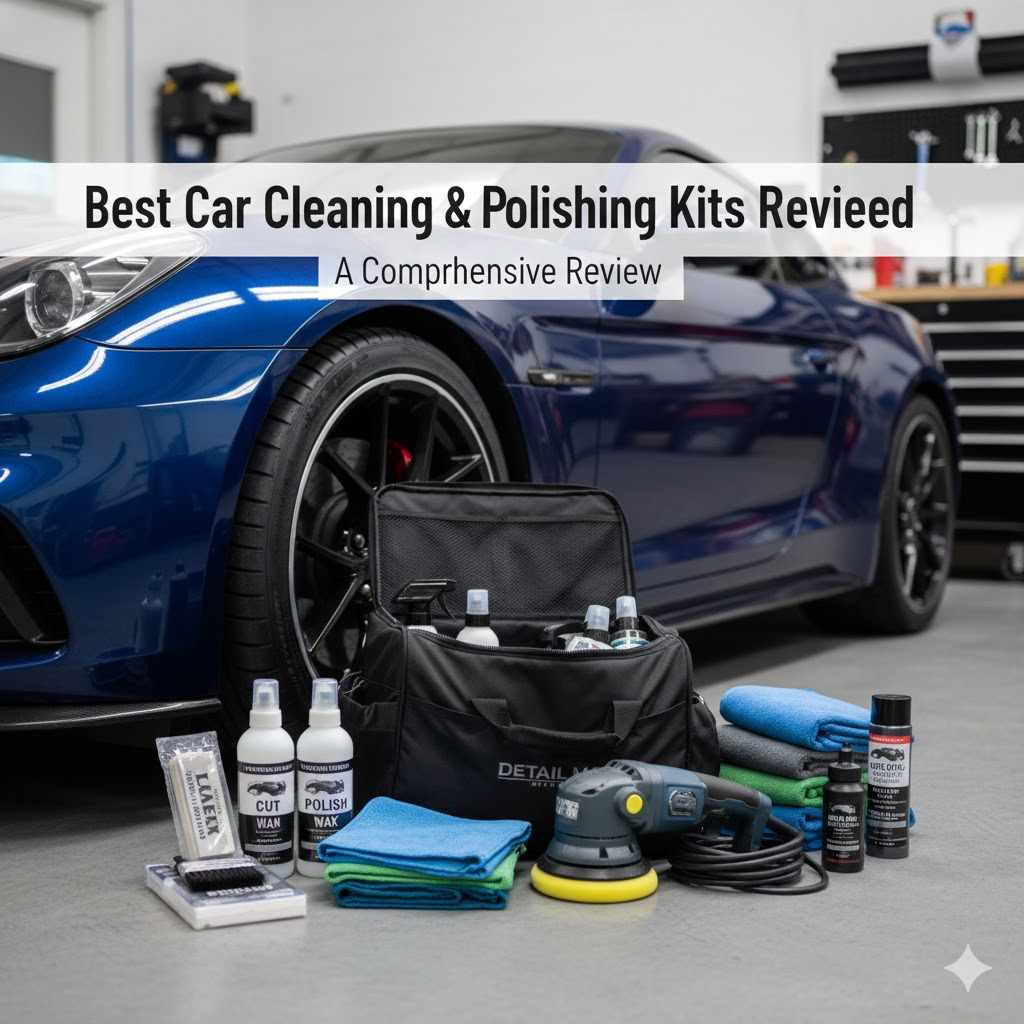
Best Car Cleaning Polishing Kits Reviewed
Looking for the Best Car Cleaning & Polishing Kits Reviewed can feel like a puzzle. So many options pop up, and it’s tough to know where to start, especially if you’re new to keeping your car looking its best. Don’t worry!
We’ll break it all down in an easy way. Get ready for a simple guide that shows you exactly what to do to make your car shine. We’ll cover everything you need to know.
Choosing the Best Car Cleaning & Polishing Kits
Finding the perfect car cleaning and polishing kit can really make your vehicle shine. It’s not just about making your car look good; it’s about protecting its paint and keeping it in great shape for a long time. When you’re picking out a kit, think about what your car needs and what you want to achieve.
Do you want a quick wash and wax, or are you aiming for a showroom finish? The best kits have everything you need in one box, saving you time and guesswork.
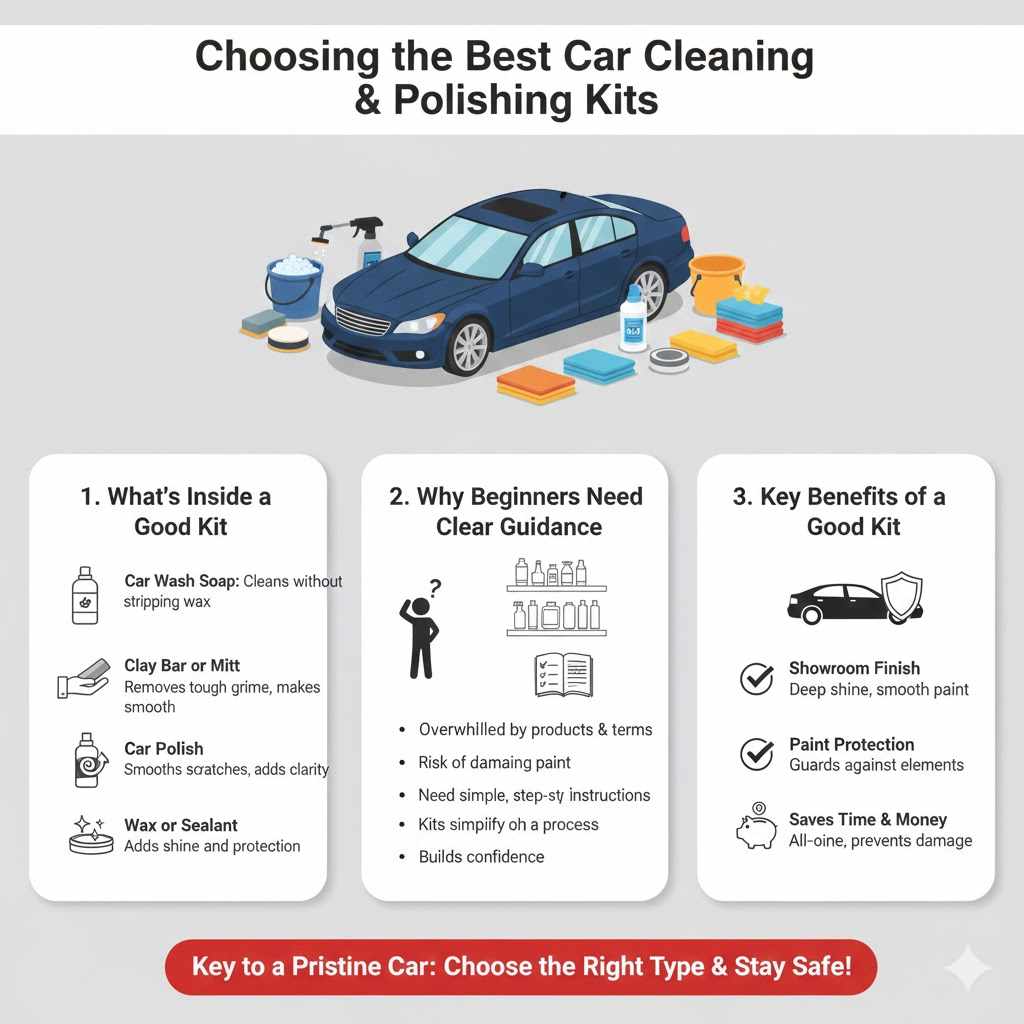
What’s Inside a Good Kit
A really good car cleaning and polishing kit usually has a few key items. You’ll often find a car wash soap that cleans without stripping away wax. There might be a clay bar or a clay mitt to remove tough grime that washing alone can’t get rid of.
Many kits include a polish that smooths out tiny scratches and makes the paint look clearer. Finally, a wax or sealant is often included to add shine and protection.
- Car Wash Soap: This is your first step to removing dirt and grime. A pH-neutral soap is best because it won’t harm any existing wax or sealant on your car’s paint. Good soaps create plenty of suds to lift dirt away from the surface, preventing scratches during the wash.
- Clay Bar or Mitt: After washing, your car’s paint might still feel rough. A clay bar or mitt gently lifts embedded contaminants like brake dust, tree sap, and industrial fallout. This makes the paint surface incredibly smooth, which is essential before polishing.
- Car Polish: Polish works to correct minor paint imperfections. It contains very fine abrasives that level out swirl marks, light scratches, and oxidation. Polishing brings out the depth and clarity of the paint, making it look much brighter.
- Wax or Sealant: The final step adds a protective layer. Wax, often made from carnauba, gives a deep, warm shine. Sealants are synthetic and tend to last longer, providing durable protection against the elements like UV rays and rain.
Why Beginners Need Clear Guidance
For someone new to car care, the sheer number of products and techniques can be overwhelming. It’s easy to get confused by terms like “swirl marks,” “oxidation,” and “sealant.” Without clear instructions, you might use the wrong product or technique, which could accidentally damage your car’s paint instead of improving it. This is why finding a kit with easy-to-follow steps is so important for beginners.
It takes the guesswork out and helps you build confidence.
When you’re just starting, you want a kit that simplifies the process. A kit that offers a step-by-step guide makes a huge difference. You can follow along without feeling lost.
This way, you learn the right way to clean and polish your car from the beginning. It helps you achieve great results right away and sets you up for success in keeping your car looking fantastic.
Top Car Cleaning & Polishing Kits on the Market
There are many excellent car cleaning and polishing kits available, catering to different needs and budgets. Some are designed for a quick, easy shine, while others offer more advanced features for enthusiasts. We’ll look at some of the top contenders, focusing on what makes them stand out and who they might be best for.
This helps you make an informed choice based on your specific situation and desired outcomes for your vehicle’s appearance.
All-In-One Convenience Kits
These kits are perfect for beginners or those who want a straightforward way to clean and protect their car. They usually combine several steps into fewer products, making the process faster. They often include a wash and wax product, a spray detailer, and sometimes a tire shine.
They are great for quick touch-ups and maintaining a clean look between more intensive detailing sessions.
- Meguiar’s Ultimate Car Wash & Wax Kit: This kit is a popular choice for its ease of use and good results. It typically includes a wash and wax soap that cleans and adds a layer of protection in one go. It also often comes with a microfiber drying towel and a detailer spray for quick touch-ups. This kit is great for regular maintenance.
- Chemical Guys Mr. Pink Wash & Shine Kit: Known for their vibrant branding and quality products, Chemical Guys offers kits that are both effective and enjoyable to use. This kit might include their popular Mr. Pink Super Suds Shampoo, a wash mitt, and a microfiber drying towel. It’s designed to deliver a brilliant shine and a smooth finish with minimal effort.
These kits are designed for people who don’t have a lot of time but still want their car to look good. They often contain products that multitask. For example, a wash and wax soap cleans the car and leaves a protective layer of wax behind.
This saves you the step of waxing separately. They are a practical solution for busy car owners.
Prosumer Level Kits for Deeper Cleaning
For car owners who want to go beyond a basic wash and wax, these kits offer more specialized products for a deeper clean and better finish. They often include separate items for each stage: a dedicated shampoo, a clay bar or mitt, a polishing compound, and a high-quality wax or sealant. These kits require a bit more time and effort but yield significantly better results, addressing minor imperfections in the paint.
Clay Bar and Polish Explained
A clay bar is a synthetic modeling clay used in automotive detailing. When you wash your car, some contaminants, like industrial fallout, tree sap, and tar, can bond to the paint surface and become embedded. These contaminants cannot be removed by washing alone and often feel like sandpaper on the paint.
A clay bar, when used with a lubricant, glides over the paint surface and lifts these embedded particles away, leaving the paint incredibly smooth and clean. This process is crucial before applying any polish or wax.
Car polish is a liquid or cream compound that contains very fine abrasives. Its purpose is to remove minor paint imperfections such as swirl marks (fine circular scratches), light scratches, oxidation (dullness caused by UV rays), and water spots. When you rub the polish onto the paint, these tiny abrasives gently abrade the clear coat, leveling out the imperfections and restoring clarity and gloss to the paint.
Polishing makes the paint look smoother and more reflective.
Using a clay bar and polish together is a two-step process that dramatically enhances the appearance of your car’s paint. First, the clay bar cleans the surface at a microscopic level, removing all bonded contaminants. Then, the polish smooths out any imperfections that remain.
This combination prepares the paint perfectly for a protective layer of wax or sealant, ensuring a long-lasting shine and optimal protection against the elements. It’s a key step for achieving a professional-level finish.
- Griot’s Garage Best of Show Kit: This kit often includes a high-quality car wash, a paint cleaner that’s like a light polish, a car wax for deep shine, and premium microfiber towels. It’s aimed at those who want excellent results and are willing to spend a bit more time on their car. The products are known for their effectiveness and ease of use.
- Adam’s Polishes Swirl Killer Kit: While this might be more of a system than a single kit, Adam’s offers comprehensive packages that include everything from their “Swirl Killer” polisher to various compounds, polishes, waxes, and applicators. This is for the serious enthusiast looking to correct paint defects and achieve a flawless finish.
DIY vs. Pre-Packaged Kits
Deciding whether to build your own cleaning arsenal or buy a pre-packaged kit involves weighing convenience against customization. Pre-packaged kits offer a curated selection of products that are usually designed to work well together, providing a complete solution for a specific task, like cleaning and polishing. They are often more budget-friendly for beginners as they bundle essential items.
Building your own kit, however, allows you to select individual products based on your specific preferences, vehicle type, and desired finish. This offers more control and can lead to superior results if you know what you’re looking for.
For instance, a beginner might find a pre-packaged kit with a wash, wax, and microfiber towels to be the easiest way to start. They get everything needed without needing to research each item separately. On the other hand, someone with a dark-colored car might prefer to build their own kit by selecting a specific polish designed for dark paint and a high-quality carnauba wax known for its deep gloss, rather than relying on a generic all-in-one product.
How to Use a Car Cleaning & Polishing Kit
Using a car cleaning and polishing kit properly is key to getting that showroom shine. It’s a multi-step process, but each step is designed to build on the last for the best possible outcome. Following these steps will ensure you protect your car’s paint while making it look its absolute best.
Don’t rush; taking your time will make all the difference in the final result.
Step-by-Step Cleaning and Polishing Process
The typical process involves washing the car, decontaminating the paint, polishing, and then protecting it. Each step is crucial for achieving a flawless finish. If you skip a step, you might not get the results you want, or you could even damage the paint.
So, follow this guide carefully, and your car will look amazing.
Wash the Car Thoroughly
Start by washing your car in a shaded area to prevent the soap from drying too quickly. Use a good quality car wash soap and a clean wash mitt. Work from the top of the car down, rinsing your mitt frequently in a separate bucket of clean water to avoid transferring dirt back onto the paint.
Rinse the car thoroughly to remove all soap residue.
Decontaminate the Paint (Clay Bar/Mitt)
After washing, the paint might still feel rough due to bonded contaminants. Use a clay bar or clay mitt with a dedicated clay lubricant. Spray the lubricant onto a small section of the paint and gently glide the clay bar over the surface.
You’ll feel the clay grab as it picks up contaminants. Fold the clay bar as it gets dirty and keep it lubricated. Wipe the section dry with a clean microfiber towel.
This step makes the paint surface incredibly smooth.
Polish the Paint
This step removes minor imperfections like swirl marks and light scratches. Apply a small amount of car polish to an applicator pad. Work on one section of the car at a time, using moderate pressure and overlapping strokes.
If you’re using a machine polisher, follow its specific instructions. Wipe off the polish residue with a clean microfiber towel before it dries. You should see a noticeable improvement in clarity and gloss.
Apply Wax or Sealant
This is the final protective layer. Apply a thin, even coat of wax or sealant using a foam applicator or microfiber applicator pad. Work in small sections, using overlapping, straight-line motions or a circular motion depending on the product instructions.
Allow the wax or sealant to haze over for the time recommended by the manufacturer. Then, buff off the residue with a clean, soft microfiber towel until a high shine is achieved.
Clean and Protect Other Areas
Don’t forget other parts of your car! Use a separate tire cleaner and protectant to give your tires a clean, black look. Clean the windows with a good glass cleaner and a dedicated glass towel for a streak-free finish.
Clean and condition any plastic or rubber trim to restore its color and protect it from fading.
Using Microfiber Towels Effectively
Microfiber towels are essential for car cleaning and polishing. They are soft, absorbent, and won’t scratch paint when used correctly. It’s important to have different towels for different tasks.
For example, use one type for washing, another for drying, and a third for buffing off polish and wax. Always wash microfiber towels separately from other laundry using a mild detergent and avoid fabric softener, which can clog the fibers and reduce their effectiveness. Air drying is often best to preserve the towel’s quality.
When drying your car, a plush microfiber drying towel is ideal. It can soak up a lot of water quickly without scratching the paint. For buffing off polishes and waxes, you’ll want a softer, less plush towel, often referred to as a “buffing towel.” These are designed to gently lift away product residue without leaving streaks.
Using clean towels for each step is paramount to avoiding scratches and achieving a spotless finish.
Common Mistakes to Avoid
One of the most common mistakes beginners make is washing their car in direct sunlight. This causes the soap and water to dry too quickly, leaving water spots and streaks on the paint. Another mistake is using dirty wash mitts or towels, which can introduce scratches and swirl marks.
Over-polishing or using too much pressure can also damage the paint. Always follow product instructions and use a light touch.
Another pitfall is expecting too much from a single product. While all-in-one products are convenient, they often don’t perform as well as dedicated products. For example, a wash-and-wax soap won’t provide the same depth of shine or durability as a separate polish and wax application.
Also, neglecting the clay bar step means you’re polishing over embedded contaminants, which can cause scratches.
Enhancing Your Car’s Shine with Polishing
Polishing is a vital step in achieving a truly stunning finish for your car. It goes beyond simple cleaning to actually improve the appearance of the paintwork. By using the right polishing techniques and products, you can remove imperfections and bring out a deep, vibrant shine that makes your car stand out.
It’s about restoring the paint’s original beauty and making it look as good as new, if not better.
Understanding Paint Correction
Paint correction is the process of removing defects from your car’s clear coat. These defects include swirl marks, light scratches, oxidation, and holograms. When these are removed, the paint surface becomes smooth and flat again.
This allows light to reflect off the paint evenly, creating a much deeper gloss and making the color appear more vibrant. It’s like sanding down and repainting a piece of furniture, but on a microscopic level with specialized chemicals and tools.
There are different levels of paint correction. Light correction might involve just a single polishing step to remove minor swirls. Heavy correction can involve multiple stages of compounding (using more abrasive products) and polishing to remove deeper scratches.
The goal is always to restore the clearest, most reflective surface possible. This process can take a significant amount of time and skill, especially if done by hand.
Types of Car Polishes
Car polishes come in various formulations, generally categorized by their abrasiveness. Cutting compounds are the most aggressive, designed to remove deep scratches and heavy oxidation. They should be used with caution and often require follow-up with finer polishes.
Polishing compounds are less aggressive than cutting compounds and are ideal for removing moderate swirl marks and restoring gloss. Finally, finishing polishes are the least abrasive and are used to remove any minor hazing left by more aggressive polishes, leaving the paint with a mirror-like finish.
Some polishes are designed for use with a machine polisher, while others can be applied by hand. Machine polishers, like dual-action (DA) or rotary polishers, can make the process faster and more effective, especially for larger areas or more significant paint defects. However, they also require more skill to use correctly.
Hand polishing is more labor-intensive but is a great option for beginners or for spot-treating small areas.
The Role of Buffing Pads
Buffing pads are the applicators that hold and spread the polish onto the paint surface. They are typically made of foam, wool, or microfiber, and come in different densities and firmness levels. Foam pads are common and vary in aggressiveness.
For example, a firm foam pad might be used with a cutting compound, while a softer foam pad is used with a finishing polish. Wool pads are generally more aggressive and are used with compounds for heavy defect removal. Microfiber pads offer a good balance of cutting and finishing capabilities.
The correct pad selection is as important as the polish itself. Using a pad that is too aggressive can cause more damage, while a pad that is not aggressive enough might not effectively remove the defects. It’s essential to match the pad to the polish and the severity of the paint defects you are trying to address.
Many detailing kits will suggest specific pads to use with their polishes.
Protecting Your Car’s Finish Long-Term
Once you’ve cleaned and polished your car to perfection, the final and perhaps most crucial step is protecting that beautiful finish. Applying a quality wax, sealant, or ceramic coating creates a barrier that shields your car’s paint from the elements, making it easier to clean and keeping it looking glossy for longer. This protection is what maintains the results of your hard work against daily wear and tear.
Wax vs. Sealant vs. Ceramic Coating
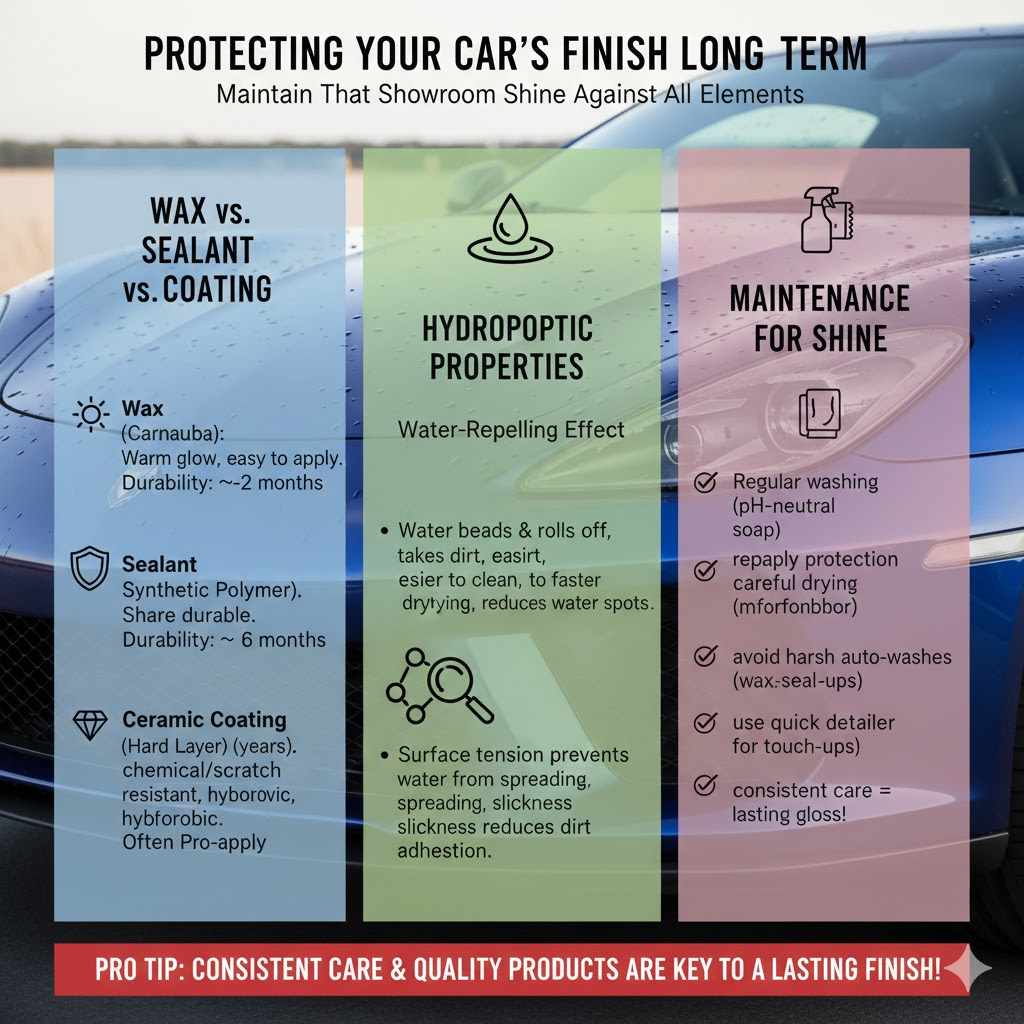
Each type of paint protection offers different levels of durability, shine, and ease of application. Car waxes, often made from natural carnauba, provide a deep, warm glow and are relatively easy to apply and remove. However, they typically last only a few weeks to a couple of months.
Paint sealants are synthetic polymer-based products that offer more durability than wax, usually lasting from 3 to 6 months. They tend to provide a sharper, more reflective shine. Ceramic coatings are the most durable option, forming a hard, semi-permanent layer of protection that can last for years.
They offer excellent resistance to chemicals, UV rays, and minor scratches, creating a slick, hydrophobic surface.
When choosing, consider how often you want to reapply and the level of protection you need. For regular enthusiasts, a good quality wax or sealant might be sufficient. For those who want long-lasting protection with minimal upkeep, a ceramic coating is the best choice, although it often requires professional application or more advanced DIY skills.
Hydrophobic Properties Explained
Hydrophobic means “water-repelling.” When a car’s paint is hydrophobic, water beads up and rolls off the surface easily, taking dirt and grime with it. This is a key benefit of using waxes, sealants, and especially ceramic coatings. A hydrophobic surface makes washing your car much easier because the dirt doesn’t stick as tenaciously.
It also helps the car dry faster and reduces the chances of water spots forming after washing.
This water-repelling effect is due to the chemical structure of the protective layer. The molecules in these products create a surface tension that causes water to form tight beads rather than spreading out thinly. This is the same principle that makes a non-stick frying pan work.
The slickness also reduces friction, making it harder for contaminants to adhere to the paint.
Maintenance for Long-Term Shine
Regular maintenance is key to keeping your car’s paint looking its best. This includes routine washing with pH-neutral soaps, drying carefully with microfiber towels, and reapplying your chosen protection every few months, depending on the product. Avoiding automatic car washes with harsh brushes can also prevent new scratches from forming.
Even after applying a ceramic coating, regular washing is still necessary to keep the surface clean and maintain its hydrophobic properties.
Consider using quick detailer sprays between washes to remove light dust or bird droppings. These sprays add a bit of shine and protection. If you notice a decrease in water beading, it’s a sign that your protection layer is starting to wear down and it’s time to reapply wax or sealant.
Consistent care will ensure your car retains its brilliant shine for years to come.
Frequently Asked Questions
Question: What is the difference between car wax and car sealant
Answer: Car wax, often made from natural carnauba, gives a warm shine and is easy to apply but lasts only a few months. Car sealant is synthetic, lasts longer (3-6 months), and provides a sharper shine.
Question: Can I polish my car without a machine
Answer: Yes, you can polish your car by hand using an applicator pad. It takes more effort and time, but it’s effective for removing minor imperfections and achieving a good shine.
Question: How often should I wash my car
Answer: Washing your car once every one to two weeks is generally recommended. This helps prevent dirt and grime from bonding to the paint and causing damage over time.
Question: What are swirl marks
Answer: Swirl marks are tiny circular scratches in the clear coat of your car’s paint, often caused by improper washing or drying techniques. Polishing removes them by leveling the clear coat.
Question: Are ceramic coatings worth the cost
Answer: Ceramic coatings offer long-lasting protection (years) and excellent hydrophobic properties, making them easier to clean. For many, the durability and ease of maintenance make them a worthwhile investment.
Summary
Choosing the Best Car Cleaning & Polishing Kits Reviewed means finding products that suit your needs and skill level. From beginner-friendly wash and wax kits to pro-level correction systems, there’s a solution for everyone. Remember to wash, decontaminate, polish, and protect for the best results.
With the right tools and techniques, you can easily maintain a stunning, like-new finish for your car.