Does Insurance Cover Car Seat Replacement After an Accident?
Yes, most auto insurers will pay to replace your car seat if it was installed and in use during a covered accident, especially one where the airbags deployed or the crash meets the federal “moderate to severe” threshold.
That coverage almost always comes from your comprehensive or collision protection, not liability insurance, and many insurers will pay out even when the seat has no visible cracks, since the internal foam and plastic can still be compromised. California and Illinois are the only two states that legally require insurers to cover it. Everywhere else, whether you get reimbursed depends entirely on your specific policy, so it is worth reading the fine print before you assume either way.
How Car Seat Insurance Coverage Works
BEST BUDGET REPLACEMENT SEAT
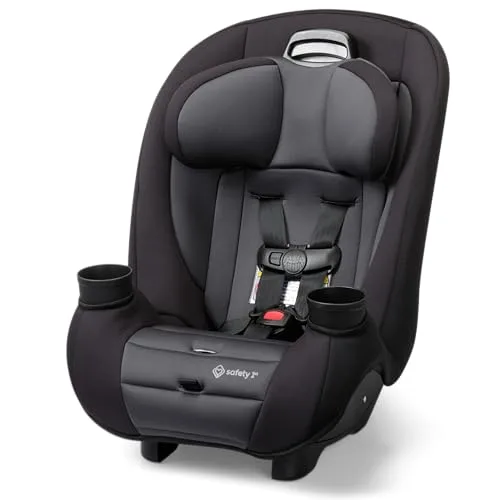 |
Safety 1st Ellaris 3-in-1 Convertible Car Seat – $99.99 If your insurer denies the claim or your deductible costs more than a new seat, this is a solid, affordable replacement that still rear-faces, forward-faces, and converts to a booster.
|
A car seat is not just a piece of fabric and plastic bolted to your back seat. It is a safety device engineered to absorb crash forces, and that means the parts of it you cannot see, the energy-absorbing foam, the plastic shell, the harness webbing, do most of the actual protecting. Once any of that has taken an impact, the seat can no longer guarantee the same protection on a second crash, even if it still looks fine sitting in the car.
That is why manufacturers and safety regulators recommend replacing a car seat after most collisions rather than reusing it, and why insurers built specific language into their policies to cover the cost. The table below breaks down the three most common reasons a car seat ends up needing replacement.
| Cause | Does Insurance Usually Cover It? |
|---|---|
| Accident damage | Often, under comprehensive or collision coverage, if the crash meets the moderate-to-severe threshold |
| Everyday wear and tear | No, this is treated as normal aging, not accident damage |
| Manufacturer recall | No, the manufacturer handles recalls directly, not your insurer |
Which Type of Car Insurance Applies
Liability insurance only pays for damage you cause to someone else, their car, their medical bills, their property. It never covers anything that belongs to you, including a car seat, and most states require you to carry at least some liability coverage by law. If liability is the only coverage on your policy, a car seat replacement claim simply is not an option.
Comprehensive and collision coverage are where car seat replacement actually lives. Collision pays for damage from a crash with another vehicle or object, while comprehensive pays for non-crash losses like theft, fire, or vandalism. Both are optional add-ons rather than legal requirements, so if you carry only the state minimum, check whether either of these is actually on your policy before you count on this protection.
When Insurance Actually Covers Replacement
The National Highway Traffic Safety Administration defines a crash as minor, and therefore not one that requires a new car seat, only if every one of these five conditions is true: the vehicle could be driven away from the scene, the door nearest the car seat was not damaged, no one in the vehicle was hurt, the airbags did not deploy, and the seat shows no visible damage. If even a single one of those fails, NHTSA classifies it as a moderate-to-severe crash, and most manufacturers and insurers treat that as grounds for replacement.
Airbag deployment is the single biggest trigger insurers look for, since it signals the vehicle’s crash sensors detected serious deceleration force. Some insurers will approve a car seat claim the moment airbags deployed or there is damage on the same side of the car as the seat, even if the seat itself looks untouched. Others set a higher bar and only pay out for a moderate or severe crash. Either way, do not assume a lack of visible cracks means your claim will be denied, and do not assume airbag deployment guarantees an automatic payout either. Confirm the exact trigger your specific insurer uses.
Theft and vandalism are also typically covered, but only under comprehensive coverage. If someone breaks into your car and steals or damages the seat, file that claim the same way you would any other comprehensive loss.
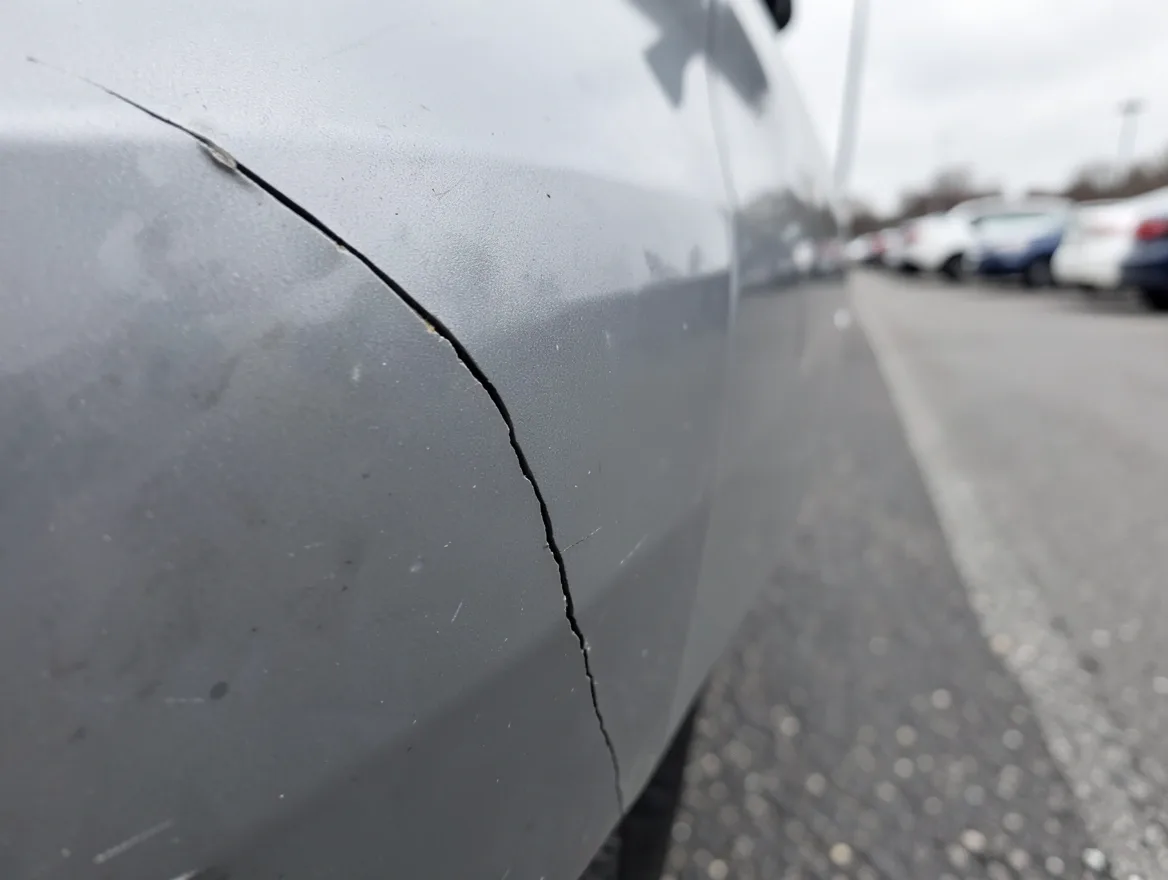
Exceptions and Limitations
Coverage for car seat replacement is not unconditional. Insurers write specific exclusions into their policies, and the two that trip people up most often are wear and tear and policy-specific limits.
Wear and Tear
Insurance does not cover a car seat that is simply old or worn out from years of normal use. Fading fabric, a stiff buckle, or a stained cover are maintenance issues, not accident damage, and no insurer will reimburse you for replacing a seat on those grounds. Inspect your seat regularly and replace it on your own schedule if it is showing its age, separate from any accident claim.
Policy-Specific Limitations
Every insurer writes its own rules into the fine print. Some cap the reimbursement amount at a set dollar figure regardless of what a new seat actually costs. Others require the seat to have been properly installed and in active use at the moment of the crash, not sitting empty in the trunk. Call your agent and ask directly what your policy’s car seat clause says before you file, so you know what to expect.
How to File a Claim for Car Seat Replacement
Start documenting at the scene if you can do so safely. Photograph the car seat from multiple angles, note whether the airbags deployed, and get a copy of the police report if one was filed. This evidence is what your adjuster will use to decide whether the crash meets the threshold for replacement.
Call your insurance company as soon as possible and specifically mention the car seat when you report the claim, since adjusters do not always ask about it on their own. Provide your photos and documentation, answer their questions honestly, and ask upfront whether they will reimburse you directly or send you a replacement seat. Processing times vary by insurer, so ask for a timeline while you are on the phone.
Negotiating With Insurance Providers
Understanding Your Policy
Pull your actual policy documents before you call, not just the summary page. Look specifically for language about “child restraint” or “child safety seat” coverage under your comprehensive and collision sections. If the wording is unclear, ask your agent to point to the exact clause and explain it in plain terms rather than accepting a vague answer over the phone.
Effective Communication Tips
Stay factual and specific rather than emotional when you talk to your adjuster. State what happened, reference the airbag deployment or visible damage directly, and ask which of the five NHTSA minor-crash criteria your accident failed to meet. Taking notes during the call, including the date, the representative’s name, and what they told you, gives you something concrete to reference if you need to appeal a denial later.
Alternatives If Insurance Will Not Cover It
Manufacturer Warranty
Most car seats ship with a manufacturer warranty covering material and workmanship defects, typically for one to a few years from the purchase date. That warranty almost never extends to accident damage, but it is worth checking if your seat had an unrelated defect, like a broken buckle or a harness that will not adjust, alongside the crash.
Buying Out of Pocket
If your claim is denied or you simply cannot wait on the insurance process, buying a new seat directly is often faster than fighting an appeal. Compare prices across a few retailers, and confirm the seat you buy has not expired, since expiration dates matter for safety certification even on a brand-new purchase.
Conclusion and Final Thoughts
A damaged car seat cannot reliably protect a child in a second crash, which is exactly why insurers built replacement coverage into their comprehensive and collision policies in the first place. Whether you get reimbursed comes down to your specific policy language, the severity of the crash, and, in California and Illinois, state law that removes the guesswork entirely.
Ensuring Safety Through Coverage
Before you assume you are covered or that you are not, read your policy’s comprehensive and collision sections and call your agent with specific questions about car seat replacement. Knowing the answer before an accident happens means you are not scrambling to figure it out while also caring for a shaken child.
Future Considerations
If you regularly transport multiple children or swap car seats between vehicles, ask your agent whether adding or raising comprehensive coverage makes financial sense for your household. It is a small ongoing cost against the price of replacing one or more seats out of pocket after an accident.
Frequently Asked Questions
Does Insurance Pay for a New Car Seat?
Yes, in most cases. If your car seat was installed and in use during a collision, your comprehensive or collision coverage typically pays to replace it, even without visible damage, once you have met your deductible. Confirm the specifics with your insurer, since some require airbag deployment or a moderate-to-severe crash before they will pay.
Do Insurance Companies Have to Replace Car Seats After an Accident?
Not automatically. Replacing a car seat is not mandatory nationwide, it usually falls under optional comprehensive or collision coverage, so if you only carry liability insurance, you will not have this protection at all. California and Illinois are the exceptions, where state law requires insurers to cover it.
What States Require Insurance to Replace Car Seats?
California (Insurance Code Section 11580.011) and Illinois (215 ILCS 5/143.32) are the only two states that legally require auto insurers to cover child car seat replacement after a covered accident. Everywhere else, coverage depends entirely on your policy’s comprehensive and collision terms.
Will Insurance Cover an Expired Car Seat?
Usually not. Most insurers exclude a car seat that had already passed its manufacturer expiration date at the time of the crash, since that is treated as normal wear rather than accident damage. Check the expiration date molded into your seat’s shell, see our guide on how long a car seat lasts before it expires, before you assume a claim will be approved.
What Counts as a Moderate or Severe Crash for Car Seat Replacement?
NHTSA defines a crash as minor, and safe to skip replacement, only if all five conditions are met: the vehicle could be driven away, the door nearest the car seat was not damaged, no one was injured, the airbags did not deploy, and the seat itself shows no visible damage. If even one of those is not true, it counts as a moderate-to-severe crash, and most insurers and manufacturers recommend replacement. If you are also weighing whether your policy needs broader protection, our guide on medical payments coverage on car insurance covers a related decision worth making at the same time.
Products related to this article
Sponsored / affiliate links. As an Amazon Associate I earn from qualifying purchases. I may earn additional commission from eligible campaigns.
 FLORICH Leather Seat Cover, Car Seat Covers Front Set, Waterproof Car Seat Protectors, Front Seat Covers 2 Pack, Breathable Automotive Seat Covers Protector Fit for Most Cars Trucks SUV
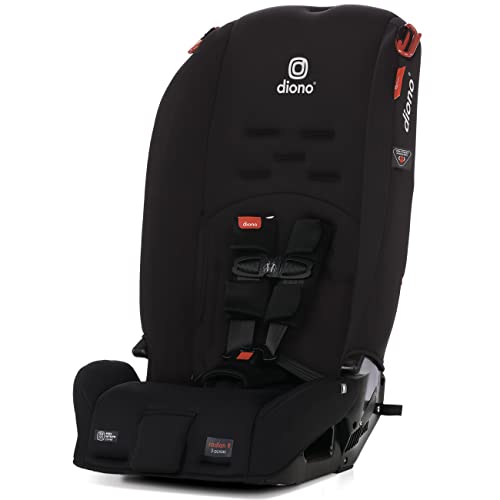 Diono Radian 3R, 3-in-1 Convertible Car Seat, Rear Facing & Forward Facing, 10 Years 1 Car Seat, Slim Fit 3 Across, Jet Black