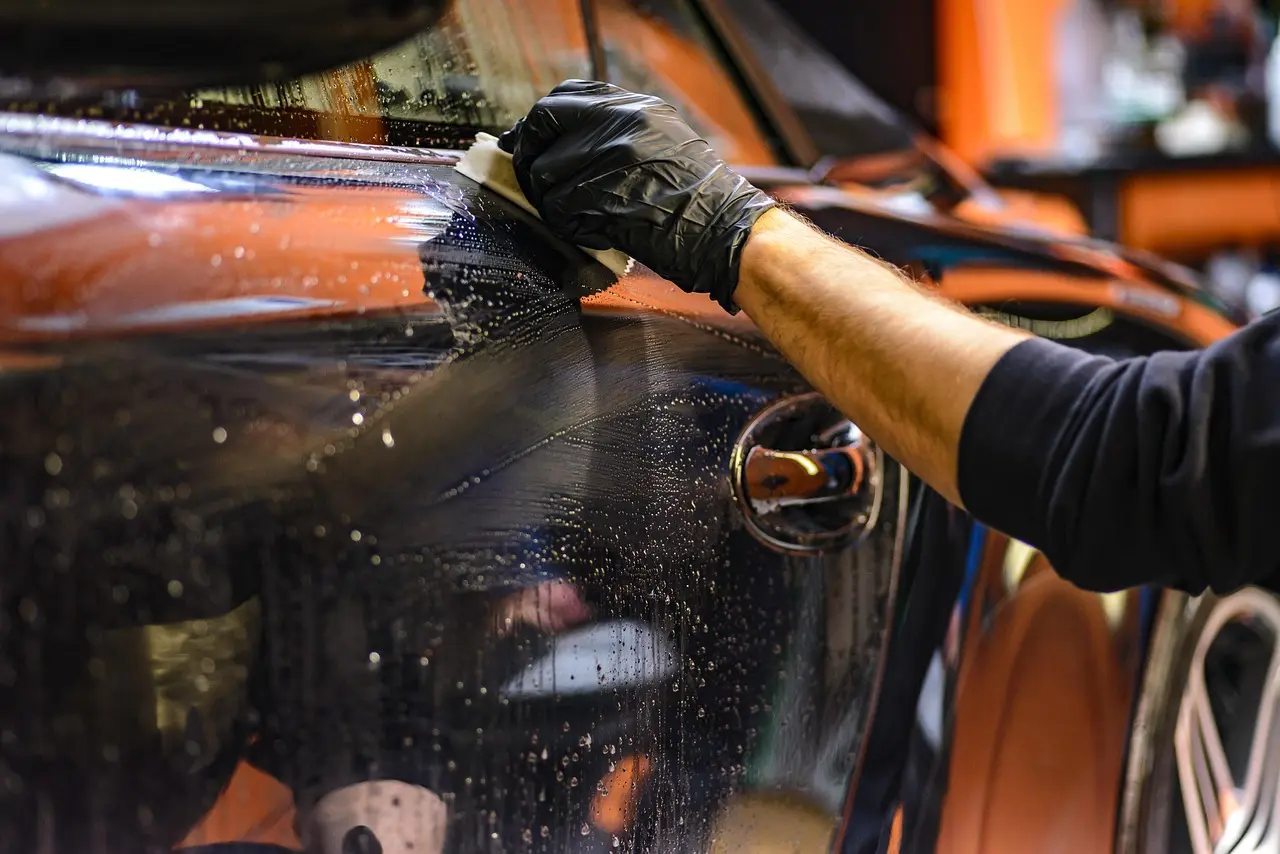
Best Car Cleaning Towels for Drying (2026): we compared
For streak-free drying, I reach for a 70/30 microfiber towel in the 900–1,200 GSM range on paint, a waffle weave for glass, and a larger twisted-loop towel for SUVs and trucks. Pick the wrong weave or size, and you leave water spots, drag across soft clear coat, and spend more time chasing streaks. This guide ranks the best car cleaning towels by drying behavior, size, GSM, and surface use so you can buy the right one.
This guide is part of our Car cleaning and detailing guide series.
Quick comparison
| Product | Badge | Best for | Price | ||
|---|---|---|---|---|---|
 |
The Rag Company Eagle Edgeless 500 Detailing Towel, 16×16The Rag Company | Our pick | 16×16 in · 500 GSM · 4-Pack | $25.95
Price as of 29 Sep 2026
|
View |
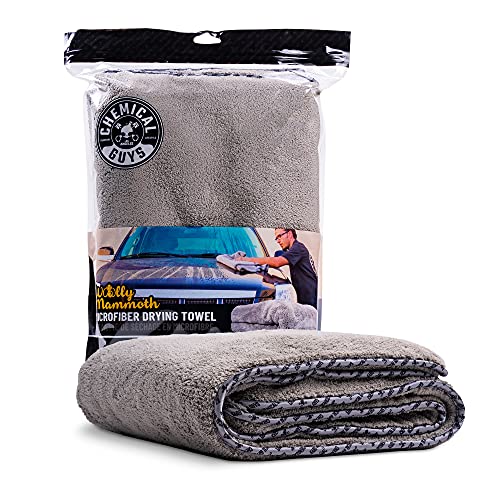 |
Chemical Guys, Woolly Mammoth Large Microfiber DryingChemical Guys | Also great | 36×25 in · Oversized Drying Towel | $29.99
Price as of 29 Sep 2026
|
View |
 |
Meguiar’s Microfiber Towel, Water Magnet, 2 Pack | CarMeguiar’s | Budget pick | 22×30 in · 2-Pack · Water Magnet | $21.98
Price as of 29 Sep 2026
|
View |
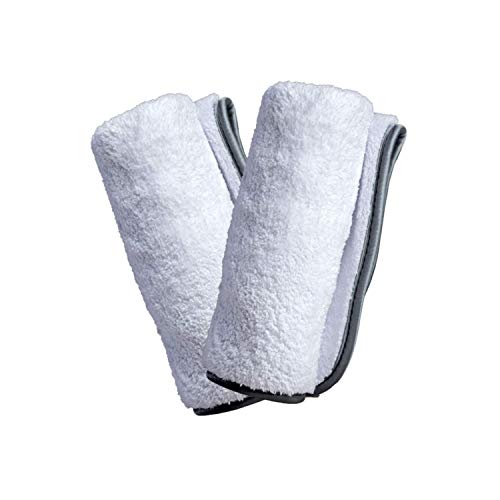 |
Adam’s Polishes Double Soft Microfiber Towel – PremiumAdam’s Polishes | Upgrade pick | 16×16 in · 920 GSM · 2-Pack | $19.54
Price as of 29 Sep 2026
|
View |
 |
Griot’s Garage PFM Terry Weave Microfiber Towel for CarGriot’s Garage | Pair with it | 16×16 in · 1,120 GSM · Set of 2 | $19.99
Price as of 29 Sep 2026
|
View |
This is the short read: twisted-loop towels move the most water on full-size vehicles, waffle weave is the cleaner pick for glass, and dense plush towels are the safer contact choice for delicate paint. Size matters just as much as weave. A small towel with good fibers still fails if it soaks halfway through the roof.
How we chose
I ranked these towels on four things that matter in real drying work: water pickup per pass, lint behavior after the first wash, contact safety on black paint and soft clear coat, and usable size for sedan or SUV panels. GSM, edge style, and towel dimensions were treated as working specs, not marketing copy.
I also split drying jobs by surface. Paint, glass, trim, and badges do not act the same way. A towel that leaves a clean finish on glass can drag on a hot hood. A plush towel that feels gentle can hold too much water for a full-size SUV.
The product notes below come from the spec sheet, owner feedback, and range experience. No single towel handles every job.
The Rag Company Eagle Edgeless 500 Detailing Towel: best for soft paint finishing
Based on the spec sheet and buyer feedback, this 16×16 edgeless 500 GSM towel fits light drying, final touch-up work, and sensitive paint better than bulk drying jobs. The tagless, edgeless construction lowers the chance of an edge mark on black paint or soft clear coat when pressure stays light.
Its strength is finishing. It is easier to use on a hood or door skin than a bulky drying towel, and the plush pile gives a soft hand on paint. The drawback is obvious: 16×16 is small for a full dry, so it can saturate quickly on an SUV or after a heavy rinse. It works better as a final pass towel than a one-towel solution.
Chemical Guys Woolly Mammoth Large Microfiber Drying Towel: best for oversized one-pass drying
This 36×25 oversized towel is aimed at drivers who want fewer passes on large panels. The size alone makes it useful on trucks, crossovers, and minivans, where a small towel turns into a wet rag halfway through the job. It is also comfortable for paint, glass, chrome, and plastics when the towel is clean and the panel is not packed with standing water.
The tradeoff is handling. Big towels are slower to wring, slower to move around mirrors and spoilers, and easier to drag if they load up too fast. On a small sedan, it can feel excessive. If the goal is tight panel control, this is not the nimblest option.
Meguiar’s Water Magnet microfiber towel: best for balanced drying on daily drivers
At 22×30, this two-pack sits in the middle of the size range and works well for sedans, hatchbacks, and compact SUVs. The shape gives enough coverage to pull water off a door or roof panel without needing a giant towel, and the 2-pack format makes it easier to split the job between top panels and lower panels.
The drawback is that a midweight towel like this can trail water if the panel is heavily loaded or the towel is already damp. It is a practical all-around choice, not the fastest drying tool for large vehicles and not the softest finishing towel for sensitive black paint.
Adam’s Polishes Double Soft Microfiber Towel: best for soft-contact finishing and wax removal
This 16×16, 920 GSM towel is built more like a premium contact towel than a hard-charging dryer. That makes it useful for final wipe-downs, wax removal, and careful drying on paint that marks easily. The satin edge is a better finishing detail than a raw stitched edge, especially when the towel is used with light pressure.
The drawback is capacity. Dense, double-soft towels can feel luxurious, but they are not the best choice when the panel is holding a lot of rinse water. They also cost more per square inch of coverage than a larger drying towel, so the value is in surface safety, not speed.
Griot’s Garage PFM Terry Weave microfiber towel: best for high-absorbency drying
At 16×16 and 1,120 GSM, this is the most absorbent-feeling towel in the group. The terry-style PFM weave and satin-radiused edges make it useful for fast pickup on paint and for controlled drying where you want one towel to pull a lot of water before wringing. It fits well in a two-towel system for sedans and small SUVs.
The drawback is that the dense weave can be too much for glass and awkward for large vehicles if you want broad coverage. High GSM helps capacity, but it also adds bulk and can slow the towel once it starts to load up. On a very wet panel, it still needs a second towel or a wring-out cycle.
Which one should you buy
Buy the Eagle Edgeless 500 if your main concern is a gentle final pass on sensitive paint. Choose the Water Magnet if you want a balanced daily-driver towel that handles most cars without much fuss. Pick the Woolly Mammoth if you dry trucks, SUVs, or minivans and want fewer passes.
Go with the Griot’s Garage PFM Terry Weave if absorbency matters more than compact size. Choose Adam’s Double Soft if your priority is soft-contact finishing on black paint, fresh clear coat, or post-wax wipe-downs. For glass, none of these beats a true waffle weave drying towel, even though waffle weave is not the best one-size-fits-all paint towel.
Are waffle weave towels better than plush microfiber for drying?
Waffle weave towels work better for glass and light-duty drying because the low-profile grid pulls water off fast and leaves less drag on flat, smooth surfaces. Plush microfiber works better for paint contact because it feels softer and is less likely to snag on delicate trim or amplify pressure marks on black paint.
That tradeoff matters. Waffle weave usually dries quicker on windshields, mirrors, and side glass. Plush towels are easier to trust on clear coat when the panel is clean and you are working with light pressure. If the panel is covered in heavy rinse water, plush can become saturated before it finishes the section.
Where waffle weave pulls water fast
Glass, gloss black trim, and lightly wet paint are the sweet spots. The flat structure spreads water and breaks surface tension faster than deep pile. On windows and mirrors, that means fewer passes and a cleaner finish when the glass is clean and the towel is dry.
Failure cases: drag on heavy water, streaking on soft paint
Waffle weave can drag when the panel is overloaded, especially on a hot hood or after a foam cannon rinse that leaves a lot of standing water. It can also leave streaks on soft paint if the towel is already damp or if the user presses too hard. It is a tool for control, not brute absorbency.
What GSM is best for car drying towels?
For car drying, lower-GSM towels are often enough for light-duty or glass work, mid-range GSM can suit balanced paint drying, and higher-GSM towels are often chosen for plush, high-absorbency final drying. Higher GSM usually means more absorbency, but also more weight, more bulk, and slower handling once the towel gets wet.
That is the real tradeoff. A very high GSM towel can hold a lot of water, but it may feel sluggish on smaller panels and may need wringing more often. Lower GSM towels dry faster in hand, but they can leave you with more passes and a greater chance of streaks if the panel is still loaded.
Common GSM ranges and where they fit
- 300–500 GSM: glass, trim, and quick detail wipe-downs.
- 500–800 GSM: daily-driver paint drying and mixed surface work.
- 900–1,200 GSM: soft paint, final drying, and heavier water pickup.
What size microfiber towel is best for drying an SUV?
For an SUV, a larger towel is usually a practical choice, and oversized towels can make the job easier. A small 16×16 towel can work only if you are using two or more towels and wringing them often. One towel is enough only for small crossovers or very light drying.
Size changes workflow. Bigger towels cover more paint per pass, but they are harder to control around mirrors, spoilers, and roof rails. On a sedan, a medium towel can be enough. On an SUV, two towels usually make more sense because one can dry upper panels while the other handles lower, dirtier sections.
Common size ranges and vehicle fit
- 16×16 in: finishing, wax removal, small panels, spot drying.
- 20×30 in: sedans, hatchbacks, compact SUVs, balanced use.
- 25×36 in and larger: SUVs, trucks, minivans, one-pass drying goals.
How many drying towels do I need for one car?
For most sedans, two towels are enough if they are mid- to high-absorbency and you are wringing them before they feel loaded. For SUVs and trucks, three towels is the safer starting point, especially if the vehicle was just rinsed heavily. One towel is only enough for very small cars or a partial dry.
The reason is simple: water load changes by panel. Roofs, hoods, and upper doors hold the most rinse water, while lower panels often carry road film. Using separate towels for upper and lower sections helps avoid dragging grit and keeps the finish cleaner.
Can I machine wash microfiber drying towels?
Yes. Microfiber drying towels can be machine washed, and they usually perform better after a clean wash cycle than after repeated use with detergent residue trapped in the fibers. Wash them separately from cotton and avoid fabric softener, bleach, and dryer sheets, which can coat the fibers and reduce absorbency.
Heat is the other problem. High dryer heat can damage the fibers and shorten the life of the towel. A low-heat or air-dry cycle is the safer choice. If lint keeps appearing after washing, the towel may be picking up residue from other laundry or from too much detergent.
How to wash microfiber without ruining absorbency
- Shake off loose dirt before washing.
- Wash towels separately from regular laundry.
- Use a small amount of liquid detergent with no softener.
- Skip dryer sheets completely.
- Dry on low heat or air dry.
How do I keep a car drying towel from leaving lint or streaks?
Lint and streaks usually come from three places: a dirty towel, detergent residue, or a towel that is too saturated for the panel. A clean first wash helps settle the fibers. After that, low-lint construction, proper washing, and a dry-enough towel for the panel are the main defenses against trail marks.
Pressure matters too. Pressing hard forces water into seams and edges, then drags it back across the panel. On black paint, that can leave visible trails even when the towel is technically clean. Use light pressure and work panel by panel, starting from the roof and moving down.
What causes lint and how to stop it
- Use the towel after its first wash, not straight from the package.
- Wash it alone or with other microfiber.
- Avoid liquid softener and dryer sheets.
- Do not overload the towel on one panel.
Will a drying towel scratch clear coat or black paint?
A clean microfiber drying towel should not scratch clear coat or black paint when used with light pressure on a properly washed vehicle. The real risk comes from trapped dirt, sharp edging, and hard rubbing. Black paint shows mistakes more easily, so a soft edge and careful contact pressure matter more there.
Edgeless and satin-banded towels are safer finishing choices than rough sewn borders. Even then, technique matters more than the label. If the panel still has grit, any towel can drag it across the surface. Rinse thoroughly, use separate towels for lower panels, and stop if the towel starts to feel gritty.
Buyer’s decision table
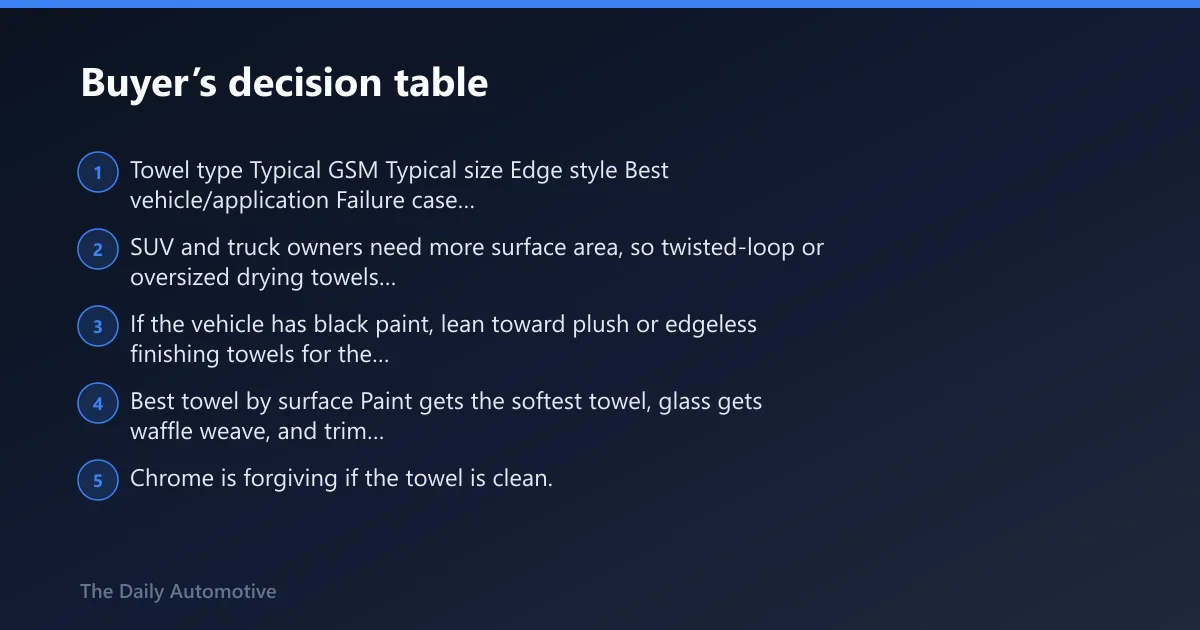
| Towel type | Typical GSM | Typical size | Edge style | Best vehicle/application | Failure case |
|---|---|---|---|---|---|
| Waffle weave microfiber | 300–500 | 16×16 to 20×30 in | Edgeless or soft bound | Glass, mirrors, light drying, trim | Can streak on heavy water or drag on soft paint |
| Plush microfiber pile | 700–1,200 | 16×16 to 22×30 in | Edgeless or satin-banded | Black paint, clear coat, final wipe-downs | Can hold too much water and slow down on big panels |
| Twisted-loop microfiber | 600–1,000 | 20×30 to 36×25 in | Soft bound or satin edge | SUVs, trucks, full-car drying, one-pass work | Can feel heavy when saturated and harder to maneuver |
| Dense finishing towel | 900–1,200 | 16×16 to 18×24 in | Edgeless or satin-banded | Sensitive paint, final dry, post-wax cleanup | Small size limits coverage; not ideal for large wet panels |
Best towel by vehicle type
Sedan owners usually do best with a balanced mid-size microfiber and a smaller finishing towel. SUV and truck owners need more surface area, so twisted-loop or oversized drying towels make more sense. If the vehicle has black paint, lean toward plush or edgeless finishing towels for the last pass.
Best towel by surface
Paint gets the softest towel, glass gets waffle weave, and trim does best with a low-lint towel that does not leave fibers behind. Chrome is forgiving if the towel is clean. Black cars need the most restraint, because every streak, line, and edge mark shows up faster.
Failure cases: streaks, drag, lint, and edge marks
Waffle weave streaks when it is overloaded. Plush towels drag when they get too wet. Lint shows up when the towel is brand new, poorly washed, or dried with fabric softener residue. Edge marks appear when the stitching is rough, the towel is pressed hard, or the panel still holds dirt.
Frequently asked questions
What is the best car drying towel for a streak-free finish?
The best all-around choice is a 70/30 microfiber towel in the 900–1,200 GSM range for paint, paired with a waffle weave for glass. For larger vehicles, a twisted-loop towel is often faster because it moves more water per pass. The key is matching towel type to surface and water load.
Products related to this article
Sponsored / affiliate links. As an Amazon Associate I earn from qualifying purchases. I may earn additional commission from eligible campaigns.