How To Remove Peeling Clear Coat From Your Car Easily
It’s a sight that can make any car owner wince: spots of the clear coat on your beloved vehicle starting to flake and peel away. It looks bad, and you might worry about permanent damage. You’re not alone in this frustration.
Many people face this issue, wondering if it’s fixable and how to do it without making things worse. This guide will walk you through understanding why it happens and, most importantly, how to tackle it step-by-step.
The most common reason for peeling clear coat is sun damage and age. Simple removal involves sanding and repainting. For a DIY approach, focus on gentle sanding and careful repainting of affected areas. Prevention is key to avoiding future peeling.
Understanding Peeling Clear Coat
Your car’s paint job is more than just color. It’s a system. The base coat is the color you see.
On top of that, there’s a clear coat. This clear layer acts like a shield. It protects the base coat from the sun’s UV rays, rain, dirt, and other road grime.
It also gives your car that deep, glossy shine we all love.
Over time, this shield can weaken. Exposure to harsh weather takes a toll. The sun’s ultraviolet (UV) rays are a major culprit.
They break down the clear coat’s protective polymers. Think of it like a sunscreen wearing off after too much sun. Water, especially acid rain or salty air from coastal roads, can also seep into tiny cracks.
This can cause the layers to separate.
Age is also a factor. Most clear coats are designed to last many years. But “many years” isn’t forever.
Eventually, they degrade. When the clear coat starts to fail, it doesn’t usually do it evenly. You’ll see patches where it looks dull, chalky, or, worst of all, like it’s coming off in sheets or flakes.
This is the peeling you’re seeing.
Why Does Clear Coat Peel? The Science Behind It
Let’s dive a bit deeper into why this happens. It’s a breakdown of the paint layers. The clear coat is the outermost layer.
It’s a type of polymer resin. This resin is tough. It’s made to be durable.
But like all things exposed to the elements, it has a lifespan.
UV Degradation: The sun’s UV rays are energetic. They can break the chemical bonds within the clear coat. This process is called photodegradation.
As these bonds break, the clear coat becomes brittle. It loses its flexibility. This makes it more prone to cracking and peeling.
Imagine plastic left out in the sun for too long; it becomes brittle and breaks easily.
Environmental Factors: Other things in the environment play a role. Bird droppings contain acids. Tree sap is sticky and can etch into the paint.
Industrial fallout can leave abrasive particles. Even regular washing with harsh chemicals or abrasive sponges can scratch the clear coat. These scratches create tiny pathways for moisture to enter.
Water Intrusion: When moisture gets under the clear coat, it can lift it from the base coat. This is like water getting under a sticker and making it bubble up and peel. The bond between the clear coat and the base coat weakens.
Eventually, gravity and road vibrations help the peeling process along.
Poor Original Application: Sometimes, the problem starts from the beginning. If the car wasn’t prepped properly before painting, or if the clear coat wasn’t applied in the right conditions (like too much humidity or dust), it might not bond well. This can lead to premature failure, even on a newer car.
Thermal Cycling: Cars experience huge temperature swings. Day to night, summer to winter. These changes cause the paint layers to expand and contract.
If there are weak spots or damage, this expansion and contraction can worsen the peeling. It’s like repeatedly bending a piece of metal; eventually, it will break.
Chemical Exposure: Spills of gasoline, oil, or harsh cleaning solvents can damage the clear coat. These chemicals can dissolve or break down the protective layer. This leaves the base coat exposed and vulnerable.
My Own “Oh No!” Moment with a Peeling Car
I remember my first car, a cherry red sedan. I loved that car. It was old when I got it, but I kept it gleaming.
Or so I thought. One sunny afternoon, I was washing it. I noticed a weird spot on the hood.
It looked like a patch of dirt that wouldn’t come off. I scrubbed a little harder.
That’s when I saw it. The “dirt” was actually the clear coat flaking off. It was like a dry, brittle skin lifting away.
Panic set in. My heart sank. It looked terrible.
I felt like I had failed my car. I had no idea what caused it or how to fix it. I spent hours online, reading forums filled with conflicting advice.
Some people said to just leave it. Others suggested harsh chemicals. I was so scared of making it worse.
The peeling was spreading. It looked like a bad sunburn on the paint. It was embarrassing.
This experience taught me a lot. It pushed me to learn about car paint. It’s how I started understanding the layers and how to care for them properly.
That frustration is what I want to help you avoid.
How to Identify Peeling Clear Coat
It’s usually pretty obvious. But sometimes it can be mistaken for other issues. Let’s look at the signs.
You’ll see patchy areas. These areas might look dull. They can also appear chalky.
Sometimes, the edge of the peeled area looks raised or rough.
Dull Spots: The shiny, glossy finish is gone. The color might still be there, but it looks flat and lifeless. This is often the first sign.
Chalky Residue: If you touch a dull spot, you might get a chalky powder on your hand. This is the broken-down clear coat. It’s like the powdery residue you see on old plastic garden furniture.
Flaking or Lifting: This is the most severe stage. You’ll see pieces of the clear coat actually lifting away from the paint underneath. It can look like scales or chips.
It often starts at edges, seams, or areas with existing damage.
Uneven Sheen: You’ll have shiny spots next to dull spots. This contrast is a dead giveaway. The transition isn’t smooth.
It looks like a map of damage on your car’s surface.
Water Spotting: If the clear coat is failing, water might not bead up properly. It can leave behind water spots that are hard to remove. These spots can etch into the weakened clear coat.
Color Fading: While the clear coat is meant to protect the color, when it fails, the UV rays can then hit the base coat. This can cause the actual paint color to fade. This is usually seen on lighter-colored cars.
The DIY Approach: Removing Peeling Clear Coat
Okay, so you’ve got peeling clear coat. Can you fix it yourself? Yes, you can.
But it takes patience. And it won’t look perfect unless you’re very skilled. The goal here is usually to remove the loose stuff.
Then, you can either respray the area or just clean it up to stop the peeling from spreading further.
Step 1: Assess the Damage. First, figure out how bad it is. Is it just a few small spots? Or is it widespread across the roof, hood, and trunk?
The more damage, the harder the DIY fix will be.
Step 2: Gather Your Supplies. You’ll need a few things. Sandpaper: Various grits. Start with something coarser, like 320 or 400 grit.
Then move to finer grits like 600, 800, 1000, and even higher (2000-3000 grit) for finishing. Masking tape: To protect areas you don’t want to sand. Rubbing alcohol or wax and grease remover: To clean the surface.
Clean microfiber towels: Lots of them. A sanding block: For even pressure. Optional: Clear coat spray or a touch-up paint kit.
This is for when you want to try and reapply a protective layer.
Step 3: Clean the Area. Wash the car thoroughly. Then, use rubbing alcohol or a wax and grease remover on the peeling spots. This gets rid of any wax, oils, or contaminants that could interfere with sanding.
Step 4: Start Sanding. This is the crucial part. You need to remove all the loose, peeling clear coat. Start with a medium-grit sandpaper (like 320 or 400).
Use a sanding block. Sand in one direction. Be gentle at first.
Your goal is to feather the edges of the peeling area. You want to blend the rough edges into the good clear coat. This stops the peeling from continuing upwards.
Keep sanding. Feel the surface. You should feel the lifted edges smoothing out.
Once you’ve removed all the loose bits and smoothed the edges, switch to finer grits. This will remove the deeper scratches from the coarser sandpaper. Move through 600, 800, 1000, and even up to 3000 grit if you plan to polish it to a shine without repainting.
Each finer grit removes the scratches left by the previous one.
Make sure you sand a bit beyond the visible peeling area. This helps to create a smooth transition. You don’t want any more edges where water can get under.
Step 5: Clean Again. After sanding, wipe the entire area down with rubbing alcohol or wax and grease remover. Use a clean microfiber towel. You want the surface to be perfectly clean for the next step.
Step 6: Decide Your Next Move.
Option A: Leave it bare. If the peeling was minor, and you’ve sanded it smooth, you can leave it as is. The base coat is still there. It won’t look great, but it stops the peeling.
This is the simplest option for small spots. Option B: Apply touch-up paint and clear coat. This is more advanced. You’d need to find a color-match kit.
Apply thin layers of paint. Then, apply thin layers of clear coat spray. This takes skill.
It’s easy to get drips or an uneven finish. * Option C: Wet Sand and Polish. If you sanded very finely (up to 3000 grit), you can try to polish the sanded area to a shine. This is difficult to get perfect.
It usually requires a buffer and polishing compounds.
Many DIYers find that removing the peeling clear coat and then applying a layer of high-quality wax or sealant is enough to protect the base coat and make it look acceptable until they can afford a professional repaint.
Infographic: Peeling Clear Coat – What Causes It?
Common Causes of Clear Coat Failure
- Sun Exposure: Constant UV rays break down paint chemicals.
- Harsh Weather: Rain, snow, and ice can chip and crack paint.
- Bird Droppings & Sap: Acidic substances eat into the clear coat.
- Poor Application: Factory or shop errors can cause weak bonding.
- Age: All materials degrade over time with exposure.
- Chemical Spills: Gas, oil, or strong cleaners damage the finish.
When to Call a Professional
For minor spots, DIY can work. But if the peeling is widespread, or if you want a factory-like finish, a professional is your best bet. Trying to fix a large area yourself can end up costing more in the long run if you mess it up.
When to get professional help:
Widespread Peeling: If large sections of your car are peeling, it’s a sign of a bigger problem. Deep Damage: If you see rust or damage to the metal underneath, you need pros. Desire for Perfection: If you want your car to look like new again.
Lack of Time or Tools: Professionals have the equipment and experience.
A body shop can properly strip the old clear coat, repair any underlying damage, and then repaint the affected panels. They can also do a full respray if the damage is too extensive.
The Cost of Repair vs. Prevention
Repairing peeling clear coat can range from a few hundred dollars for a small section to several thousand for a full repaint. This cost can be significant. This is why prevention is so important.
Taking steps to protect your car’s paint can save you money and headaches down the road.
Think of it like dental care. Regular brushing and check-ups are cheaper than fillings and root canals. Protecting your car’s paint is the same idea.
A little effort now can prevent major expenses later.
Preventing Future Clear Coat Problems
Once you’ve dealt with the peeling, you want to stop it from happening again. Prevention is key. It’s about protecting that clear coat shield.
1. Park Smart:
Shade is your friend: Whenever possible, park your car in a garage or under a carport. This shields it from direct sunlight.
Avoid trees: While shade is good, parking under trees can expose your car to sap, bird droppings, and falling branches. These can be worse than sun exposure.
2. Regular Washing:
Gentle is best: Wash your car regularly, at least once every two weeks. Use a pH-neutral car wash soap.
Avoid dish soap, as it strips wax. Use clean tools: Always use clean microfiber wash mitts and drying towels. Never use old rags or sponges, as they can hold grit and scratch the paint.
* Two-bucket method: Use one bucket for soapy water and another for rinsing your wash mitt. This prevents dirt from being transferred back onto the car.
3. Waxing and Sealing:
Apply protection: After washing and drying, apply a good quality car wax or paint sealant. Do this every 2-3 months.
Wax provides a temporary layer of protection. Sealants last longer. Ceramic coatings: For longer-lasting protection, consider a ceramic coating.
These are more durable than waxes and sealants. They offer excellent resistance to UV rays, chemicals, and light scratches. This is a bigger investment but provides superior protection.
4. Address Contaminants Quickly:
Wipe off messes: If you see bird droppings, bug splatters, or tree sap, clean them off as soon as possible. Use a quick detailer spray and a microfiber towel.
Don’t let them sit on the paint. Clay Bar Treatment: Periodically (every 6-12 months), use a clay bar. This removes embedded contaminants that washing alone can’t get rid of.
It’s a great way to decontaminate the paint before waxing or sealing.
5. Be Mindful of Washers:
Automatic Car Washes: Some automatic car washes use harsh brushes that can scratch your paint and clear coat. If you must use one, choose a “touchless” car wash.
Pressure Washers: If you use a pressure washer, keep it at a safe distance from the car. Don’t blast water directly into seams or edges.
Infographic: Quick Prevention Checklist
Keep Your Clear Coat Healthy
- Shade Parking: Garage or carport is best.
- Regular Washing: Use pH-neutral soap.
- Clean Towels: Microfiber only.
- Apply Wax/Sealant: Every few months.
- Ceramic Coat: For long-term defense.
- Prompt Cleanup: Sap, droppings, bugs.
- Clay Bar: Remove tough grime.
- Avoid Harsh Washers: Opt for touchless.
Real-World Scenarios: Where Peeling Happens Most
Certain parts of your car are more exposed than others. These are usually the first to show signs of clear coat failure. Understanding this helps you focus your prevention efforts.
The Roof: This is often the first area to go. It directly faces the sun for hours every day. It doesn’t have the benefit of air flowing over it to cool it down.
In hot climates, the heat buildup on the roof can be intense.
The Hood: Like the roof, the hood gets constant sun exposure. It also tends to get hotter due to the engine underneath. Any contaminants that land here bake on quickly.
The Trunk Lid: Similar to the hood, the trunk lid takes direct sun. It’s often less angled than the hood, so it collects more debris.
Areas Around Windows and Doors: The edges of panels, especially around windows and door frames, can be prone to peeling. Water and dirt can collect in these seams. If the seal isn’t perfect, moisture can get under the paint.
Plastic Parts: Plastic bumpers or trim pieces can also experience clear coat issues. Sometimes, the clear coat on plastic isn’t as robust as on metal panels. Also, plastic expands and contracts differently than metal, which can stress the paint bond.
What This Means for You: When is it Normal, When to Worry?
Seeing a little bit of dullness or minor flaking on a very old car (15-20+ years) might be considered normal wear and tear. It means the protective layer has done its job for a long time.
However, you should worry if:
1. It’s Happening on a Newer Car: If your car is less than 5-7 years old and you’re seeing significant peeling, it’s a concern. This could indicate a manufacturing defect or poor repair work.
You might be able to get it fixed under warranty.
2. The Peeling is Extensive: If more than 20-30% of a panel is peeling, it’s a major issue. It will be very difficult to make it look good again with DIY methods.
It also suggests the underlying paint might be compromised.
3. You See Rust: If you sand away the peeling clear coat and find rust on the metal underneath, this is a serious problem. Rust can spread quickly and weaken the car’s structure.
This requires immediate professional attention.
4. The Base Coat is Damaged: If the peeling clear coat has taken the base coat color with it, or if the base coat looks chalky and dry, the damage is deeper. This will need professional repair and repainting.
Simple Check: Run your hand over the affected area. Does it feel rough and flaky? Or does it feel smooth but dull?
If it’s smooth and dull, it’s likely just the clear coat failing. If it’s rough and you can feel edges lifting, that’s peeling. Also, check the surrounding areas for signs of lifting or chalkiness.
Quick Tips for Managing Peeling Clear Coat
If you can’t get it fixed right away, here are some things you can do to manage the situation and prevent it from getting worse:
- Keep it clean: Wash your car regularly, but gently. Avoid high-pressure washing directly on the peeling areas.
- Wax carefully: Apply a good quality wax or sealant over the entire car, including the affected spots. This can help seal the edges of the peeling areas and offer some protection to the base coat. Use a soft foam applicator and apply gentle pressure.
- Avoid harsh chemicals: Stay away from strong degreasers, tar removers, or aggressive polishes on the peeling spots. These can make the problem worse.
- Park in shade: This is crucial. Limit sun exposure to prevent further degradation.
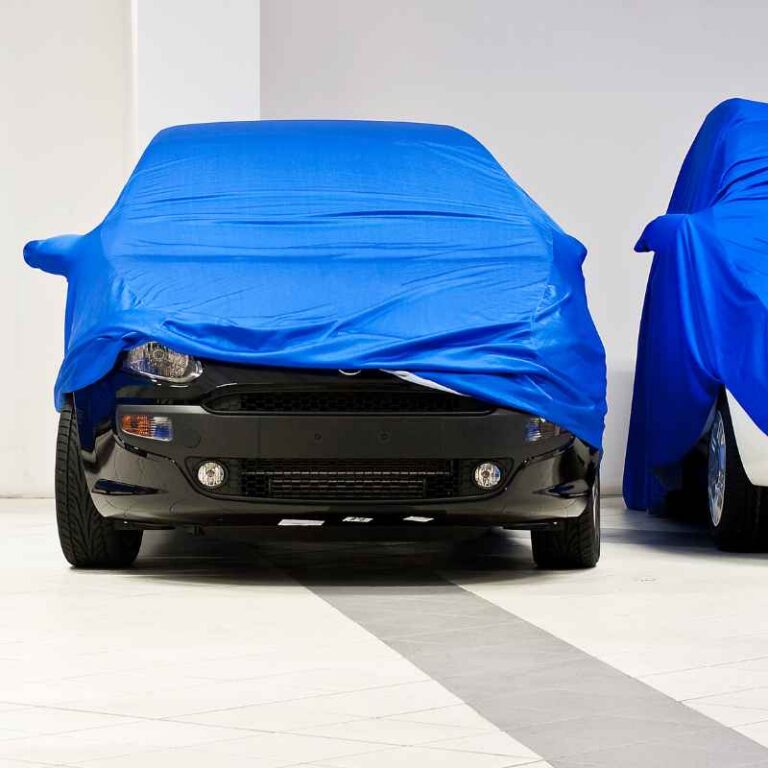
- Consider a temporary cover: If the car is parked outside for extended periods, a car cover can offer a physical barrier against the elements. Ensure the cover is soft and clean to avoid scratching.
- Document the damage: If your car is newer, take pictures and document when you first noticed the peeling. This is helpful if you plan to pursue a warranty claim or insurance claim.
Frequently Asked Questions About Peeling Clear Coat
How long does clear coat typically last?
Clear coat lifespan varies greatly. It depends on the quality of the application, the car’s exposure to the elements, and the products used for maintenance. Typically, a good clear coat can last anywhere from 5 to 15 years or more before showing signs of significant wear like peeling.
Can I just polish off the peeling clear coat?
You can polish to smooth the edges of minor peeling. However, you cannot polish away the peeling itself. Sanding is required to remove the loose, compromised clear coat.
Polishing afterwards helps to restore shine to the remaining good clear coat or the sanded area.
Will peeling clear coat cause rust?
Peeling clear coat doesn’t directly cause rust. Rust is a reaction between iron (in the car’s metal) and oxygen and water. However, when the clear coat peels away, it exposes the base coat and the metal underneath to the elements.
This creates an opportunity for rust to form, especially if the metal is scratched or compromised.
Is it safe to drive a car with peeling clear coat?
Yes, it is generally safe to drive a car with peeling clear coat. The peeling affects the aesthetic appearance and the protective layer but does not typically impact the car’s structural integrity or driving performance. The main risk is that the exposed paint and metal could be more susceptible to corrosion over time.
How much does it cost to fix peeling clear coat professionally?
The cost varies widely based on the extent of the damage and your location. For a small area like a fender or door, it might cost a few hundred dollars. For larger sections like the roof or hood, or if multiple panels are affected, it could range from $500 to $2,000 or more.
A full car repaint for severe peeling can cost $3,000 to $10,000+.
Can clear coat peeling be a sign of a recall?
Yes, sometimes widespread clear coat peeling, especially on newer vehicles, can be due to a manufacturing defect. If this is the case, the manufacturer may issue a recall or service bulletin. It’s worth checking with your car dealership or the manufacturer’s website to see if your vehicle is affected.
Conclusion
Dealing with peeling clear coat is a common car care challenge. It’s disheartening to see your car’s finish degrade. But by understanding the causes and taking the right steps, you can manage the situation.
Whether you choose a DIY fix to smooth things out or opt for professional help, remember that prevention is always the best strategy. Protecting your car’s paint shields it from damage and keeps it looking its best for years to come.
Products related to this article
Sponsored / affiliate links. As an Amazon Associate I earn from qualifying purchases. I may earn additional commission from eligible campaigns.