Leather CPR Cleaner and Conditioner Review
Leather CPR is a practical low-friction pick for lightly used, finished car leather when you want one bottle instead of a two-step routine; choose a dedicated cleaner and conditioner if the seats are heavily soiled, dry, or neglected. Using the wrong product can leave grime in the coating, add sheen, or waste money on leather that needs more than quick upkeep.
Verdict


Based on the manufacturer’s specs, published product details, and buyer feedback, Leather CPR Cleaner and Conditioner is positioned as a gentle one-step cleaner and conditioner for routine maintenance. Home Review Lab lists it among top leather cleaner and conditioner picks, describes it as a premium, gentle two-in-one care product, and places it in a five-product leather care guide alongside Weiman, Leather Honey, Chemical Guys, and Lexol.
Pros and cons
- Pros: one-step routine for light upkeep; suitable for finished car interiors and fine leather items; broad surface coverage for common leather goods.
- Cons: not the right answer for heavy soil or cracked leather; less flexible than a separate cleaner plus conditioner when the surface needs deeper work; spot testing still matters on finished leather.
Specs at a glance
| Spec | Leather CPR Cleaner and Conditioner |
|---|---|
| Format | 18 oz one-step cleaner and conditioner |
| Primary use | Routine leather maintenance for light soil |
| Surface focus | Finished or sealed leather, with hidden-area spot testing |
| Common application method | Soft cloth or microfiber towel, then buff dry |
| Common use cases | Car seats, furniture, handbags, jackets, boots, saddles, purses, and shoes |
| Positioning | Gentle, low-friction upkeep for surfaces that are not badly neglected |
Who it
Leather CPR fits a reader who wants a simple maintenance product for lightly soiled, finished car seats or other sealed leather items. It is less suitable for neglected surfaces, cracked leather, or anything suede-like and porous, where cleaning first and conditioning separately usually gives a better result.
Finished leather and light upkeep
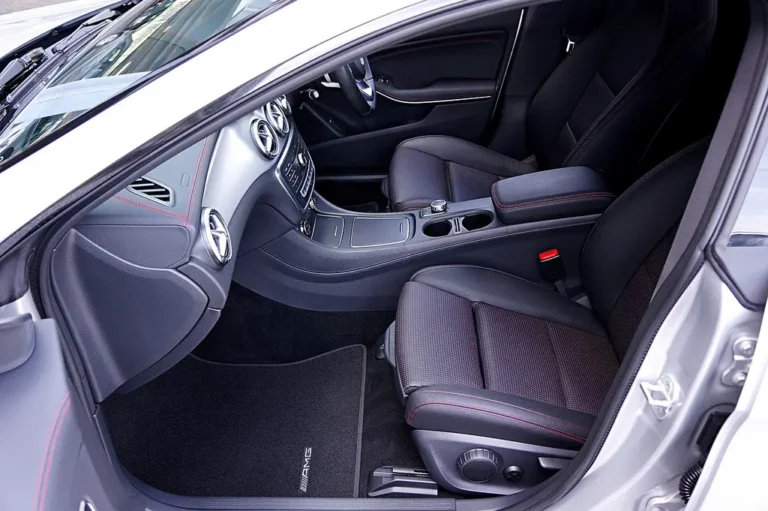
For daily-driver seats with light dust, body oils, and surface grime, a one-step product can be the right level of effort. Leather CPR’s gentle positioning makes sense when the leather still looks intact and only needs regular care to stay presentable and reduce drying risk.
Furniture, handbags, jackets, boots, and saddles
The product is also aimed at broad leather use beyond cars. That matters because furniture and accessories often need lighter maintenance than a neglected seat cushion, but finish still matters. Use it on finished leather, and check the manufacturer’s listing for any item-specific guidance before applying it to a visible panel.
Who should skip it?
Skip it if the leather is heavily soiled, visibly cracked, or unfinished. Also skip it for suede and nubuck unless the manufacturer specifically says otherwise. Those surfaces absorb products differently, and a one-step maintenance formula is a poor match when dirt has settled into the material or the finish is already failing.
Leather CPR decision table
| Leather type | Soil level | Finish | Expected result | Best alternative |
|---|---|---|---|---|
| Daily-driver seats | Light to moderate | Finished or sealed | Helps lift surface dirt, keeps the leather supple, and supports routine upkeep | Leather CPR or another gentle one-step maintenance cleaner |
| Neglected/cracked seats | Heavy buildup, dryness, or visible cracking | Finished, but worn | One step is usually not enough; grime may remain and the finish may need more focused care | Two-step cleaner plus conditioner kit, then a follow-up maintenance product if needed |
| Furniture/handbags | Light daily wear | Finished leather | Good for upkeep and surface refresh, with lower risk when spot-tested first | Leather CPR or a conditioner-only product for very light dusting, depending on need |
What works
Leather CPR does its best work as a routine-maintenance product. On finished leather, it can remove light dirt and grime, restore a bit of suppleness, and help preserve the surface sheen without forcing you into a separate cleaner-and-conditioner sequence every time.
One-step routine maintenance
The main appeal is friction, not brute force. A single bottle is easier to keep on hand for quick touch-ups, and that matters for owners who wipe seats down often but do not need a full restoration process. Home Review Lab’s product positioning matches that use case.
Light dirt and presentable finish
Picture a sedan with tan front seats that look a little dull after a week of commuting. The leather is not cracked, but the driver’s bolster has a faint gray film. A gentle one-step cleaner can make sense there, because the goal is upkeep, not rescue work.
Supple feel without overcomplication
Routine care matters because leather dries out over time. Products in this category are meant to slow that decline by cleaning off residue and adding conditioning in the same pass. That is useful when the surface still has its coating and only needs maintenance, not correction.
What does not?
Leather CPR is not the best choice for heavy buildup, deep staining, or cracked leather. When soil has sat for a long time, or when the finish is already compromised, the cleaner-and-conditioner combination can be too mild to fully correct the problem. That is where a two-step system earns its keep.
Heavy buildup and neglected leather
Suppose a used SUV has beige seats with dark transfer marks near the bolster and hardened spots in the creases. A one-step product may clean the surface, but it can leave grime in the coating or require repeated passes. A dedicated cleaner followed by conditioner is the safer buy.
Suede and nubuck limits
Finished leather is the recommended surface type here. Suede and nubuck are different materials, and they are not appropriate targets unless the manufacturer specifically allows it. If the item feels fuzzy or absorbs water quickly, stop and check the label before using any cleaner-conditioner blend.
Residue, darkening, and over-application risks
Any leather care product can misbehave if overapplied. Too much liquid can leave a greasy feel, a sticky film, or uneven darkening, especially on sensitive or worn areas. The fix is simple: use a light coat, apply it with a cloth, and buff dry rather than letting excess sit.
How do you use it?
Use Leather CPR on a hidden area first, then apply a light amount with a soft cloth or microfiber towel and buff dry after the surface is evenly covered. That approach fits finished leather, reduces the chance of darkening, and helps you avoid the greasy or sticky residue that comes from overuse.
Spot test first
Test a hidden area before you clean the visible panel. That matters most on dyed or older leather, where finish quality varies from panel to panel. A small test patch tells you whether the product changes color or sheen before you move to a visible seatback, handbag panel, or jacket sleeve.
Use a soft cloth or microfiber towel
Apply the product with a soft cloth or microfiber towel, then work it in evenly. Do not flood the surface. The goal is a thin, controlled coat that lifts light soil and leaves the leather looking clean, not glossy or wet.
Buff dry and stop at a light coat
Buffing dry is part of the process, not an optional polish step. If the surface still feels tacky, too much product went on. Wipe again with a clean towel and stop once the leather looks even. A light coat is usually enough for routine maintenance.
- Check that the surface is finished or sealed leather.
- Test the product on a hidden spot.
- Apply a small amount with a microfiber towel.
- Work the product across the panel in light passes.
- Buff dry with a clean cloth.
- Inspect for darkening, residue, or missed grime before repeating.
Should you buy it?
Buy Leather CPR if you want one bottle for routine leather upkeep and your seats or accessories are finished, lightly soiled, and still in decent shape. Choose a two-step cleaner plus conditioner if the leather is neglected, dry, or visibly worn, because that approach gives you more control over cleaning and conditioning.
Compare it with Lexol and Chemical Guys
Lexol is a two-step kit with separate cleaner and conditioner bottles, plus two application sponges. That setup suits buyers who want to clean first and condition second, especially on leather that needs more than light upkeep. Chemical Guys is also a two-step kit, sold as two 16 oz bottles, and The Next Road says it is pH-balanced and designed for natural and sealed leather on car seats, furniture, shoes, and bags.
Leather CPR sits on the simpler end of the spectrum. Its appeal is fewer steps and less setup. The tradeoff is control. If the leather needs a deeper clean or if you want to separate cleaning from conditioning, Lexol or Chemical Guys is the better fit.
Alternatives

Lexol is the cleaner-and-conditioner kit to look at when you want a more deliberate two-step routine. The listing describes it as a 16 oz each cleaner and conditioner kit with two application sponges, which makes it a stronger match for leather that needs cleaning first, then conditioning. The drawback is added effort and more product handling.

Meguiar’s Gold Class Rich Leather Cleaner & Conditioner is the convenience-first alternative if you want another one-step product in spray form. The six-bottle format points it toward regular maintenance, and the spray-on, wipe-off approach is easy to use. The drawback is the same one-step limitation: it is less suited to neglected leather than a dedicated two-step system.
Frequently asked questions
What is a good leather cleaner and conditioner?
A good choice depends on the leather’s condition. For light maintenance on finished leather, a one-step product like Leather CPR is practical. For dry, dirty, or neglected leather, a two-step cleaner plus conditioner is usually better because you can clean first and condition second without overloading the surface.
Is Leather CPR safe for car seats?
It is positioned for car interiors and fine leather, but the surface still matters. Use it on finished or sealed leather and test a hidden area first. Do not use it on suede or nubuck unless the manufacturer specifically says it is allowed. That caution matters more on older seats.
Does Leather CPR work on finished leather?
Yes, finished leather is the recommended surface type. That is where a gentle one-step cleaner and conditioner makes the most sense, especially for routine maintenance. If the leather is heavily worn, cracked, or dry, the product may not do enough on its own and a two-step system is a better buy.
Can Leather CPR be used on furniture and bags too?
Yes, the product is positioned for furniture, handbags, jackets, boots, saddles, purses, and shoes as well as car seats. Still, finish and wear level matter. Use it on finished leather, test a hidden area first, and avoid applying it to suede or nubuck unless the label clearly allows it.
How does Leather CPR compare with Lexol or Chemical Guys?
Leather CPR is the simpler option because it combines cleaning and conditioning in one step. Lexol and Chemical Guys are two-step kits, which gives you more control when the leather needs deeper cleaning. Chemical Guys is also described as pH-balanced and suitable for natural and sealed leather in multiple use cases.
Will Leather CPR leave a greasy or sticky residue?
It can if you use too much. That risk exists with many leather care products, especially on worn or coated surfaces. Use a light amount, spread it thinly, and buff dry. If the leather still feels tacky, wipe again with a clean cloth rather than adding more product.
Is Leather CPR good for heavily soiled or cracked leather?
No, not as the first choice. Heavy soil needs stronger cleaning, and cracked leather usually needs a cleaner, more controlled care routine than a one-step product can provide. In those cases, a dedicated cleaner plus conditioner is the more practical option, and the product should not be treated as a repair tool.
What is a good leather cleaner and conditioner: if you want one bottle?
If you want one bottle for light maintenance, Leather CPR is a sensible pick for finished leather. If the leather is dirty, dry, or neglected, a two-step cleaner and conditioner is the better answer. That choice gives you more control over cleaning, conditioning, and the final finish.
Products related to this article
Sponsored / affiliate links. As an Amazon Associate I earn from qualifying purchases. I may earn additional commission from eligible campaigns.