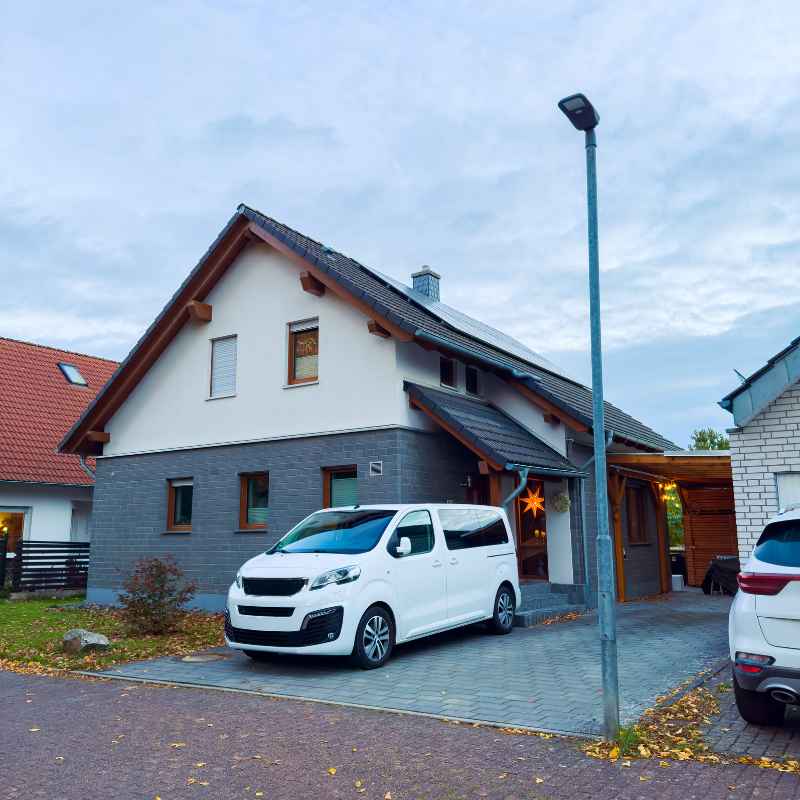
Painting a Car in Your Neighborhood: Is It Really Legal?
Painting your car at home seems like a creative, money-saving project. Many people are tempted to try it, especially with online guides and videos showing “DIY car painting.” But before you open a can of paint or set up a spray gun in your driveway, it’s important to know if this is legal in a residential area. Laws, regulations, and risks are not always clear, and breaking them can lead to fines or even legal trouble. Let’s dive deep into the rules, risks, and practical advice for anyone considering car painting at home.
Understanding The Legal Landscape
The legality of painting cars in a residential area depends on several factors: local laws, environmental regulations, and zoning codes. Each plays a role, and ignoring them can lead to costly mistakes.
Local Zoning Laws
Most cities and towns have zoning laws to separate residential, commercial, and industrial activities. Zoning codes often restrict certain activities to protect the character and safety of neighborhoods.
For example, auto repair and painting are usually classified as “commercial” or “industrial” activities. In many places, you cannot run a full auto repair shop or paint cars for profit in a residential zone. Even if you’re doing it for personal use, painting a car can still violate local ordinances.
Common restrictions include:
- Limiting noise levels
- Preventing harmful fumes
- Restricting visible clutter or equipment
If you’re unsure, check your city’s website or call your local planning office. Many cities publish their zoning maps and codes online.
Environmental Regulations
Painting a car produces volatile organic compounds (VOCs) and other chemicals. These can harm air quality and pose health risks. The Environmental Protection Agency (EPA) in the United States sets strict rules for paint shops, including ventilation and waste disposal.
While the EPA focuses on businesses, some states and cities apply similar rules to home projects. You may need special equipment, filters, or permits to use auto paint at home. If you ignore these, you could face fines from local environmental agencies.
Homeowners Associations (hoa)
If you live in a neighborhood with an HOA, there may be extra rules. HOAs often restrict activities that change the appearance of homes or create disturbances.
HOA rules may cover:
- Visible work in driveways or yards
- Odors and fumes
- Paint spills and stains
Violating HOA rules can lead to warnings, fines, or even legal action from the association.
State And Federal Laws
States may have their own regulations, especially in places with strict air quality standards like California. Some states ban certain types of paint or require permits for any spray painting.
Federal laws focus on safety and environmental protection. For example, the EPA bans the use of some paint chemicals for non-professional use.
A Real-life Example
In Los Angeles, a homeowner was fined $500 for painting their car in their driveway. Neighbors complained about fumes and the city enforced local air quality laws. Even though the person was not running a business, they still broke residential zoning rules.
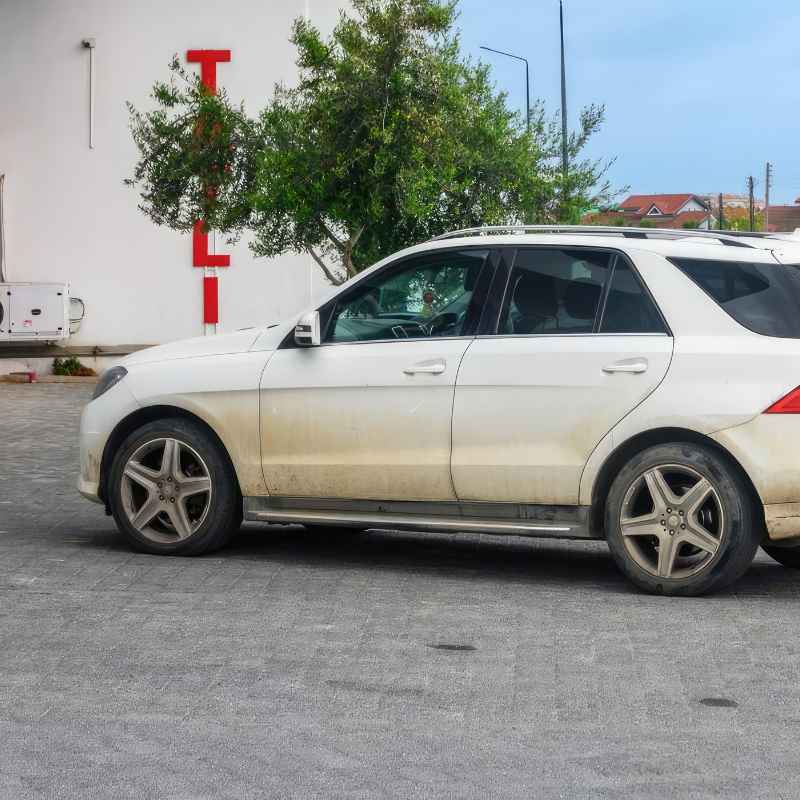
Why Painting Cars At Home Is Restricted
Painting a car is not like painting a wall. It involves chemicals, equipment, and risks that are much greater. Here are key reasons why residential car painting is often banned or restricted.
Health Risks
Auto paint contains solvents and VOCs. These can cause headaches, breathing problems, and long-term health issues. Children, elderly, and people with asthma are especially vulnerable.
Fire Hazards
Spray painting uses flammable materials. Without proper ventilation and safety equipment, fires can start easily. Most homes are not designed to handle these risks.
Environmental Impact
Paint overspray and waste can contaminate soil, water, and air. In cities, storm drains can carry chemicals into rivers or oceans, harming wildlife and water quality.
Property Values And Aesthetics
Many neighborhoods want to keep a clean, pleasant look. Car painting creates noise, odors, and visible mess. This can reduce property values and upset neighbors.
Legal Liability
If someone gets sick, injured, or property is damaged, you could be held responsible. Insurance may not cover accidents from illegal activities.
What The Law Actually Says
Laws are often complex and vary by location. Here’s a breakdown of key legal points.
Zoning Codes: A Closer Look
Most zoning codes have language like:
- “No commercial auto repair or painting in residential zones”
- “No activities producing hazardous fumes or noise”
- “No storage of industrial chemicals”
Even if you’re not running a business, painting a car at home may still violate these codes.
Environmental Rules
EPA regulations apply to shops, but states like California extend rules to home projects. For example, California’s Air Resources Board bans many types of auto paint for home use.
Permits And Licensing
Some cities allow home car painting if you get a permit. Permits usually require:
- Proof of proper ventilation
- Safe waste disposal
- Limited use of chemicals
Getting a permit is rare for homeowners, but it’s possible in some areas.
Penalties
Penalties vary, but can include:
- Fines from $100 to $5,000
- Orders to stop work
- Cleanup costs
- Legal action from neighbors or HOAs
Comparison Of Laws: Three Cities
Here’s a quick look at how rules differ in three major US cities.
| City | Residential Car Painting Allowed? | Permit Required? | Environmental Restrictions |
|---|---|---|---|
| Los Angeles | No | No | Strict air quality rules |
| Houston | Yes (personal use) | Sometimes | Moderate, but must follow waste disposal laws |
| Chicago | No | No | Strict environmental and zoning codes |
As you can see, local laws can be very different. Always check your city’s rules before starting any car painting project.
How To Find Out If It’s Legal In Your Area
If you’re serious about painting your car at home, take these steps before you begin:
1. Check Local Zoning Codes
Go to your city’s website or planning office. Look for codes about “residential activities,” “auto repair,” or “painting. ”
2. Contact Environmental Agencies
Ask if there are rules for home painting. Some cities have special departments for air quality or hazardous waste.
3. Ask Your Hoa
If you have an HOA, review their rules or contact the board.
4. Get Written Permission
If you need a permit, apply before starting. Never rely on verbal advice.
5. Talk To Neighbors
Even if legal, warn neighbors about noise or odors. This can prevent complaints.
What If You Ignore The Rules?
Many people think “nobody will notice” or “it’s just one car. ” But ignoring the law can bring serious problems.
Fines And Penalties
Cities can issue fines, often starting at $100 and climbing to thousands. Repeat offenders may face higher penalties.
Forced Cleanup
If paint spills or waste causes environmental damage, you may have to pay for professional cleanup.
Legal Action
Neighbors or HOAs can sue if your project harms them. Even if you win, legal fees can be expensive.
Insurance Issues
Home insurance rarely covers accidents from illegal activities. If you cause fire or injury, you could be responsible for all costs.
Real Example
A Texas homeowner painted his car in his garage. Paint fumes spread to neighbors, causing health complaints. The city ordered him to stop and fined him $1,000. His insurance refused to pay for cleanup.
Alternatives To Painting At Home
If painting at home is illegal or risky, you have safer options.
Professional Paint Shops
Licensed paint shops follow all safety and environmental rules. They have proper ventilation, waste disposal, and insurance.
Benefits:
- Legal and safe
- High-quality results
- No risk to neighbors
Downside:
Cost is higher, usually $1,000 to $5,000 for a full paint job.
Mobile Paint Services
Some companies offer mobile paint services. They come to your home but use professional equipment and follow local laws.
Tip:
Make sure the company is licensed and insured.
Diy Touch-up Kits
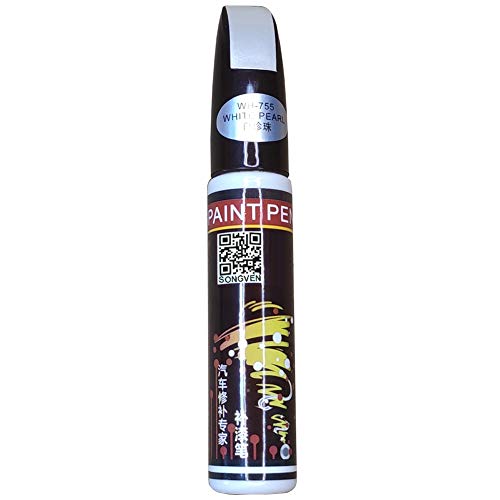
If you only need to fix small scratches, use a touch-up kit. These are legal in most places and don’t require spray painting.
Touch-up kits cost $10 to $50 and are easy to use.
Comparison Of Painting Options
Here’s a look at different ways to paint a car and their legal risks.
| Option | Legal Risk | Cost | Quality |
|---|---|---|---|
| DIY at Home | High | Low ($200–$600) | Varies, often poor |
| Professional Shop | Low | High ($1,000–$5,000) | High |
| Mobile Service | Medium | Medium ($600–$2,000) | Good |
| Touch-Up Kit | Low | Very Low ($10–$50) | Fair |
Practical Steps If Painting At Home Is Legal
In some rare cases, painting your car at home may be allowed. If so, follow these steps to stay safe and legal.
Prepare The Area
- Use a well-ventilated garage
- Cover floors and walls with plastic
- Keep fire extinguishers nearby
Choose Safe Paint
- Buy low-VOC paint
- Avoid banned chemicals
- Use water-based paints if possible
Protect Yourself
- Wear a respirator mask
- Use gloves and eye protection
- Keep children and pets away
Dispose Of Waste Properly
- Collect paint waste and rags
- Take them to a hazardous waste center
- Never pour chemicals down the drain
Limit Noise And Odors
- Paint during daytime hours
- Use fans and filters to control fumes
Inform Neighbors
- Tell neighbors before you start
- Offer to keep windows closed during painting
Legal Checklist
Here’s a simple checklist to follow:
- Confirm legality with city or HOA
- Get permits if needed
- Use safe paint and equipment
- Dispose waste legally
- Inform neighbors
Following these steps reduces risks and helps you stay within the law.
Common Mistakes And How To Avoid Them
Many beginners make mistakes when painting cars at home. Here are some to watch out for:
Using Banned Paints
Some paints are banned for home use. Always check labels and local laws.
Poor Ventilation
Painting in a closed garage can cause dangerous fumes. Use fans and open windows.
Bad Waste Disposal
Throwing paint waste in the trash or down the drain is illegal. Take all waste to a hazardous center.
Ignoring Permits
Even if you think it’s legal, failing to get a permit can bring fines.
Not Protecting Yourself
Respirators and gloves are essential. Many people skip them, risking health.
Overlooking Neighbors
Painting creates smells and noise. Warn neighbors to avoid complaints.
Starting Without Research
Before starting, check all rules and talk to local officials.
Hidden Risks Most People Miss
Insurance Gaps
Home insurance usually excludes accidents from illegal activities. If a fire starts or someone is injured, you may not be covered.
Long-term Environmental Damage
Even small spills can contaminate soil for years. Most people don’t realize this risk.
Legal Record
Some cities treat violations as misdemeanors. This could go on your legal record, affecting jobs or credit.
Hoa Reputation
Repeated violations can lead to loss of privileges or even forced home sales.
Expert Insights And Data
Auto Paint And Air Quality
The EPA reports that auto paint shops are a major source of VOCs. These chemicals cause smog, respiratory problems, and even cancer. Home projects may seem small, but many together can have a big impact.
Legal Trends
Cities are getting stricter. In 2026, San Diego updated laws to ban all car painting in residential zones, even for personal use. Other cities are following this trend.
Data Table: Fines For Illegal Car Painting
Here’s a look at fines in major cities.
| City | Minimum Fine | Maximum Fine | Repeat Offender Penalty |
|---|---|---|---|
| Los Angeles | $250 | $5,000 | Double fine + cleanup |
| Chicago | $100 | $2,500 | Triple fine |
| Houston | $150 | $1,500 | Double fine |
What About Other Countries?
Laws vary worldwide. In the UK, strict environmental rules apply, and painting cars at home is mostly banned. In Australia, some states allow home projects with permits. In India, laws are less strict, but cities are tightening regulations.
Tip:
Always check local laws, even if guides online say it’s “okay. ”
Summary: Should You Paint Your Car At Home?
Painting your car in a residential area is usually illegal, especially in cities. Even if allowed, risks are high:
- Fumes and chemicals can harm health
- Fines and legal action are possible
- Environmental damage is a real concern
- Insurance may not cover accidents
If you want a safe, legal paint job, use a professional shop or mobile service. If you must paint at home, check all rules and take every safety step.
Non-obvious insights:
- Insurance gaps can be huge; you might face huge costs if something goes wrong.
- Environmental damage from paint spills can last for years, even after cleaning.
For more information on environmental regulations, visit the EPA’s official auto body regulations page.
Frequently Asked Questions
Is It Legal To Paint My Car In My Driveway?
Usually, no. Most cities ban car painting in driveways due to zoning and environmental rules. Some places allow it for small touch-ups, but never for full paint jobs.
What Happens If I Paint My Car At Home And Get Caught?
You may face fines, forced cleanup, and legal action. In some cases, your HOA may also penalize you. Repeat violations can lead to higher penalties.
Can I Paint My Car In My Garage Instead Of Outside?
Painting in a garage may reduce visibility, but laws still apply. Fumes and waste are still a concern. You need proper ventilation, permits, and safe waste disposal.
Are Touch-up Kits Legal To Use At Home?
Yes, touch-up kits for small scratches are legal in most places. They use less paint and don’t produce major fumes. Always check local rules before starting.
How Can I Find Out The Rules For My City?
Check your city’s website for zoning and environmental codes. Contact your local planning office or environmental agency. If you have an HOA, review their rules as well.
Painting your car at home may seem easy and cheap, but legal risks and health hazards are serious. Always research your local laws, protect yourself, and consider safer alternatives. Your safety and reputation are worth more than a fresh coat of paint.
Products related to this article
Sponsored / affiliate links. As an Amazon Associate I earn from qualifying purchases. I may earn additional commission from eligible campaigns.