How Long Does It Take to Tint Car Windows? By Vehicle Type
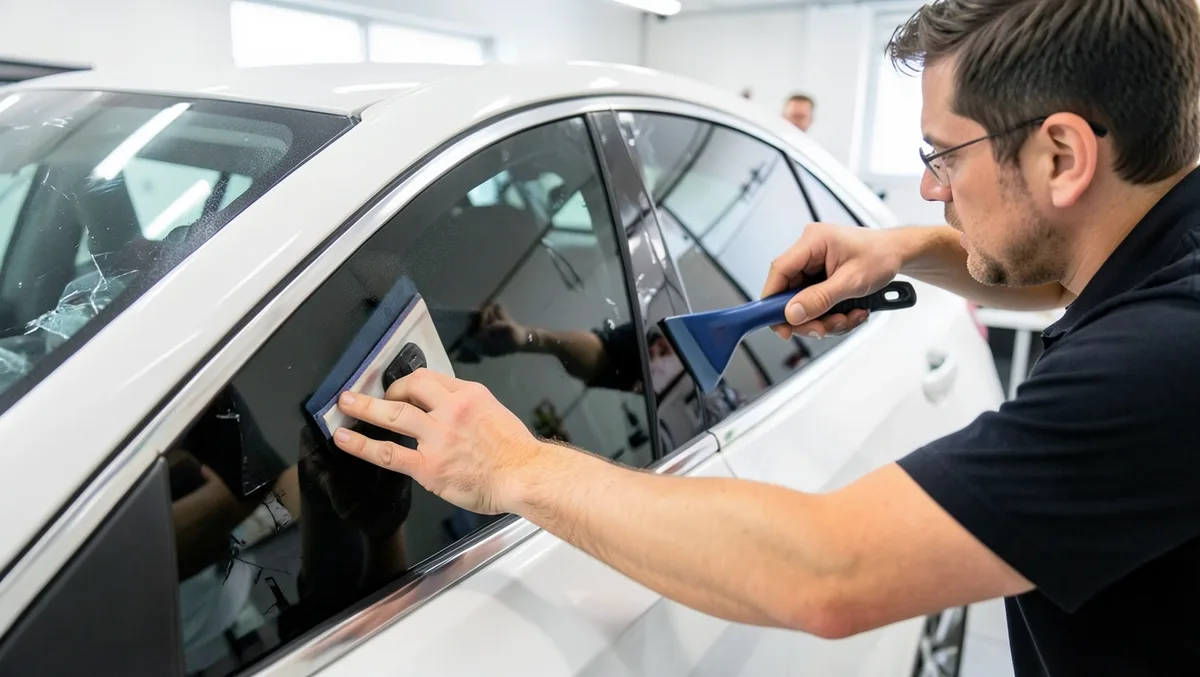
Tinting a car usually takes one to five hours in a shop, depending on the vehicle’s size, the type of film used, and whether old tint has to be stripped first. A compact car with four to six windows is often finished in one to two hours, while a full SUV, a luxury vehicle with curved glass, or a car that needs old tint removed first can take four to five hours. That in-shop time is separate from curing time — the film needs several more days to fully bond to the glass before you should roll the windows down.
What Is Window Tinting and Why Does It Matter?
Window tinting means applying a thin film to a car’s windows — dyed, metalized, ceramic, or carbon. Depending on the film, it can cut interior heat, block a large share of UV rays, add privacy, and give the glass a darker, more finished look.
Applying that film correctly takes more than pressing sticky plastic onto glass — it requires a clean, dust-free work area and careful handling so the film doesn’t trap air bubbles or wrinkle around curves. That precision is exactly why the time it takes depends on a handful of factors: the type of car, the number of windows being tinted, the film chosen, and how experienced the installer is. Here’s how each one plays out.
Factors That Affect Window Tinting Time
Several variables determine how long a tint job takes at the shop:
- Type of Vehicle: A compact car with four windows tints faster than a full-size SUV or minivan with eight or more.
- Number of Windows: Tinting only the side windows is quicker than also doing the windshield or rear glass.
- Type of Tint: Ceramic and carbon films are thicker and take more care to apply than basic dyed film.
- Installer’s Skill: An experienced installer works faster and with fewer mistakes than someone new to the trade.
- Condition of Windows: Old tint that’s peeling or bubbling has to be stripped first, which adds time.
- Shop Setup: A shop running multiple installers at once finishes faster than one with a single technician juggling several cars.
Each factor adds up differently depending on your specific vehicle — here’s a closer look at each one.
How Long Does It Take to Tint Different Types of Vehicles?
Vehicle size and window count are the biggest factors in total tinting time. Here’s a general breakdown by vehicle type:
| Vehicle Type | Number of Windows | Average Tinting Time |
|---|---|---|
| Compact Car/Coupe | 4–6 | 1–2 hours |
| Sedan | 6–8 | 2–3 hours |
| SUV/Minivan | 8–12 | 3–4 hours |
| Truck | 4–8 | 2–3 hours |
| Luxury/Complex Cars | 6–10 | 3–5 hours |
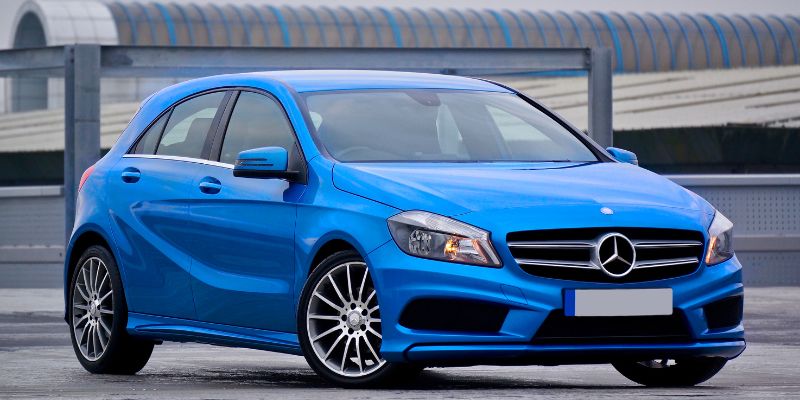
A typical sedan with all side and rear windows tinted takes about two to three hours from start to finish. An SUV usually runs closer to four hours because of its extra windows and more curved glass, which takes longer to shape and smooth into place without bubbles. Vehicles with unusually curved or steeply raked glass — such as a Tesla Model 3’s rear window, a Chevrolet Corvette, or a Camaro — are known in the tinting trade for needing extra shrinking and shaping time, so expect the higher end of the range on cars like these.
The Step-by-Step Process of Window Tinting
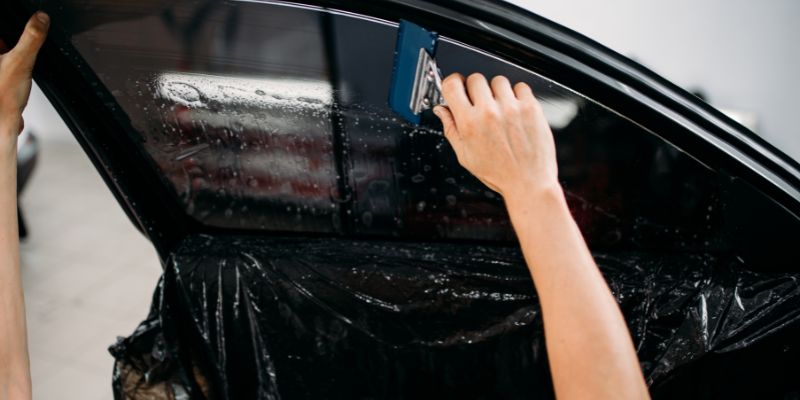
Here’s what actually happens during a professional tint job, step by step:
- Cleaning the Windows: The installer cleans every window inside and out, since any leftover dust or dirt can get trapped under the film and ruin the finish. This alone can take 30–45 minutes.
- Measuring and Cutting the Film: The film is measured and cut to fit each window’s exact shape, typically about 20 minutes per window.
- Applying the Film: A solution is sprayed on the glass, the film is applied, and it’s smoothed out to remove air and wrinkles — a delicate step that takes 15–30 minutes per window depending on size and shape.
- Trimming and Finishing: The edges are trimmed and the installer checks for bubbles or imperfections, adding another 10–20 minutes per window.
- Drying and Curing: The film needs time to bond fully to the glass. You can drive away right after the appointment, but full curing can take days to weeks — more on that below.
For a standard sedan, these steps typically add up to two to three hours total. Bigger vehicles or ones with tricky window shapes take longer because every step above requires more time and precision.
Does the Type of Tint Affect the Time?
Yes — film thickness and quality both affect how long each window takes to install. Here’s how the main types compare:
- Dyed Film: The simplest and least expensive option. It’s thin and easy to apply, usually the fastest at about 10–15 minutes per window.
- Metalized Film: Contains tiny metallic particles for extra heat rejection. It’s a bit thicker, so figure 15–20 minutes per window.
- Ceramic Film: A premium option that blocks more heat and UV but is thicker and trickier to apply cleanly — expect 20–30 minutes per window.
- Carbon Film: Similar quality and application time to ceramic.
Higher-end films like ceramic take longer to install, but the added heat and UV protection is usually worth the extra time for most drivers.
How Long Does It Take to Remove Old Tint?
If a car already has tint that’s peeling, bubbling, or discolored, the installer has to strip it before applying anything new. That adds roughly an hour to the job, broken down like this:
- Peeling Off the Film: A scraper or steamer is used to lift the old tint, taking 10–20 minutes per window depending on how stubborn the adhesive has become.
- Cleaning the Adhesive: Leftover sticky residue has to be cleaned off thoroughly, adding another 10–15 minutes per window.
- Prepping for New Tint: Once the glass is clean, the regular tinting process starts from scratch.
Removing old tint from four windows typically adds about an hour on its own, on top of the two-plus hours for the new film. If your car already has tint, plan for at least one to two extra hours.
How Does the Installer’s Experience Impact Timing?
Installer skill has a real impact on total time. An inexperienced installer can easily take twice as long as a specialist and is more likely to leave bubbles or creases that need fixing. Here’s why experience matters:
- Speed: A skilled installer cuts and applies film quickly and cleanly, often finishing a window in 10–15 minutes versus 20–30 for someone newer to the job.
- Precision: Experienced installers rarely have to redo a window, which saves time that inexperienced techs often lose to fixing mistakes.
- Tools and Setup: Established shops tend to have better tools and cleaner workspaces, both of which speed up the process.
Choosing a shop with an established track record, rather than the cheapest option available, is usually worth it in both time saved and finish quality.
What About the Curing Time?
Driving away isn’t the end of the process — the film still needs to fully cure, or bond, to the glass. Curing can take anywhere from a few days to about a month depending on the weather:
- Summer or Warm Weather: Curing usually finishes in 3–5 days.
- Winter or Cold Weather: In cooler climates, it can take 2–4 weeks since the moisture trapped under the film evaporates more slowly.
- What to Avoid During Curing: Don’t roll down the windows for at least 48–72 hours, and avoid cleaning them for a week or two — doing either too soon is a common cause of peeling at the edges.
Curing time doesn’t add to how long you’re at the shop, but it does affect when you can safely use your windows normally again.
Can You Speed Up the Tinting Process?
A few things can shave time off a tint job:
- Choose a Simple Tint: Dyed film applies faster than ceramic or metalized if time matters more than heat rejection.
- Tint Fewer Windows: Doing just the side windows, or only the front two, takes less time than tinting the whole car.
- Go to a Pro Shop: Experienced installers consistently work faster, as covered above.
- Prep Your Car: Cleaning your windows yourself beforehand won’t save much, but it can shave off a few minutes.
Tinting only the front two windows, for example, can often be done in about an hour. If you’d rather skip the shop altogether, a DIY tint kit lets you apply film yourself, though it demands the same careful, dust-free technique a professional uses.
How to Choose the Right Shop for Faster Service
Finding a good shop is just as important for speed as it is for quality. Here’s what to look for:
- Read Reviews: Check Google or Yelp for shops with consistently strong ratings.
- Ask About Timing: Call ahead and ask for a time estimate for your specific vehicle — most shops can give one over the phone.
- Look for Experience: A shop that’s been in business for years is usually faster and more consistent.
- Check Their Setup: A clean, organized shop running multiple installers will typically get you in and out quicker.
A shop running two installers at once on a larger vehicle can sometimes finish an SUV in around three hours instead of four.
Common Mistakes That Slow Down the Process
A few avoidable mistakes tend to add unnecessary time to a tint job:
- Not Mentioning Old Tint: If the shop isn’t told about existing tint ahead of time, they’ll need extra time to remove it once they find it.
- Picking a Busy Day: Walk-in visits on a shop’s busiest day, often Saturdays, can add an hour or more if several cars are being worked at once.
- Choosing a Cheap Shop: The lowest price often means less experienced staff or lower-quality film, both of which can lead to delays or redo work.
Calling ahead, disclosing any existing tint, and picking a shop with a good track record all help keep the appointment on schedule.
What to Expect After the Tinting Is Done
The job isn’t quite finished once the last window is done. Here’s what to do next:
- Inspect the Work: Check for bubbles, creases, or uneven edges before leaving the shop so anything wrong can be fixed on the spot.
- Follow Curing Instructions: Keep the windows up for a few days and hold off on cleaning them, as covered above.
- Enjoy the Benefits: Once the tint fully cures, you’ll get a cooler cabin, more privacy, and a cleaner overall look.
Conclusion
So, how long does it take to window tint a car? In most cases, plan on one to five hours, depending on the vehicle, the tint chosen, and the shop’s experience. Compact cars are often done in an hour or two, while SUVs, luxury vehicles, or cars that need old tint removed first can take up to five. The process itself — cleaning, cutting, applying, and finishing — takes real care and precision at every step.
Picking an experienced shop and the right film for your needs makes the biggest difference in both time and final quality. Check the FAQs below for quick answers to a few more common questions.
FAQs
How long does it take to tint a sedan?
For a standard sedan with 6–8 windows, tinting usually takes 2–3 hours. This includes cleaning, cutting, and applying the film. If you’re removing old tint, add an extra hour.
Can I drive my car right after tinting?
Yes, you can drive right away, but don’t roll down the windows for 48–72 hours. This gives the tint time to stick properly.
Does ceramic tint take longer to apply?
Yes, ceramic tint takes longer because it’s thicker and harder to work with. Expect 20–30 minutes per window compared to 10–15 for dyed film.
How long does tint take to cure?
Curing takes 3–5 days in warm weather and up to 2–4 weeks in cold weather. Avoid rolling down windows or cleaning them during this time.
Can I tint just a few windows to save time?
Yes — tinting fewer windows, like just the front ones, can cut the time down to an hour or less.
Does the shop’s experience affect tinting time?
Yes — a skilled installer can finish a job in half the time of a beginner, often with better results.
What happens if I roll down my windows too soon?
Rolling down windows before the tint cures (usually 48–72 hours) can cause the film to peel or bubble at the edges.
Products related to this article
Sponsored / affiliate links. As an Amazon Associate I earn from qualifying purchases. I may earn additional commission from eligible campaigns.