Can a Bad Injector Stop an Engine from Starting
When your car won’t start, it can be a real head-scratcher, especially if you’re new to fixing things yourself. Many people wonder, Can a Bad Injector Stop an Engine from Starting? The answer is yes, and it’s a common problem that can seem tricky at first. But don’t worry, we’ll break it down simply.
This guide will show you exactly why this happens and what you can do about it, step by step. Let’s find out what’s going on with your engine.
Understanding Fuel Injectors
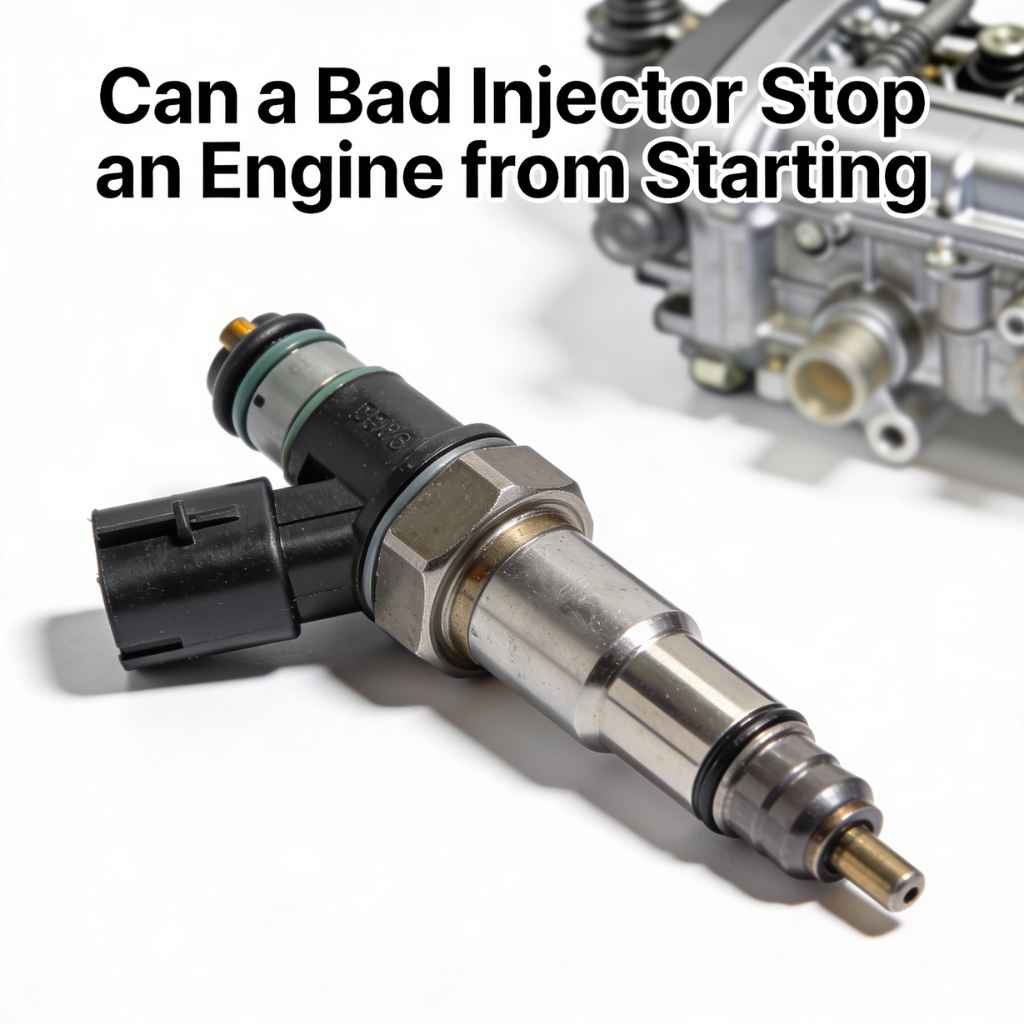
Fuel injectors are tiny, important parts of your car’s engine. They are responsible for spraying just the right amount of fuel into the engine’s cylinders at precisely the right time. Think of them like the spray nozzles on a garden hose, but much more precise.
This precise fuel spray is mixed with air, and that mixture is what makes your engine run. If a fuel injector isn’t working right, it can mess up this crucial fuel-air mix.
What is a Fuel Injector?
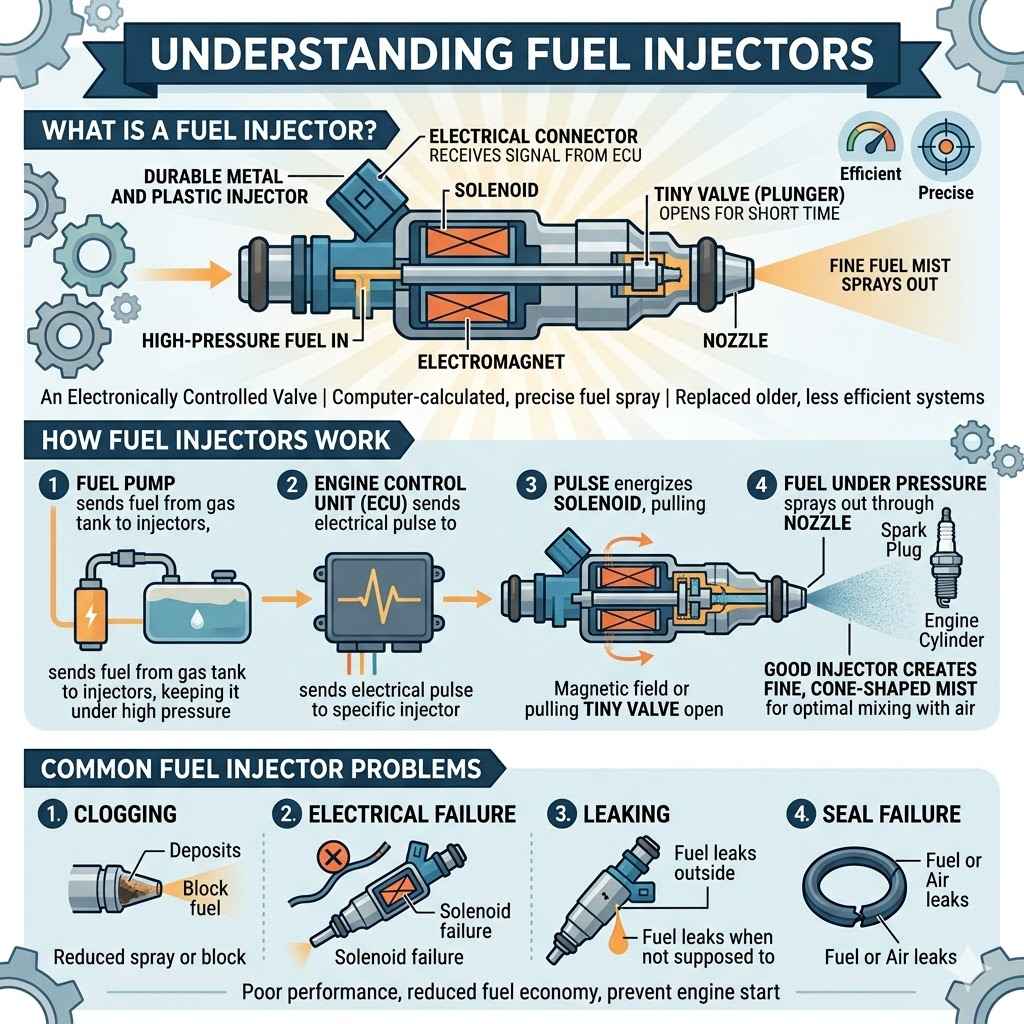
A fuel injector is an electronically controlled valve. When the engine’s computer tells it to, it opens up for a very short time. This action sprays a fine mist of gasoline directly into the intake manifold or combustion chamber.
The computer calculates exactly how much fuel is needed based on many factors, like how hard you’re pressing the gas pedal and the engine’s temperature. This system is called fuel injection, and it replaced older carburetor systems because it’s much more efficient and precise.
Modern fuel injection systems have multiple injectors, one for each cylinder. This ensures each cylinder gets its fair share of fuel for optimal performance and efficiency. The injectors themselves are usually made of durable metal and plastic.
They have a small nozzle at the tip and an electrical connector that receives signals from the engine control unit (ECU).
How Fuel Injectors Work
The process starts with the fuel pump sending fuel from the gas tank to the injectors. This fuel is kept under high pressure. When the engine control unit (ECU) decides it’s time to inject fuel, it sends an electrical pulse to the specific injector.
This pulse energizes a small electromagnet inside the injector, which pulls a tiny valve open. Fuel under pressure then sprays out through the nozzle.
The shape and pattern of the spray are very important. A good injector creates a fine, cone-shaped mist. This mist mixes well with the incoming air, making it easier for the spark plug to ignite.
If the spray pattern is off, or if the injector doesn’t open or close properly, the fuel-air mixture will be wrong. This can lead to poor engine performance, reduced fuel economy, and even prevent the engine from starting at all.
Common Fuel Injector Problems
Fuel injectors can suffer from several issues. The most common is clogging. Over time, deposits from fuel or the engine can build up inside the injector.
This can reduce the amount of fuel sprayed or even block it completely. Another problem is electrical failure. The wiring to the injector, or the injector’s internal solenoid, can fail, preventing it from receiving the signal to spray fuel.
Wear and tear can also cause injectors to leak. If an injector leaks fuel when it’s not supposed to, it can create too much fuel in the cylinder, which is also bad for starting. Sometimes, the seal between the injector and the engine can fail, leading to fuel leaks outside the engine or air leaks into the engine.
These problems, whether a clog, an electrical fault, or a leak, can all point to a bad injector.
Can a Bad Injector Stop an Engine from Starting?
Yes, absolutely. A bad fuel injector can definitely stop an engine from starting. For an engine to start, it needs a very specific mix of fuel, air, and a spark.
If one or more of the fuel injectors aren’t delivering fuel correctly, that essential fuel component is missing or insufficient. This makes it impossible for the engine to ignite and begin running. Let’s explore why this happens in more detail.
Lack of Fuel Delivery
The most straightforward reason a bad injector can prevent starting is if it’s completely blocked or failed electrically. If an injector is clogged solid, no fuel can get through it. If you have multiple injectors that are all failing, or if the one crucial injector for a particular cylinder isn’t working, the engine might not get enough fuel to even sputter.
Even a single injector failing to deliver fuel can make starting difficult, especially in certain engine designs.
Think of it this way: if you’re trying to light a fire, you need fuel. If the fuel source is cut off, the fire won’t start. The same principle applies to your engine.
The fuel injectors are a critical part of that fuel source. If they stop working, the engine runs out of its essential ingredient for combustion.
Incorrect Fuel Mixture
Even if an injector isn’t completely dead, it can still cause starting problems if it’s delivering the wrong amount of fuel. If an injector is only partially clogged, it might spray too little fuel. This lean condition means there isn’t enough gasoline to mix with the air for combustion.
On the flip side, an injector that leaks or sprays too much fuel can create a rich condition.
A very rich mixture can also prevent starting. Too much fuel can flood the engine. This means there’s so much gasoline that there’s not enough air for a proper burn.
It’s like trying to light a damp log; it might smoke but won’t catch fire. The engine control unit (ECU) has sensors to try and correct for these issues, but if the problem is severe, it can’t compensate enough for the engine to start.
Symptoms of a Bad Injector Affecting Startup
When a bad injector is the culprit for a no-start situation, you might notice a few specific things. The engine might crank, meaning the starter motor is turning the engine over, but it just won’t fire up and run. You might also smell raw gasoline, especially if an injector is leaking or delivering too much fuel.
Another sign could be that the engine tries to start but immediately dies.
Sometimes, if only one injector is bad, the engine might still start but run very rough. However, for a complete no-start, it usually means several injectors are failing, or a critical one has completely stopped working. The car’s computer might also turn on a check engine light, giving you a code that points towards a fuel delivery issue.
Diagnosing a Bad Fuel Injector
Figuring out if a fuel injector is the problem requires a bit of detective work. Luckily, there are several ways to check, from simple tests to more advanced ones. You don’t always need to be a master mechanic to get a good idea of what’s going on.
Listening and Visual Inspection
One of the easiest checks is to listen to the injectors. With the engine off, and the ignition on (but not started), you can sometimes hear a faint clicking sound from each injector. This sound indicates they are receiving electrical signals.
If you don’t hear a click from one, it might be faulty. You can also visually inspect the injectors and their wiring for any obvious damage, loose connections, or fuel leaks.
A mechanic’s stethoscope or even a long screwdriver held to your ear can help amplify the clicking sound from each injector. This is a quick way to get a preliminary idea. Also, look for any signs of fuel puddling around the injectors, which would indicate a leak.
Check the wiring harness connected to each injector; frayed wires or corroded connectors are signs of trouble.
Checking for Fuel Pressure
A key indicator of injector problems is fuel pressure. If the fuel pump is working correctly and sending fuel, but the pressure at the fuel rail is too low, it can point to leaky injectors or a problem with the fuel pressure regulator. You can test this by connecting a fuel pressure gauge to the fuel rail.
The gauge will show you the pressure. If it’s within the manufacturer’s specified range, the fuel delivery system is likely okay up to that point.
A stable fuel pressure reading is essential. If the pressure drops quickly after the pump stops, it could mean an injector is leaking. If the pressure never reaches the correct level, the issue might be with the fuel pump, the pressure regulator, or a significant leak elsewhere in the system, potentially including the injectors.
Always follow safety procedures when working with fuel systems, as they are under pressure and flammable.
Using a Scan Tool
A professional scan tool can be invaluable. It can read trouble codes from the engine control unit (ECU), which often point directly to fuel system issues. Codes related to fuel trim (how the ECU adjusts fuel delivery), injector circuit faults, or misfires on specific cylinders can all be strong indicators.
The scan tool can also display live data, such as injector pulse width (how long each injector stays open) and fuel pressure.
Observing live data can reveal subtle problems. For instance, if one injector has a much shorter pulse width than others, it might not be spraying enough fuel. Conversely, a longer pulse width could mean it’s over-fueling.
Misfire data is also crucial; if one cylinder consistently misfires, the injector for that cylinder is a prime suspect.
Injector Resistance Test
You can test the electrical resistance of each injector using a multimeter. Disconnect the injector’s electrical connector and place the multimeter probes on the two terminals. Compare the reading to the manufacturer’s specifications.
If the resistance is too high, too low, or infinite (open circuit), the injector’s solenoid is likely faulty.
This test checks the electrical integrity of the injector’s internal coil. If the coil is broken or shorted, the injector won’t respond to the ECU’s signals. It’s a relatively simple test that can quickly rule out or confirm an electrical issue with the injector itself.
Remember to always disconnect the battery before performing electrical tests on fuel system components for safety.
What To Do If A Bad Injector Is The Problem
If you’ve diagnosed a bad fuel injector, you’ll need to decide on the best course of action. For most people, this means replacement, and sometimes professional help is needed.
Replacing a Fuel Injector
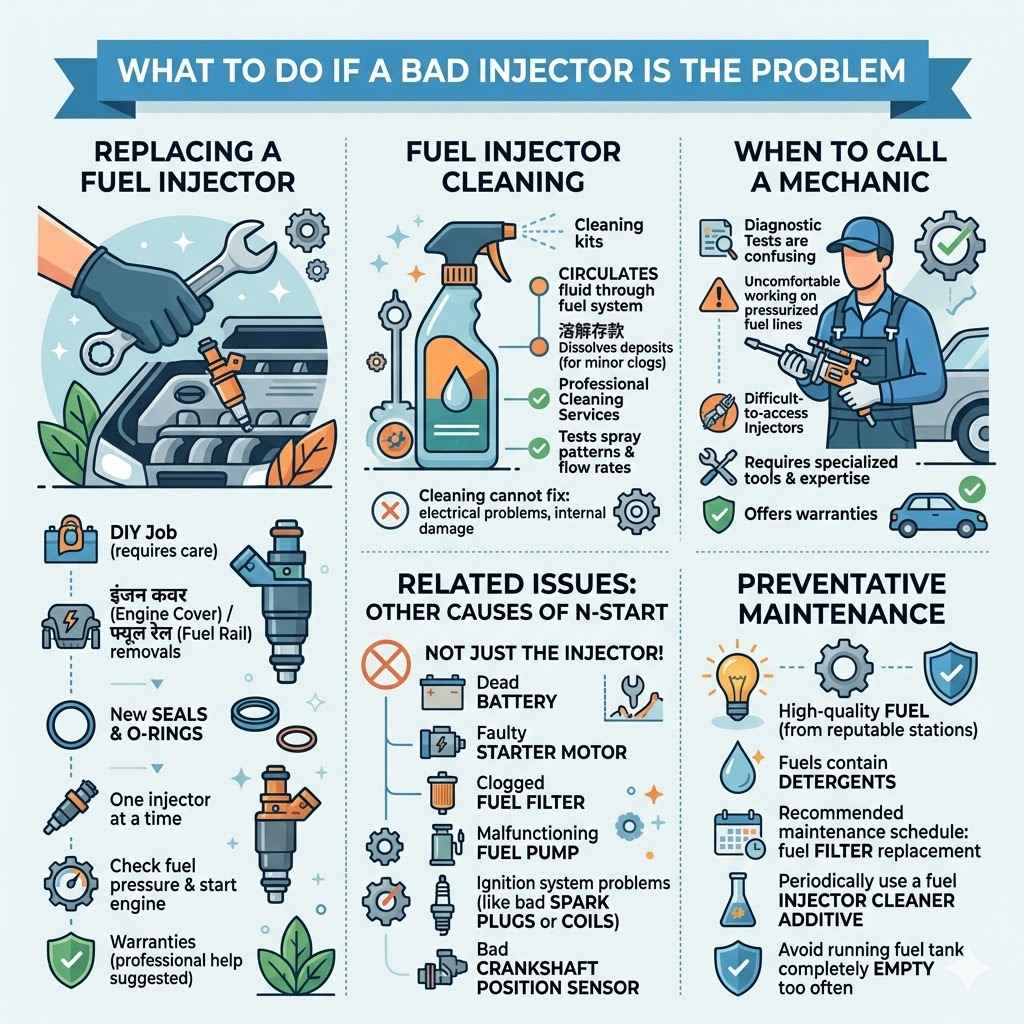
Replacing a fuel injector is often a job that can be done by a DIY mechanic, but it requires care. The process usually involves removing the engine cover, disconnecting the fuel rail, and then unbolting or unclipping the injectors. It’s important to replace one injector at a time and to use new seals and O-rings.
Always refer to your car’s specific repair manual for detailed instructions.
After replacement, it’s a good idea to re-check fuel pressure and start the engine to ensure everything is working correctly. You might also want to clean the other injectors to prevent future issues. Many people choose to replace all injectors at once, especially if the car has high mileage, as other injectors may be close to failing too.
This can save time and effort in the long run.
Fuel Injector Cleaning
In some cases, a fuel injector might just be dirty rather than completely failed. There are fuel injector cleaning kits you can buy that involve adding a special fluid to your fuel tank. This fluid circulates through the fuel system and can help dissolve deposits that are clogging the injectors.
While this can be effective for minor clogs, it often doesn’t fix injectors that have electrical problems or severe internal damage.
Professional cleaning services use specialized machines that can clean injectors more thoroughly, often testing their spray patterns and flow rates afterward. This is a good option if you suspect clogging but aren’t ready to replace the injectors. However, if the injector is mechanically damaged or has an electrical fault, cleaning won’t help.
A good rule of thumb is to try cleaning for minor issues and opt for replacement for more severe problems or known electrical failures.
When to Call a Mechanic
If you’re not comfortable working on your car’s fuel system, or if the diagnostic tests are confusing, it’s always best to call a qualified mechanic. They have the specialized tools and experience to accurately diagnose and repair the problem. They can also ensure that safety procedures are followed, especially when dealing with pressurized fuel lines and electrical components.
A mechanic can quickly determine if it’s just one injector or a larger fuel system issue.
Some vehicles have injectors that are difficult to access, or they may require special tools for removal and installation. In these situations, professional help is almost always the best route. They can also offer warranties on their work, giving you peace of mind.
Don’t hesitate to seek expert advice if you’re unsure about any step of the process. Getting your car back on the road safely is the priority.
Related Issues and Prevention
While a bad injector can stop an engine from starting, other parts of the fuel system can also cause similar problems. Keeping your fuel system in good shape can prevent many issues.
Other Causes of No-Start
It’s important to remember that a bad fuel injector isn’t the only reason your car might not start. Other common culprits include a dead battery, a faulty starter motor, a clogged fuel filter, a malfunctioning fuel pump, ignition system problems (like bad spark plugs or coils), or even a bad crankshaft position sensor. Always consider these possibilities during diagnosis.
A weak battery might crank the engine slowly or not at all. A bad starter won’t crank the engine at all, even though the battery might be good. A clogged fuel filter starves the engine of fuel, leading to poor performance or a no-start.
A failing fuel pump means no fuel reaches the injectors. Ignition issues prevent the spark needed to ignite the fuel-air mixture. Each of these needs to be ruled out before focusing solely on the injectors.
Preventative Maintenance
Regular maintenance can help prevent fuel injector problems. Using high-quality fuel from reputable stations is important. Many fuels contain detergents that help keep fuel systems clean.
Following your car’s recommended maintenance schedule for fuel filter replacement is also crucial. A clean fuel filter ensures that debris doesn’t reach the injectors and clog them.
Using a fuel injector cleaner additive periodically, as recommended by your car’s manufacturer or a trusted mechanic, can also help. These additives can help prevent the buildup of deposits that lead to clogging. Avoiding letting your fuel tank run completely empty too often can also be beneficial, as the fuel pump can overheat if it runs dry, and sediment at the bottom of the tank can get drawn into the fuel system.
Frequently Asked Questions
Question: Can a dirty fuel injector cause a no-start condition?
Answer: Yes, a dirty or clogged fuel injector can cause a no-start condition if it’s not delivering enough fuel or is completely blocked, preventing the engine from getting the fuel it needs to ignite.
Question: How do I know if my fuel injectors are bad?
Answer: Signs of bad fuel injectors include difficulty starting, rough idling, poor acceleration, reduced fuel economy, check engine lights with specific codes, and the smell of gasoline.
Question: Is it expensive to replace fuel injectors?
Answer: The cost can vary widely depending on the make and model of your car, the number of injectors needed, and whether you do the work yourself or hire a mechanic. Parts can range from $50 to $200 per injector, and labor can add several hundred dollars.
Question: Should I replace all my fuel injectors at once?
Answer: It’s often recommended to replace all fuel injectors at the same time, especially on older vehicles, because if one is failing, others may be close to the end of their lifespan as well. This can save you future repair costs and ensure consistent performance.
Question: Can I drive with a bad fuel injector?
Answer: Driving with a bad fuel injector is not recommended. It can lead to poor engine performance, increased emissions, potential damage to other engine components like the catalytic converter, and may eventually leave you stranded with a car that won’t start.
Summary
If your engine won’t start, a bad fuel injector is a strong possibility. These crucial parts deliver fuel for combustion, and if they fail, the engine starves. Simple checks like listening for clicks and looking for leaks can give clues.
More advanced tests like checking fuel pressure or using a scan tool can confirm the issue. Replacement is often the solution, but cleaning might help minor clogs. Always consider other common no-start causes and perform regular maintenance to keep your fuel system healthy.