3 Best Performance Spark Plugs for Cars: We Compared
For most performance street cars, the best spark plugs are the OE-spec iridium or ruthenium plug that matches your engine’s heat range and gap, plus one step colder only for boosted or high-heat setups. The wrong plug can trigger misfires, foul the tip, raise pre-ignition risk, and waste money on parts that do not fit the engine’s calibration. This guide ranks three exact part numbers by fitment, heat range, gap, service life, and failure risk.
Quick comparison
| Product | Badge | Best for | Price | ||
|---|---|---|---|---|---|
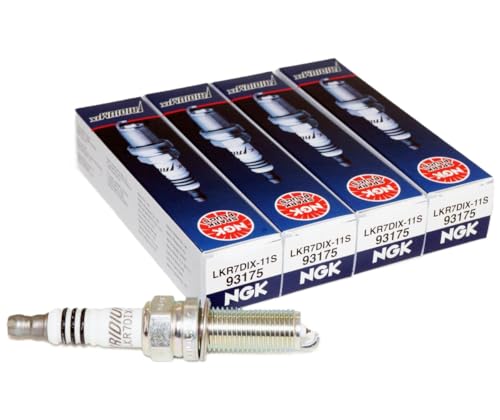 |
NGK LKR7DIX-11S Iridium IX Spark Plug (93175 Iridium Ix), 4NGK | Our pick | 4-pack · 0.6mm tip · Iridium IX | $34.50
Price as of 16 Oct 2026
|
View |
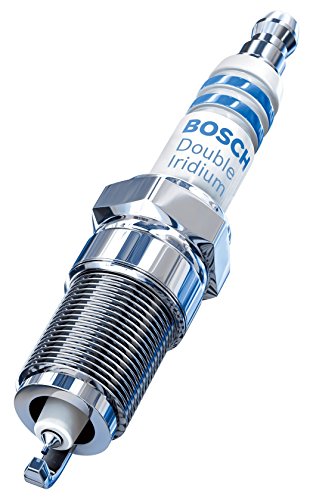 |
BOSCH 96337 OE Fine Wire Double Iridium Spark Plug – PackBosch | Upgrade pick | 4-pack · Double Iridium · OE Fit | $50.87
Price as of 16 Oct 2026
|
View |
 |
4 pc DENSO Iridium Power Spark Plugs for Toyota Camry 2.5LSixity Auto | Also great | 4-pack · 0.4mm tip · Iridium Power | $46.87
Price as of 16 Oct 2026
|
View |
This comparison starts with fitment safety, then moves to real use. A plug that works in a stock daily driver can be a poor pick for a turbo car or a tuned engine.
How we chose
The ranking starts with exact application match, not brand reputation. A plug can have a strong electrode design and still be wrong if the thread reach, seat type, projected tip, or heat range does not match the engine.
We also weighted gap control, ignition-system compatibility, and failure risk. Modern coil-on-plug engines are less forgiving of the wrong part number, and a “performance” plug that misses one spec can create more problems than it solves.
Service life matters too. A plug that lasts longer can still cost more over time if it sits under intake parts or coil packs and takes extra labor to replace.
NGK Iridium IX: best for responsive daily use
Choose this exact NGK LKR7DIX-11S part number if your engine calls for it and you want a responsive daily-driver plug for a mild performance build or a car that needs clean ignition under light boost. NGK Iridium IX uses a fine wire iridium center electrode, and the 0.6mm tip design is aimed at strong ignitability and throttle response.
It suits drivers who want quicker part-throttle response without moving to a race-style setup. Standard Drivetrain also describes a similar NGK plug as having a 0.6mm laser welded fine iridium tip, which matches the small-electrode approach that helps cut firing-voltage demand.
The drawback is fitment sensitivity. Pre-gapped or vehicle-specific packaging does not make it universal, and the wrong heat range, seat, or reach can still trigger misfires or fouling.
Bosch double iridium: best for long service life
This is the strongest choice when you want long life, factory-style ignition consistency, and a plug built around OE fitment verification. Bosch double iridium plugs use double precious-metal construction, and Standard Drivetrain says the Bosch double iridium plug is pre-gapped. That helps when you want less setup work, but it still does not guarantee the gap is correct for your specific engine.
It fits best in modern coil-on-plug engines where the exact OEM callout is known and the vehicle is still stock or near-stock tune. RevRated lists Bosch 9603 OE Fine Wire Double Iridium as a runner-up, which supports its place as a durability-first option rather than a hype-first performance part.
The drawback is simple: if your exact engine callout is missing, do not assume a close Bosch part number will work. Double iridium does not override heat range, thread reach, seat style, or projected-tip requirements.
NGK G-Power Platinum: best value upgrade
This is the value pick for owners who want a better-than-copper replacement without paying for the longest-life iridium design. Garage Chief says the NGK G-Power Platinum has a 0.6mm laser welded fine platinum tip, and platinum is a practical OE-style upgrade when the engine does not need an expensive long-life iridium plug.
It suits daily drivers, older performance cars, and routine maintenance jobs where you want solid ignition consistency and reasonable service life. Platinum and iridium plugs generally outlast copper, so the cost difference often makes sense if the plug is buried and labor is not cheap.
The drawback is that platinum is not the best answer for every turbocharged or heavily modified engine. If the car needs a very exact heat range, tighter gap control, or the longest inspection interval, double iridium is usually the safer choice.
Which one should you buy?
Start with the exact NGK LKR7DIX-11S Iridium IX part number if your car is a responsive street build, especially when the OEM catalog points to NGK and you want better throttle feel without changing the engine’s basic ignition strategy. Start with Bosch double iridium if you care most about long service life and factory-style consistency. Start with NGK G-Power Platinum if you want a cost-conscious replacement that still beats copper on durability.
For turbocharged or modified engines, the deciding factor is not brand. It is heat range, gap, and exact application match. A one-step-colder plug can be correct in a boosted setup, but only when the engine builder, tuner, or OEM spec supports it.
For the lowest ownership cost, compare the purchase price against labor access. A cheaper plug that needs replacement more often can lose to a pricier iridium plug if the job requires intake removal or a long coil-pack service interval.
Stay with OEM specification when the engine runs well, the plugs are still in spec, and there is no clear reason to move colder or change electrode material. For many modern engines, the safest performance upgrade is a fresh OE-spec plug, not a more aggressive one.
What spark plug fitment actually matters?
Heat range, gap, thread reach, seat type, and projected tip all matter because spark plugs are not interchangeable across engines. The wrong heat range can cause pre-ignition if the plug is too hot or fouling if it is too cold, and the wrong gap can raise misfire risk under load. OEM part number matching is the cleanest way to avoid those problems.
Heat range: too hot versus too cold
Heat range is engine-specific OEM territory. Too hot increases the chance of pre-ignition and knock-related damage, especially in boosted or high-compression engines. Too cold can leave deposits on the plug tip, which leads to fouling, rough idle, and hard cold starts.
Say your turbo four-cylinder is tuned for higher cylinder pressure and you install a plug that is too hot. The engine may feel fine at light throttle, then start showing knock correction or spark scatter under boost. That is why modified engines often need a colder plug, not a “performance” plug at random.
Gap specification and misfire risk
Gap is not a suggestion. A plug that arrives pre-gapped still needs to match the vehicle’s exact specification, because ignition coils, boost level, and chamber pressure all affect spark demand. Pre-gapped can save time, but it does not mean universal-fit.
Suppose a coil-on-plug V6 calls for a specific gap and you install a similar plug that is slightly wider. The car may idle acceptably, then misfire under load or during cold starts because the coil cannot consistently fire the larger gap.
Thread reach, seat type, and projected tip
Thread reach tells you how far the plug sits into the chamber. Seat type determines how it seals. Projected tip changes how the electrode sits in the combustion space. Those details affect combustion temperature, flame exposure, and physical clearance, so they belong in the buying decision before any horsepower claim does.
Why OEM part number matching matters
OEM part number matching is the fastest way to filter out the wrong plug for modern engines, especially coil-on-plug setups that are sensitive to heat range and gap. If the catalog does not list your exact engine code, year, and trim, do not assume a near match is safe.
Spark plug decision table
| Top pick | Best engine type | Ignition system fit | Heat range risk | Expected service life | Do not buy if |
|---|---|---|---|---|---|
| NGK Iridium IX | Daily drivers, mild performance, some light boost | Most coil-on-plug OE applications with NGK callout | Medium if you ignore OEM heat range; too hot can pre-ignite | 40,000-50,000 miles | Your engine needs a different reach, seat, or a non-NGK exact part number |
| Bosch double iridium | Stock or near-stock modern engines | Coil-on-plug systems that want OE-style consistency | Medium if the catalog match is wrong; pre-gap does not fix heat mismatch | Long service life; intended for extended intervals | Your exact engine callout is missing or you need a custom tuner-approved colder plug |
| NGK G-Power Platinum | Budget-conscious OE replacement, older performance cars | Conventional and many OE-style ignition setups | Medium to high if used in a tuned engine that needs a colder plug | Longer than copper; shorter than many iridium options | You want maximum longevity or your setup demands very tight ignition control under boost |
This table is the fastest way to avoid the common failure cases. The wrong plug can cost more than the right one once you add labor, misfire diagnostics, and repeat access under intake parts or coil packs.
Do performance spark plugs actually improve horsepower or throttle response?
Sometimes, but usually in a limited way. Fresh, correctly spec’d plugs can restore lost throttle response, idle quality, and misfire resistance, especially if the old plugs were worn, gapped wrong, or heat-mismatched. Big horsepower gains are uncommon unless the old plugs were a restriction or the engine needed a different plug for boost or high load.
That is why plug changes are most noticeable as cleanup, not magic. The best-case result is cleaner combustion and more consistent spark. The worst-case result is a plug that looks “performance” on the box but is wrong for the engine.
Should you choose iridium, platinum, or double iridium?
Choose iridium when you want fine-wire ignition, better spark consistency, and strong service life in modern engines. Choose platinum when you want a value-focused OE replacement that lasts longer than copper. Choose double iridium when long service life and stable factory-style operation matter most.
The same source says iridium has the highest melting point of any production electrode material at 2,446 degrees Celsius, which is one reason it is common in high-demand ignition designs. Copper still has a place in some older or purpose-built engines, but it is usually the wrong choice for most modern performance street cars.
How long do performance spark plugs last?
Service life depends on the material, engine heat, and access. The same source lists the NGK 6619 Iridium IX with 40,000-50,000 miles service life, while RevRated lists the Denso 4703 IKH16TT Iridium TT with 100,000+ miles service life. Platinum and iridium generally outlast copper, but replacement interval still depends on the vehicle and tune.
Long life on paper does not remove labor cost. If plugs sit under a cowl, intake manifold, or coil pack stack, a longer interval may be worth paying for because the job is harder than the part price suggests.
Can the wrong heat range damage my engine?
Yes. Too hot a plug can trigger pre-ignition, detonation, and knock-related damage, especially in turbocharged or modified engines. Too cold a plug can foul more easily, which leads to rough idle, cold-start problems, and misfire codes. Heat range is not a branding choice; it is part of the engine’s combustion strategy.
That is why performance buyers should treat “one step colder” as a specific tuning decision, not a default upgrade. If the engine is stock and the OEM plug is already correct, changing heat range for a claimed performance gain can backfire fast.
Are pre-gapped spark plugs worth buying?
Yes, when the plug is the correct part number for your engine and the gap matches the vehicle spec. They save time and reduce setup errors. No, when you treat pre-gapped as universal, because the wrong plug can still be the wrong gap, wrong reach, or wrong heat range.
Standard Drivetrain says the Bosch double iridium plug is pre-gapped, which is useful for convenience. It is not a replacement for checking the catalog entry against your exact engine code.
Which spark plug brand is best for performance cars?
There is no single best brand for every performance car. NGK is a strong fit where OE-specific iridium plugs and fine-wire designs match the engine’s original calibration. Bosch is a smart choice when double iridium durability and factory-style consistency are the priority. NGK G-Power Platinum is the value play.
Brand only matters after fitment does. A good brand with the wrong part number is still the wrong plug.
What spark plugs work best for turbocharged engines?
Turbocharged engines usually need the most careful heat-range selection and the most attention to gap. The best plug is typically the OE-spec iridium or double iridium plug that matches the turbo engine’s callout, or a tuner-approved colder plug when boost and cylinder pressure require it. Wrong heat range and excessive gap are common causes of misfire under load.
A common first-timer mistake is buying a “performance” plug for a turbo car because it has a fine electrode, then finding out it was not the correct heat range for that engine. The spark may look better on paper and still fail where it matters: under boost.
Do I need to match OEM spark plug part numbers exactly?
For modern engines, yes, unless you have a specific tuning reason and verified substitution data. OEM part number matching protects you from mistakes in heat range, thread reach, seat style, projected tip, and coil-on-plug compatibility. That is especially important when the plugs are tucked under intake parts or hard-to-access coil packs.
If the exact part number is unavailable, compare the engine code, not just the model name. Small catalog differences can mean a large difference in ignition behavior.
Frequently asked questions
What are the best performance spark plugs for cars?
For most cars, the best performance spark plugs are the OE-spec iridium or double iridium plug that matches the engine’s heat range, gap, and part number. If the engine is modified or turbocharged, a tuner-approved colder plug may be correct, but only when the rest of the ignition system can support it.
Which spark plug is best for daily driving versus modified engines?
Daily driving usually favors NGK Iridium IX or Bosch double iridium, depending on the vehicle’s OEM callout and access needs. Modified engines need a more careful match to boost, combustion temperature, and gap, so the right answer is often the OE-style plug or a colder plug chosen for that exact setup.
Products related to this article
Sponsored / affiliate links. As an Amazon Associate I earn from qualifying purchases. I may earn additional commission from eligible campaigns.