How to Start a Car With Bad Fuel Injectors: Step-by-Step
A car with bad fuel injectors can sometimes still be started, but only if the injectors are dirty or partially clogged rather than electrically dead. When too little fuel reaches the cylinders to ignite properly, the engine may crank for an unusually long time before it catches, run rough once it does, or refuse to start at all. This guide covers how to confirm the injectors are really the problem, how to get the car running today, and when cleaning or replacement is the only fix that actually lasts.
Can You Start a Car With Bad Fuel Injectors?
BEST FOR CLEANING CLOGGED INJECTORS
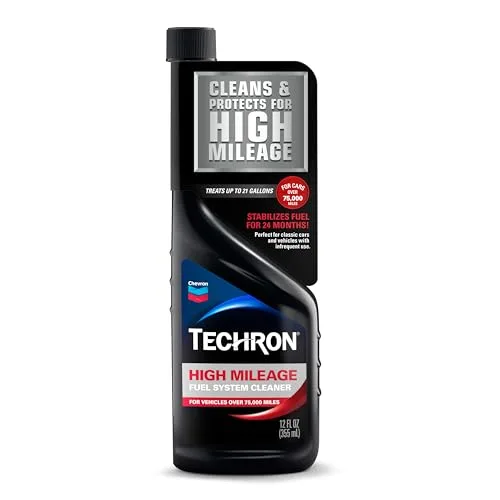 |
Chevron Techron High Mileage Fuel System Cleaner – $10.38 This concentrated additive is what most shops try first on injectors that are simply dirty rather than electrically dead.
|
Yes, in many cases — but it depends on how bad the injectors actually are. A partially clogged injector still sprays some fuel, so the engine can usually start after several seconds of extra cranking, then idle roughly or hesitate under load. A severely clogged, stuck-closed, or electrically failed injector delivers little or no fuel to that cylinder, and if enough cylinders are affected, the engine simply will not fire no matter how long you crank it. The starting techniques below are meant to get you moving in the short term, not to replace an actual repair.
Signs Your Fuel Injectors Are the Real Problem
Before you spend time on the injectors, rule out the two things that mimic bad injectors most often: a weak battery and a failing fuel pump. Turn the key to the ON position without cranking and listen for a two-second humming sound from the fuel tank area — that is the pump priming the line. Silence there points to the pump, not the injectors. A slow, labored crank instead of a normal fast crank usually points to the battery or starter, and a battery that will not hold a charge should be tested and ruled out first.
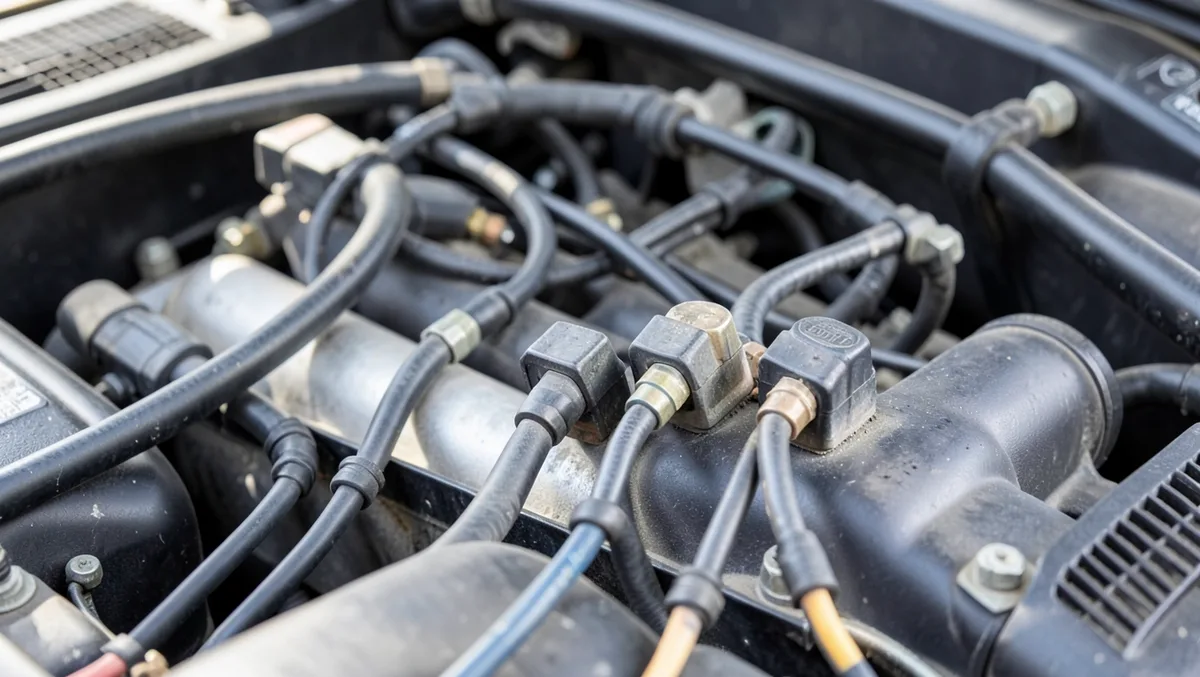
Once those are ruled out, the classic injector symptoms are a rough or uneven idle, hesitation or stumbling under acceleration, one or more misfires, noticeably worse fuel economy, black smoke from the exhaust on a gasoline engine, and a lit check engine light. A car running lean can also point back to a clogged injector, since less fuel is reaching the cylinder than the engine computer expects. A physical inspection helps too: look for fuel staining or a wet smell around the injector body, cracks in the injector housing, and a wiring connector that is loose, corroded, or not fully seated.
Read the Diagnostic Codes First
If the check engine light is on, pull the codes with an OBD-II scanner before you touch anything. Codes in the P0201 through P0208 range point to an injector circuit malfunction on a specific cylinder, but that code names the circuit, not necessarily the injector itself — the fault can just as easily be the wiring, the connector, or the driver inside the engine computer. A P0300-series code (a random or cylinder-specific misfire) is the more general symptom that shows up whenever a cylinder is not firing correctly, whether the cause is a bad injector, a fouled spark plug, or a vacuum leak.
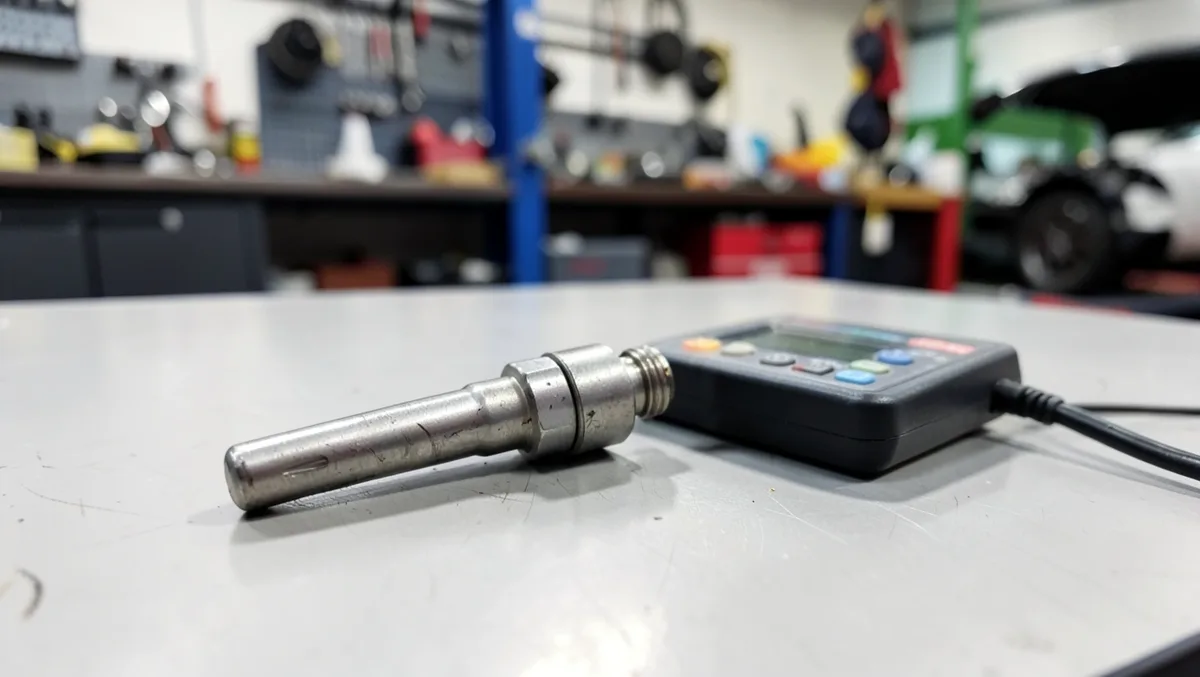
To narrow it down, disconnect the injector’s electrical connector and use a multimeter to check its resistance against the manufacturer’s spec, usually printed in the service manual for that engine. A reading of infinite resistance (open circuit) or near zero (shorted) means the injector itself has failed electrically. A reading within spec means the injector is likely fine and the problem is upstream in the wiring or the fuel supply itself.
Safety Precautions
Gasoline is flammable and pressurized fuel systems can spray under real force, so treat this as more than a routine repair. Wear safety glasses and nitrile or mechanic’s gloves, work in a well-ventilated area away from any open flame, pilot light, or running space heater, and relieve fuel system pressure at the Schrader valve or fuse before disconnecting any fuel line. Keep a Class B fire extinguisher within reach and have shop rags ready for any spilled fuel.
Tools You Will Need
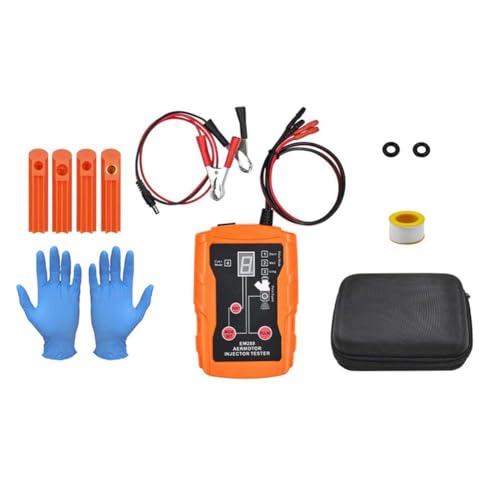
A basic mechanic’s toolkit covers most of this job: a socket set, wrenches, screwdrivers, and pliers to access the injectors and their wiring. Beyond that, an OBD-II scanner reads trouble codes, a multimeter tests injector resistance and wiring continuity, a fuel pressure gauge confirms the pump and regulator are doing their job, and a fuel injector cleaning additive is the first thing worth trying if the injectors are simply dirty rather than dead.
Step-by-Step: Getting the Engine Started
Start with the basics. Park on a flat surface, set the parking brake, and confirm the transmission is in park or neutral. Clean the battery terminals with a wire brush if they look corroded, and check that the battery itself is fully charged — a weak battery on top of a fuel delivery problem makes starting much harder than either issue alone.
It is worth being clear about what jumper cables and a push start actually do: they only add cranking power. If a weak battery was masking what looked like an injector problem, either method can genuinely help. But neither one adds fuel to the cylinders, so if the injectors themselves are the real bottleneck, jumping the battery or push-starting the car will not make it start.
Starting fluid is the more direct short-term fix, since it introduces an easily ignitable vapor straight into the intake instead of relying on the injectors. Pop the hood, locate the air intake or throttle body, and give it one short burst of starting fluid — roughly one second — before turning the key. Do not spray continuously or use more than a couple of short bursts across a few attempts, since flooding the intake with starting fluid can cause a backfire or, over repeated use, damage to the cylinders. Treat this as a way to get the car to a shop, not a repeated daily routine.
Cleaning or Replacing the Injectors
For injectors that are dirty rather than failed, an in-tank fuel system cleaner is the easiest first step. Add it to a mostly full tank following the bottle’s dosing instructions, then drive normally for a full tank or two so the detergent has time to work through the system. It will not undo a cracked injector body or a dead solenoid, but it clears the kind of carbon and varnish buildup that causes rough idling and hesitation on higher-mileage cars.
If an in-tank additive does not fully resolve it, a shop can run an on-car ultrasonic cleaning service that pulses cleaner directly through each injector while it is still mounted, which reaches buildup a fuel-tank additive alone cannot. While the injectors are the focus, it is worth confirming the rest of the fuel delivery system is sound: check fuel lines and their connections for cracks, leaks, or corrosion, and listen for the fuel pump’s priming hum to confirm it is delivering adequate pressure. A quality fuel additive used every few thousand miles going forward helps keep new buildup from forming in the first place. An injector with a confirmed open or shorted circuit, a visible crack, or a fuel leak at the seal needs to be replaced — no amount of cleaning fixes a physically damaged injector.
When to Call a Mechanic
If you have confirmed a bad injector with a multimeter or a scan tool and are not comfortable removing and replacing it yourself, this is a reasonable point to hand the job to a professional. Fuel injector replacement involves working around a pressurized, flammable system, and a mistake here is more costly than most repairs. Get a couple of quotes, ask whether the shop tests the new injector’s spray pattern before reinstalling, and confirm whether the fix includes a fuel system cleaning as part of the job.
Frequently Asked Questions
Can You Start a Car With Bad Fuel Injectors?
Yes, if the injectors are dirty or only partially clogged, since they are still delivering some fuel to the cylinders. If an injector has failed electrically or is severely clogged, the affected cylinder gets little or no fuel, and the engine may crank for a long time or not start at all. Cleaning or replacing the injector is the only fix that lasts.
Will Jumper Cables or a Push Start Fix Bad Fuel Injectors?
No. Jumper cables and push starts only add cranking power to the engine, which helps if a weak battery was the actual cause. Neither method puts more fuel into the cylinders, so if the injectors themselves are clogged or failed, jumping the battery or push-starting the car will not solve the problem.
What Will Unclog Fuel Injectors?
An in-tank fuel system cleaner added to a full tank of gas can dissolve light to moderate carbon and varnish buildup over one or two tanks of driving. For heavier buildup, a shop can run an on-car ultrasonic cleaning service that pulses cleaner directly through each injector. Neither method fixes a cracked, stuck, or electrically dead injector, which needs replacement instead.
Will a Bad Fuel Injector Cause a Crank No-Start?
Yes. If an injector is not delivering fuel to its cylinder and enough cylinders are affected, the engine can crank normally but never actually fire. This is different from a slow or weak crank, which usually points to the battery or starter rather than the injectors.
How Does a Car Act When a Fuel Injector Is Going Out?
A failing injector typically causes rough or uneven idling, hesitation or stumbling during acceleration, one or more engine misfires, noticeably worse fuel economy, and a lit check engine light. You may also notice a fuel smell or staining around the injector if it is leaking.
What Code Shows a Bad Fuel Injector?
Codes P0201 through P0208 point to an injector circuit malfunction on a specific cylinder, though the fault can be the wiring or connector rather than the injector itself. A P0300-series misfire code often appears alongside it, since a cylinder not getting enough fuel will misfire.
Conclusion
A car with bad fuel injectors is not always a dead car — dirty injectors will often still get you moving, while a cracked or electrically failed one usually will not, no matter how long you crank it or how much starting fluid you use. Rule out the battery and fuel pump first, pull any codes before you start guessing, and treat starting fluid and jumper cables as a way to get to a shop rather than a permanent fix. A fuel system cleaner solves the common case; a confirmed bad injector needs to be replaced.
Products related to this article
Sponsored / affiliate links. As an Amazon Associate I earn from qualifying purchases. I may earn additional commission from eligible campaigns.