Can a Collection Agency Take Your Car? The Real Answer
A generic collection agency chasing an unpaid bill generally cannot just take your car – but the lender behind a defaulted auto loan usually can, without going to court first. Those are two different situations that get mixed together in a lot of online advice, and mixing them up is exactly what leads people to panic over debts that were never actually secured by their vehicle. This guide explains the real distinction, what a lender or repo agent can and can’t legally do, and how to protect yourself either way.
This is general information, not legal advice. Repossession and debt collection rules vary by state, so confirm the specifics that apply to you with a licensed attorney or a local legal aid office.
Collection Agency vs. Repossession: Know the Difference
These two scenarios sound similar but work very differently:
- Unsecured debt collection agency (credit cards, medical bills, personal loans): your car isn’t tied to that debt at all. To legally seize property over an unsecured debt, a collector generally has to sue you, win a judgment in court, and then use court-ordered tools like wage garnishment or a bank levy. They cannot show up and simply take your car.
- Auto loan default (secured debt): your car itself is the collateral for that specific loan. If you stop paying, most states allow the lender (or a repossession agent working for them) to repossess the car through “self-help repossession” – without a court order – as long as they don’t “breach the peace” (no violence, no breaking into a locked garage, no confrontation).
So the honest answer to “can a collection agency take your car” is: not directly, unless that agency is specifically acting as the repossession arm for your own defaulted auto loan. A collector chasing an old credit card balance has no legal claim on your vehicle unless and until they win a lawsuit against you.
When a Repossession Can Legally Happen
Repossession over an auto loan typically becomes possible as soon as you’re in default under your loan contract – in many states, that can technically be after a single missed payment, though most lenders wait longer and try to work something out first. Because the right to repossess usually comes from the loan agreement you signed, most states don’t require the lender to go to court before towing the car.
What Debt Collectors Legally Cannot Do
The federal Fair Debt Collection Practices Act (FDCPA) restricts how third-party debt collectors can pursue you, regardless of what kind of debt is involved. Collectors generally cannot:
- Threaten to seize property they have no legal right to take
- Use harassment, threats, or obscene language
- Contact you at unreasonable hours
- Misrepresent the amount owed or their legal authority
- Physically use force or break into your home or a locked garage
The FDCPA’s Regulation F also limits phone contact – informally summarized by some advocates as the “7-in-7” rule: a collector generally shouldn’t call you more than seven times within a seven-day period about a particular debt. If a collector violates these rules, you can report them to the CFPB or your state attorney general, and you may have grounds for legal action.

What Happens During an Auto Repossession
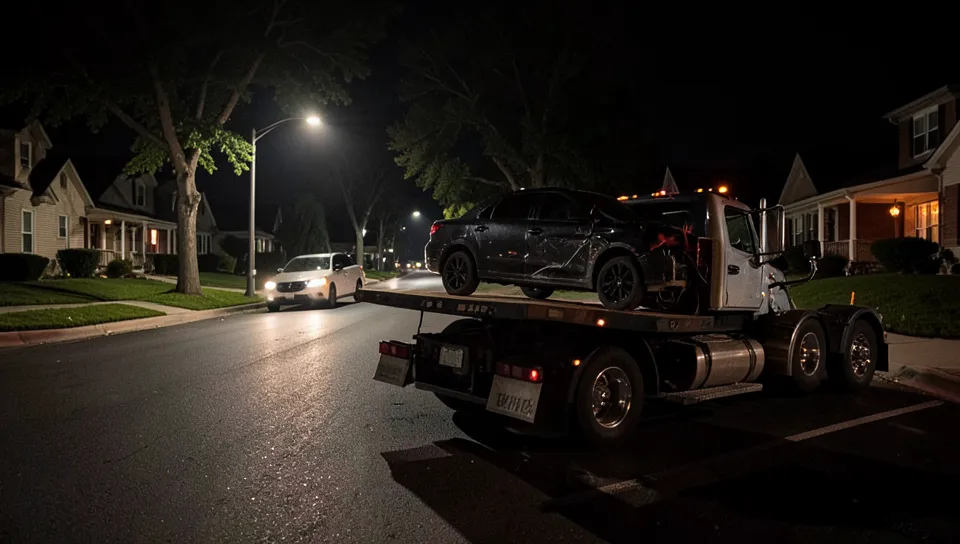
If your car is repossessed over a defaulted loan, a tow operator working for the lender typically takes it from wherever it’s parked – your home, your workplace, or a public street – usually without advance warning of the exact moment, though many states require a notice before the loan is declared in default. Personal items left in the car remain yours; contact the lender or repossession company promptly to arrange getting them back, since some charge a storage fee the longer you wait.
Getting the Car Back: Redemption and Deficiency Balances
Many states give you a redemption right – pay the full remaining loan balance plus repossession costs, and you can get the car back. If you don’t redeem it, the lender typically sells the car, usually at auction, and applies the proceeds to what you owe. If the sale doesn’t cover the full balance, you’re left owing the difference – called a deficiency balance – and that’s the point where a debt collection agency often does get involved, since the lender may sell or assign that remaining unsecured debt to a collector. This is the one place where “collection agency” and “your car” genuinely intersect: they can’t take the car itself, but they can pursue you for what you still owe after it’s sold.
How to Protect Yourself
If you’re falling behind on an auto loan, the most effective step is contacting your lender before you default, not after – many lenders would rather work out a temporary payment reduction, forbearance, or loan modification than go through the cost of repossessing and reselling your car. If a debt collector is contacting you about an unrelated unsecured debt, keep records of every call and letter, know that they cannot legally threaten to take your vehicle over that debt, and consider free or low-cost help from a nonprofit credit counselor or your state’s legal aid office before assuming the worst.
Frequently Asked Questions
Can collections take away your car?
Not directly for an unsecured debt – they’d need to sue you and win a judgment first. But if the debt is a defaulted auto loan, the lender (sometimes acting through a repossession agency) generally can repossess the car without a court order in most states.
How can I protect my car from debt collectors?
Keep your auto loan payments current, and contact your lender proactively if you’re struggling – ask about a payment plan, forbearance, or loan modification before you default. For unrelated unsecured debts, know that a standard collector cannot legally seize your car without first winning a lawsuit against you.
What’s the worst thing a debt collector can do?
Under the FDCPA, collectors are barred from harassment, threats, obscene language, and false or misleading statements about what they can legally do. Violations can be reported to the CFPB or your state attorney general.
What is the “7-in-7” rule with debt collectors?
It’s an informal name some consumer advocates use for a Regulation F provision under the FDCPA: a debt collector generally shouldn’t call you more than seven times within a seven-day period about a specific debt.
Conclusion
A collection agency chasing an unpaid bill can’t just take your car – that requires a lawsuit and a court judgment first. A defaulted auto loan is a different story: the lender usually can repossess without going to court, as long as they don’t breach the peace doing it. Knowing which situation you’re actually in is the first step to responding the right way – and when in doubt, a quick call to a legal aid office is worth more than guessing.
Products related to this article
Sponsored / affiliate links. As an Amazon Associate I earn from qualifying purchases. I may earn additional commission from eligible campaigns.
 4G GPS Tracker Car Anti-Theft Long Battery Life 20000mAh Real Time GPS Tracking Device Magnet No Geographic Restriction Car Tracker with Alerts, Geo Fence, History Playback TK905C
 FIbpuzc Quick Effect Coating Agent for Car, 2026 New Advanced Quick Spray for & Protection, Waterless Wash Coat, Ceramic for Cars & Protection